
The Ukrainian fertilizer market is entering an active planning period for the upcoming sowing season without clear signals regarding the stability of cash flows in farms. For buyers, this means a need for more precise calculation of application rates, while sellers should develop proposals with transparent supply terms.
There are no current prices available for nitrogen fertilizers, NPK, or other agrochemicals from the sources provided. However, important market factors that may influence procurement rates include the harvest storage situation, export contracts, and the availability of funds among producers.
Factors Currently Influencing Fertilizer Purchases
Farmers from nine frontline regions submitted 2,319 applications for 13,881 polymer storage bags for temporary grain storage. The declared need corresponds to approximately 2.8 million tons of grains and oilseeds, as one bag holds about 200 tons.
This is a significant indicator for the fertilizer market: some farms prioritize harvest preservation and logistics. Purchases of nitrogen, NPK, and related agrochemicals under these conditions may more frequently be made in batches, linked to funds received from product sales.
An additional factor is export pricing. The Ministry of Agrarian Policy and Food received complaints from exporters about situations where actual contract prices were below the minimum permitted export prices. In September, traders were advised to pay attention to the Incoterms basis of delivery, and discussions are underway to adjust approaches to minimum export prices for upcoming months.
What Sellers Should Consider on AgroPost
In the 'Fertilizers' category, buyers quickly compare not only prices but also practical terms of the deal. The most effective listings clearly specify what product is being sold, in what form, and under what conditions it can be picked up or delivered.
- Name and composition. For NPK, specify the formula; for nitrogen fertilizers, indicate the product form and active substance.
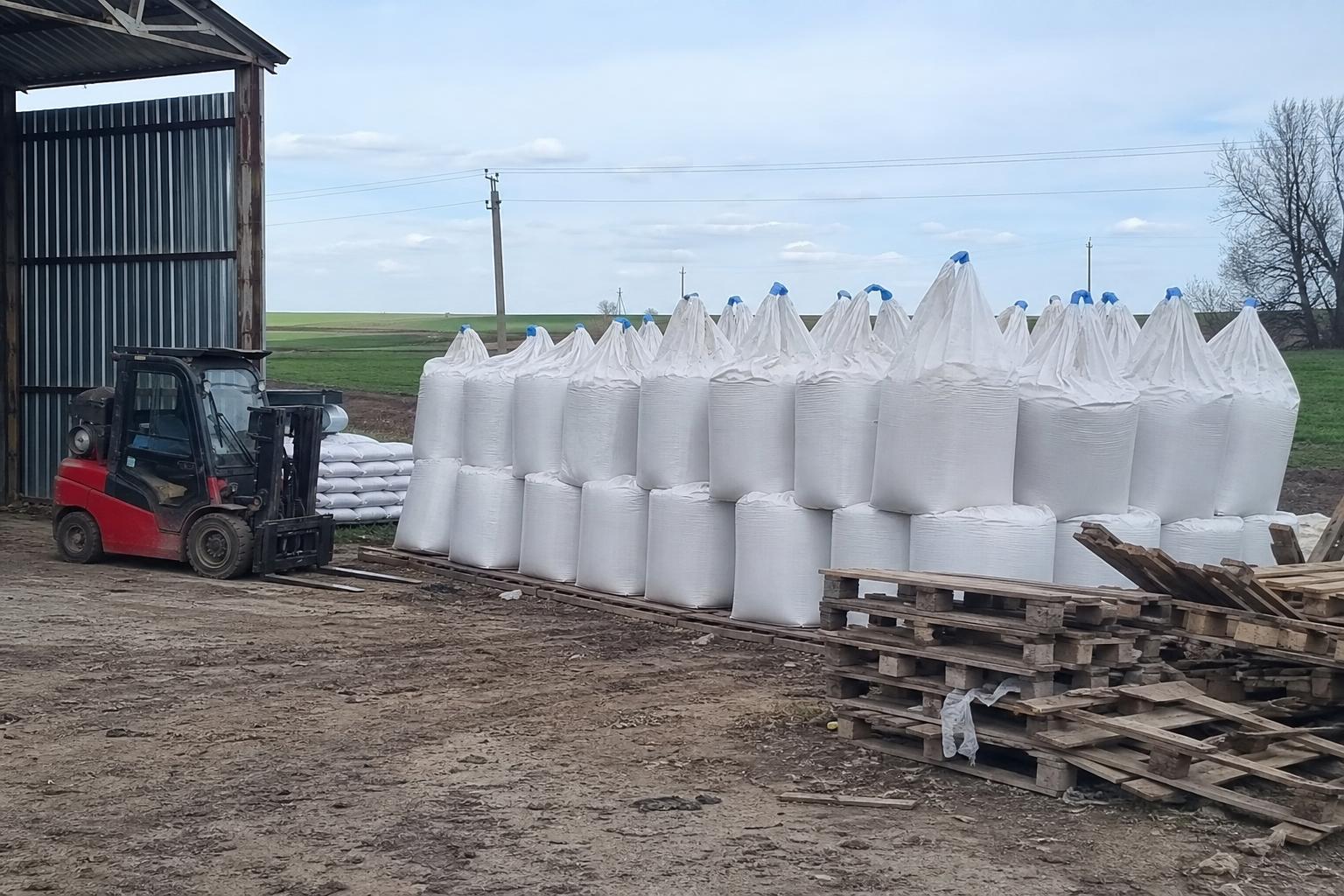
- Packaging and batch. Buyers need to see if big bags, bags, liquid form, or other formats are available.
- Location. The storage or shipment region affects the final cost for the farm.
- Documents. Availability of quality certificates, invoice, VAT status, and payment terms should be specified upfront.
- Delivery terms. For sowing, it is critical to know whether the product is in stock or requires pre-ordering.
If farms are purchasing more cautiously, sellers should separately highlight options for smaller batch shipments, volume reservations, or delivery to specific regions. Such details reduce clarifications and speed up contact with genuine buyers.
What Buyers Should Check Before Ordering
Buyers of fertilizers should start not with the price per ton but with the field's needs and application timing. This is especially relevant for complex fertilizers, where the formula must match the crop, growth stage, and soil condition.
- Compare the fertilizer formula with the crop nutrition plan;
- Verify the availability of quality certificates and production or batch date;
- Check storage conditions, especially for products sensitive to moisture;
- Calculate the total cost including delivery to the farm;
- Secure agreement on payment, shipment, and responsibilities of parties.
For nitrogen fertilizers, it is also important to consider the application timing and the farm’s technical readiness. If the fertilizer is needed for a specific operation, delivery delays could be more costly than a slight price difference.
Key Conclusions for the Fertilizer Market
- Demand for fertilizers remains linked to cash flow from crop sales.
- In frontline regions, some farmers are simultaneously addressing grain and oilseed storage issues.
- Uncertainty regarding minimum export prices may influence the pace of agreements in the agro sector.
- Marketplace listings with clear formulas, locations, documents, and delivery conditions will have an advantage.
Implications for the Market: fertilizer sellers should make proposals as specific and ready for quick comparison as possible, while buyers should reserve necessary volumes after verifying storage, documents, and logistics. During sowing, those who reduce price, availability, and delivery timing uncertainties will gain the most.
Comments
No comments yetNo comments yet - be the first.