
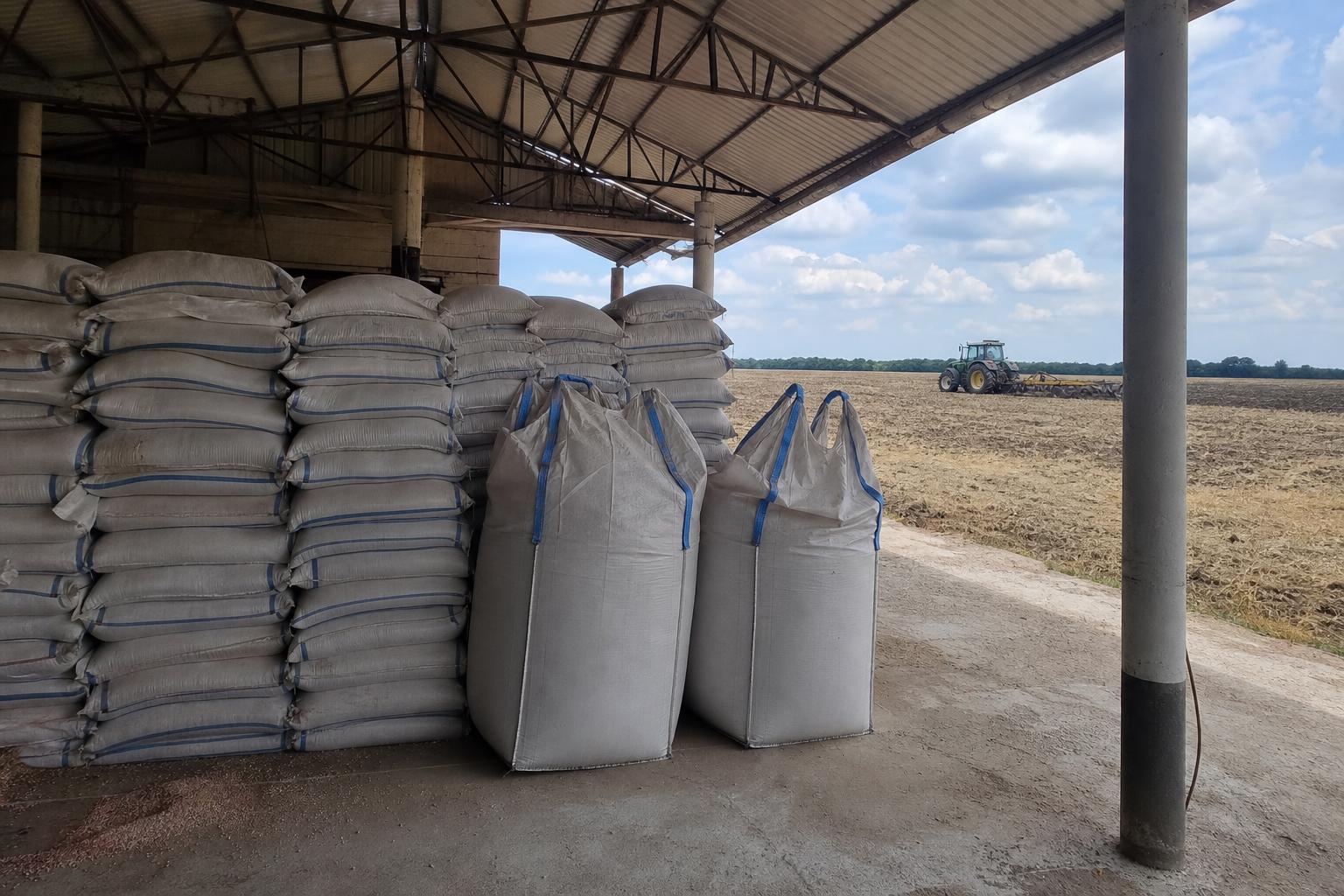
In early July, the fertilizer market in Ukraine enters a period when some farms are already assessing the initial harvest results and simultaneously formulating needs for post-harvest fertilization, winter crops, and autumn sowing.
For fertilizer suppliers, this is a time to intensify offers of basic nitrogen products, complex NPK fertilizers, and associated agrochemicals. For buyers — a moment to verify actual field conditions, expected gross yield, and available budgets before making purchases.
Harvests Set the Pace for Purchases
Some farms have already begun harvesting early grains. For example, KSG Agro reported the start of harvest on an area of 4,960 hectares: winter barley, winter wheat, and spring barley. According to the company, wheat moisture content is 13–16%, and the campaign is expected to proceed within a short period due to simultaneous crop ripening.
This is an important operational signal for the fertilizer market: after harvesting early crops, farms quickly move to decisions regarding soil tillage, nutrient replenishment, and preparation of fields for the next season.
Buyers should avoid delaying calculations of nitrogen, phosphorus, and potassium needs until the peak of autumn demand. Even without a clear price benchmark, early inquiries to AgroPost help compare available offers by formulations, packaging, logistics, and payment terms.
Export Dynamics Influence Farmers’ Caution
In June, Ukraine’s agro-export amounted to 4.79 million tons, which is 7.5% less than the previous month. The most significant declines were observed in oilseeds and vegetable oils, while grain exports remained nearly unchanged.
Industry analysts report that the reduction in shipments at the end of the marketing period is typical; however, Ukraine still holds substantial volumes of export-oriented products, primarily grains.
For the fertilizer segment, this means some buyers may act more cautiously: initially covering the most critical needs, with large batches negotiated after understanding harvest revenues and logistical capabilities.
Post-Rain Focus on Integrated Crop Care
June rains created favorable conditions for the development of fungal diseases on sunflower, soy, vegetables, and grapes. Plant protection specialists report signs of downy mildew, white rust, septoria, and other foliar diseases.
While this does not directly affect fertilizer prices, it is important for farm budgeting: expenses for fungicide protection and crop nutrition are planned within the same production cycle.
Fertilizer sellers should clearly differentiate their offers: mineral nutrition, foliar feeding, microelements, and plant protection products serve different purposes. Buyers should avoid replacing fungicide treatments with fertilization and instead select fertilizers based on plant condition and technological maps.
What’s Important for Sellers and Buyers on AgroPost Now
- For sellers: update availability of nitrogen fertilizers, NPK, microfertilizers, and foliar products, considering regional specifics and delivery conditions.
- For buyers: inquire not only about price per ton or liter but also about composition, active element concentration, packaging, minimum order quantities, and delivery timelines.
- For distributors: separately highlight products for winter grains and post-harvest applications to help farmers find solutions more quickly.
- For farms: coordinate fertilizer procurement with actual harvest schedules, crop sales, and crop protection needs.
What this means for the market: the fertilizer segment in Ukraine is entering a phase of practical planning for autumn. Demand is unlikely to be uniform: some farms will cover basic needs immediately after harvest, while others will wait for revenue and export situation clarifications. During this period, AgroPost favors offers with transparent composition, clear logistics, and prompt communication between sellers and buyers.
Comments
No comments yetNo comments yet - be the first.