
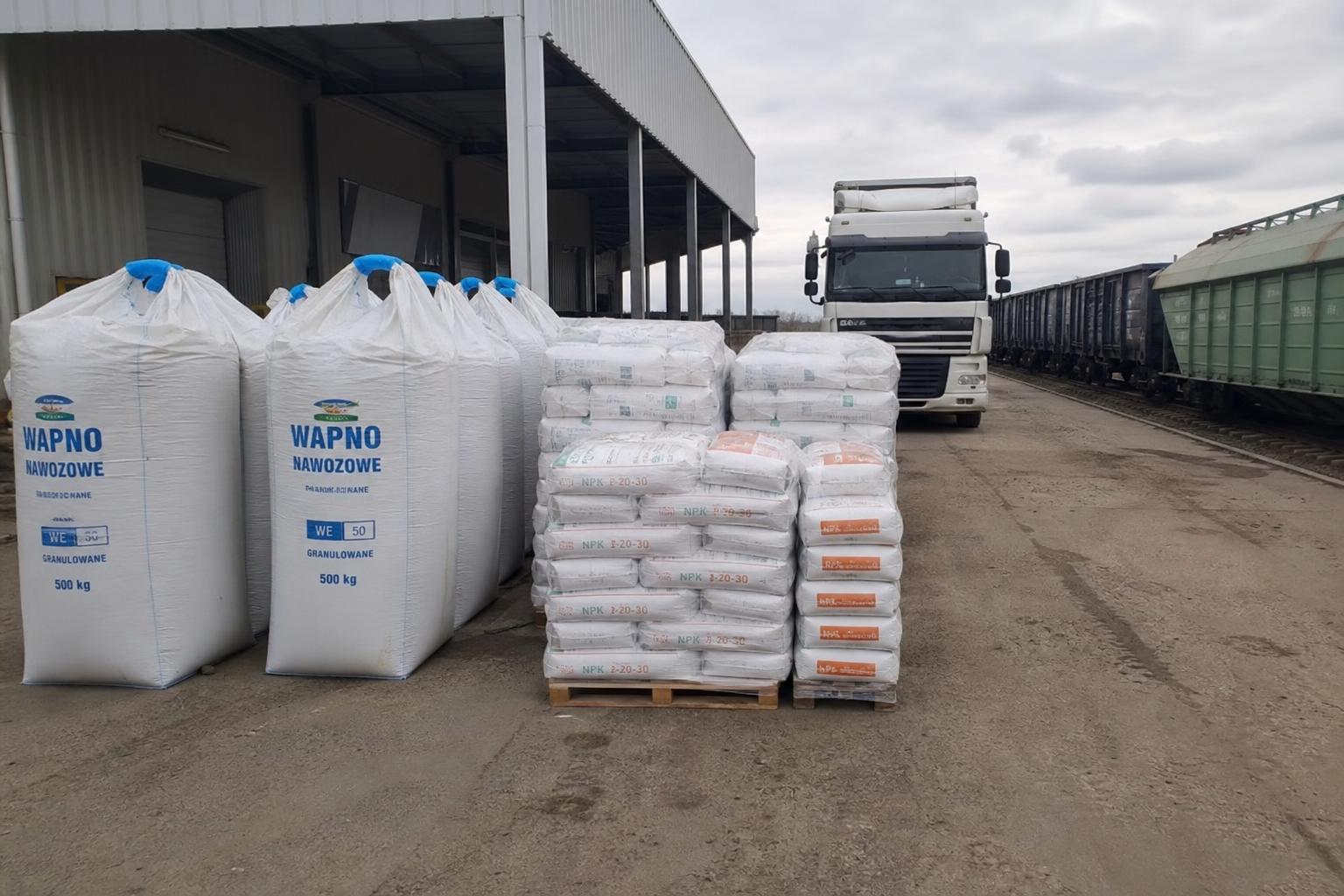
The Ukrainian fertilizer market is entering a period where the product price is only part of the decision-making process for farms. Equally important are the supply route, delivery time, availability of wagons, and forecasted logistics costs.
For sellers of nitrogen fertilizers, NPK, and agrochemicals, this means the need to communicate delivery terms more clearly. For buyers — to compare not only prices but also the total cost of fertilizer including delivery to warehouse or field in advance.
Rail Tariffs: What Could Change for Freight Logistics
The Ministry of Communities and Territories Development of Ukraine has published a draft order proposing a 30% increase in freight rail tariffs starting August 1, 2026. The document also suggests changing the approach to empty wagon tariffing.
According to available information, the draft has been put out for public consultation, with comments and proposals to be accepted within a month of publication. This is not yet a final decision, but the market should consider this scenario in procurement planning.
For the fertilizer segment, potential tariff increases are significant not only for large shipments. They could impact the economics of delivery to remote regions, the formation of regional warehouses, and the choice between rail, road, or combined routes.
Maritime Sector: Risks for Import Chains
In the night of June 22, Russia attacked civilian merchant ships en route to Ukrainian ports using drones. Reports indicated damage to vessels, a fire on one of them, and the death of a crew member.
While such events do not directly reflect the fertilizer market situation, they highlight the overall vulnerability of maritime logistics. For importers and traders, this underscores the importance of assessing delivery times, insurance conditions, alternative routes, and stock availability at domestic warehouses.
Fertilizer buyers should clarify whether the product is already in Ukraine or still en route. This is especially critical for seasonal purchases, where even a few weeks’ delay can alter the farm’s production schedule.
What Sellers and Buyers Should Consider on AgroPost
- Sellers should specify the basis of delivery, warehouse region, available volume, and estimated shipment times.
- Buyers should compare proposals based on the full cost: fertilizer price plus delivery, transshipment, and possible storage.
- For nitrogen fertilizers and NPK it is important to reserve batches in advance for sowing, especially if the farm depends on specific application timing.
- Small farms may benefit from sourcing batches within their region or neighboring areas to reduce logistics share in the final price.
Key Takeaways for the Fertilizer Market
Firstly, logistics components may become more prominent in the final fertilizer price if railway tariffs are revised. Currently, this is a draft, not a confirmed decision.
Secondly, risks related to maritime corridors remain an uncertainty factor for imported cargoes. This increases the value of fertilizers already stored domestically, which can be quickly delivered to buyers.
Thirdly, the market increasingly demands transparent announcements specifying fertilizer type, packaging, volume, region, payment, and delivery conditions.
Implications for the Market
The immediate practical conclusion for the Ukrainian fertilizer market is to plan procurement earlier and account for logistics as a separate line item. On AgroPost, sellers providing clear delivery terms gain trust, and buyers can more quickly find fertilizer batches suited to their region, crop, and field schedule.
Comments
No comments yetNo comments yet - be the first.