
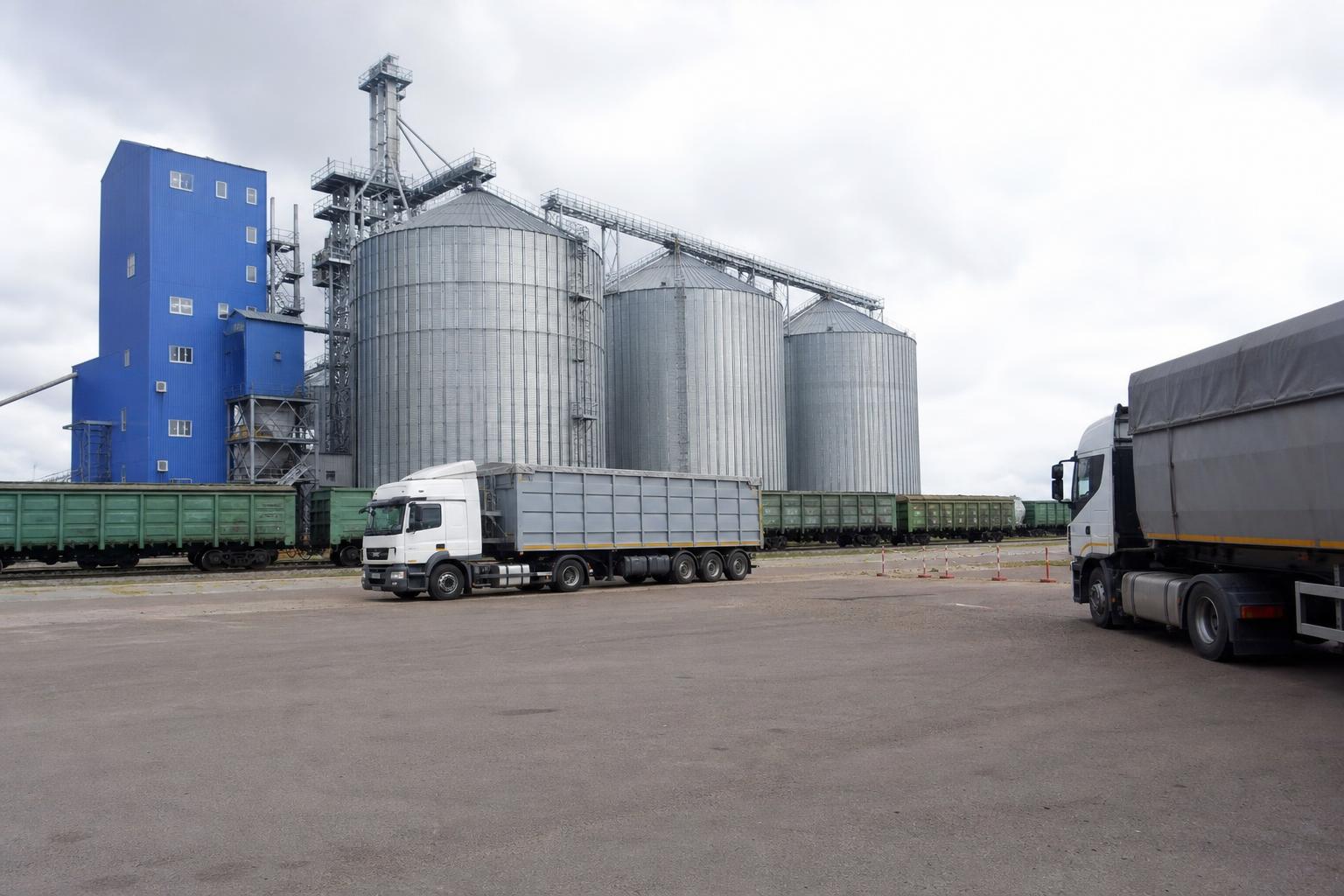
The Ukrainian grain market is entering a period where the price in a deal depends increasingly not only on the quality of the batch but also on access to financing, export routes, and the ability to store grain.
The Ministry of Agrarian Policy and Food announced the preparation of a package of financial measures for agricultural producers amid export disruptions. Simultaneously, the government declares efforts to develop alternative export routes, including through the Danube corridor and land routes.
Financing: What is Being Prepared for Farmers
The Ministry of Agrarian Policy and Food, together with the Ministry of Finance, the Ministry of Economy, the NBU, banks, and relevant agricultural associations, is working on a financial support package for producers.
Among publicly announced measures are extending favorable credit programs under the "5-7-9%" scheme for working capital, utilizing government guarantees, and easing requirements for farmers as borrowers.
The goal of these measures is to enable producers to attract additional funds against the harvested crop, ensuring they do not halt preparations for the autumn sowing and the upcoming spring campaign.
Logistics: Focus Shifts to Alternative Routes
The need for additional solutions arose after the temporary suspension of vessel arrivals to the ports of Greater Odessa due to Russian attacks on civilian ships. For the grain market, this emphasizes the importance of routes that can serve as alternatives to maritime shipping.
Government officials specifically highlight the Danube corridor as a vital component of export logistics. Additionally, maximum utilization of land routes is planned.
According to data announced by the Ministry of Agrarian Policy, over ten new dry ports have been established at Ukraine’s western border during the full-scale war. These are intended to expand capacity for transshipment and export of Ukrainian products.
What Sellers and Buyers of Grain Should Consider
- Sellers should specify not only the crop, volume, and quality indicators in their listings but also available elevators, possible shipment routes, and readiness to work with deferred payments.
- Buyers should clarify whether the seller can quickly deliver to the elevator, railway hub, Danube route, or dry port.
- Elevators should communicate current acceptance, storage, and shipment conditions, as logistical flexibility can influence the speed of deal conclusion.
- Exporters need to account for route changes and shipment timelines during the agreement approval stage.
For platforms like AgroPost, this means grain listings should be as practical as possible: a price without logistical details no longer provides a complete picture for counterparties.
Key Market Takeaways
- Financial support tools are still under development.
- Loans and government guarantees are considered as ways to support farmers’ working capital.
- The Danube corridor and land routes remain critical for exports.
- Dry ports at the western border are becoming an essential part of grain logistics.
- Grain deals require clearer descriptions of routes, timelines, and storage conditions.
What This Means for the Market
In the near future, participants who can quickly confirm financing, product availability, elevator infrastructure, and realistic shipment routes will have an advantage in grain deals. For sellers, this is an opportunity to increase trust in their offers; for buyers, it means faster filtering of risky shipments.
Comments
No comments yetNo comments yet - be the first.