
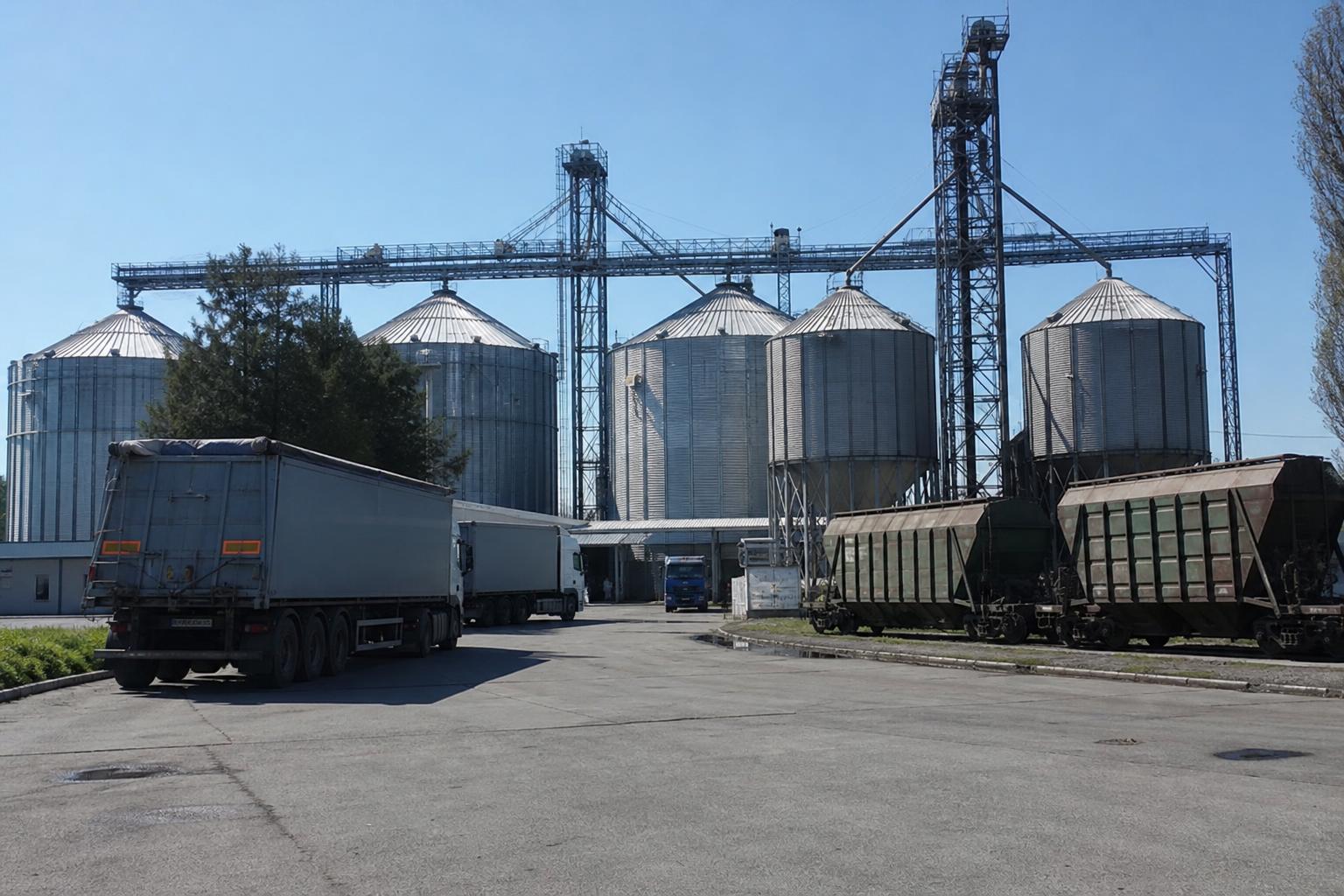
For grain sellers in Ukraine, the key issue once again becomes not only the price of the crop but also the ability to reliably fulfill deliveries. The market responds carefully to any disruptions in the Black Sea region, as logistics fundamentally determine the difference between farmgate, elevator, and export prices.
Current news from the neighboring export segment show that buyers quickly seek alternatives if supplies from the region are delayed. For the grain market, this is a practical signal — negotiations increasingly emphasize basis, shipment deadlines, elevator readiness, and transparent delivery calculations.
Black Sea logistics becomes a trust factor in contracts
Delays in the supply of agricultural products from Ukraine and Russia to India, according to industry media reports, can reach up to 60 days. The example concerns sunflower oil, but for the grain sector, the market signal is crucial: importers evaluate not only the origin of the product but also the risk of timely contract fulfillment.
Indian importers are already redirecting part of their purchases to other markets and alternative vegetable oils. This does not automatically mean a shift to grain, but it demonstrates buyer logic: if the route is unstable, additional risk is factored into the price or a different supplier is sought.
For Ukrainian wheat, corn, and barley sellers, this reinforces the need to clearly specify delivery conditions. Buyers want to see not only volume and quality but also a realistic shipment schedule, grain availability at the elevator, and an understanding of the route.
Transport costs pressure domestic grain prices
The railway component attracts particular attention from the market. Industry assessments already suggest that after freight tariff increases, the cost to deliver a ton of wheat to Constanța could reach $60–70. This is a critical benchmark for producers, as any increase in logistics costs typically impacts the purchase price at the receiving point.
If buyers calculate export prices considering higher transportation costs, elevators and traders will pay closer attention to quality, speed of documentation, and the possibility to form a route without delays. Under such conditions, a seller with confirmed volume and clear storage location has a stronger negotiating position.
For elevators, this means an increased demand for operational efficiency. The market requires quick understanding of remaining stocks, readiness for shipment, grain condition, and the ability to work with multiple buyers, not just a single sales channel.
What grain sellers should consider on AgroPost
- Specify the basis of sale. A price without a clear shipment location becomes less informative for buyers.
- Update available volume data. In unstable logistics, the speed of confirming a batch can influence buyer decisions.
- Provide quality indicators of the grain. For wheat, corn, and barley, this reduces the time for preliminary negotiations.
- Clarify shipment possibilities. Buyers need to understand whether the grain is already at the elevator or requires additional transportation.
- Calculate logistics separately from the product price. This helps preserve margin amid rapid tariff changes or route queues.
Key conclusions for the grain segment
The Ukrainian grain market is entering a period where logistical reliability may be as important as the initial price. Buyers are paying closer attention to timelines, routes, and risks, and sellers should prepare commercial offers with comprehensive practical data.
Elevators remain a vital link between producers and buyers in this situation. Those who quickly confirm quality, volume, and readiness for shipment can compete better even under internal price pressures.
What this means for the market: in the near future, grain deals in Ukraine will increasingly depend on transparent logistics calculations. For sellers on AgroPost, this is an argument to update listings, detail the basis, and demonstrate readiness for actual delivery, while buyers will more quickly find batches with lower operational risk.
Comments
No comments yetNo comments yet - be the first.