
The Ukrainian grain market remains operational, but trading conditions are becoming more detailed and stringent. For sellers and buyers, factors such as price, grade, moisture content, and delivery basis are now complemented by the reliability of shipment, access to drying facilities, and the stability of elevator energy supply.
Recent events surrounding maritime logistics and investments by agribusinesses in energy systems highlight an increasing role of operational risk in grain transactions. This should be considered when planning sales of corn, wheat, and barley through elevators, ports, or internal logistics channels.
Maritime logistics remains a risk factor for grain
On July 19, near Odessa, a civilian commercial vessel flying the flag of Guinea-Bissau was attacked after departing from a Ukrainian port loaded with corn. According to Ukrainian naval sources, the vessel GOLDEN LEO was struck by missiles, resulting in a fire onboard.
According to updated information from the Ukrainian Sea Ports Authority, 10 people died, including a pilot from the State Enterprise "Ukrainian Sea Ports Authority" (USPA). Some crew members were rescued, and two injured individuals were hospitalized in Odessa.
For grain market participants, this does not mean an automatic halt to exports but underscores the importance of careful planning regarding vessel shipments, transportation schedules, insurance, documentation, and contingency scenarios for loading.
Elevators are revising their energy supply approaches
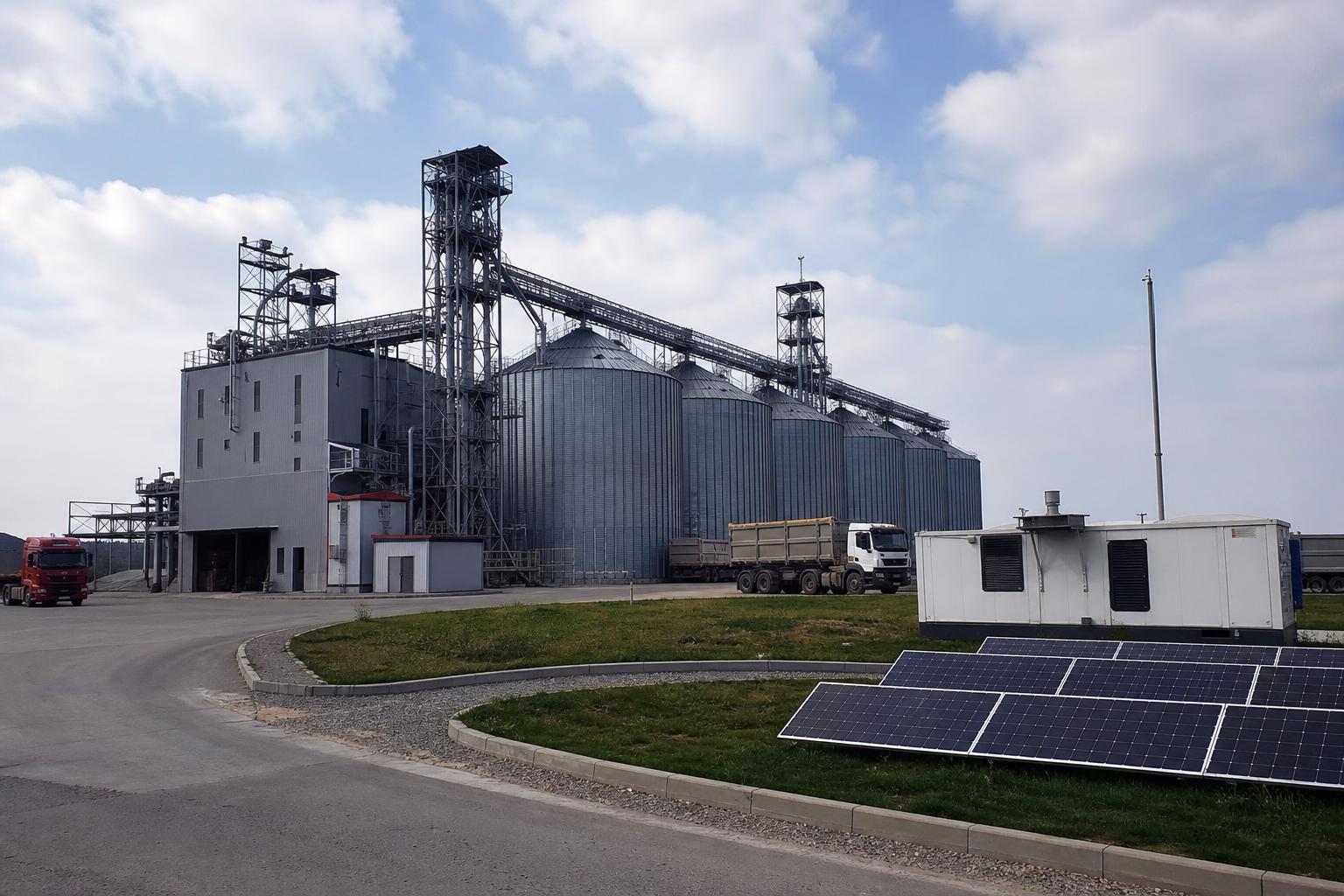
At the same time, agribusinesses are increasingly shifting from standalone generators to integrated energy supply systems. Such solutions may combine solar generation, energy storage, and backup power sources.
The most vulnerable facilities include elevators, grain drying complexes, processing plants, irrigation systems, and other objects with high peak consumption. Critical periods for the grain sector remain drying, harvest acceptance, transshipment, and product cooling.
Market participants estimate that, depending on the system configuration, investments can pay off in less than two years. Approximately 60–70% of costs are attributed to equipment, with the remaining 30–40% covering energy audits, design, installation, commissioning, and ongoing maintenance.
What sellers and buyers of grain should consider
- For grain sellers: before concluding a deal, clarify the availability of drying services, acceptance schedules, storage options, and actual shipment timelines from the elevator.
- For buyers: verify whether the shipment is documented, stored at a confirmed elevator, and whether there are any restrictions on shipment.
- For elevators: energy resilience becomes a competitive advantage, especially during peak season periods when delays in drying or acceptance directly impact turnover.
- For traders: contracts should carefully specify deadlines, responsibilities for downtime, conditions for changing logistics routes, and procedures in case of force majeure risks.
Key takeaway for deals on AgroPost
Grain sale announcements are stronger when they include not only crop, volume, and price but also specifics: storage elevator or region, quality indicators, self-pickup or delivery conditions, drying availability, and preferred settlement timelines.
For buyers, such details reduce the time needed to verify the shipment. For sellers, they increase trustworthiness and help quickly find counterparties willing to work with specific logistics and bases.
What this means for the market: In Ukraine's grain sector, the ability to fulfill a deal on time, along with elevator energy resilience, logistics risk control, and transparent delivery terms, are becoming practical negotiation factors beyond just exchange or procurement prices.
Comments
No comments yetNo comments yet - be the first.