
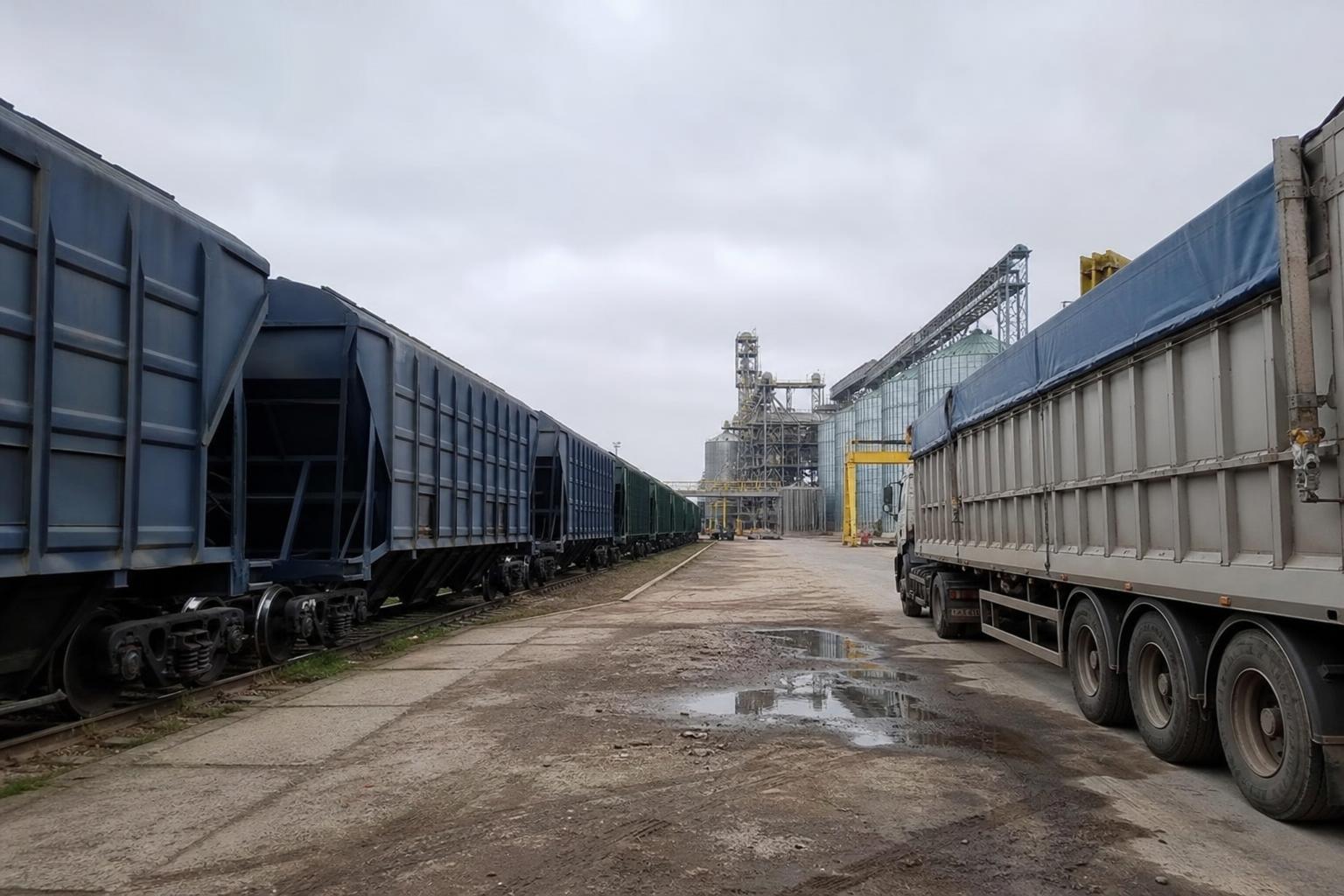
Logistics costs are an important part of calculating the price of a shipment, especially when the buyer and seller need to agree separately on the cost of the product and its delivery. In November, the rate for using Ukrzaliznytsia grain wagons is rising, while market participants are also drawing attention to the situation with road freight.
For agribusinesses, this is a reason to clarify the route, delivery method and who will arrange transport before signing a deal.
Ukrzaliznytsia grain wagons: November rate
According to published data, the fee for using a Ukrzaliznytsia grain wagon will be UAH 3,771 per day, excluding VAT, in November. This is UAH 400 more than in October, when the rate was UAH 3,371 per day, excluding VAT.
This is the fee for using the wagon only. When calculating the full cost of rail transport, sellers and buyers should check separately which other charges apply to the specific route and shipment.
Road delivery: producers factor in carrier availability
A representative of Dunaiskyi Ahrarii said the company was facing difficulties with international transport. He cited diesel prices and the number of available drivers as contributing factors. According to him, domestic freight rates have also risen, making it potentially more profitable for local carriers to operate on domestic routes.
The company is considering handling some shipments with its own fleet and is planning a logistics chain from the field to the end consumer. This is an example of one producer’s approach, not a universal recommendation for every farm.
What to agree on before selling or buying
- Specify who is responsible for delivery: whether the seller arranges transport, the buyer collects the goods, or the parties agree on another option.
- Compare offers based on the total cost: clarify exactly what the carrier’s rate includes and whether the terms suit the required route.
- Check timing and transport availability: especially if the shipment depends on the availability of railcars, trucks or drivers.
- Separate the product price from logistics costs in the agreement: this makes it easier for buyers and sellers to compare offers on AgroPost and agree on clear terms.
What this means for the market: the November grain wagon rate adds another variable to rail shipment planning, while the producer’s comments on road freight highlight the importance of checking delivery availability and costs in advance. A practical step for sellers and buyers is to agree on logistics alongside the price, volume and delivery schedule, rather than leaving it until the goods are ready to ship.
Comments
No comments yetNo comments yet - be the first.