
Ukrainian grain exporters are looking for ways to improve returns on sales and secure deliveries to foreign markets. One option is to sell directly to a foreign buyer while arranging transportation, transshipment and cargo handling separately.
However, a higher sale price does not guarantee higher net income: the outcome depends on logistics costs, payment terms and the characteristics of the specific lot.
Direct wheat shipment to Egypt
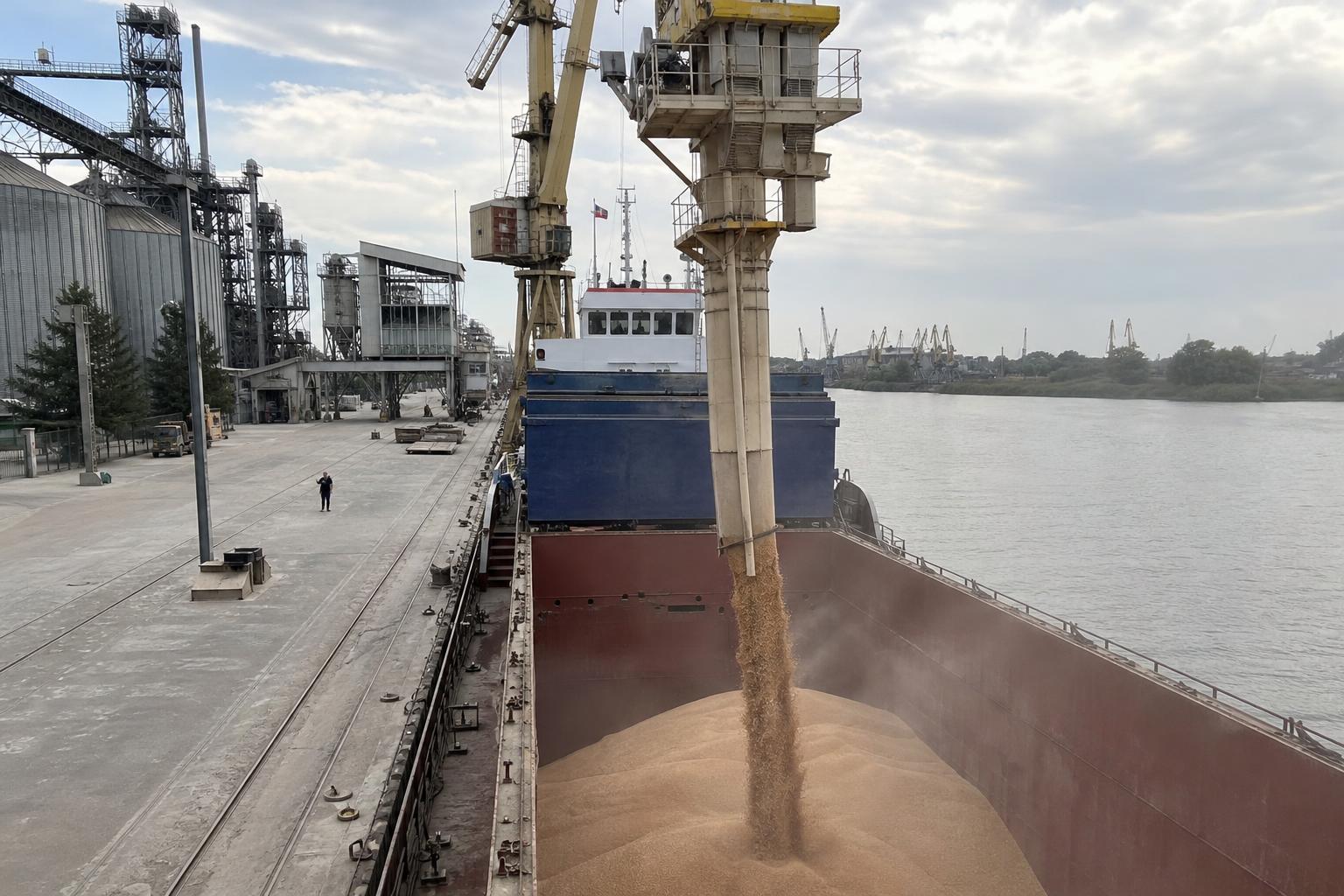
Ukrainian company POLETECHNIKA shipped 7,000 tonnes of wheat from Danube ports to the Egyptian port of Abu Qir and sold the grain directly to local companies that operate their own mills.
According to the source, the deal delivered a result $6/t better than a sale on FOB terms and $15/t better than on CPT terms. INBULK teams in Ukraine and Egypt handled the transportation and shipment support.
What logistics support includes
For this shipment, the company arranged transportation, storage, port transshipment, freight, quality inspection, insurance and document preparation. The Egyptian team also handled buyer requirements and local import and unloading procedures.
This scope of work shows that direct exports require coordination beyond transportation alone. Sellers need to determine in advance who is responsible for each stage and which costs are included in the offer to the buyer.
Partner networks and alternative routes
Another example of logistics adaptation is NIBULON’s operations. According to the company, nearly 3,900 farms worked with it in the 2026/27 marketing year. That was approximately 15% more than a year earlier, when the company had around 3,400 partners.
The company attributes the revival of cooperation with farmers to changes in its trading model and logistics, the development of alternative export routes and digital capabilities. These changes matter to producers who need access to sales channels, grain intake and storage.
What to check before signing a deal
- Compare not only the sale price but also the full cost of delivery, transshipment, insurance and shipment support.
- Confirm payment deadlines and procedures, as well as the buyer’s quality and documentation requirements.
- Assess separately whether the lot is suitable for the route: the possibility of combining smaller volumes depends on grain quality, storage location, available volume and logistics costs.
What this means for the market: direct exports can deliver a better result for the seller, but the figures from an individual deal are neither a universal rate nor a guarantee of a premium. For buyers and sellers on AgroPost, the practical benchmark is to compare offers based on total logistics costs and delivery and payment terms—not just the grain price.
Comments
No comments yetNo comments yet - be the first.