
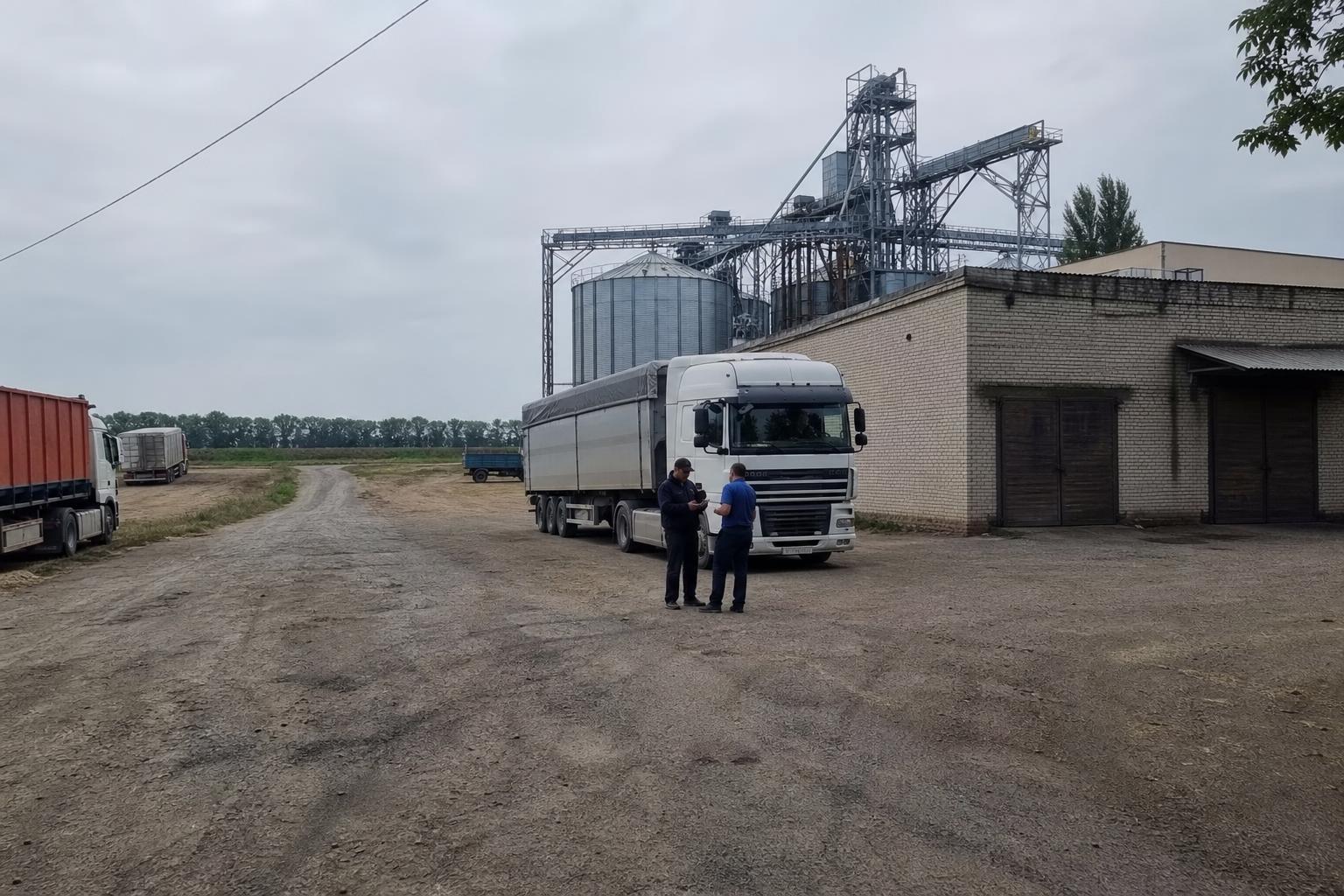
Agricultural logistics in Ukraine remains one of the main practical issues for producers, traders, processors, and buyers of agricultural products. Against the backdrop of risks to warehouses, transport infrastructure, and border crossing points, the market is increasingly shifting from centralized schemes to more flexible delivery models.
For trading participants, this means a simple fact: the price of a product without specifying delivery conditions no longer provides a complete picture. Agreements should be compared not only by hryvnias or dollars per ton but also by route, delivery basis, shipment timing, and parties’ responsibilities.
Logistics shifts from cost to price factor
According to industry reports, previously, the logistics component in the production cost of food products up to the shelf was estimated at 23–30%. Now, for part of the market, logistics increasingly determines the final price.
The reason is not only fuel costs or transportation tariffs. Factors such as warehouse availability, route stability, downtime risks, overload safety, the ability to quickly change delivery directions, and batch size are also significant.
For sellers, this means that offers "from stock" and "with delivery" can differ significantly in economics. For buyers, a cheaper product price is not always more advantageous if transportation costs, waiting times, or rerouting expenses outweigh the difference.
Decentralized delivery: less dependence on a single node
The market is gradually moving toward more decentralized logistics. Instead of concentrating large volumes in one warehouse or on one route, companies are exploring options with multiple storage points, shorter delivery legs, and backup routes.
While this approach may be more complex administratively, it reduces dependence on a single logistics hub. For seasonal agricultural products, this is especially important: transportation delays or route changes can affect quality, sale deadlines, and cash flow turnover.
Practical advice for AgroPost listings: sellers should immediately specify the region, available loading types, minimum batch size, possibility of self-pickup or delivery. Buyers should clarify not only the price but also the actual shipment point and the seller’s readiness to work with carriers.
Delivery basis becomes a key condition of the agreement
Current market reports on agricultural products show that prices are increasingly quoted with reference to delivery terms: CPT or DAP. This is important for logistics because such prices already include different delivery obligations.
For example, sunflower prices from processors were indicated on CPT terms, as well as port prices and prices to the western border on DAP terms. For logistical planning, this signals that comparing such prices directly without considering routes and responsibilities is incorrect.
In practice, this means that in an advertisement or commercial proposal, it is advisable to immediately specify the basis. Phrases like "price from the place," "price with delivery to the buyer’s warehouse," or "price at the border" have different economics for both parties.
What to check before agreeing on transportation
- Loading and unloading points. The settlement, warehouse, elevator, or farm must be specified before finalizing the price.
- Type of transport. Grain truck, tarp, refrigerator, or other transport affects tariffs and route availability.
- Batch size. Small batches may have higher logistics costs per ton.
- Loading schedule. Downtimes, queues, and time restrictions should be discussed in advance.
- Risk responsibility. Payment terms, insurance, rerouting, and delays should be clear to both seller and buyer.
For marketplaces, this is especially important: the more precisely logistics conditions are described in the listing, the less time parties spend on clarifications, and the more realistic the quoted price becomes.
What this means for the market. Ukrainian agricultural logistics is becoming not just a post-sale service but an integral part of the transaction itself. Sellers should account for delivery costs before setting prices, and buyers should compare offers considering routes, delivery basis, and transportation costs. On AgroPost, listings that specify logistics details—where, where to, by which batch, and under what conditions—will be more successful.
Comments
No comments yetNo comments yet - be the first.