
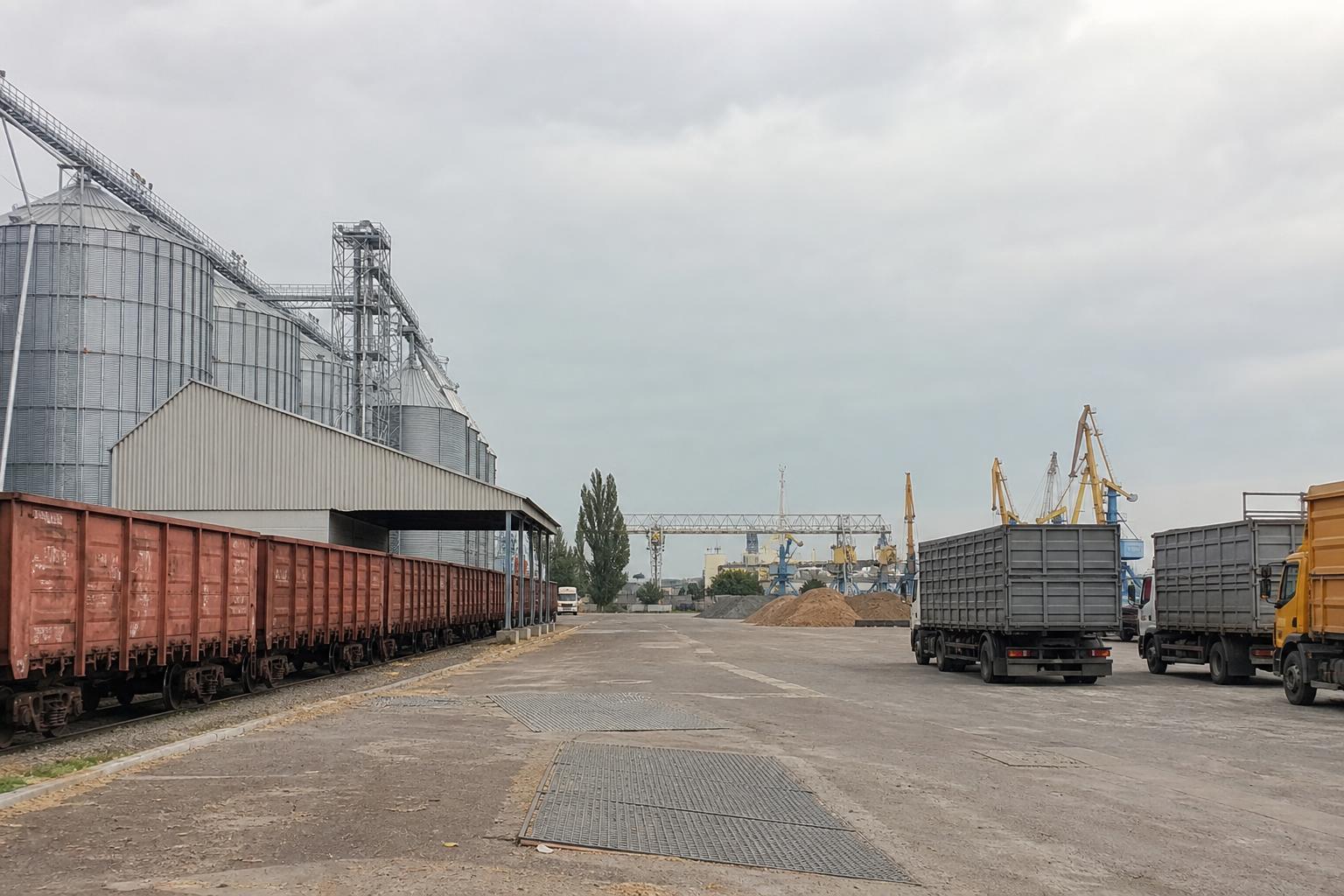
The Ukrainian grain market is entering a new season with ongoing attention to port logistics. For grain sellers, elevators, and traders, access to maritime routes remains one of the main factors influencing prices based on farm and elevator basis.
Against this backdrop, the news about the participation of international and Ukrainian players in the competitive dialogue for the concession of the container terminal at Chornomorsk port is significant not only for the container segment. It demonstrates that major operators view Ukrainian ports as a long-term operational platform even amid military risks.
What is known about the Chornomorsk tender
APM Terminals, Yilport, the Mariner–TAS consortium, and the Abu Dhabi Ports and SKF Holdings UK consortium have been admitted to the competitive dialogue stage for the Chornomorsk container terminal.
According to government representatives, the concession project is part of a broader portfolio of public-private partnerships in transport, port infrastructure, roads, municipal services, and water management sectors.
It was also mentioned that implementing the project could create around one thousand jobs and generate over $1 billion in budget revenues. For the market, it is important to view these estimates as declared expectations rather than already achieved results.
Why this matters for grain and elevators
The container terminal is not a traditional grain transshipment asset. However, any large port project in Chornomorsk influences the overall logistics environment: access infrastructure, competition for cargo flows, service quality, and investment expectations.
For elevators and grain sellers, this means that when planning sales, they should consider not only current purchase prices but also route availability to ports, processing speed, port congestion, and transportation costs.
The most practical takeaway for market participants is that port logistics remains a factor that can either amplify or reduce the gap between farm gate prices and export basis prices.
What grain sellers should pay attention to
- Basis of delivery. Before concluding a deal, compare offers on FOB terms, elevator delivery, and port delivery options.
- Logistical leverage. Even with attractive purchase prices, additional transportation costs can reduce seller margins.
- Counterparty reliability. During active export periods, it is crucial to verify not only the price but also the buyer’s ability to timely pick up the shipment and make payments.
- Quality and documentation. For export-oriented shipments, quality indicators, proper warehouse documentation, and transparent storage history remain critical.
Working capital financing remains part of the grain strategy
A separate signal for the agro sector is the approval by the Antimonopoly Committee of Ukraine (AMC) for Crédit Agricole Bank to acquire control over Lviv Bank. Reports indicate that Lviv Bank works with small and medium-sized businesses, including those in agriculture, and Crédit Agricole plans to strengthen cooperation with small farmers and agricultural producers.
For the grain market, this is important in terms of working capital. Access to credit can influence producers’ decisions: whether to sell grain immediately after harvest, hold it at the elevator, or finance post-harvest activities and logistics for better price windows.
Key conclusions for AgroPost
- The interest of major port operators in Chornomorsk is a positive infrastructural signal but does not imply immediate price changes for grain.
- Producers should consider the full economics of deals: price minus transportation, storage, processing, and timing risks.
- Grain buyers should communicate logistics conditions, shipment schedules, and quality requirements in advance.
- Elevators should enhance service quality: faster acceptance, transparent tariffs, reliable storage, and clear documentation procedures.
Implications for the market: Grain trading in Ukraine increasingly depends on a combination of price, logistics, and financing. For AgroPost participants, this underscores the importance of actively comparing offers, fixing delivery terms, and choosing partners based not only on the highest price but also on their ability to fulfill agreements on time.
Comments
No comments yetNo comments yet - be the first.