
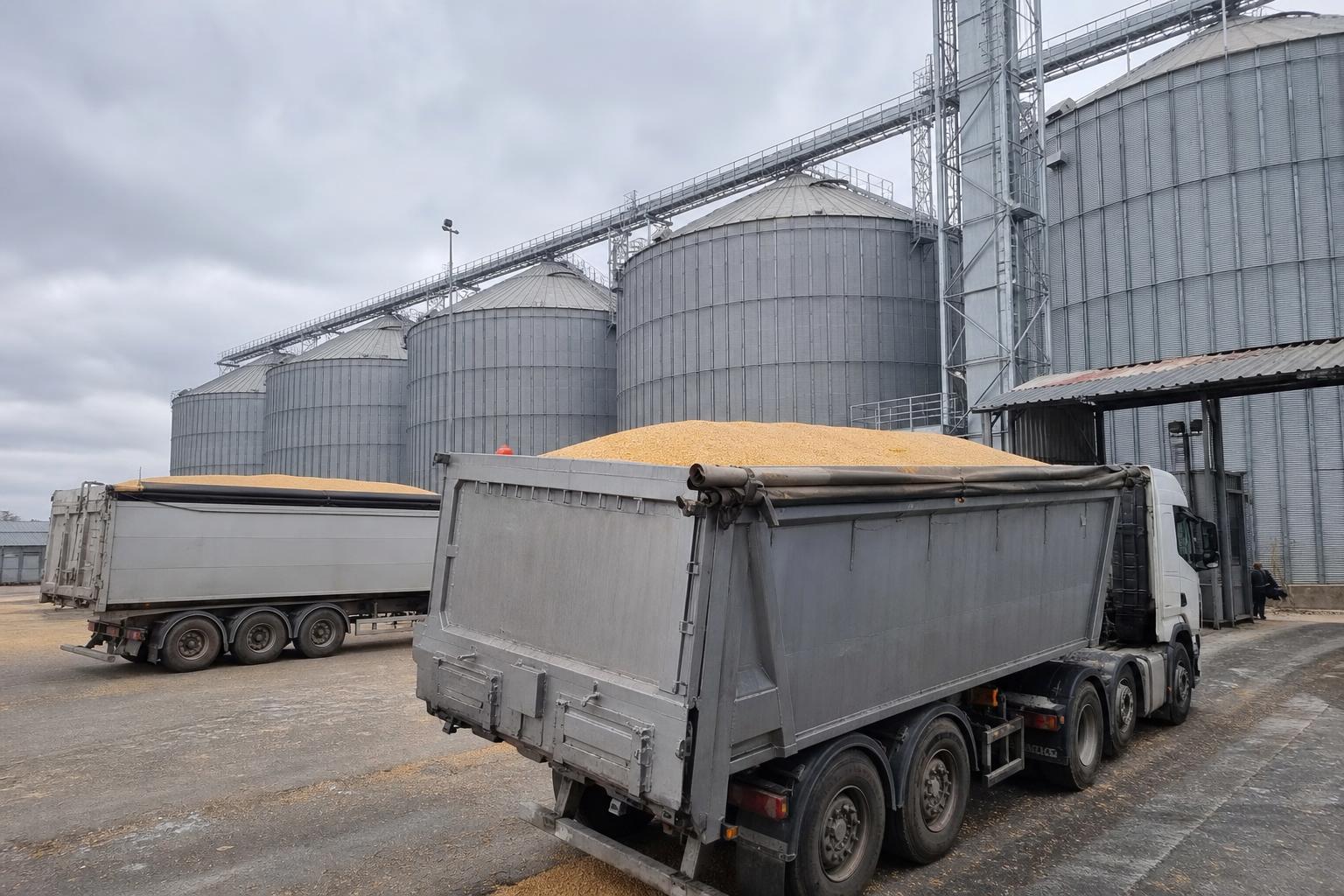
The grain market in Ukraine is entering a period where corn prices are increasingly influenced not only by domestic supply but also by importer behavior, global market competition, and logistical conditions.
According to market analysts, last week Ukrainian corn prices noticeably dropped: on the DAP port basis, it was valued at $217/ton, and on FCA at the western border — €193/ton. For sellers, this means a need to quickly compare available sales channels, while buyers should carefully monitor the optimal entry point for purchases.
Corn Prices Fall Due to Weak Demand and Strong Competition
The main pressure factor has been reduced activity among buyers. Turkey, a key destination for Ukrainian corn, decreased its purchasing interest amid available cheaper grain supplies from Latin America.
Additional pressure comes from old crop residues. Some farmers have intensified sales, and traders aim to unload accumulated stocks, increasing competition among sellers.
On the international market, Ukrainian corn also faces tough price comparisons. Market reports indicate that Egypt continues to purchase Latin American grain, which currently successfully competes with Ukrainian products.
Implications for Elevators and Grain Owners
For elevators, the situation with lower prices may increase the importance of service quality: rapid acceptance, processing, forming uniform batches, and flexible dispatching become more critical for sellers.
Grain owners should consider not only the port or border price but also the full economics of the batch: storage costs, drying, processing, transportation, and the time until actual payment.
On the AgroPost marketplace, under these conditions, sellers are advised to specify delivery basis, quality indicators, available volume, and readiness for quick dispatch in detail. This reduces the time buyers spend verifying offers and helps them compare batches more efficiently.
Export Infrastructure Remains a Key Advantage
Despite price pressures, large Ukrainian exporters continue to play a significant role in foreign trade. By the end of 2025, NIBULON sold products worth UAH 24.6 billion on international markets, ranking seventh among Ukrainian exporters according to NV.
The company operates a network of 27 elevator complexes, a railway fleet, and its own shipping fleet. This demonstrates that access to storage, logistics, and export channels remains a critical factor in the competitiveness of Ukrainian grain.
Collectively, the top 30 Ukrainian exporters generated approximately UAH 635 billion in foreign trade revenues, accounting for nearly 40% of the country's commodity exports. The agricultural sector continues to be a key source of foreign currency inflows.
New Markets: Grain Exports Are About More Than Raw Material
In the first half of 2026, Ukraine opened 23 new markets or agreed on new export conditions. An important signal is the approval of Ukrainian flour exports to China.
This does not immediately affect the corn balance but highlights a broader trend: export value can be formed not only through raw grain sales but also through processing. For millers, traders, and grain suppliers, this is a direction worth monitoring separately.
Key Takeaways for Market Participants
- Corn sellers should promptly compare DAP, FCA, and domestic offers, rather than focusing on a single price point.
- Elevators should emphasize service quality, quick dispatch, and transparent storage conditions.
- Buyers need to verify not only the price but also batch quality, basis, logistics, and the seller’s actual readiness to deliver.
- Processors should monitor the opening of new export routes for value-added products, particularly flour.
What this means for the market: Ukrainian corn remains a competitive commodity, but in the short term, prices will depend on importer activity, old crop residues, and competition from other origins. For AgroPost participants, the practical priority is to quickly update offers, clearly specify delivery conditions, and work on batch quality.
Comments
No comments yetNo comments yet - be the first.