
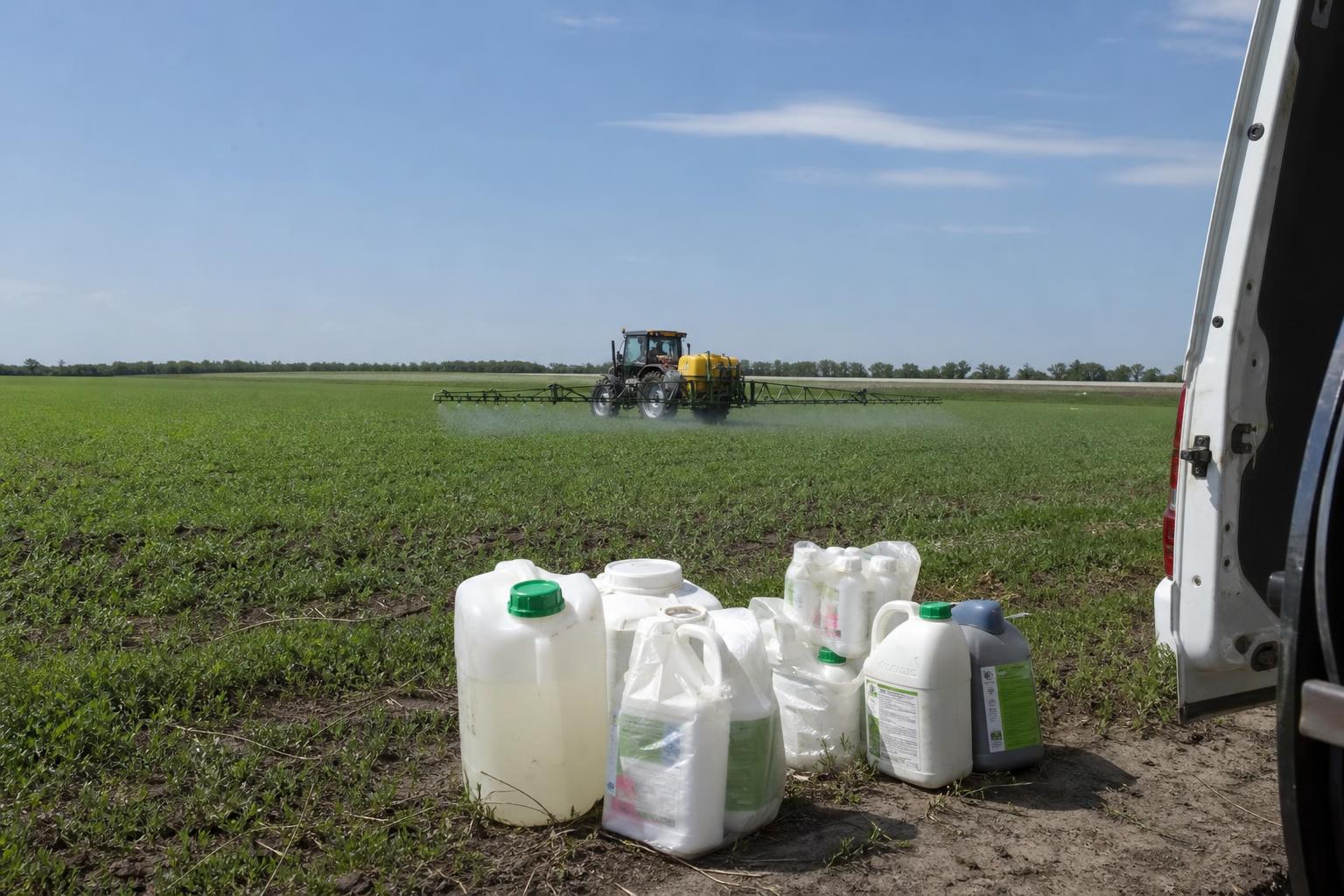
The start of a new marketing cycle for cereals and oilseeds sets a practical backdrop for the crop protection market. Farmers are now assessing not only crop prices but also future expenses for the upcoming season’s technology.
For sellers and buyers on AgroPost, this is a period when it’s advisable to more clearly segment crop protection proposals: separately for rapeseed, corn, soybeans, cereals, and post-harvest treatments. Demand will depend not on general expectations but on specific crops, delivery timelines, and the willingness of farms to finance protection measures.
Rapeseed: export rules are changing, but technological solutions remain critical
Since July 1, Ukraine has implemented a new procedure for customs clearance of rapeseed exports. According to reports, producers are no longer required to submit expert opinions from chambers of commerce and industry to confirm exemption from export duties.
Instead, farmers and cooperatives must undergo state verification. Similar changes are expected for soybeans starting September 1, 2026.
For the crop protection market, this is important as context for planning under oilseed crops. If a farm considers rapeseed or soy as export-oriented crops, procurement of seed treatments, herbicides, and fungicides should be coordinated with the production plan, documentation readiness, and cash flow forecasts.
Corn: transitioning to the new harvest influences procurement discipline
The Ukrainian corn market is actively moving toward trading the new harvest. According to brokerage market data, the price of old-crop corn on CPT Odessa basis decreased by $5 over the week — to $212/ton.
Indicative prices for new-crop corn remained at $205–206/ton CPT port and €185–188/ton FCA Chop, with delivery in November-December. In the first 25 days of June, Ukraine exported 1.62 million tons of corn.
For crop protection buyers, this means budgeting not only for current treatments but also for the next technological plan. For sellers, it offers an opportunity to structure proposals by timelines: separately for post-emergence herbicides, fungicide treatments, desiccation, and preparations for the new season.
Logistics and large grain volumes: why this matters for crop protection suppliers
Major agricultural operators are summarizing the season with multimillion-ton grain volumes in trading, transportation, and elevator operations. One large market participant reported accumulating 1.6 million tons of grain in trading divisions, over 2 million tons of transported grain, and 1.3 million tons received and shipped by elevators.
While these figures do not directly predict pesticide demand, they illustrate the scale of commodity movement in the market. Crop protection suppliers should consider that buyers increasingly evaluate not only the price but also availability, delivery speed, packaging, documentation, and the ability to meet specific crop needs.
What crop protection buyers should check on AgroPost
- Crop and application stage. Do not purchase a product based solely on active ingredient without verifying the application regulations.
- Documents. Check registration, labeling, batch number, and storage conditions.
- Delivery timeline. Especially for herbicides and fungicides, where delays can reduce treatment effectiveness.
- Compatibility in tank mixes. Clarify recommendations before purchase, not after delivery.
- Financial planning. Link crop protection procurement to the actual harvest sales schedule and expected cash inflows.
Implications for the market: The crop protection sector is entering a more selective demand period. Buyers will seek not just cheap crop protection products but clear solutions tailored to rapeseed, corn, soy, and cereals with confirmed availability. Sellers on AgroPost should update product listings, clearly specify crop, purpose, packaging, documentation, and delivery conditions.
Comments
No comments yetNo comments yet - be the first.