
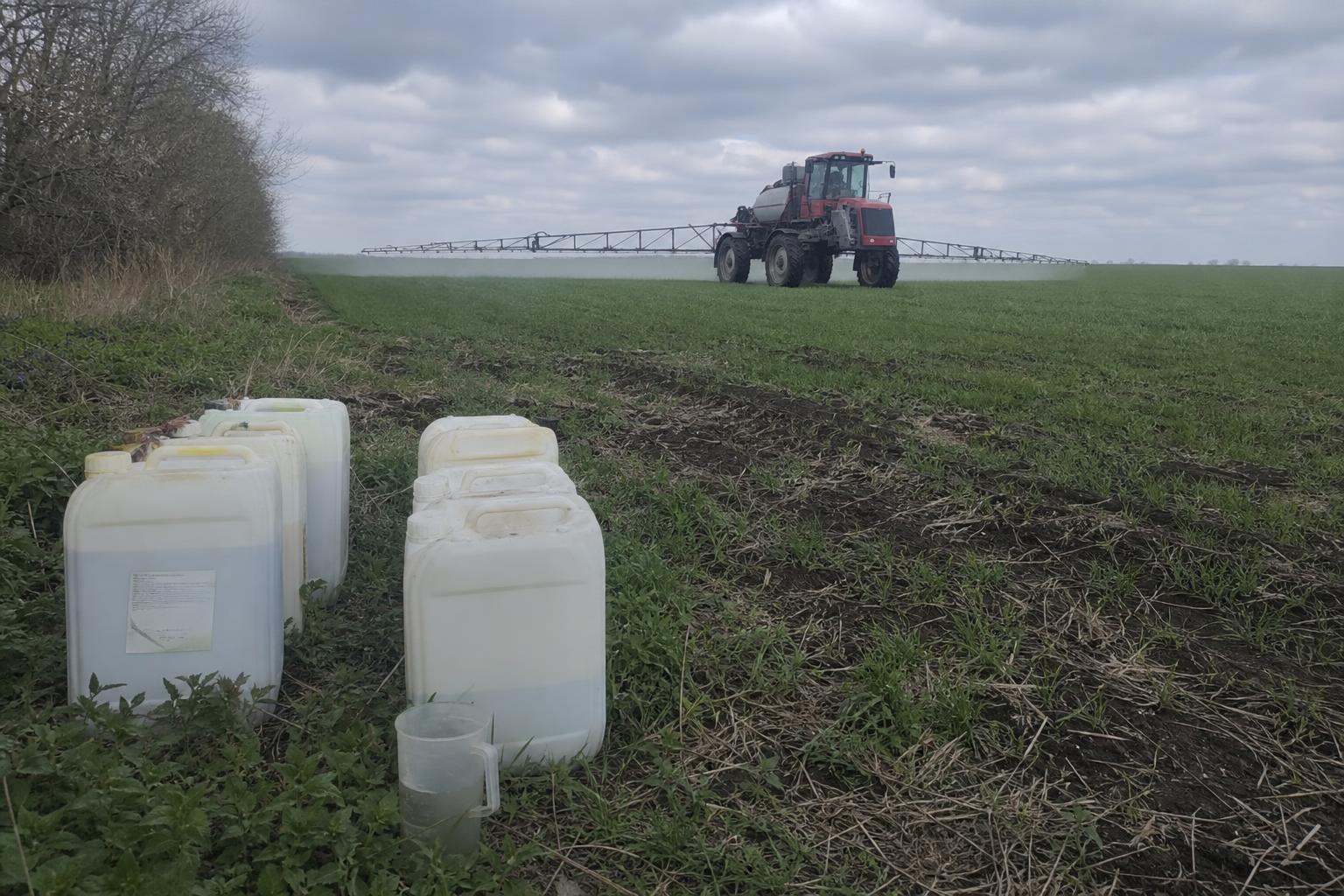
The plant protection market in Ukraine is entering a period when purchasing decisions increasingly depend on the overall financial and logistical situation within farms. For buyers of herbicides, fungicides, and insecticides, it is crucial not only to find the lowest price but also to ensure timely delivery and compliance with declared specifications.
Uncertainty factors persist in the agricultural market: some producers in frontline regions require additional solutions for harvest storage, while exporters face challenges with contract formalization due to minimal export prices. While not directly statistical about crop protection products, these factors create a practical background for managing working capital planning in farms.
What is Currently Important for Crop Protection Buyers
Buyers of plant protection products should start by clarifying their needs based on crop types, growth stages, and the actual condition of fields. This is especially relevant for herbicide and fungicide schemes, where delays in application can reduce effectiveness even of high-quality products.
When purchasing through a marketplace or direct contact with a seller, it is advisable to immediately verify the product form, active ingredient, application rate, packaging, stock availability, and possible shipment timelines. For farms with multiple production sites, delivery should be coordinated separately for each location.
- Herbicides: check compatibility with crop type, growth stage, and previous treatments.
- Fungicides: clarify the spectrum of action and the appropriateness of preventive or therapeutic application.
- Insecticides: base decisions on pest monitoring rather than only calendar timing.
- Seed treatments: reserve necessary quantities in advance for seed material.
Documents and Reliable Supply Become Part of the Price
For crop protection products, it is critically important to work with legal products and transparent suppliers. An agreement without proper documentation can pose risks to the farm: from quality issues to claims during inspections.
On the broader market, government authorities continue to focus on tax discipline within businesses. For the agro-sector, this is an additional signal: when purchasing crop protection products, it is better to choose sellers who can confirm the origin of the product, provide invoices, dispatch documents, and proper payment terms.
For sellers on AgroPost, this means that listings with clear information about the manufacturer, packaging, batch, stock, and documents will gain greater trust among farmers. In the plant protection category, buyers typically compare not only price but also risks.
Financial Planning: Crop Protection Products Compete with Other Seasonal Expenses
According to industry sources, farmers in nine frontline regions submitted 2,319 applications for 13,881 grain storage bags for temporary storage of harvest. One bag is approximately designed for 200 tons, and the total declared need corresponds to about 2.8 million tons of storage capacity for grains and oilseeds.
This means that part of the working capital may be allocated not only for field operations but also for storage, logistics, and post-harvest infrastructure. Therefore, herbicide, fungicide, and seed treatment purchases should be prioritized: what is urgently needed, what can be reserved, and what is best to buy closer to application time.
An additional risk factor relates to product sales. In September, industry participants reported discrepancies between some minimum export prices and actual contract prices, and the Ministry of Agrarian Policy was preparing adjustments for upcoming months. For crop protection procurement, this is more a signal to monitor cash flow carefully rather than a reason to delay necessary treatments.
Key Takeaways for AgroPost
- Crop protection buyers should inquire not only about price but also about documentation, availability, shipment timelines, and payment conditions.
- Sellers of herbicides, fungicides, and seed treatments should provide detailed listings: active ingredients, packaging, manufacturer, stock, and region of storage.
- Farms in regions with logistical challenges should plan crop protection supplies with a time buffer.
- Procurements should be aligned with the seasonal financial plan, especially if there are parallel expenses for storage or harvest logistics.
Implication for the market: In the plant protection category, demand is increasingly shifting toward trusted offers with transparent delivery conditions. For buyers on AgroPost, the main advantage is quickly comparing options and asking practical questions before concluding a deal. For sellers, it is about demonstrating product transparency and readiness to meet the real needs of agricultural producers.
Comments
No comments yetNo comments yet - be the first.