
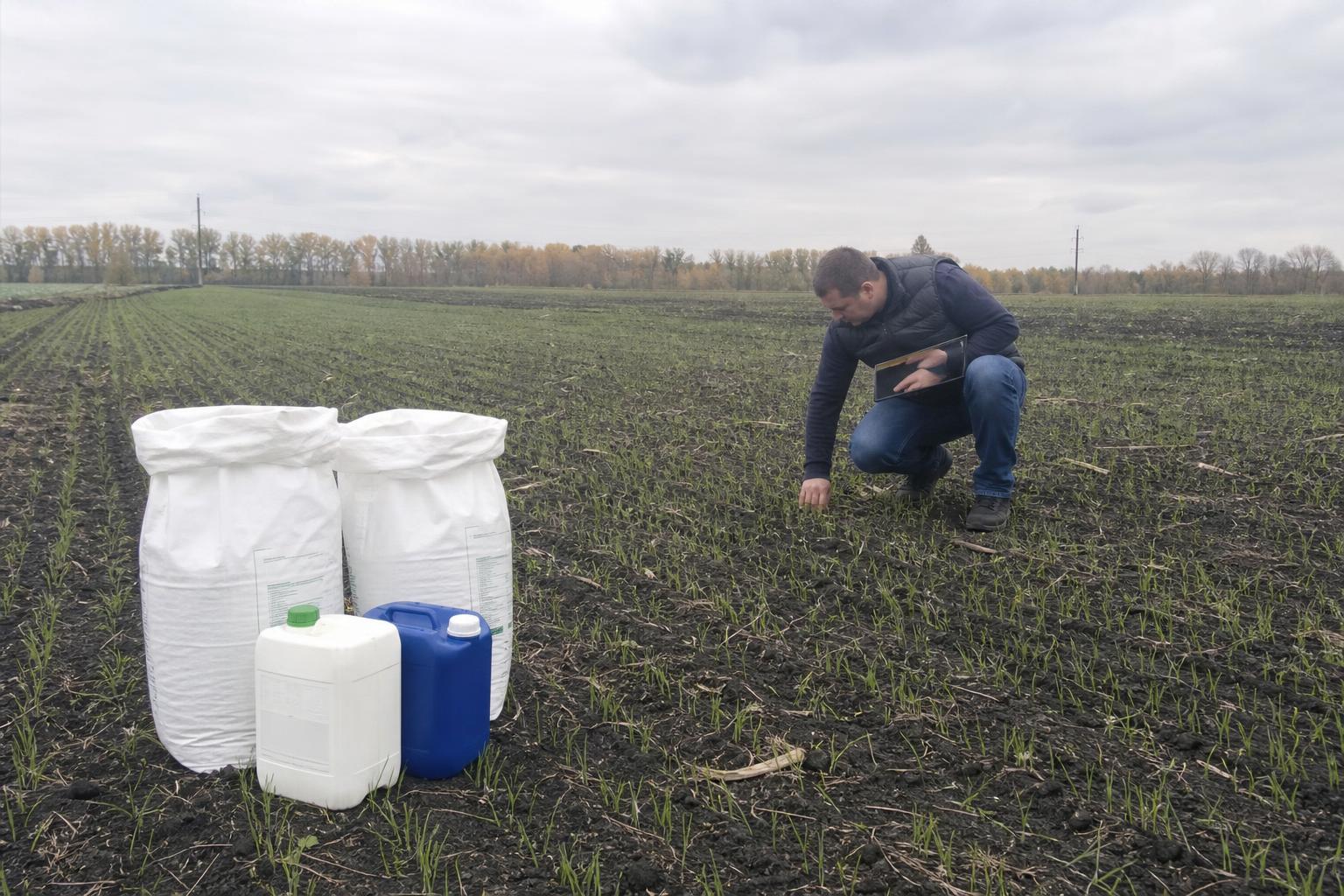
Autumn initiation of winter cereals traditionally drives demand for seed treatments, as this stage ensures uniform sowing and healthy initial plant development.
According to industry experts, farmers increasingly consider comprehensive insecto-fungicidal solutions that simultaneously combat seed and soil-borne diseases, as well as early pests.
Why seed treatment remains a critical protection step
For winter cereals, protection during germination and seedling emergence is crucial. During this period, plants have limited resilience, and losses in stand density or uneven emergence can complicate subsequent crop management.
Combined seed treatments appeal to farmers because they provide integrated control of diseases and pests within a single technological solution. This reduces the need to select multiple products separately and to verify the compatibility of active ingredients in tank mixes.
What risks are addressed by the insecto-fungicidal approach
In the winter cereals segment, the primary focus during seed treatment is on controlling smut, root rots, septoria, and powdery mildew. These diseases can manifest early or impact initial crop development.
The insecticidal component of the seed treatment is necessary to protect seeds and young seedlings from soil-borne and early post-emergence pests. Target pests include cereal wireworms, root maggots, cereal flies, bread beetles, aphids, and cicadas.
Suppliers also emphasize the combination of different modes of action. This approach is promoted as a tool to reduce the risk of resistance development in pests and pathogens, but specific schemes should be tailored based on crop type, field conditions, and registration regulations.
Market example: composition and positioning
An example of a seed treatment solution for winter cereals on the market is Ukravit’s insecto-fungicidal seed treatment Bramkar. Its declared composition includes fluopyram, prothioconazole, tebuconazole, and thiamethoxam.
According to the company, the fungicidal component targets smut, root rots, septoria, and powdery mildew, while the insecticidal part protects against early pests of seeds and seedlings. It is also noted that the product does not have a retarding effect on plants.
For AgroPost buyers, this means that when selecting a seed treatment, it is important to inquire not only about the product name but also about the active ingredients, control spectrum, application rates, crop registration, and seed treatment requirements.
Microfertilizers and amino acids: additional focus at the start
A separate demand segment is formed by products for early crop development—microfertilizers and amino acid solutions, which are applied together with seed treatments if compatible.
An example provided is the comprehensive microfertilizer Avantgarde Start, with a recommended rate of 1 liter per ton of seed material. The goal of this combination is to support germination energy, root system development, above-ground growth, and sugar accumulation before wintering.
For sellers, this offers an opportunity to present not just individual products but a complete technological package: seed treatment, starter fertilizer, compatibility consultation, and recommendations for seed processing quality.
Key market insights
- Demand within the crop protection category for winter cereals centers around comprehensive insecto-fungicidal seed treatments.
- Buyers should compare products based on active ingredients, control spectrum, and registration regulations, rather than solely on price per liter.
- Sellers should specify in listings the crop, target diseases and pests, packaging, documentation, and advisory support.
- Microfertilizers and amino acids can be sold as additional elements of the seed treatment technology but require compatibility checks with specific products.
Implications for the market: In the near future, the demand for seed protection products for winter cereals on AgroPost is expected to increase for seed treatments, insecto-fungicidal solutions, and starter additives. The most effective proposals will include clear descriptions of control spectrum, application regulations, and verified stock availability.
Comments
No comments yetNo comments yet - be the first.