
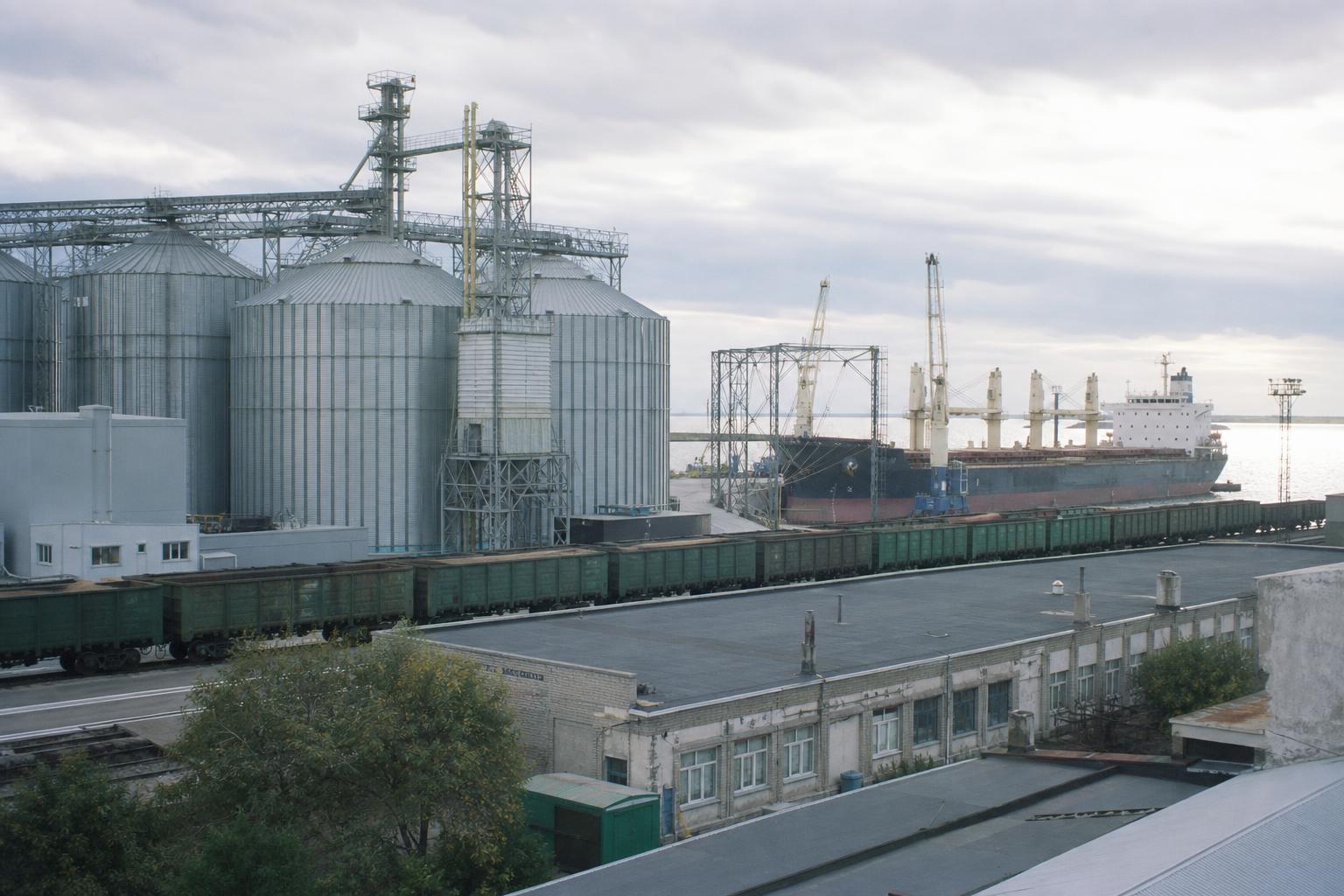
The Ukrainian grain market is entering a period when logistical discipline becomes just as important as contract prices. For exporters, elevators, and grain buyers, the key factor remains the continuity of maritime shipments and compliance with international standards.
One practical change is the update to the International Code of Safe Grain Transportation. IMO amendments are already in effect for new vessels, while existing fleets may require additional calculations if using the new loading method.
What has changed in grain loading regulations
The International Maritime Organization has approved amendments to the rules for bulk grain transportation. They describe a new loading option: a specially adapted cargo compartment can be partially filled near the hatch opening without a coaming at the ends of the hold.
Implementing this approach requires separate calculations regarding potential grain shifting and its impact on the vessel’s stability. This concerns not the quality of the grain but the safe placement scheme within the holds.
The amendments came into force on January 1, 2026, and apply to new ships laid down on or after this date. For vessels already operating and using this type of loading, an addendum to the existing stability information may be necessary.
Why this matters for elevators and traders
In practice, these new requirements can affect voyage planning, loading scheme approval, and vessel documentation. If shipowners or operators lack updated calculations, it could complicate or delay cargo acceptance.
Elevators working with export batches should proactively verify with logistics partners whether the vessel complies with the chosen loading method. This is especially relevant for batches planned with non-standard or partial hold fillings.
- For grain sellers: verify loading conditions before agreeing on transportation schedules.
- For buyers: confirm whether additional risks of delays due to vessel documentation are included in the price.
- For elevators: coordinate loading schemes with the freight forwarder and ship agent before starting batch accumulation.
- For traders: establish contractual responsibility for vessel technical readiness and documentation.
Operational background: land access remains a limitation
Another factor affecting grain supply is the availability of agricultural land in frontline and de-occupied regions. According to government data, by late spring, only five humanitarian demining agreements covering 600 hectares with a total value of 38.4 million UAH had been completed.
It was also reported that the number of orders under the program remained at 125 agreements covering 24,900 hectares, with work ongoing on 27 contracts for 8,700 hectares as of May. While not a short-term price indicator for the grain sector, this signals the pace of land return to production.
The humanitarian demining program’s budget for 2026 is set at 2 billion UAH. If progress remains slow, some production potential may continue to be sidelined from active use.
What AgroPost participants should pay attention to
For sellers on AgroPost, it is advisable to clearly specify delivery basis, grain availability at the elevator, the ability to quickly form batches, and readiness for export dispatch. This enhances buyer confidence and reduces clarifications before the deal.
Buyers should verify not only the price but also the logistical feasibility: storage location, transport accessibility, shipment timelines, quality requirements, and compatibility with maritime operations.
In grain exports, the importance is increasingly shifting from mere product availability to the readiness of the entire chain — from elevator to vessel — to operate without technical delays.
What this means for the market: in the near future, a competitive advantage for grain sellers will be not only price but also transparent logistics, confirmed elevator readiness for dispatch, and pre-verified vessel requirements. For buyers, this underscores the importance of carefully assessing operational risks before fixing a batch.
Comments
No comments yetNo comments yet - be the first.