
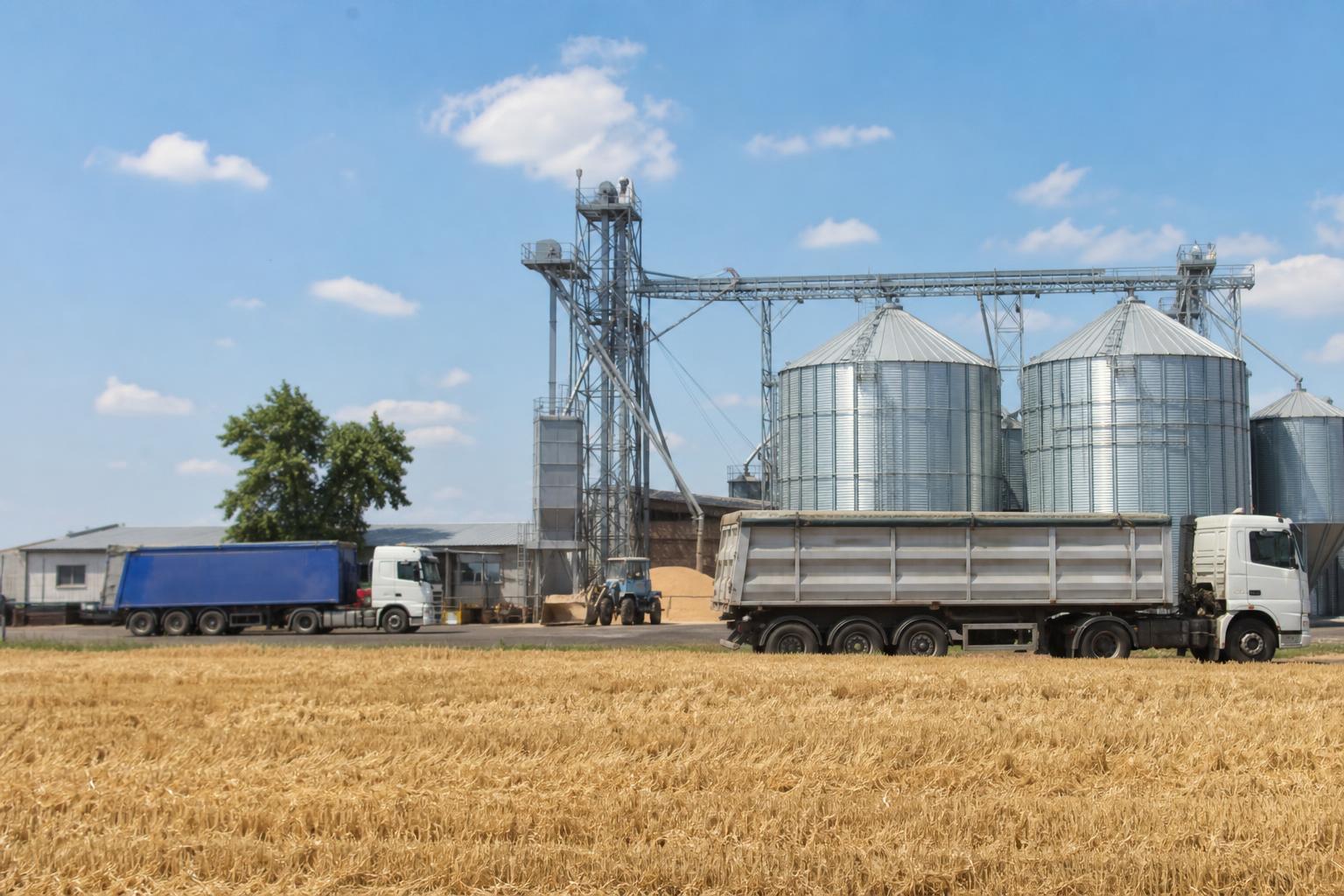
The Ukrainian grain market is entering a period where the main constraint for sales is no longer the harvest itself, but the ability to export and monetize it. Market reports indicate that some producers are already facing nearly full storage facilities and a cash flow shortage.
Against the backdrop of blocked or complicated Black Sea logistics, grain sellers are forced to pay closer attention to domestic demand, processing, Danube routes, railway options, and temporary storage possibilities. For buyers, this is also a period of selective demand: prices depend not only on grain quality but also on location, transport access, and shipment speed.
Ukrainian producers: grain is available, liquidity is lacking
A telling sign for the market is the situation described by Serhii Rybalko, founder of FГ «Adelaide». According to him, due to the almost complete halt of exports, the farm cannot sell its harvest in the usual manner, and storage facilities are nearly full.
The farmer noted that he previously sold grain to NIBULON and local processing enterprises, but now there are virtually no buyers. Part of the wheat had to be sold at a low price to cover urgent needs: salaries, taxes, and diesel fuel purchases.
An additional risk is financing autumn fieldwork. During the harvest, Rybalko said, the farm needs about 20 million UAH monthly for loans, wages, and fuel. If grain sales do not generate cash flow, not only the current harvest but also the sowing for the next season are under pressure.
Elevators and warehouses: storage becomes a market advantage
When export sales slow down, the role of elevator infrastructure increases. For producers, having available storage space, processing options, and flexible shipment schedules can be just as important as current market prices.
At the same time, elevators may face additional load due to accumulation of batches that are not exported within planned timelines. This creates competition for capacity, especially for farms without their own facilities or those needing quick acceptance after harvest.
For sellers on AgroPost, in such situations, it is important to clearly specify crop type, grade, volume, shipment basis, transport availability, and the possibility of batch splitting. For buyers, it is crucial to immediately clarify the actual readiness of the product for shipment, not just the declared volume.
Black Sea logistics: regional pressure factors
Additional tension arises from reports of the suspension of three major grain terminals in Novorossiysk and restrictions on freight delivery by Russian railways to this port from August 13 to 22. The total export capacity of these terminals is estimated at approximately 26.1 million tons of grain per year.
For the Ukrainian market, this does not automatically mean rising prices but highlights the overall vulnerability of Black Sea routes. If major port hubs operate unstably, traders will incorporate higher logistical risks into their procurement, and producers will face less predictability regarding timing and sale prices.
The source also noted that over 80% of Russian grain shipments are from ports of the Azov-Black Sea basin. Potential rerouting of flows to longer routes could impact the overall balance of freight, railcars, terminal capacities, and regional buyer expectations.
Key conclusions for grain sellers and buyers
- Liquidity is more important than peak price expectations. If funds are needed for fuel, wages, or sowing, it is essential to compare not only the price but also the speed of payment and shipment.
- Basis is crucial. The same batch can have different value depending on the distance to the elevator, railway, processor, or export corridor.
- Storage becomes a trading tool. Own or guaranteed elevator capacities give sellers more time to select buyers.
- Buyers will be more cautious. Due to logistical instability, they will prefer batches with confirmed quality, clear storage location, and real transportation options more often.
What this means for the market: Ukrainian grain is currently sold in conditions where logistics influence the price no less than yield or quality. Sellers should actively offer batches with transparent shipment terms, and buyers should quickly secure available volumes where storage, transport, and delivery schedules are clear.
Comments
No comments yetNo comments yet - be the first.