
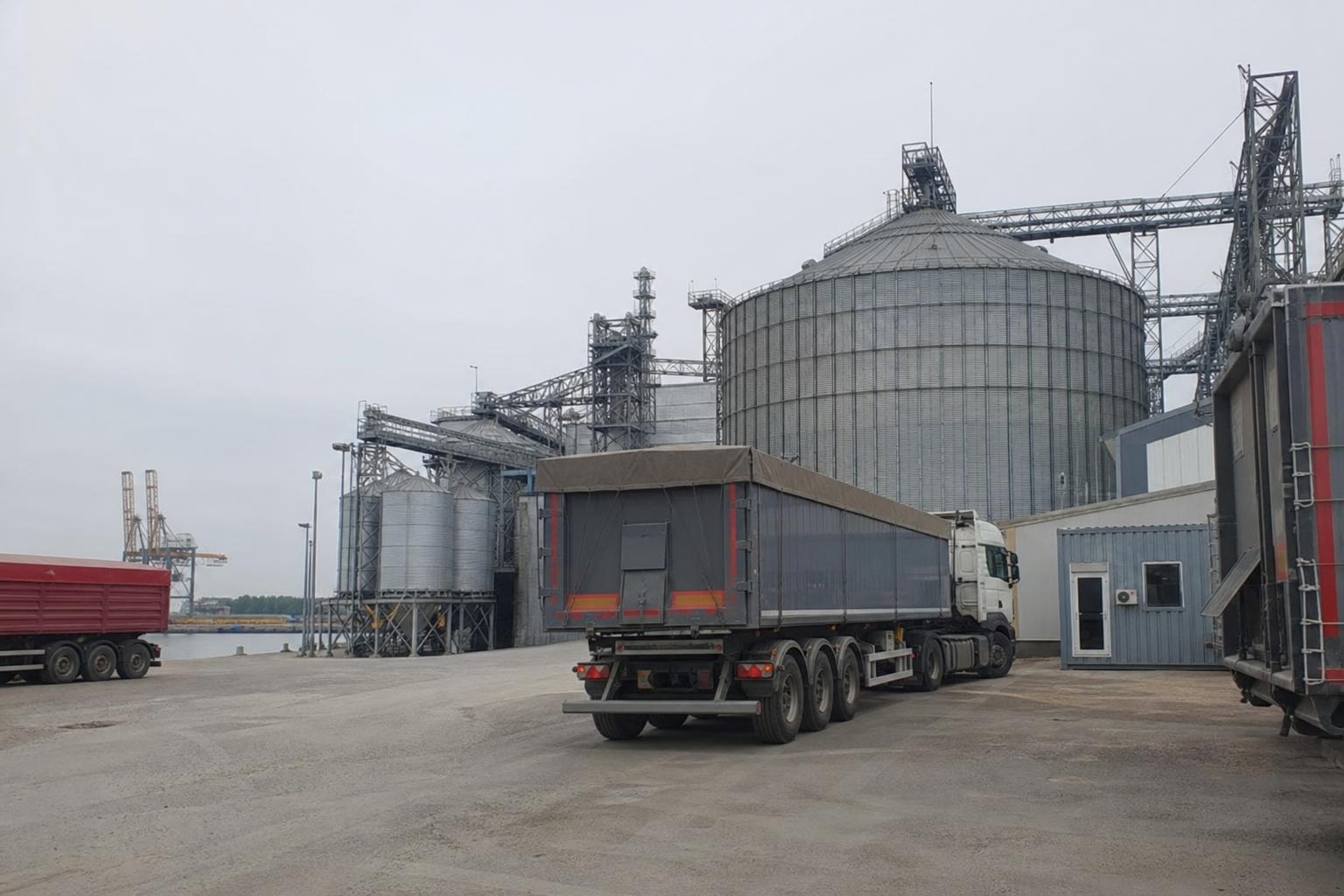
The Ukrainian grain market remains dependent not only on price dynamics but also on logistics security. On the night of September 27, a Russian attack on Kiliya in Odesa region affected port infrastructure and a grain warehouse.
According to local sources, over 20 attack drones were directed at the city. There are no casualties or injuries; however, damage to civilian infrastructure and commercial real estate has been reported.
The key risk for grain is not only price but also the route
For grain sellers, such incidents mean that logistics plans must be flexible. Even if the contract is already agreed upon, the physical movement of the batch may depend on the availability of storage facilities, port services, and the security situation at the specific point.
Special attention should be paid to agreements with short delivery terms. If the grain is stored or planned for shipment through port infrastructure, it is advisable for the seller to have a backup scenario regarding the elevator, transportation, or shipment date.
What elevators and batch owners should check
In Kiliya, a commission has been established to document the consequences and damages after the attack. For agribusiness, this is a reminder that documents related to storage, quality, origin, and ownership rights must be in order before problems arise, not after.
- Acceptance acts and warehouse documents. They should clearly confirm the volume, crop type, class, and owner of the batch.
- Photo and video documentation of the grain and warehouse condition. This can be useful for claims and internal control.
- Storage responsibility conditions. It is important to verify who bears the risks in case of infrastructure damage or shipment delays.
- Alternative shipment points. For large batches, it is recommended to have pre-agreed backup options.
How this affects domestic market trading
Damage to a specific facility does not automatically warrant a review of price expectations across the entire market. However, it increases buyers’ attention to the storage location, transportation accessibility, and realistic delivery timelines.
For sellers on marketplaces, including AgroPost, it is important to provide more precise descriptions of the product location, readiness for shipment, available transport types, and document availability. This reduces unnecessary negotiations and helps buyers quickly assess transaction risks.
Key conclusions for market participants
- Security factors remain part of the commercial risk in grain trading.
- Batches near port infrastructure require clearer documentation.
- Buyers increasingly evaluate not only price but also logistical reliability of the offer.
- Elevators and traders should have backup routes and shipment scenarios prepared.
What this means for the market: In the near future, grain sector participants should pay closer attention to logistical conditions of agreements. For sellers, a competitive advantage is not only the price per ton but also a clear route, confirmed quality, transparent documents, and the ability to quickly adapt the supply.
Comments
No comments yetNo comments yet - be the first.