
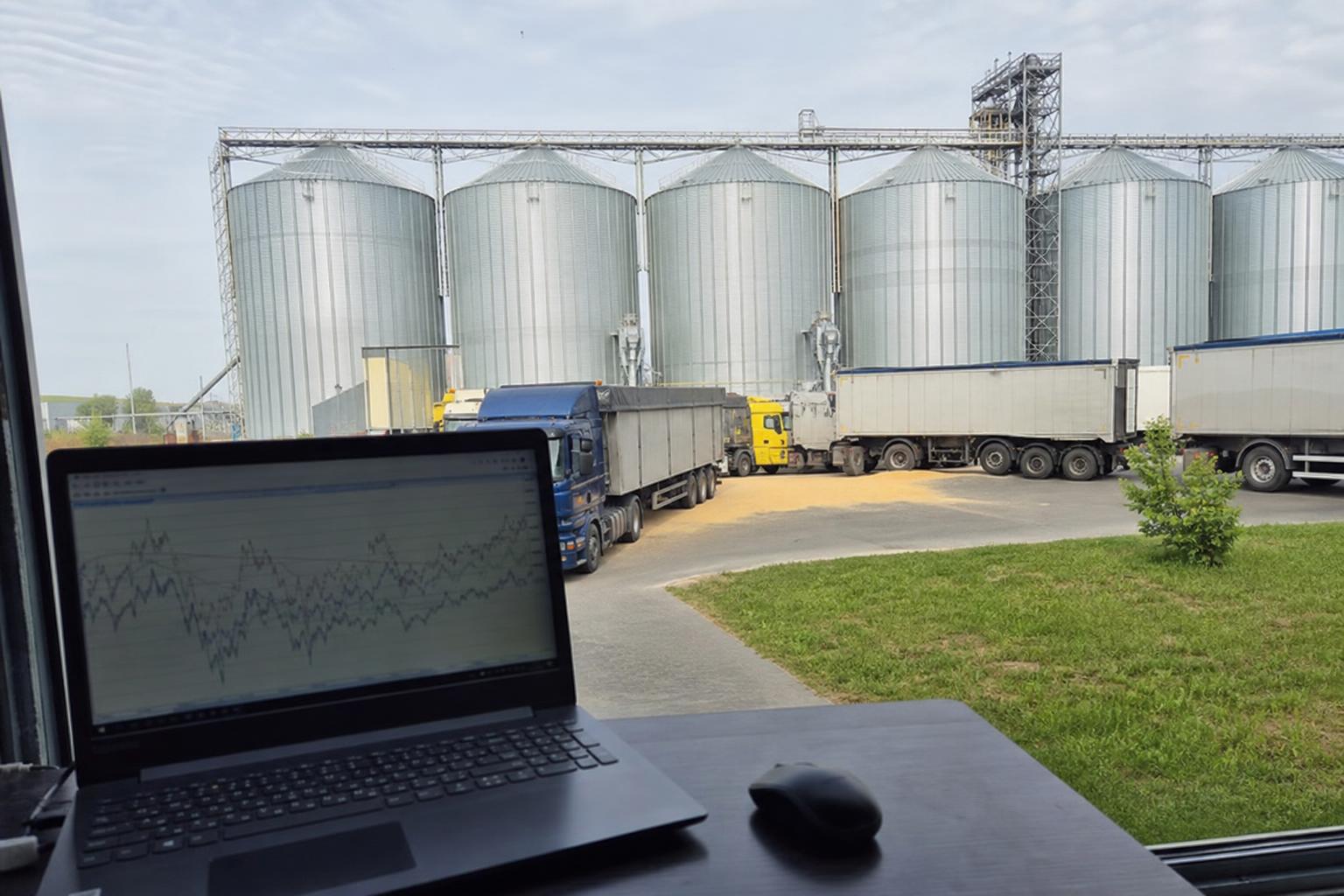
The Ukrainian grain market is entering a phase where price is no longer the sole argument in negotiations. For sellers, the key factors are the speed of closing deals, clear delivery terms, document control, and the ability to quickly compare offers from buyers.
Against this backdrop, online grain trading tools are gaining practical significance. They are gradually transitioning from bulletin boards to infrastructure that supports the entire operation—from initial offer to contract and payment.
Online deals are approaching a full sales cycle
The Ukrainian platform E-ZERNO announced a major update to its functionality. According to the company, users can now complete key stages of a grain deal on the platform: find a price, send an offer, agree on terms, generate a contract, work with the agreement, sign documents electronically, and initiate bank payments.
This development signals to the market that digital services aim to cover not only the search for counterparties but also the operational part of the transaction. In grain trading, where delays in documents or agreement approval can affect shipment, such integration becomes a competitive advantage.
Additionally, a personal account has been introduced for managing offers, lots, prices, contacts, bank accounts, and company profiles. Within the deal, users can add contracts, appendices, supporting documents, and track the signing status.
What grain sellers need to focus on
For grain producers, the main benefit of the digital format is faster comparison of demand and securing a negotiation position. If a seller can see current prices and send a counteroffer with their own price, volume, and delivery conditions, it reduces reliance on informal phone agreements.
Practical importance also lies in delivery terms. The ability to specify them according to Incoterms rules helps clarify responsibilities between parties and better calculate the actual sale price, considering logistics.
- For farmers: it is important to update the price and volume of the lot to keep the offer relevant.
- For traders: quick approval of documents and visibility of deal status are critical.
- For elevators: the role of transparent schedules for acceptance, storage, and shipment of grain is increasing.
- For buyers: verified information about the counterparty, lot, and delivery conditions is valuable.
Export logistics remain a political factor
Alongside digitalization of domestic deals, grain export remains dependent on regional security situations. Estonian Foreign Minister Margus Tsahkna stated that transit of Russian grain through Estonia is currently practically absent and that the country does not plan to facilitate such routes.
He noted that Estonia is prepared to impose its own restrictions if pressure arises to transport Russian grain through its territory. There are also plans to work with Latvia and Lithuania on regional or European solutions to restrict transit of Russian grain and prevent the export of grain stolen from occupied Ukrainian territories.
For the Ukrainian market, this stance is significant not as a direct opening of new routes but as an element of the competitive environment. If Baltic countries restrict Russian grain, it could influence regional trade flows, though the specific impact on Ukrainian prices requires separate assessment.
What market participants should pay attention to
In the short term, grain sellers should pay closer attention to the quality of their commercial offers. Buyers evaluate not only the price but also the clarity of the lot, documents, delivery conditions, the possibility of quick contract signing, and logistical predictability.
Elevators and logistics operators should expect increased demands for service quality. If deals are quickly processed online, physical execution—acceptance, laboratory testing, storage, shipment, and transport coordination—may become the weak link.
The key trend for the grain market is reducing the time between price discovery and legally formalized agreement. Those who confirm conditions and documents faster gain an advantage in the seasonal market.
Implications for the market: grain trading in Ukraine is becoming more digital, but its outcomes still depend on fundamental factors—price, trust in counterparties, documents, elevator infrastructure, and logistics. For sellers on AgroPost, this underscores the importance of posting more complete and current listings, while buyers benefit from quicker comparison of lots and securing conditions before market changes.
Comments
No comments yetNo comments yet - be the first.