
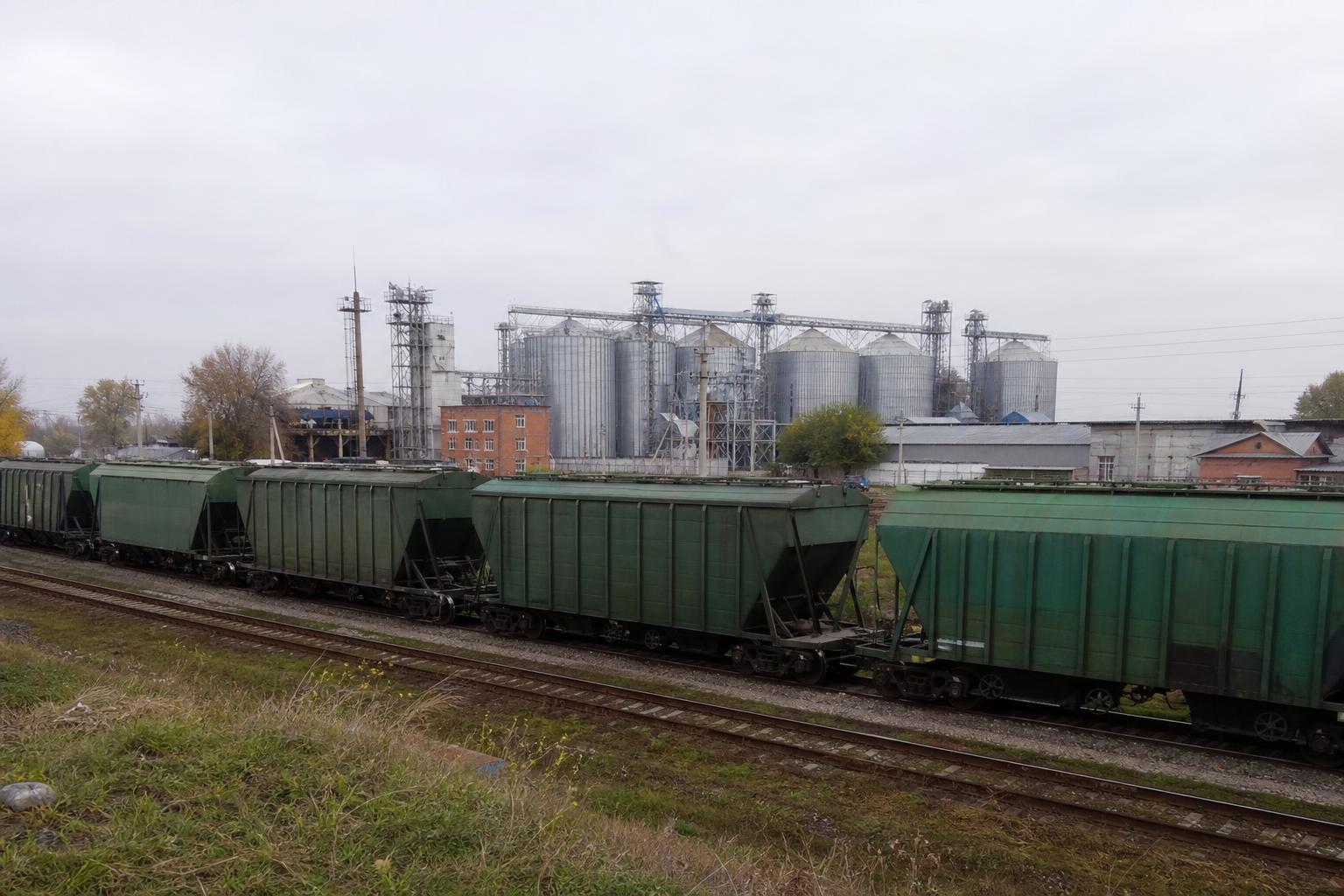
The western border is once again strengthening its role in Ukraine's grain logistics. According to data shared by Valeriy Tkachov, representative of JSC "Ukrzaliznytsia," during a meeting on September 24, Slovakia emerged as the largest recipient of Ukrainian grain among western routes in September.
For grain sellers and elevators, this is an important signal: demand for the capacity of railway crossings remains high, and the choice of export direction increasingly depends not only on price but also on the stability of acceptance at border points.
Slovakia Surpassed Other Western Routes
In September, an average of 76 wagons with grain were transferred daily through the Slovak border, amounting to approximately 4,900 tons per day.
Compared to August, this indicator increased by 35 wagons per day, or roughly 2,240 tons. This dynamic has made Slovakia the most active route among western border crossings for grain shipments.
This may lead market participants to pay closer attention to routes via Slovakia when planning sales, especially if buyers are prepared to receive shipments regularly and without additional delays at border infrastructure.
Distribution Among Countries
Other routes also remain significant but lag behind Slovakia in average daily grain acceptance in September.
- Hungary — 64 wagons per day, or about 3,900 tons.
- Poland — 58 wagons per day, or about 3,700 tons.
- Romania — 58.1 wagons per day, or about 3,300 tons.
- All western crossings combined — 256.5 wagons per day in the first 22 days of September.
The total average daily grain transfer through western crossings increased by 63.5 wagons compared to August, representing approximately a 33% rise.
Remaining Bottlenecks
The Polish route has shown weaker dynamics in recent weeks. Factors include new requirements from Polish customs authorities regarding grain transshipment.
On the Romanian route, the market continues to face infrastructure limitations, notably at the Vicsani and Toderesti stations, as well as accumulation of wagons at Suceava station due to irregular acceptance by the Constanta port.
For elevators and traders, this underscores the importance of pre-agreeing routes, verifying readiness of acceptance points, and monitoring downtime. Even with demand, logistical disruptions can impact the actual margin of deals.
Key Takeaways for Grain Sellers and Buyers
- Slovakia became the most active western route for Ukrainian grain in September.
- Overall transfer through western crossings increased compared to August.
- The Polish route requires careful verification of customs conditions before shipment.
- The Romanian route remains important but depends on station constraints and the rhythm of operations at Constanta.
- For transactions on AgroPost, it is advisable to clarify delivery basis, railway shipment possibilities, and acceptable acceptance periods upfront.
Implications for the Market
The Ukrainian grain market receives a positive signal regarding the revival of western logistics, but competition among routes is increasingly determined not only by volume but also by route reliability. Sellers should incorporate logistical risks into commercial offers, while buyers should confirm acceptance readiness even before finalizing batch approval.
Comments
No comments yetNo comments yet - be the first.