
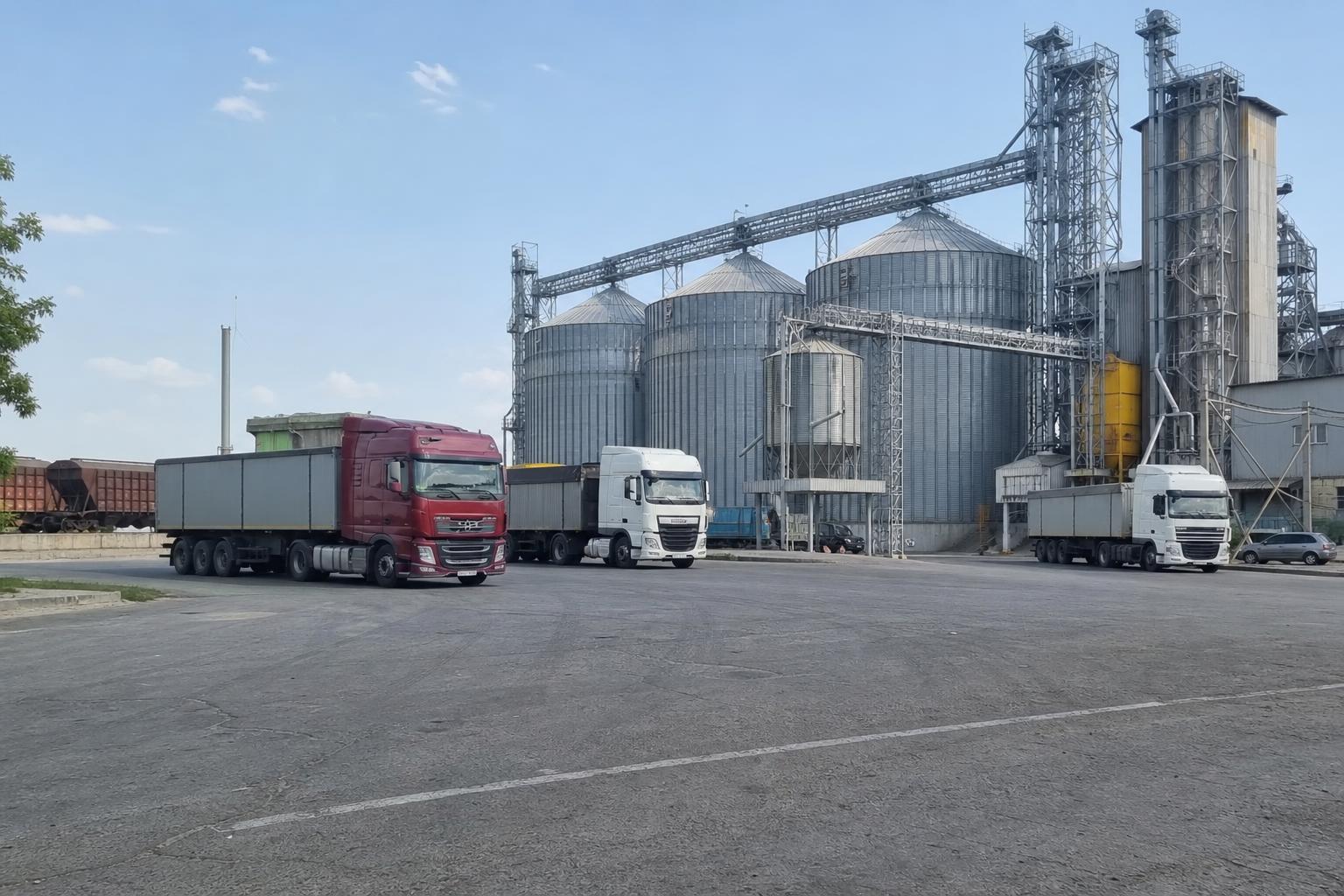
For the grain market, yield is no longer the sole factor influencing price. In a season where port access, acceptance queues, tariffs, and elevator readiness affect margins, logistics becomes an integral part of the commercial offer.
Recent market reports highlight two key trends: the Black Sea export infrastructure remains vulnerable to restrictions, and local grain acceptance and processing capacities are gaining importance for sellers and buyers.
Black Sea Factor: Logistics Could Alter Export Pace
The analytical center "Rusagrotrans" has downgraded its forecast for Russian wheat exports in August 2026 from 3.1 million tons to 1.8 million tons. The reason cited is shipment restrictions from Black Sea ports.
According to this estimate, August Russian wheat exports could be 2.5 times lower than in the same month last year, marking the lowest August figure since 2010.
For the Ukrainian market, this is not a direct indicator of domestic volumes but an important signal: in Black Sea trade, the physical capacity to ship grain can impact deals as much as the availability of the product itself.
A compact elevator complex has been completed in Volyn, integrated into the existing technological scheme of the enterprise. The project was implemented by KMZ Industries.
The complex includes a PreClean cleaning machine with a capacity of 50 tons/hour, conveyors and transporters of the same capacity, an operational silo for drying with a capacity of 30 tons, and a set of gravity equipment.
An important detail for the market is not only the capacity itself but also the integration of new equipment into existing infrastructure. This approach allows modernization of acceptance and processing without a complete overhaul of the logistics node.
What to Document in Agreements on AgroPost
When logistics becomes a variable, sellers and buyers should describe not only the product but also its movement route in more detail.
- Point of transfer of goods. Specify exactly where risks and costs transfer: farm, elevator, station, port area, or buyer’s warehouse.
- Grain condition. Agree separately on moisture, contamination, cleaning, drying needs, and who bears the processing costs.
- Shipment pace. For the buyer, real loading capabilities are important; for the seller, queues and transport availability forecasts matter.
- Logistics costs. Clarify whether transportation, storage, transshipment, and additional services are included in the price.
- Alternative route. If the main route is delayed, parties should understand in advance whether rerouting is possible.
Key Conclusions for Grain Sellers and Buyers
Firstly, regional shipment restrictions can quickly change traders’ expectations, even if the harvest balance remains relatively stable.
Secondly, modernization of local elevators strengthens the positions of farms that can accept, process, and prepare grain for sale more swiftly.
Thirdly, commercial listings increasingly emphasize not only crop, volume, and price but also the logistical readiness of the batch.
Implications for the Market
Ukraine’s grain logistics enters a season where predictability becomes a competitive advantage: those with a clear route, prepared infrastructure, and transparent delivery conditions have a better chance to close deals quickly and protect margins.
Comments
No comments yetNo comments yet - be the first.