
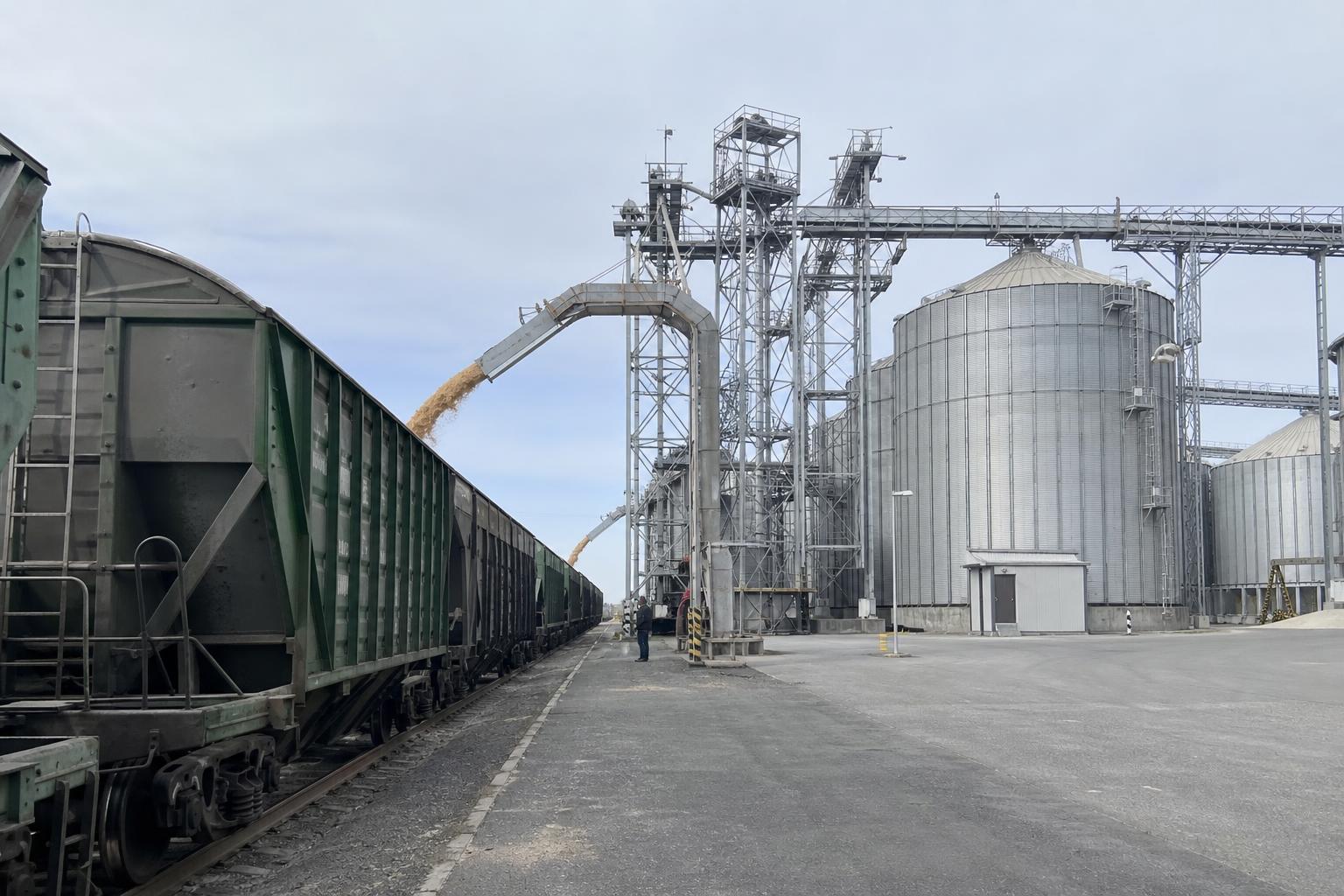
The Ukrainian grain market is entering a period when the price of a batch increasingly depends not only on demand but also on available logistics, grain quality, and the readiness of elevator infrastructure to operate across different regions of origin.
According to industry reports, Ukrzaliznytsia has nearly increased grain shipments by 20% over six months. For AgroPost participants, this is an important signal: the railway channel remains one of the key factors in forming the actual sale price after delivery costs are considered.
Railway logistics again in the focus of grain sellers
The growth in railway grain transportation indicates a more active use of this channel in the supply chain—from farms or elevators to buyers, processors, or export destinations.
For sellers, this means that when listing offers, it is essential to specify the basis immediately: self-pickup from the farm, delivery to the elevator, shipment by wagons, or a combined scheme. The clearer the logistical terms, the easier it is for buyers to quickly compare the actual cost of grain.
For buyers, it is important to evaluate not only the price per ton but also wagon availability, distance to the station, the possibility of batch accumulation, and the shipment schedule. During peak periods, these parameters can impact margins no less than price differences between neighboring regions.
Elevators become quality and batch management points
The grain market increasingly requires not just storage but also preparation of a commercial batch: cleaning, drying, laboratory confirmation of parameters, and volume formation tailored to specific buyers.
Against the backdrop of more active railway logistics, the role of elevators is strengthening. An elevator can ensure batch accumulation for wagon shipment, quality leveling, and documentary confirmation of grain parameters.
For AgroPost listings, this is a practical conclusion: proposals should specify storage location, availability of analyses, processing capabilities, minimum batch volume, and shipment format. Such details reduce negotiation time and increase trust in the seller.
Regional soil quality — a factor for proposal assessment but not a forecast
Additional context for the grain market is provided by data on soil conditions. According to the Soil Conservation Institute's 2023 report, high average soil quality was recorded only in Kirovohrad and Kharkiv regions.
Meanwhile, low soil quality was noted in Sumy, Volyn, and Zhytomyr regions. The Polissya area is characterized by increased acidity and lower humus content, with an average level of 2.43%.
These data should not be directly translated into crop yield forecasts for a specific season. However, they are useful for buyers and traders as an additional reference when assessing regional supply, quality risks, and the need for grain processing.
The study also noted a decrease in phosphorus and potassium concentrations in agricultural soils. For producers, this underscores the importance of carefully planning fertilization technology, as grain quality stability begins even before harvest.
Adjacent processing supports interest in agro-infrastructure
The government has permitted Feednova Center to import equipment for constructing a high-protein feed additive and animal fat production facility in Cherkasy region without paying import duties and VAT. The project is implemented under a special investment agreement.
This case is not a direct indicator of demand specifically for grain but demonstrates ongoing investments in agro-processing and feed infrastructure in Ukraine. For the grain segment, this is important as part of a broader ecosystem: logistics, storage, processing, and feed sectors increasingly compete for quality raw materials and stable supplies.
Key conclusions for AgroPost
- For grain sellers: specify not only the price but also the delivery basis, elevator, quality indicators, and readiness for wagon shipment.
- For buyers: compare offers considering logistics, batch accumulation options, and processing costs.
- For elevators: actively communicate services such as drying, cleaning, storage, and batch formation for railway logistics.
- For producers: consider regional soil conditions as a long-term quality factor, but not as the sole crop yield forecast.
Implications for the market
The Ukrainian grain market remains sensitive to logistics: even with demand, the final price for sellers depends on route, elevator, and batch quality. On AgroPost, participants who provide the most specific proposals—detailing delivery conditions, grain characteristics, and clear shipment schemes—stand to benefit.
Comments
No comments yetNo comments yet - be the first.