
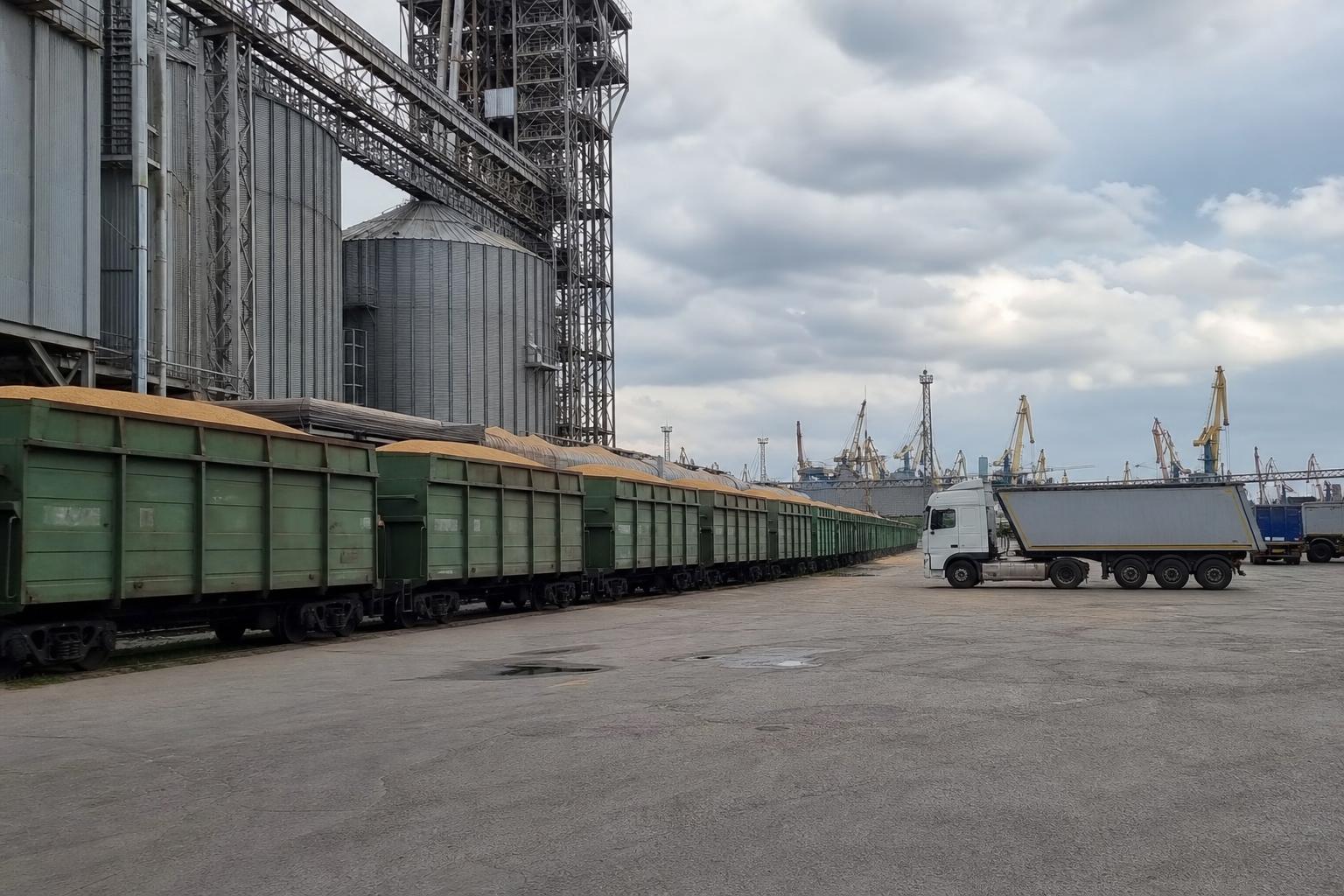
Ukrainian agro-export is once again operating under heightened logistical risks. Attacks on civilian shipping in the Black Sea have increased uncertainty for exporters, traders, elevators, and carriers amid the peak season.
At the same time, market assessments indicate that the current situation does not fully replicate 2022. Ukraine has more alternative channels for grain export, although they cannot entirely replace deep-water ports in terms of capacity and cost-effectiveness.
Maritime Route: Critical but with Higher Risks
According to Ukrainian officials, there is currently no complete blockade of ships. This is an important distinction from the first months of the full-scale war, when certain ports and vessels were effectively blocked.
However, market participants must consider that stable exports require not only the departure of loaded ships but also the regular arrival of new vessels at ports. This factor influences contract planning, shipment schedules, and the accumulation of batches at elevators.
Ukraine has also appealed to international institutions regarding attacks on civilian shipping in the Black Sea. Diplomatic statements emphasize that such actions pose risks not only to Ukrainian exports but also to global food security.
Alternative Routes: Operational but Costlier
During the war, Ukraine significantly expanded its logistics infrastructure outside deep-water ports. This includes developing Danube port infrastructure, dry port networks, and road and rail routes to the EU.
The market has also benefited from an increased fleet of wagons, as businesses invested in railway logistics. According to Minister of Agrarian Policy and Food Taras Vysotsky, there are currently enough wagons, and freight rates are at their lowest in the past five to six years.
The historical maximum Ukrainian export volume without using deep-water ports was approximately 3.5 million tons per month. Theoretically, the market could approach such volumes again, but these routes have limited capacity and higher costs.
Grain Storage: Reserves Available, but Risks Shift to Autumn
Currently, according to the Ministry of Agrarian Policy, storage capacities for the forecasted spring crop harvest are sufficient. Due to weather conditions, harvests started later, so the market has not yet experienced the peak of the harvesting season.
Greater logistical challenges are expected in autumn when large volumes of corn will enter the market. If export delays persist, Ukraine may potentially need additional storage for 10–12 million tons of grain.
The government plans to proactively coordinate grain storage solutions with international partners. Some additional capacities may be purchased independently by businesses, as announced.
Practical Recommendations for Sellers and Carriers
- Grain sellers should verify not only purchase prices but also route availability, transportation deadlines, and batch accumulation conditions.
- Elevators need to assess scenarios for longer storage, especially ahead of the mass arrival of corn.
- Carriers should monitor demand for road and rail transport to western border crossings, Danube routes, and dry ports.
- Logistics service buyers should secure agreements on tariffs, delays, and responsibilities for schedule changes.
Implication for the market: Deep-water ports remain the primary channel for competitive exports, but agribusiness needs a working reserve. For AgroPost, this translates into higher demand for grain transportation ads, elevator services, storage, transshipment, and logistics solutions for routes to the EU and Danube region.
Comments
No comments yetNo comments yet - be the first.