
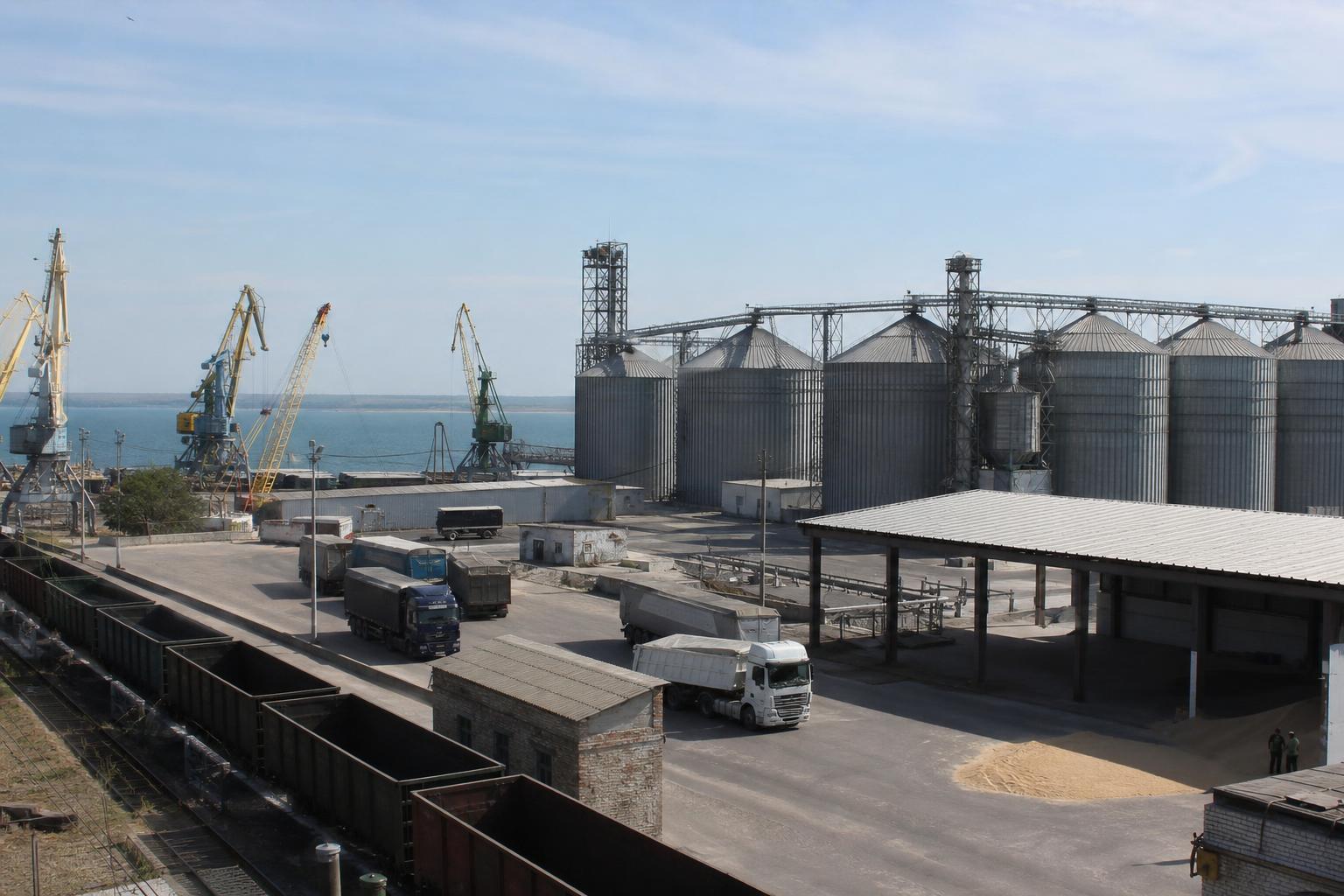
The Ukrainian grain market is entering a period where the price based on farm-level conditions increasingly depends not only on global market trends but also on the accessibility of routes to ports, terminals, and border crossings.
Recent signals from the logistics sector are significant for grain sellers, elevators, and traders: Odesa region declares efforts to develop new port infrastructure projects, and Ukrzaliznytsia is seeking ways to reduce transit costs through Moldova.
Odesa Region Focuses on Port and Grain Handling Infrastructure
The Odesa Regional Development Agency has signed a memorandum of partnership with American engineering company AGRICO SALES, Inc. The company specializes in designing and constructing port logistics facilities, grain terminals, and bulk cargo handling systems.
The stated goal of the cooperation is to attract American investments, develop port and logistics infrastructure, and support post-war regional recovery projects.
Within the memorandum, the parties plan to promote the region’s investment potential, prepare investment projects according to international standards, involve experts to assess promising facilities, and seek funding through international financial institutions, export credit agencies, and US government agencies.
For the grain sector, this primarily signals attention to the long-term capacity of ports and terminals. However, the memorandum does not imply an automatic start of construction or the emergence of new facilities in the short term.
Ukrzaliznytsia Negotiates Discount on Transit via Moldova
Another logistics direction involves negotiations between Ukrzaliznytsia and Moldovan Railways regarding potential reductions in transit costs for Ukrainian freight through Moldova. According to a UZ representative, Ukraine is requesting a 50% discount on transit tariffs.
The negotiations are ongoing at both the relevant ministries and between railway operators. Moldovan authorities, based on available information, want to understand the volume of transit shipments that Ukrainian exporters can provide.
Separate discussions concern locomotive traction. Moldovan Railways reports a locomotive shortage and proposes that freight movement through Moldova be handled by Ukrzaliznytsia’s traction fleet.
This could be important for agricultural exports, but no decision has been made yet. Market participants should calculate routes based on current tariffs and model scenarios with discounts if an agreement is reached.
What Grain Sellers and Buyers Should Consider
- Grain sellers should compare prices more carefully, considering not only crop type and quality but also delivery basis: farm, elevator, station, port.
- Elevators should proactively communicate available shipping routes, railway restrictions, and road logistics options.
- Buyers need to clarify whether logistics costs are included in the price, who bears the risks of delays, and what documents are required for the export chain.
- Traders should maintain multiple route scenarios, especially if the batch is planned for port or transit logistics.
On the AgroPost marketplace, this means that grain listings should be as specific as possible: crop type, quality indicators, volume, storage location, access to elevator or station, preferred basis, and readiness for quick shipment.
Key Market Conclusions
Odesa port infrastructure remains strategic for grain exports, but new projects require preparation, financing, and technical assessment.
Moldovan transit may become more attractive to Ukrainian shippers only after final tariff agreements and traction issues are resolved.
In short-term grain trading, the main practical factor remains not just negotiations or memoranda but the actual delivery costs and confirmed shipment capabilities.
What this means for the market: Grain sellers and buyers should treat price as a logistics formula, not just a crop quote. The more precise the delivery conditions and route are specified, the easier it is to find buyers, avoid misunderstandings, and close deals faster.
Comments
No comments yetNo comments yet - be the first.