
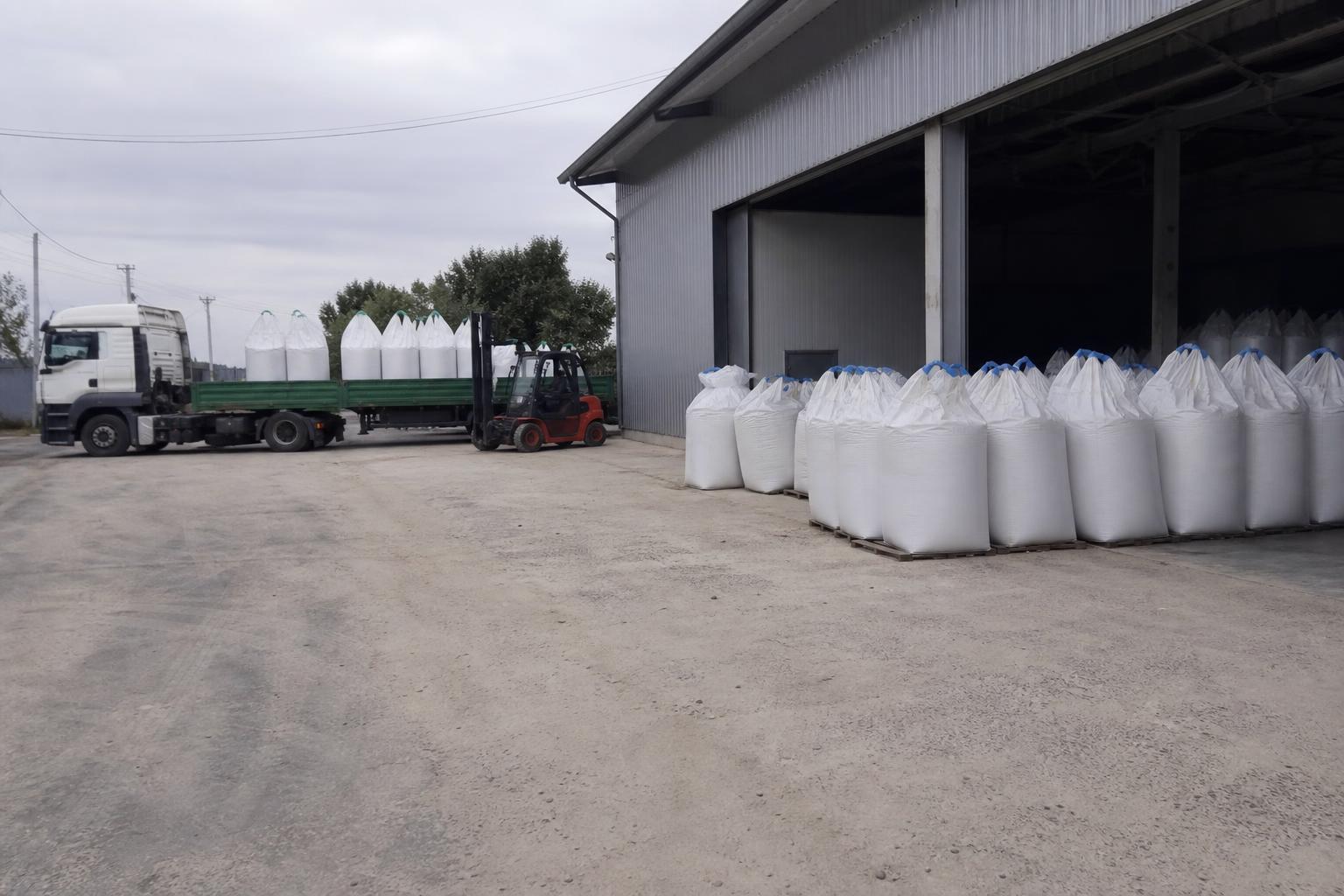
For the Ukrainian fertilizer market, the key issue for upcoming procurement is not only the price per ton. Increasingly, importance is placed on whether the batch is physically available, the route it takes, and who bears the risks of delays.
Industry reports from July 2026 again highlight the market’s sensitivity to port and freight logistics. For the fertilizer segment, this signals that commercial offers should separately verify not only the brand, packaging, and analysis but also the delivery terms.
Logistics Moving from Background to Deal Price
Discussions in the agricultural market include scenarios where exporters need to prepare alternative routes in case of prolonged port infrastructure downtime in Greater Odessa. While such news directly concerns grain and oilseeds, it also indirectly impacts fertilizers.
When transportation routes are congested or become more expensive, fertilizer buyers must consider not only the base price of the product. Delivery costs, availability of wagons or trucks, warehouse storage times, and potential delays can alter the economics of application.
For sellers, this also affects competitiveness. The same price for nitrogen fertilizers or NPK may look different for a farm if one batch is available from a regional warehouse, while another requires complex delivery logistics.
What Fertilizer Sellers Should Clarify on AgroPost
In fertilizer offers, buyers expect the most practical information. The less uncertainty in the listing, the faster the parties can move to substantive negotiations.
- Actual availability: whether the product is in stock now or if it’s a made-to-order shipment.
- Shipment location: region, warehouse, elevator, or other pickup point without vague generalizations.
- Batch format: big-bag, bag, bulk, minimum sales volume.
- Delivery conditions: self-pickup, seller delivery, or separate logistics arrangement.
- Quality confirmation: fertilizer grade, declared composition, batch documents.
For nitrogen fertilizers, complex NPK, and specialty products, it is important not to mix different batches with varying conditions in one proposal. This reduces misunderstandings and helps compare prices accurately.
What Buyers Should Verify Before Booking a Batch
Buyers should compare not only the advertised price but also the total cost of fertilizer in their farm, especially if the batch is located far from the application region.
- Calculate the price including delivery to the warehouse or field;
- Clarify how many days the seller is willing to hold the reservation;
- Check if the price changes with smaller or larger volumes;
- Agree on responsible persons for loading and documentation;
- Specify deadlines if the fertilizer is needed within a specific technological window.
If the purchase is planned for sowing or fertilization, delays can be as critical as a few percent difference in price. Therefore, route and shipment date should be part of negotiations, not after payment details.
Market Focus: Less Noise, More Specifics
Current industry news does not provide grounds for general conclusions about fertilizer price changes in Ukraine. Participants should be cautious with broad statements and avoid directly transferring grain or oilseed market logic to agrochemicals.
Practical approach for AgroPost is to work with specific batches: where they are located, brand, volume, documents, and final price for the buyer. Such listings are more likely to quickly find a counterparty.
In the fertilizer segment, the winner is not the loudest offer but the one where the buyer immediately sees the product, route, and clear economics of procurement.
What this means for the market: transparency in deals is becoming increasingly important in fertilizers. Sellers should show real availability and logistics, while buyers should calculate the total delivery cost to their farm. This reduces risks of delays and makes trading on AgroPost more predictable.
Comments
No comments yetNo comments yet - be the first.