
The Ukrainian grain market is entering a period where the selling price no longer fully reflects profitability. For producers, costs related to storage, handling, loading, and transportation to buyers or export channels are becoming increasingly important.
For grain buyers, this also means a shift in approach: those who see not only the batch of goods but also its logistical readiness — where the grain is stored, how quickly it can be retrieved, and whether there are available transshipment capacities — will have an advantage.
Logistics Remains the Main Price Filter
A telling signal has appeared in the market information space: only 1% of grain exports via rail are directed to the ports of Greater Odessa. Even without detailed breakdowns by crop, this highlights that delivery channels to export infrastructure remain uneven.
For agricultural producers, this means that comparing offers from buyers should not be limited to price per ton in hryvnias or dollars. It is crucial to calculate the full net price after logistics, queues, loading, downtime, and potential additional elevator services.
At AgroPost, grain advertisements should immediately specify the location, sale basis, document availability, batch volume, and possible shipment formats. This reduces negotiation time and helps buyers quickly assess the actual purchase cost.
Elevator — Not Just a Warehouse, But Part of the Trading Strategy
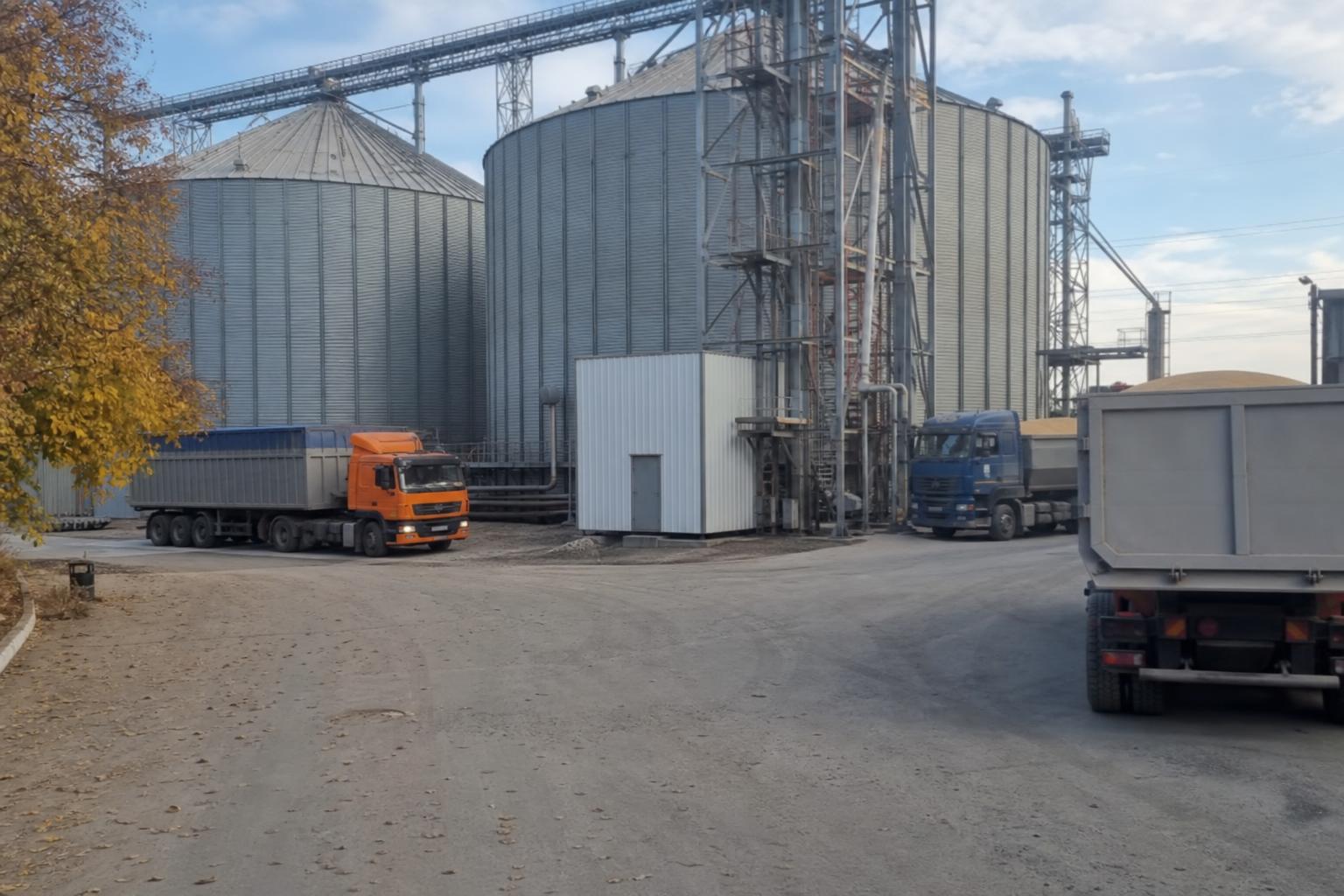
The choice of an elevator for farmers now goes beyond storage tariffs. Practical considerations include service costs, logistical location, available capacities, speed of acceptance, and safety.
If the grain requires handling or waiting for a better price, an elevator can provide the seller with time. However, this time has a cost, so decisions on storage should be made after calculating all expenses and potential sales scenarios.
For grain buyers, elevator storage also offers advantages: it is easier to verify, formalize, and retrieve the batch according to a clear schedule. This is especially important for traders, processors, and farms forming large consolidated batches.
Low Prices Increase Focus on Alternative Scenarios
Industry media discuss the idea that at low prices, grain might appear more profitable as fuel rather than as an export commodity in some calculations. While this signal should not be taken as a universal recommendation, it clearly indicates pressure on producer margins.
When market prices are weak, sellers need to have several scenarios: quick field sale, elevator storage, sale to a local processor, or finding a buyer in another region. Each option involves different costs and risks.
For marketplace listings, this means accuracy is essential. The more detailed the description of quality, moisture, storage location, minimum batch size, and self-pickup conditions, the easier it is to find a buyer without unnecessary discounts.
Key Takeaways for Sellers and Buyers of Grain
- Sellers should calculate not the price in the price list, but the net price after logistics, elevator services, and waiting time.
- Buyers should evaluate not only the batch volume but also the readiness of the grain for shipment.
- Elevators remain a critical link in transactions, especially when the market is unstable and sellers are hesitant to release grain.
- Local deals can be competitive if they reduce transportation distance and enable faster fulfillment of buyer needs.
What this means for the market: in Ukraine's grain sector, the key competition is not only for price but also for an efficient route from farm to end buyer. On AgroPost, this emphasizes the importance of quality listings: precise location, transparent shipment conditions, and clear grain parameters can be advantageous for both sellers and buyers.
Comments
No comments yetNo comments yet - be the first.