
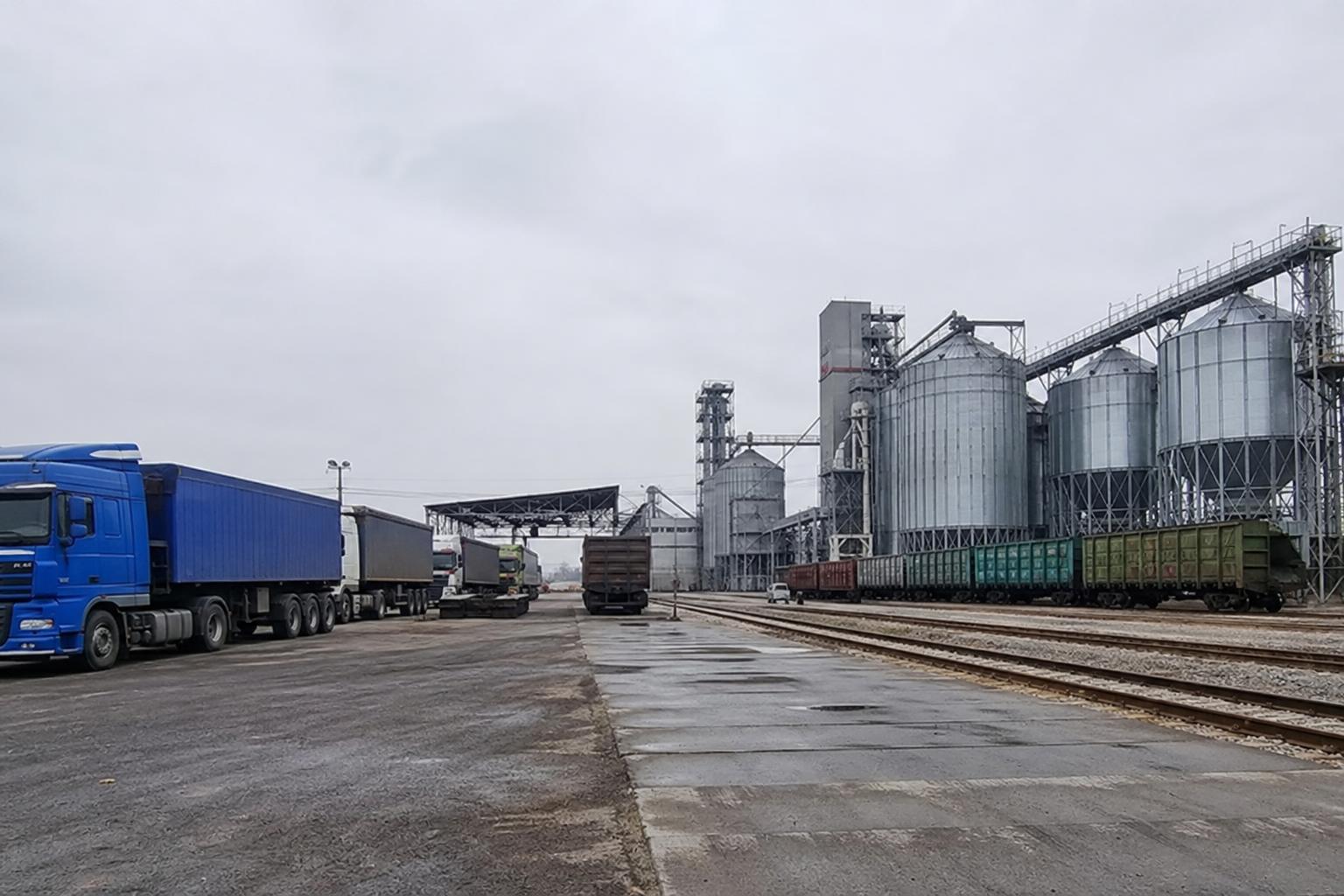
The grain market is entering a period when the price is increasingly determined not only by the harvest but also by the route to the buyer. For Ukraine, this means heightened attention to elevator infrastructure, contractual terms, and transportation costs.
On the external front, noticeable changes in Russia's logistical behavior are observed: some export flows are being redirected from southern routes to Baltic and Arctic ports. Internally, Ukraine’s grain export pace since the start of the season remains below last year's levels.
What is happening with competitors' export logistics
According to industry sources citing Reuters, Russian companies are adapting certain terminals previously used for fertilizers, coal, and other cargoes for grain transshipment. Mentioned locations include Ust-Luga, Saint Petersburg, and Murmansk.
For the grain market, the key is not just geography but the signal: exporters are seeking alternative routes when traditional logistics corridors become risky or less predictable. This could influence competition for buyers in foreign markets, but the speed and cost of such reconfiguration still require practical confirmation.
Sources mention that in July-August, Russian grain exports were lower than last year, with further decline expected in September. Meanwhile, official statements from Russia claim no problems with exports after rerouting routes. For Ukrainian businesses, this should be viewed as a factor of uncertainty rather than a definitive price forecast.
Ukrainian exports: lower pace increases the importance of the basis
Open industry reports indicate that Ukraine has exported over 4.6 million tons of grain since the season began, more than 20% less than the same period last year. For sellers, this means the difference between farm gate prices, elevator prices, and export basis remains critical.
When export pace is weaker, market participants pay closer attention to storage, processing, internal transportation, and downtime costs. Even with stable global prices, local supply in a particular region can pressure purchase prices if logistics are limited or expensive.
For grain buyers, this is a period to actively compare lots by location, quality, and readiness for shipment. For sellers, it’s essential to fix not only the price per ton but also delivery conditions, payment terms, and responsibility for additional costs.
Elevators become margin management points
In current conditions, an elevator is not just a storage facility. It becomes a tool that helps sellers choose the optimal moment to sell, form homogeneous batches, and approach buyers with a better commercial offer.
The three most important parameters are: acceptance capacity, processing quality, and shipment options. If a farm has a choice among several elevators, it’s necessary to consider the full economics: tariffs, losses, document processing speed, and logistics to the final buyer.
- For grain sellers: update proposals with clear specifications of crop, grade, volume, moisture, storage location, and preferred basis.
- For buyers: monitor lots already stored at elevators or ready for quick shipment.
- For elevators: communicate available capacities, processing capabilities, and accessible shipment routes.
Key conclusions for AgroPost participants
The grain market is currently sensitive to logistics news, but local deals still revolve around specific batches, their quality, and location. That’s why announcements with complete parameters have a better chance of quickly finding a counterparty.
If you are selling grain, it’s advisable to specify not only the price but also readiness for self-pickup, the possibility of loading by truck or rail, quality analyses, and flexibility regarding batch volume. If you are buying, it’s useful to immediately specify the required region, minimum volume, and quality requirements.
What this means for the market: Ukraine’s grain sector remains dependent on logistics and export pace, so margins are increasingly formed not only by global prices but also by the right choice of elevator, delivery basis, and speed of deal conclusion.
Comments
No comments yetNo comments yet - be the first.