
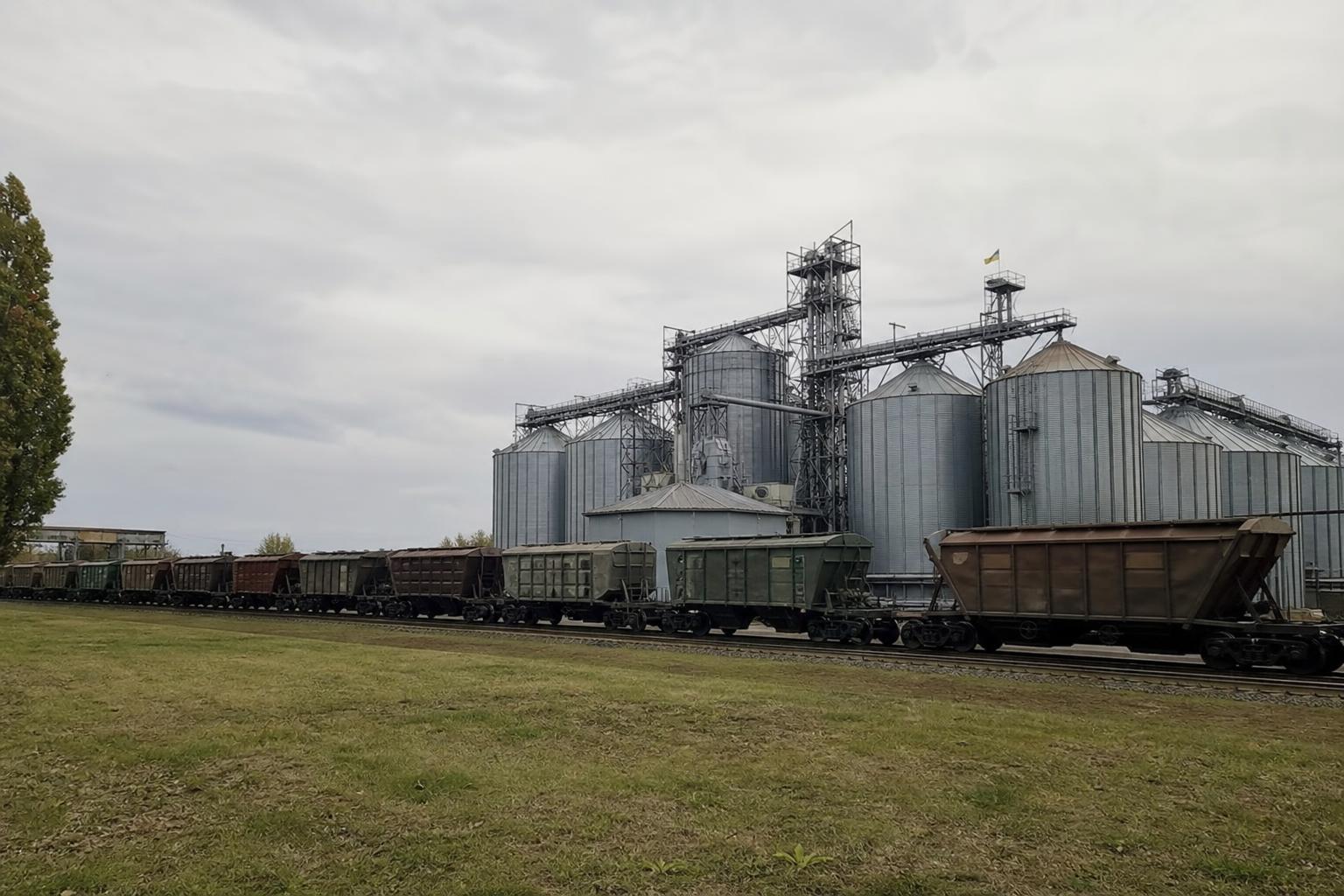
For the Ukrainian grain market, the coming months may be characterized by two practical topics: transit costs and the quality of data on elevator inventories. Both factors are crucial for pricing, sales planning, and choosing delivery routes.
On one hand, Ukraine has secured agreements for a 50% discount on rail transit of cargo through Moldova until the end of 2026. On the other hand, the Ministry of Agrarian Policy is preparing a digital grain monitoring system at elevators, which is expected to be operational by the end of the year.
Moldovan Transit: Lower Tariffs but Political Sensitivity
The discount on rail transit through Moldova could be significant for Ukrainian grain exporters, especially amid high competition for logistical routes. For sellers, this potentially means a broader choice of delivery directions and more negotiation options with traders.
At the same time, some Moldovan farmers have voiced opposition to this decision. The "Power of Farmers" association stated that the government should clarify the terms of the discount and its impact on the local agricultural sector.
The main concern among Moldovan farmers is the risk of downward pressure on grain and oilseed prices in the region, as well as fears that transit volumes could effectively turn into imports. While this does not cancel the agreements, it indicates that the route through Moldova will remain a logistics and political sensitive issue.
What This Means for Ukrainian Grain Sellers
A more convenient transit route for farms and elevators can increase buyer interest in lots with clearly defined delivery conditions. In practice, this means that advertisements should immediately specify the crop, grade, volume, basis, availability for rail or road shipment, and approximate timelines.
If logistics tariffs decrease, it does not automatically guarantee higher prices for producers. However, it can improve bargaining positions where buyers previously factored in higher transportation costs or limited routes into their pricing.
- Sellers should update information on available grain lots and elevator capacities.
- Buyers should clarify whether a lot can be shipped via the required route and within the needed timeframe.
- Elevators should prepare for increased attention to inventory transparency, documentation, and shipment schedules.
Digital Elevator Monitoring: Market Awaits Greater Transparency
The Ministry of Agrarian Policy plans to complete the technical assignment for the digital grain inventory monitoring system at elevators by August 20. After reviewing market proposals, the project will proceed to implementation.
Until the system is launched, inventory monitoring continues manually within the logistics coordination framework. According to the ministry, market participants are informed about significant weekly changes.
The digital solution is expected to automate data collection and tracking. For the market, this is important not only as a state monitoring tool but also as a basis for more predictable logistics and faster assessment of actual grain supply.
Key Takeaways for AgroPost
- Transit logistics through Moldova may become a more prominent factor in negotiations over grain lots.
- The 50% transit discount until 2026 will require ongoing monitoring of actual application conditions.
- Reactions from Moldovan farmers suggest the route may carry regulatory and reputational risks.
- Digital grain monitoring at elevators could increase demands for data accuracy regarding inventories and shipments.
- On the marketplace, sellers should make announcements as specific as possible: quality, volume, storage location, delivery conditions, and document readiness.
Implications for the market: The grain season in Ukraine is increasingly dependent not only on harvest yields and global prices but also on the ability to quickly confirm product availability, organize shipments, and select a competitive route. For AgroPost sellers, this underscores the importance of transparent listings, while buyers should scrutinize logistics more carefully before agreeing on prices.
Comments
No comments yetNo comments yet - be the first.