
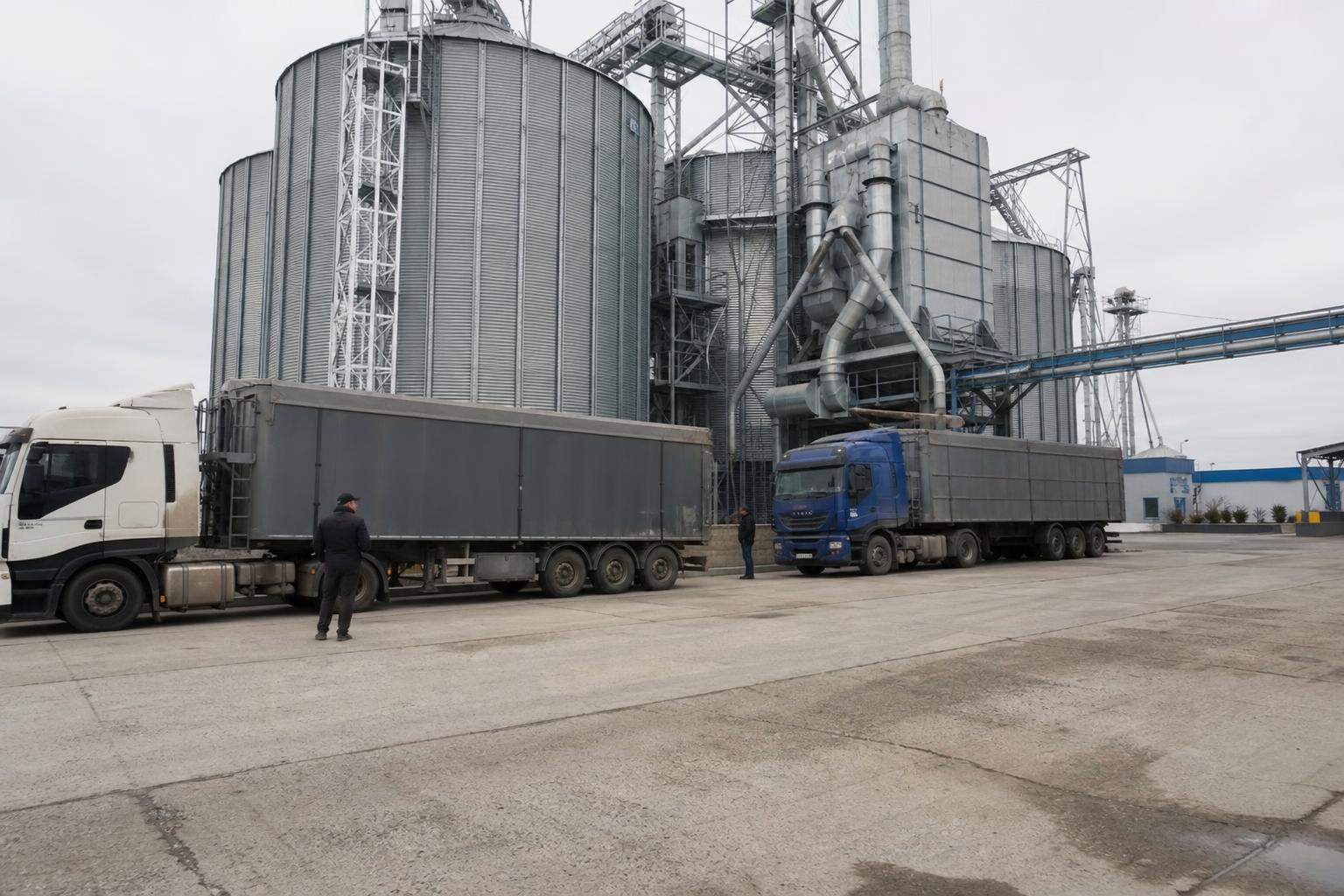
The Ukrainian grain market received a noticeable boost from exports in September. According to UAIB, the total agro-product export for the month reached 3.04 million tons, an increase of 41.5% compared to August.
The most attention in the grain category is now focused on wheat. Its more active shipments became the main factor behind the monthly growth in grain exports.
Wheat Became the Main Export Driver
In September, Ukraine exported 1.49 million tons of grain crops. This is 50.4% more than the previous month.
Wheat shipments increased from 612.7 thousand tons in August to 1.09 million tons in September. The growth amounted to 78.6%, making wheat a key position for traders, elevators, and farms preparing commodity batches for export.
For domestic sellers, this means that high-quality wheat with confirmed indicators can remain a focus for procurement. At the same time, decisions to sell should be based not only on demand but also on logistics, storage availability, and the specific requirements of the buyer.
Corn Remains Stable, Barley Grows Moderately
Corn exports in September remained almost unchanged at 306.8 thousand tons, indicating a calmer dynamic compared to wheat.
Barley showed moderate growth: shipments increased by 16.9% to 80.3 thousand tons. For this segment, quality, promptness in forming batches, and the economics of delivery to the buyer remain important.
In the structure of agricultural exports, grains, oilseeds, vegetable oils, and meal together accounted for about 2.65 million tons, or 87.2% of the total volume. In August, this share was lower — 83.1%.
Quality and Pesticide Residues Become Part of Export Competition
Alongside export activity, regulatory requirements on foreign markets are gaining importance. EU countries have agreed on a common position to tighten rules regarding pesticide residues in imported agricultural products from third countries.
This concerns active substances, the use of which is prohibited in the European Union due to health or environmental risks. For the most hazardous substances, maximum residue levels are planned to be reduced to zero after assessing potential consequences.
For Ukrainian grain businesses, this means that traceability of pesticide use, laboratory analyses, and proper batch documentation are gradually becoming essential elements for access to premium or demanding sales channels, not just optional extras.
What Sellers and Buyers of Grain Should Consider
- Wheat sellers should have up-to-date quality indicators and clarify buyer requirements for documents and active substance residues in advance.
- Elevators should carefully separate batches by class, origin, and potential export destination.
- Buyers should quickly secure quality batches if they meet the required specifications.
- Traders need to verify not only price but also the feasibility of contract fulfillment considering quality, timing, and logistics.
On the AgroPost platform, market participants should make their listings as specific as possible: crop, volume, delivery basis, quality indicators, analysis availability, payment terms, and readiness for document verification. This reduces negotiation time and minimizes misunderstandings between parties.
Implications for the market: September's export activity boost supports activity in the grain segment, but competition is increasingly shifting from mere availability to quality, transparency of origin, and compliance with buyer requirements. For Ukrainian agricultural producers and elevators, this signals the need to prepare batches not only for sale but also for verification.
Comments
No comments yetNo comments yet - be the first.