
The Ukrainian grain market is entering a phase where the quality of the shipment and the speed of elevator operations become just as important as the basic purchase price. For wheat prepared for export, the role of pre-shipment control, documentation, and cleanliness of consignments is increasing.
A separate signal for the market is the new phytosanitary requirements from Turkey for Ukrainian wheat, which are set to come into effect on August 4, 2026. Simultaneously, large agroholdings are strengthening their elevator infrastructure to better control grain acceptance, storage, and logistics during the harvest.
Turkish Market: Phytosanitary Control to Tighten
Turkey plans to enhance import controls of Ukrainian wheat under the new plant quarantine regulations. This involves checking consignments for the presence of specified quarantine organisms.
The list includes Tilletia barclayana, Tilletia indica, Tilletia caries, Tilletia controversa, and Tilletia laevis, with the synonym Tilletia foetida. Laboratory tests must be conducted on a "present/absent" basis, meaning the requirement is for complete absence of these organisms in the shipment.
If such organisms are detected in the cargo, the shipment will not be allowed entry into Turkey. For Ukrainian exporters, this also means a risk of refusal to issue a phytosanitary certificate for wheat intended for this market.
What Changes for Wheat Sellers
For farmers, traders, and elevators, the focus shifts to quality control even before concluding an export agreement. A shipment that meets basic commodity standards may still require additional phytosanitary safety measures.
A practical recommendation for sellers is not to delay testing until the moment of shipment. If the wheat is intended for the Turkish market, it is advisable to agree in advance with the buyer on the list of parameters, sampling procedures, and documentation requirements.
For domestic buyers, this also signals that origin, storage conditions, handling history, and laboratory results become part of the commercial assessment of the shipment. On AgroPost, such details should be included in listings to shorten negotiations and reduce misunderstandings.
Elevator as a Control Tool for Shipments
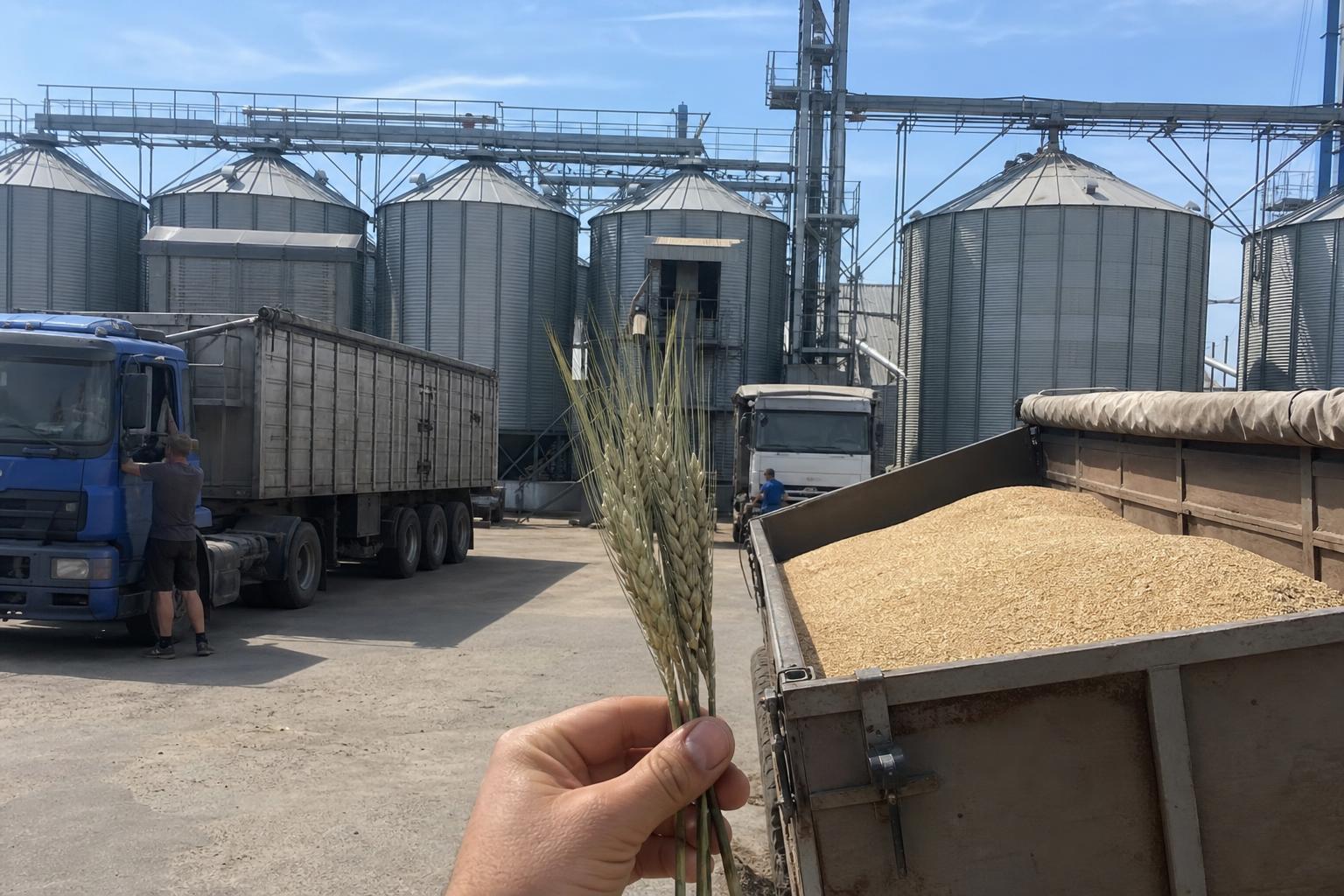
During the harvest, elevator infrastructure remains crucial for forming export and domestic consignments. An example is the "TAS Agro Center" elevator in Budišče village, which in the first two weeks of the 2026 harvest accepted over 30,000 tons of its own grain.
The total storage capacity of this complex is 60,000 tons. According to the company, the facility actively processes grain from the Central and Southern clusters and aims to strengthen logistics and trading opportunities in Kyiv and Cherkasy regions.
The elevator was acquired by "TAS Agro" from "Kernel" in January 2026. Besides its own grain, the complex accepts products from third-party depositors and provides storage and processing services to local farmers.
Key Conclusions for Market Participants
- Export wheat requires early control. For the Turkish market, confirming the absence of specified quarantine organisms is critical.
- Elevator processing gains importance. Storage, cleaning, sampling, and documentation influence the shipment’s readiness for sale.
- Logistics start not with transportation, but with the shipment. If the grain does not meet the buyer’s or importing country’s requirements, transportation alone does not mitigate commercial risk.
- Listings should be more precise. For selling wheat on AgroPost, it is advisable to specify grade, volume, storage location, available analyses, shipping conditions, and readiness for phytosanitary inspection.
Implications for the Market
The Ukrainian grain market is gradually shifting towards a model where competitive advantage lies not only in volume but also in quality management and logistics. For wheat sellers, this means preparing shipments more carefully, and for buyers, scrutinizing documents, elevators, and phytosanitary risks more thoroughly before agreeing on prices.
Comments
No comments yetNo comments yet - be the first.