
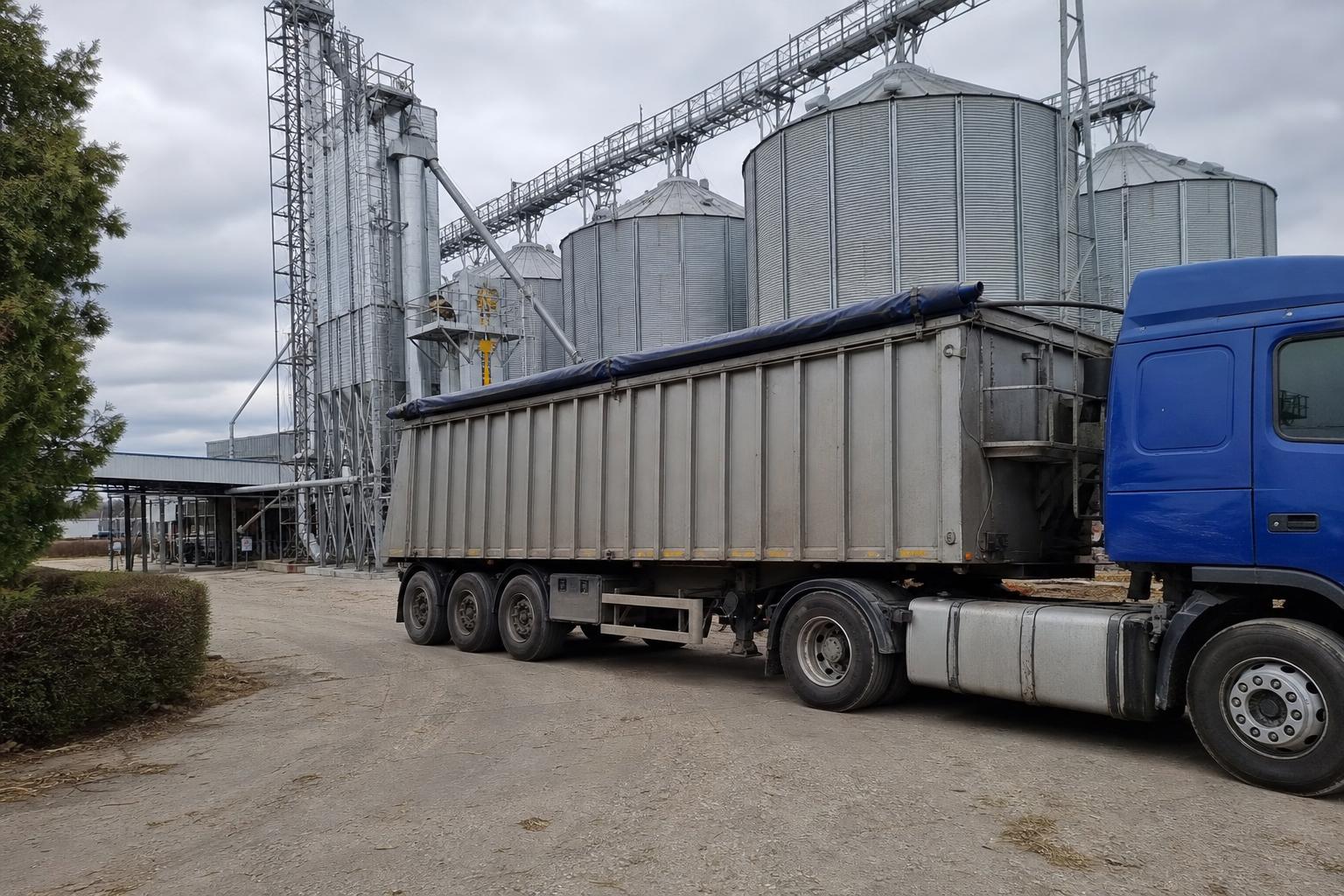
On the grain market, it is important to plan both delivery and post-harvest handling. Trucking data show mixed rate trends and a shift of some freight flows to western Ukraine.
For farms and traders, this means checking the cost of each specific route, carrier availability, and the elevator’s capacity to receive and dry grain.
Trucking rates varied by distance
According to Ukrvantazh AGRO, rates on routes of 201–300 km and 401–500 km fell by 4% last week. The cost of transport over distances of 301–400 km rose by 2%.
Average rates increased by 6% on short routes of up to 100 km and on distances of 501–600 km. The overall figure therefore cannot replace a calculation for the specific route and haul distance.
Western routes gain momentum, while the south remains important
The sample showed a larger share of shipments from western regions, while the number of routes from frontline regions declined. The largest interregional flow was from Khmelnytskyi region to Zakarpattia region. Routes from Ternopil region to Zakarpattia and Lviv regions were also active.
Western destinations included Chop, Chornotysiv, Stavchany and Mostyska II. Grain continued to move to port destinations in Odesa region as well, including Izmail, Reni and Pivdenne.
Higher diesel prices also affected carriers’ costs: average prices rose by 0.2–0.9% in almost all regions last week.
A dryer with an aspirator installed in Lviv region
A Perry grain dryer with a capacity of 30 t/hour and a built-in aspirator was installed at a site in Lviv region. The aspirator separates dust, chaff and awns before the grain enters the drying column.
Aspiration reduces the amount of light impurities entering the dryer, but does not replace a full-scale primary cleaning separator. According to the company, this solution may be of interest to small and medium-sized farms; existing Perry dryers can also be retrofitted with an aspirator.
What to check before shipping
- Request a current rate for the specific route and volume.
- Confirm vehicle availability and whether the destination may change.
- Check whether the grain needs cleaning before drying and what equipment is available at the elevator.
- Compare the total cost of logistics and post-harvest handling, not just the transport rate.
What this means for the market: grain trucking rates remain route-dependent, and freight flows are shifting geographically. Sellers and buyers on AgroPost should agree on the loading point, delivery arrangements and grain quality requirements from the outset, while farms should match their post-harvest handling needs to available drying capacity.
Comments
No comments yetNo comments yet - be the first.