
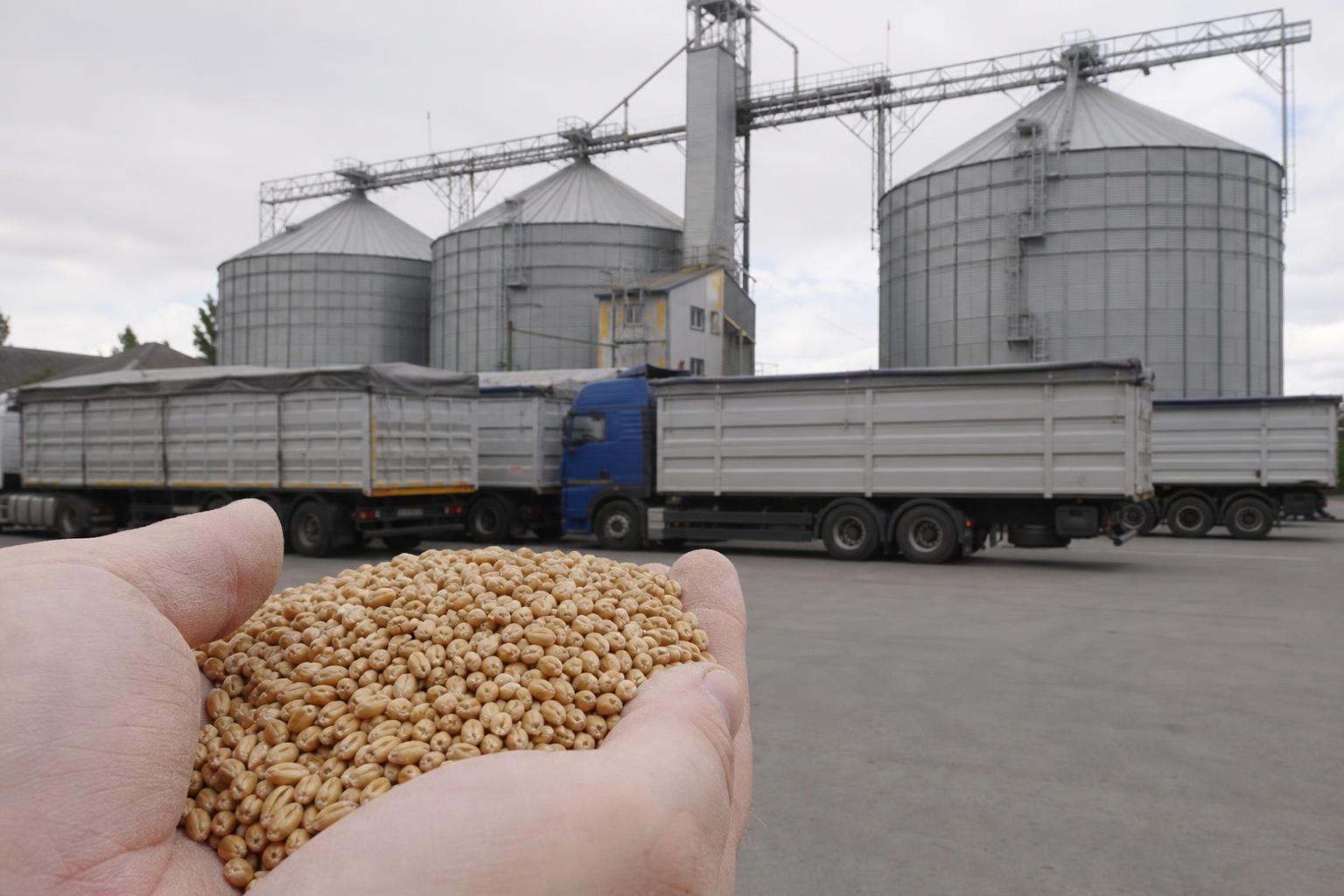
In the international wheat market, a noticeable price benchmark has emerged: the Algerian state grain operator OAIC purchased approximately 720,000 tons of soft milling wheat at an auction held on August 5.
The purchase price, according to market estimates, was around $289–290/ton C&F. This is higher than the previous tender level, prompting Ukrainian sellers to pay closer attention to demand for milling wheat and buyer quality requirements.
Algerian Tender: Why It Matters for Wheat Sellers
Algeria purchased wheat of any origin, meaning the tender was not tied to a specific supplier country. This is an important signal of competition among origins, where not only price but also logistics, shipment deadlines, and compliance with specifications become decisive.
The delivery of the purchased wheat is scheduled in three windows: September 15–30, October 1–15, and October 16–31. These dates are significant for traders and elevators planning accumulation, processing, and shipment during the active season.
The current price at the tender was approximately $25/ton higher than at the previous auction, where the market valued the purchase at $264–265/ton C&F. Sources also indicate that it exceeded the level of the July 15 tender, where the purchase was estimated at $253–257/ton C&F.
Ukrainian Market Should Not Mechanically Transfer C&F Prices to Domestic Purchases
The C&F price includes delivery to the destination port, so it does not directly equate to the price at the elevator or in the Ukrainian port. For Ukrainian sellers, it is important to calculate netback: costs for domestic logistics, transshipment, financing, quality processing, and contract fulfillment risks.
At the same time, the fact that the price on a large import tender is higher can support the expectations of milling wheat sellers. This is especially relevant for batches with confirmed quality indicators and readiness for quick formation of vessel or container volumes.
Elevators: Quality and Safety Confirmation Become Part of the Price
An additional signal for the elevator segment is the focus on grain safety after drying and the correctness of technical claims in the market. In the case involving GRECO Group equipment, the court found the information about allegedly dangerous benzopyrene concentrations in grain after drying on this equipment to be unreliable.
According to data published by the company, corn samples after drying were tested at the international SGS laboratory and the Vinnytsia Standard Metrology testing center. The benzopyrene content in the samples was below the quantification limit of the applied methods.
For elevators, the practical conclusion is simple: during active sales periods, grain quality must be not only factual but also documented. Buyers increasingly evaluate not only protein, moisture, or test weight but also risk control in processing and storage.
Key Takeaways for AgroPost Participants
- For wheat sellers: update proposals with clear indication of class, basis, volume, storage location, and available shipment dates.
- For buyers: promptly secure batches with confirmed quality that meet export specifications.
- For elevators: prepare a package of documents regarding drying, cleaning, laboratory analyses, and traceability of batches.
- For traders: calculate the economics of the deal from domestic purchase to final C&F basis, rather than relying solely on headline tender prices.
What this means for the market: External demand for milling wheat provides a positive price signal, but actual margins in Ukraine will depend on logistics, batch quality, and the ability of elevators to confirm safe processing with documentation rather than just statements.
Comments
No comments yetNo comments yet - be the first.