
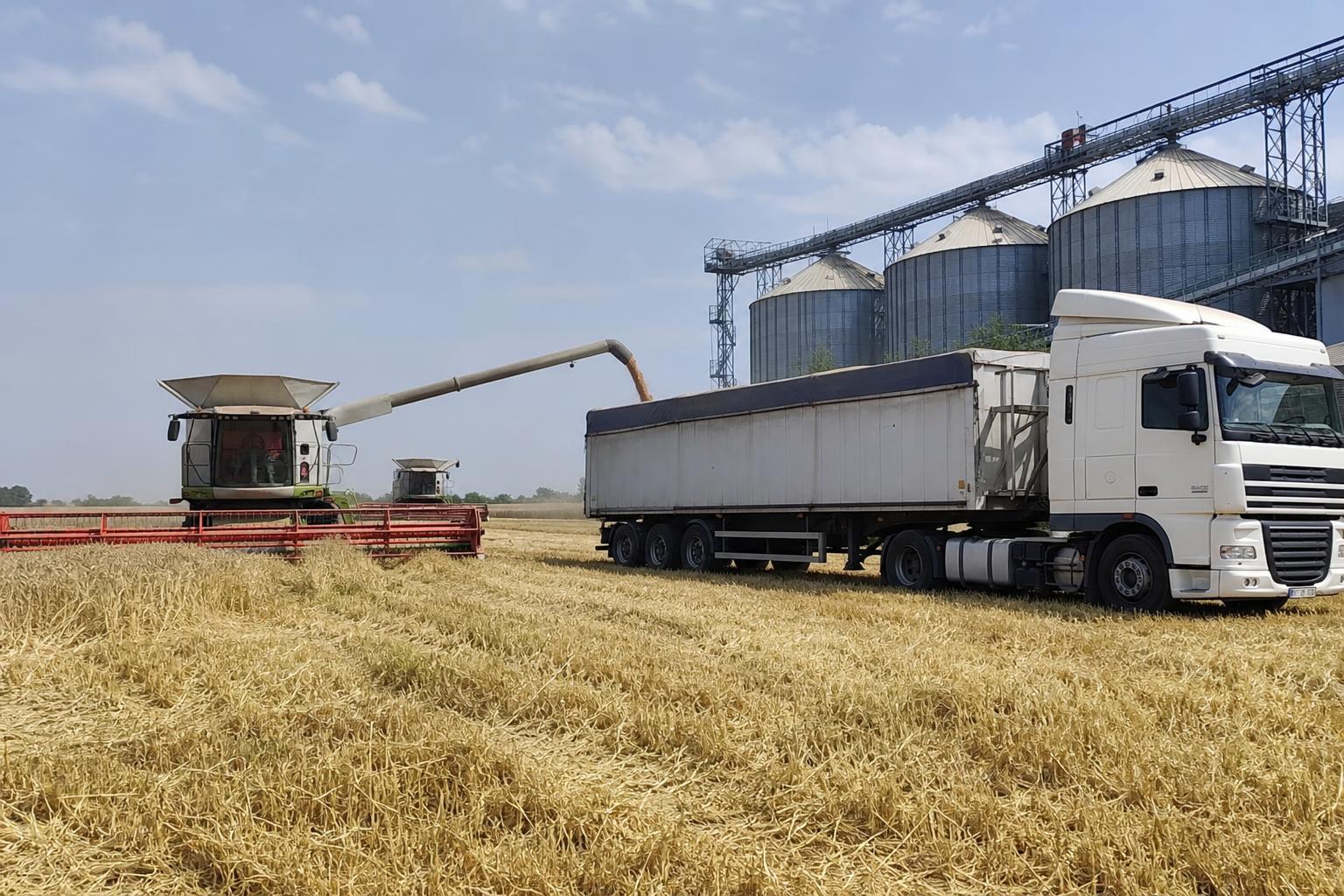
The start of harvest immediately creates demand for short-distance domestic transportation: from field to elevator, warehouse, or onward shipment point. For grain sellers, this period influences not only the speed of sale but also the actual margin of the deal.
Initial data from regions show that the market is gradually entering the season, already experiencing noticeable load on reception capacities and transport. For AgroPost, this is a relevant segment of announcements: grain transportation, elevator services, buyer searches, and supply coordination.
Lviv Region: Early barley already shaping local freight flows
In Lviv region, the harvest campaign began on July 1 with the threshing of early cereals. The first to start harvesting winter barley were farms in Drohobych, Lviv, Sambir, Stryi, and Sheptytsky districts.
According to operational data, farmers in the region have already threshed 2,800 hectares, or 18.2% of winter barley fields. They have harvested 20,000 tons of grain, with an average yield at the start of 72.5 c/ha.
For logistics, this means the appearance of the first stable batches of grain that need to be promptly transported from the field. Even if the main volume is still ahead, carriers should coordinate routes, acceptance queues, and transportation requirements in advance.
Odesa Region: Elevators are already accepting new crop grain
In the north of Odesa region, Tekom Agro Group elevators have begun accepting grain of the 2026 harvest. The first batches are arriving at facilities in Podilsk district.
The first to start accepting winter barley was the "Podilsk Grain Processing Plant," followed by the "Chubivsky Bread Products Plant," marking an important signal for the transportation market: elevator infrastructure is already in the rhythm of the new season.
According to the company, the winter barley grain arriving is well-filled, with a bulk density of 670 g/l and good organoleptic quality indicators. For carriers and sellers, this is a reason to carefully plan not only delivery but also the documentation of batch quality.
What to consider when organizing transportation
- Acceptance schedule. Before dispatching, confirm the time and conditions for entering the elevator to avoid delays.
- Grain batch consistency. Early volumes may be uneven, so sellers should consolidate batches or agree on partial shipments.
- Transport condition. For grain transportation, cleanliness of the body, intact tarpaulin, and absence of residual loads are critical.
- Logistics cost. During harvest, demand for grain carriers usually increases, so transportation conditions should be fixed before peak dates in specific regions.
- Communication with buyers. If grain is sold with delivery, agree in advance on the acceptance point, permissible quality indicators, and weighing procedures.
How to use AgroPost during the harvest season
Grain sellers should publish ads clearly indicating the crop, volume, shipment district, and preferred delivery conditions. This reduces negotiation time and helps find buyers or carriers faster.
Carriers should update their offers regarding available transport, routes, and trailer types. During early grain seasons, demand is often local, so precise geographic targeting in ads can be a competitive advantage.
Elevators and procurement companies benefit from communicating readiness to accept grain, basic quality requirements, and contact channels for schedule coordination. This reduces queues and unplanned delays during the initial weeks of harvest.
What this means for the market: The start of harvest in western and southern regions already activates internal grain logistics. Participants who coordinate transport, elevator acceptance, and sales conditions in advance will have the best position, avoiding peak transportation loads.
Comments
No comments yetNo comments yet - be the first.