
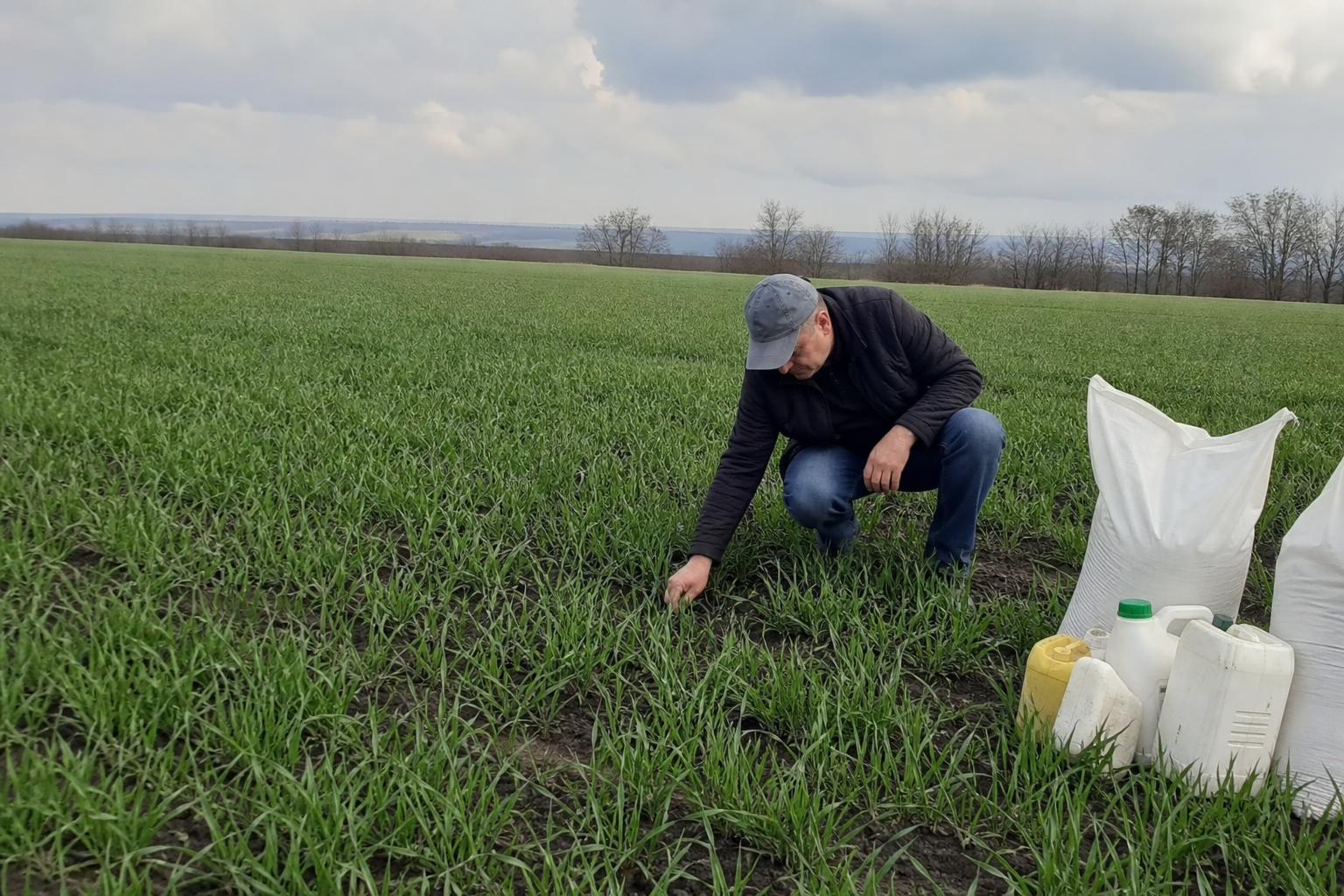
At the start of winter crop sowing, agricultural producers once again weigh the costs of seed protection. One of the key risks of the season is saving on insecticidal seed treatment, which can lead to uneven seedlings and weaker plant development before wintering.
For pesticide sellers and buyers, this is a practical signal: demand will be shaped not only by fungicidal solutions but also by comprehensive early protection against soil and early post-emergence pests.
Where Risks for Winter Crops Arise
In the early stages of development, winter crops can be damaged by pests operating in the soil or becoming active immediately after seedlings emerge. They affect seeds, seedlings, and root systems.
The consequence for the field is thinning of crops, patchy areas, and weaker plant start. Damaged plants are less efficient at accumulating resources necessary for winter survival.
Why Post-Emergence Treatments Do Not Always Replace Seed Treatment
Foliar spraying can be part of a protection system, but it does not cover all initial risks. Specifically, for soil pests, this approach has limited effectiveness, as the problem develops before the plant fully emerges.
If seeds are not protected at the start, farms may incur additional costs during the growing season. Moreover, correcting stand density losses or root damage after the fact is more difficult than preventing them during seed preparation.
Pests in Focus for Pesticide Buyers
In the segment of insecticidal seed treatments for winter crops, buyers primarily pay attention to the claimed control of soil and early pests. The list of risks reported by market experts includes wireworm larvae, winter cutworm, bread beetle, wireworms, aphids, cereal flies, and thrips.
The market offers contact-systemic solutions. For example, Ukravit reports a seed treatment based on clothianidin 525 g/l and bifenthrin 125 g/l: the first active ingredient has systemic action, while the second provides contact efficacy.
What Sellers and Buyers Should Consider on AgroPost
- Buyers should clarify the crop, pest spectrum, active substances, application rates, and compatibility with fungicidal seed treatments.
- Sellers should specify active ingredients, concentration, formulation, packaging, certification availability, and shipment region in their offers.
- For comprehensive protection, compatibility of insecticidal seed treatments with fungicides is crucial if the farm plans a single seed treatment operation.
What this means for the market: the demand for seed treatments for winter crops remains well-founded within the plant protection category. For farmers, it is a way to reduce initial sowing risks, and for pesticide suppliers, an opportunity to tailor offers more precisely to sowing needs, beyond just fungicidal protection.
Comments
No comments yetNo comments yet - be the first.