
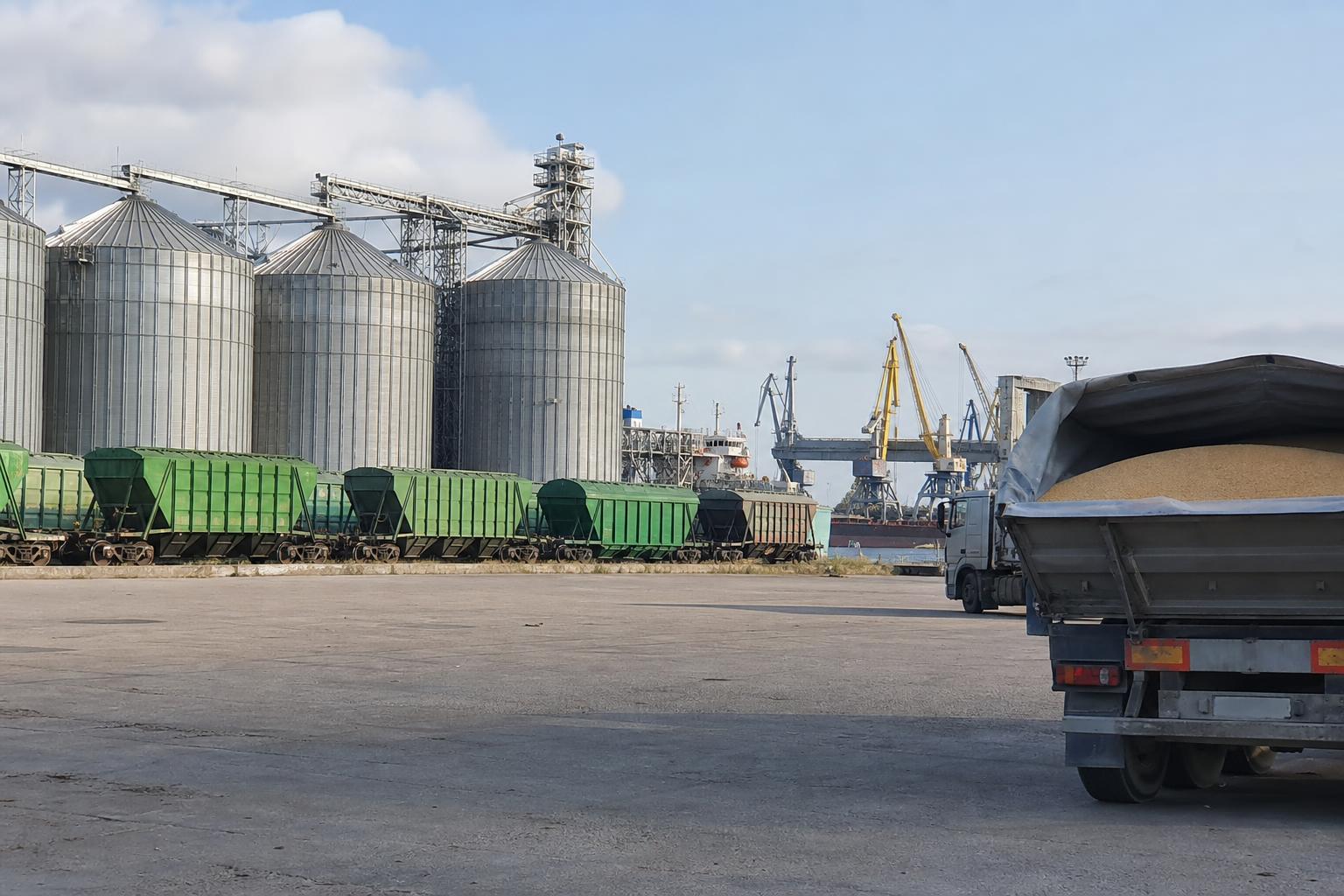
In the grain logistics market, the role of delivery basis has once again gained importance. According to data provided by White Brokers analysts, last week Ukrainian corn prices fell to $217/ton on DAP port terms and to €193/ton on FCA western border conditions.
For transportation participants, this is not only a matter of grain price. The difference between port and border directions directly influences route selection, vehicle loading, railway, elevator, and terminal operations.
Changes in Export Bases
The decline in corn quotations coincided with decreased activity among buyers. Sources note that Turkey, which at the beginning of the week remained among the key demand destinations, later nearly halted purchases.
Additional pressure comes from competition with cheaper Latin American corn. For Ukrainian exporters, this means tougher negotiations not only on the price of the commodity but also on the cost of delivery to the port or border.
Active sales of old crop residues by Ukrainian farmers and traders’ desire to quickly unload accumulated stocks also intensify competition among sellers. Under such conditions, logistics costs become one of the key arguments in commercial offers.
Port or Western Border: How to Calculate the Route
The DAP port basis indicates a reference point for delivery in maritime logistics. FCA western border reflects a different sales model, where the buyer or trader more often takes on the organization of further cargo movement after the transfer point.
When prices on both bases decline, sellers should separately calculate net revenue after delivery. It is important to compare not the nominal price but the result after expenses for road transport, railway dispatch, transshipment, delays, and possible route bottlenecks.
- For sellers: update proposals with clear indication of basis, loading point, available volume, and shipment deadlines.
- For buyers: it is advisable to compare not only the price per ton but also the readiness of the batch for quick shipment.
- For carriers: stability of schedule, queues at elevators and terminals, and the possibility of backhaul loading are crucial.
Black Sea Competition Intensifies Pressure
An additional factor for Ukrainian logistics is the expected high wheat harvest in Romania. According to Argus estimates, the country could harvest 13.86 million tons of wheat with an average yield of 5.9 t/ha if weather conditions remain favorable until harvest.
Romanian wheat fields cover approximately 2.35 million hectares. The largest yield increase is expected in the southeast near the port of Constanța — an important hub for Black Sea grain trade.
For the Ukrainian market, this means buyers in the Black Sea basin will have more alternatives. Ukrainian corn sellers and logistics operators will need to pay closer attention to schedules, service quality, and final delivery costs.
Practical Conclusions for AgroPost Participants
In the short term, the market remains sensitive to demand from importers and the cost of alternative grain. Therefore, announcements of sales or transportation of corn should be as specific as possible.
- Specify the delivery basis: DAP port, FCA border, or other agreed format.
- Indicate separately the warehouse or elevator location, available volume, and possible shipment period.
- For transportation requests, include the type of transport, route, loading requirements, and documentation procedures.
- Buyers should request a complete logistics calculation, not just the initial grain price.
What this means for the market: falling corn prices make logistics a decisive element of the deal. Those who quickly calculate route economics and transparently present their offers will have better positions in negotiations on AgroPost — both in grain sales and in finding transport.
Comments
No comments yetNo comments yet - be the first.