
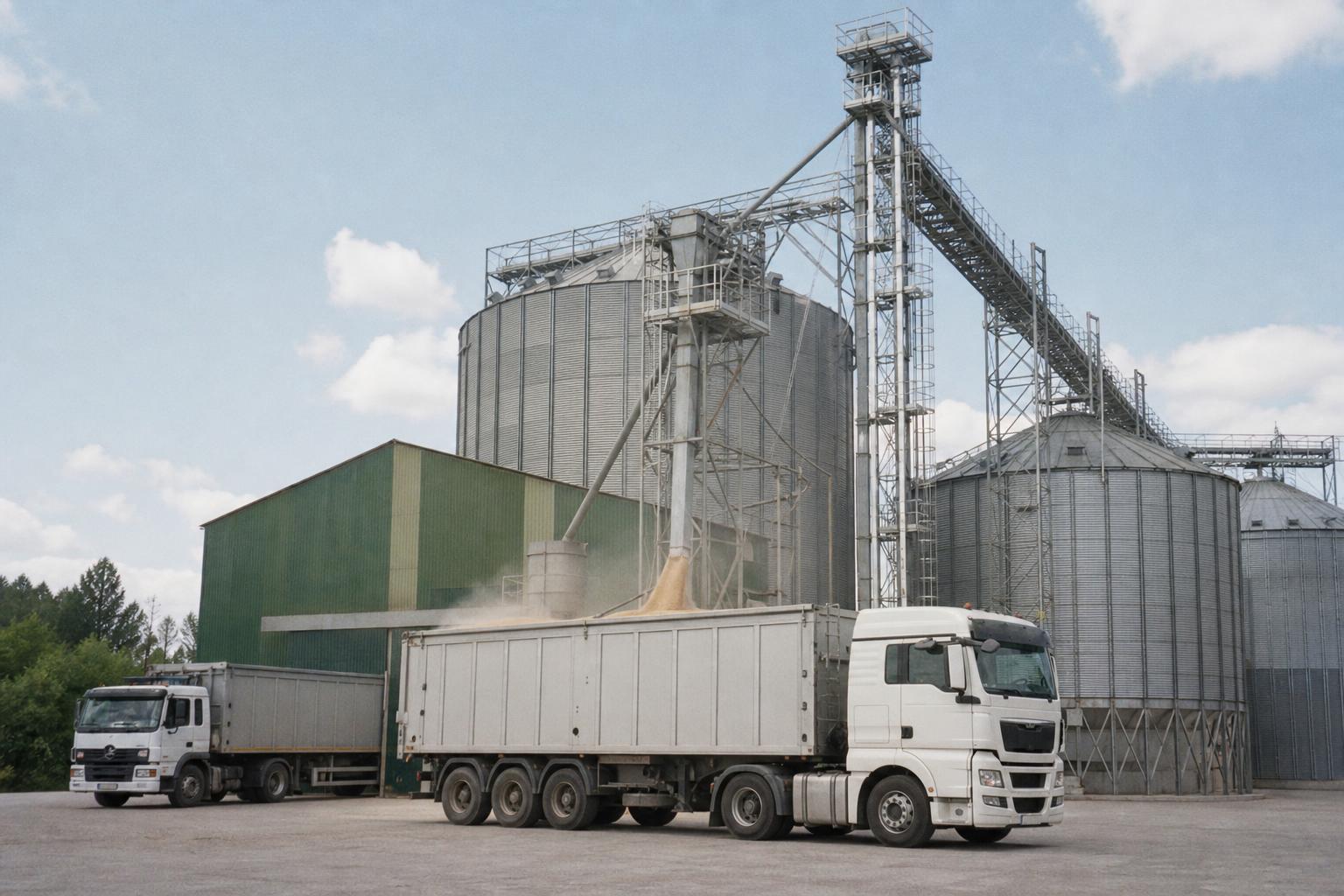
Ukrainian agricultural logistics is entering the new harvest season with uneven access to elevator capacities. Some operators are forced to reroute, find new acceptance points, and shift operations to less risky locations.
For farmers and traders, this is not only a storage issue. The choice of elevator affects transportation costs, shipment speed, grain processing quality, and the ability to fulfill contracts on time.
Elevators Become a Key Point in Logistics Planning
A demonstrative example is the work of "OptimusAgro Trade" with Buzivskyi VSP in Dnipropetrovsk region. The company began using this elevator after losing its own capacities in the region.
According to the company, the new site is already accepting grain from the new harvest. This step allows maintaining customer relations, supporting partnerships, and partially replacing the lost infrastructure.
The annual turnover target for Buzivskyi elevator in the marketing year is set at 60–100 thousand tons. However, actual loading will depend on external factors, including security situation, yield, storage demand, and transportation availability.
What Grain Sellers Should Check Before Shipment
When elevator networks change, sellers need to consider more than just geographic proximity. A cheaper delivery route may lose its advantage if there is a queue, acceptance restrictions, or higher processing costs at the site.
- Availability of free slots. Before delivery, confirm the acceptance schedule and the possibility of prompt unloading.
- Tariffs for services. Clarify costs for drying, cleaning, storage, and loading onto trucks or rail.
- Logistical margin. Compare not only distances but also route conditions, risks of delays, and carrier availability.
- Quality conditions. It is important to know in advance which parameters the elevator accepts and how processing costs are calculated.
Processing May Increase Internal Logistics Load
An additional factor for the market is the development of internal processing of agricultural raw materials. According to the Ministry of Economy, Ukraine’s bioethanol production capacities have increased by more than 2.5 times, or 160%, over the past year.
Currently, 10 out of 17 licensed bioethanol producers are operational. Current production is estimated at 180–200 thousand tons per year, and existing capacities already allow doubling output.
For logistics, this means a potential increase in domestic demand for transporting corn or other biomass. The Ministry of Economy estimates that a plant with a capacity of 100 thousand tons of bioethanol per year can process up to 350 thousand tons of corn or other biomass.
This factor does not replace export logistics but may influence competition for transport, local routes to processors, and elevator loading in regions with access to such facilities.
Key Takeaways for AgroPost Participants
- Grain sellers should proactively secure acceptance conditions, as demand for alternative elevators may grow selectively.
- Buyers and traders need to incorporate not only base prices but also the actual transportation costs to accessible infrastructure into their pricing.
- Carriers should monitor new cargo concentration points, especially elevators that are capturing flows after losing other capacities.
- Corn producers should track not only export channels but also demand from domestic processing.
What this means for the market: Ukraine’s agricultural logistics is becoming more flexible but also more dependent on the availability of specific elevators, tariffs, and short routes to buyers or processors. On AgroPost, this emphasizes the value of listings with clear location, self-pickup conditions, delivery options, and current contact details for quick agreement on shipments.
Comments
No comments yetNo comments yet - be the first.