
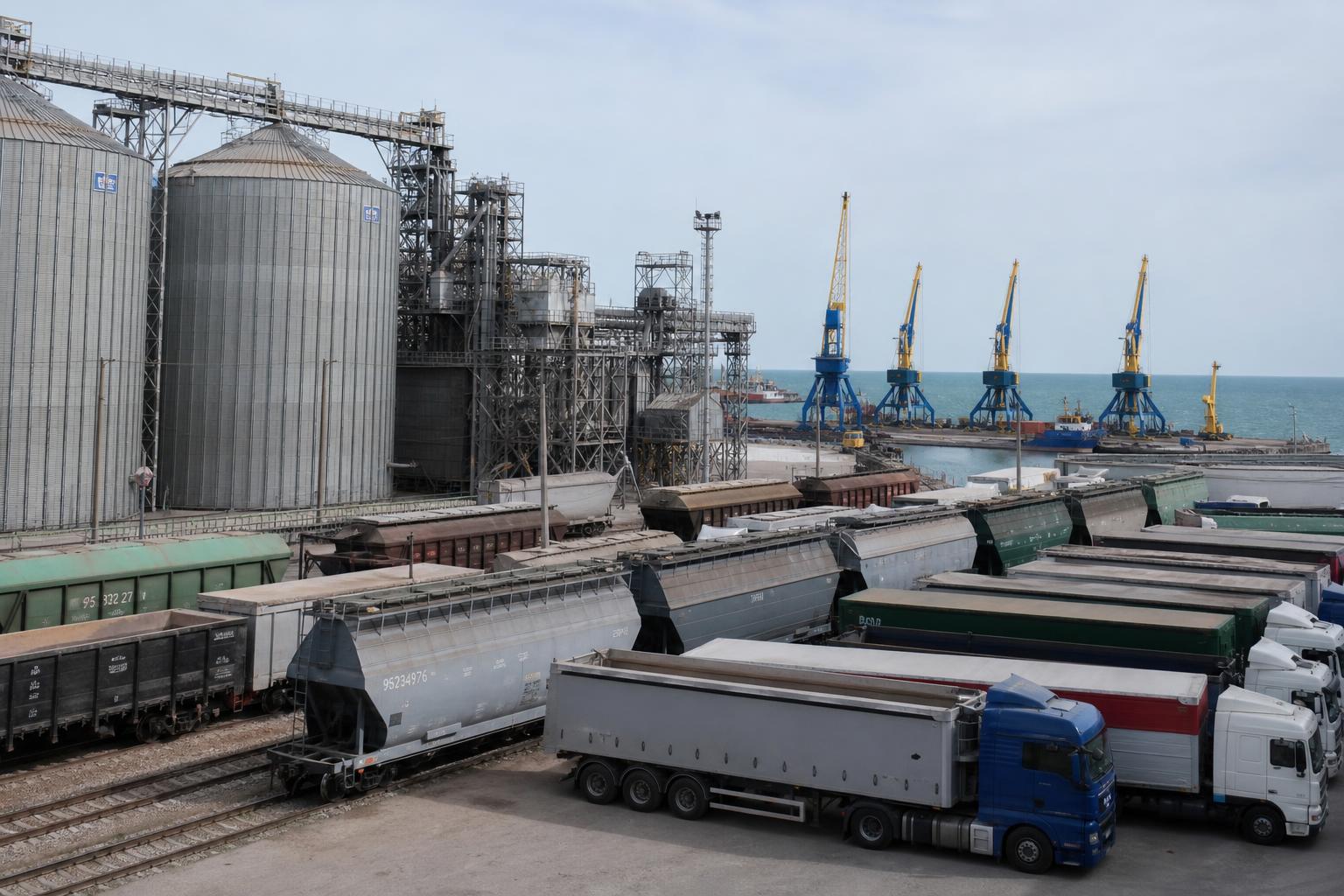
Ukrainian agricultural logistics enters the second half of July with heightened security concerns. While seaports continue operations, attacks on infrastructure and civilian vessels are already affecting transportation rhythms and trade activity.
For agricultural producers, traders, and carriers, the key issue now is not only the grain price but also the ability to quickly confirm routes, shipment windows, and the readiness of buyers to accept goods under changed conditions.
Ports remain operational, but risks have increased
According to the Ukrainian Sea Ports Authority, in the first two weeks of July, Russia carried out 23 strikes on Ukrainian seaports and 17 attacks on civilian vessels. Reports indicated 11 fatalities and seven injuries.
Among those affected were port workers, employees of maritime-related enterprises, and foreign crew members of civilian ships.
Despite this, the USPA emphasizes that Ukrainian ports have not ceased operations. In the first half of 2026, they handled 42.4 million tons of cargo. Agricultural products accounted for the largest share — 23.6 million tons, which is 20% more than in the same period of 2025.
Railway feels the impact of port-related risks
The situation on the railway has changed more rapidly. Ukrzaliznytsia reported a decline in daily grain loading volumes over the past week.
The reasons include two factors: increased attacks on port infrastructure and reduced grain sales. The port of Chornomorsk, according to market participants, was most affected, significantly decreasing grain acceptance.
Other seaports, according to railway reports, are currently operating without critical issues, but their operational activities are hampered by prolonged air raid alerts.
Grain sales slow down along with logistics
Besides security concerns, the behavior of sellers and buyers influences loading volumes. Traders are more cautious when entering purchase agreements due to port risks, and some farmers are delaying sales in anticipation of better prices.
As of July 16, daily grain loading on the railway was estimated at 50–60 thousand tons. The average daily volume since early July was 61.1 thousand tons, nearly 28% less than in June.
This signals to the market that even with ports operating nominally, logistics chains may slow due to delays, acceptance restrictions, and lower willingness of parties to quickly close deals.
What sellers and buyers should consider
- Grain sellers should clarify the actual port or terminal throughput capacity before agreeing on shipment dates.
- Buyers should allocate extra time for railway delivery, especially if the route is linked to port infrastructure.
- Carriers need to promptly update the availability of wagons, vehicles, and routes, as demand may shift between directions.
- Participants of AgroPost should clearly specify in announcements the conditions for self-pickup, delivery, possible timelines, and preferred delivery basis.
What this means for the market: Ukraine’s agricultural logistics remains operational but has become more sensitive to security news and port restrictions. In the near future, transparent delivery conditions, confirmed routes, and flexible deadlines will be advantageous.
Comments
No comments yetNo comments yet - be the first.