
The Ukrainian grain market in the 2025/26 season remains export-oriented, but demand is increasingly segmented by crops and supply directions. For producers and elevators, this means the need for more precise planning of batch quality, shipment deadlines, and sales formats.
According to the Ukrainian Grain Association, key importers of Ukrainian grain include Turkey, Egypt, and China. Simultaneously, some agricultural companies are testing digital grain sales tools to expand competition among buyers and reduce manual work in trading processes.
Who is buying Ukrainian grain in the 2025/26 season
In corn, Turkey is the largest buyer with 6.46 million tons. Other notable destinations include Italy with 3.79 million tons, Spain with 1.93 million tons, the Netherlands with 1.68 million tons, and Israel with 934,000 tons.
In wheat, Egypt ranks first, purchasing 3.86 million tons. Following are Algeria with 2.78 million tons, Indonesia with 2.07 million tons, Yemen with 1.05 million tons, and Spain with 678,000 tons.
For barley, China is the leader with 487,000 tons. The top five importers also include Turkey with 297,000 tons, Libya with 230,000 tons, Saudi Arabia with 121,000 tons, and Lebanon with 115,000 tons.
What this means for grain sellers
The distribution of buyers by crop indicates that there is no one-size-fits-all export strategy. Corn, wheat, and barley have different key markets, and thus different requirements for batches, documentation, logistics, and commercial terms.
For farms and traders, it is important not only to monitor overall grain prices but also to understand which markets are driving demand. For example, a batch with appropriate quality indicators may be more attractive for a specific export channel than for a local buyer.
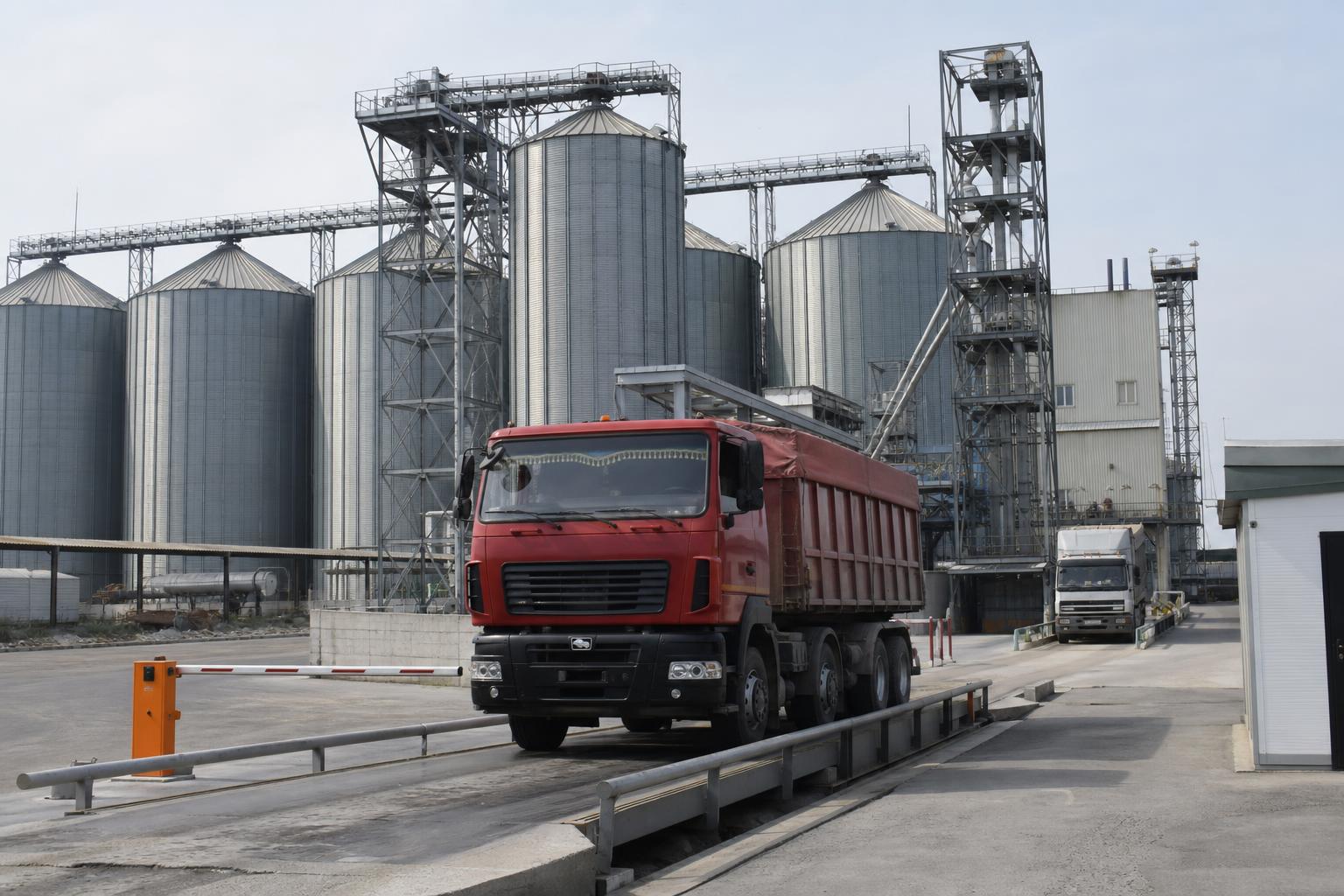
In such a situation, elevators should strengthen their role as service platforms: providing segregated storage, rapid formation of homogeneous batches, quality control, and readiness for shipment according to buyer requirements.
Online auctions as a tool for competition over batches
An emerging trend is the transition to digital grain trading. The agricultural division of SP "Khimopol" announced the switch to online auctions via eTender.Platform for the sale of grain crops.
The company explains that previously, sales were mainly conducted through phone negotiations with traders and processors. After launching the auction format, a broader range of participants can join the trades, and the process becomes more formalized and transparent.
The practical benefit for sellers is the ability to gather more competitive bids and reduce time spent on manual negotiations. For buyers, it offers easier access to batches of grain and clearer participation rules.
Key conclusions for AgroPost sellers and buyers
- Corn: the highest demand is from Turkey, but significant volumes are also directed to the EU and Mediterranean countries.
- Wheat: Egypt remains a primary target for export demand, with North Africa playing an important role overall.
- Barley: China leads the list of buyers, supported by demand from Middle Eastern and North African countries.
- Sales: open digital auctions can increase competition over batches if the seller clearly describes quality, volume, and delivery basis.
- Elevator logistics: speed in preparing documents, analyses, and shipments becomes part of the commercial advantage.
What this means for the market: Ukrainian grain sellers should combine monitoring export demand with more active use of competitive sales channels. For buyers on AgroPost, this signals the importance of closely tracking batches with confirmed quality indicators, and for elevators — enhancing services that help quickly bring grain to the desired market.
Comments
No comments yetNo comments yet - be the first.