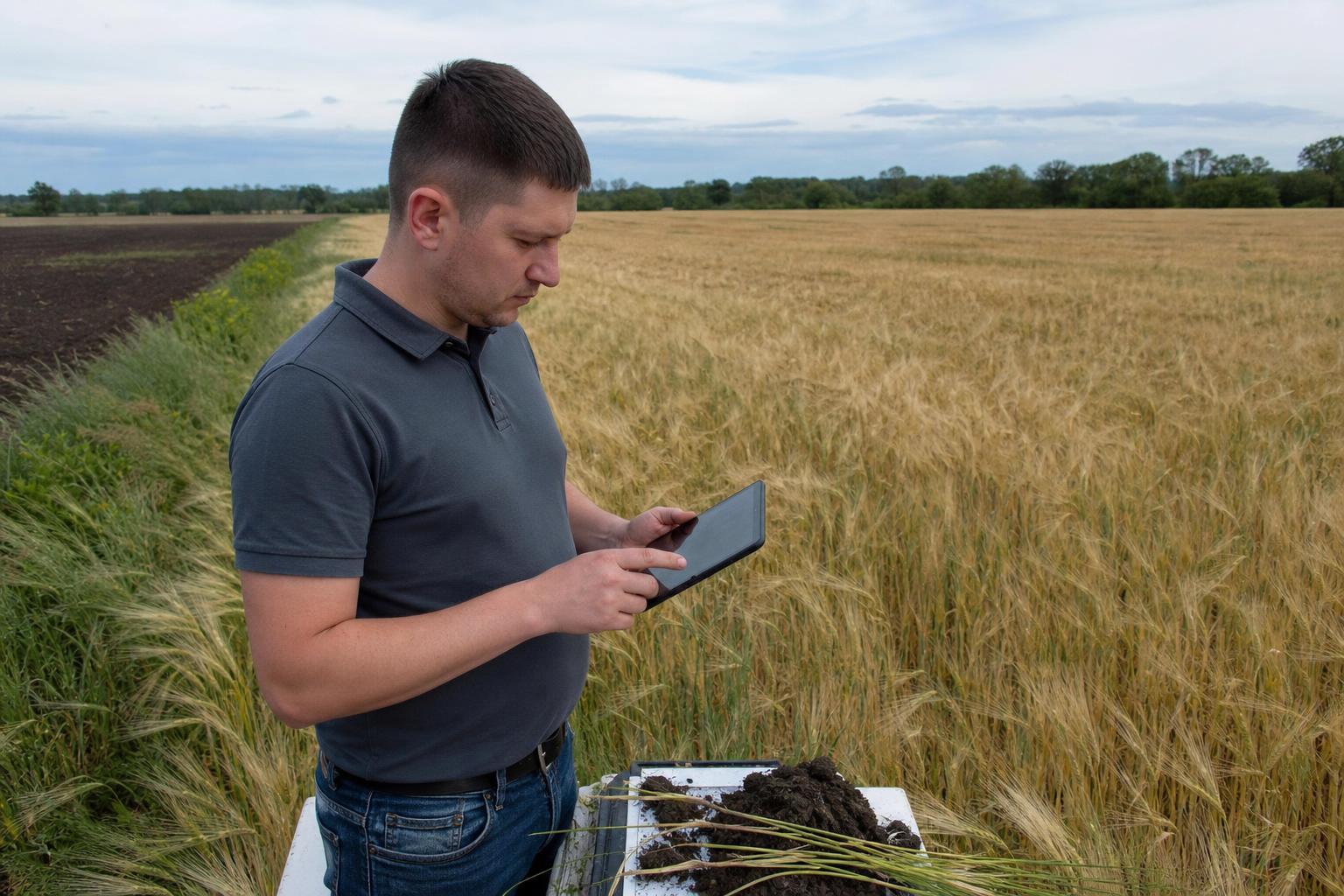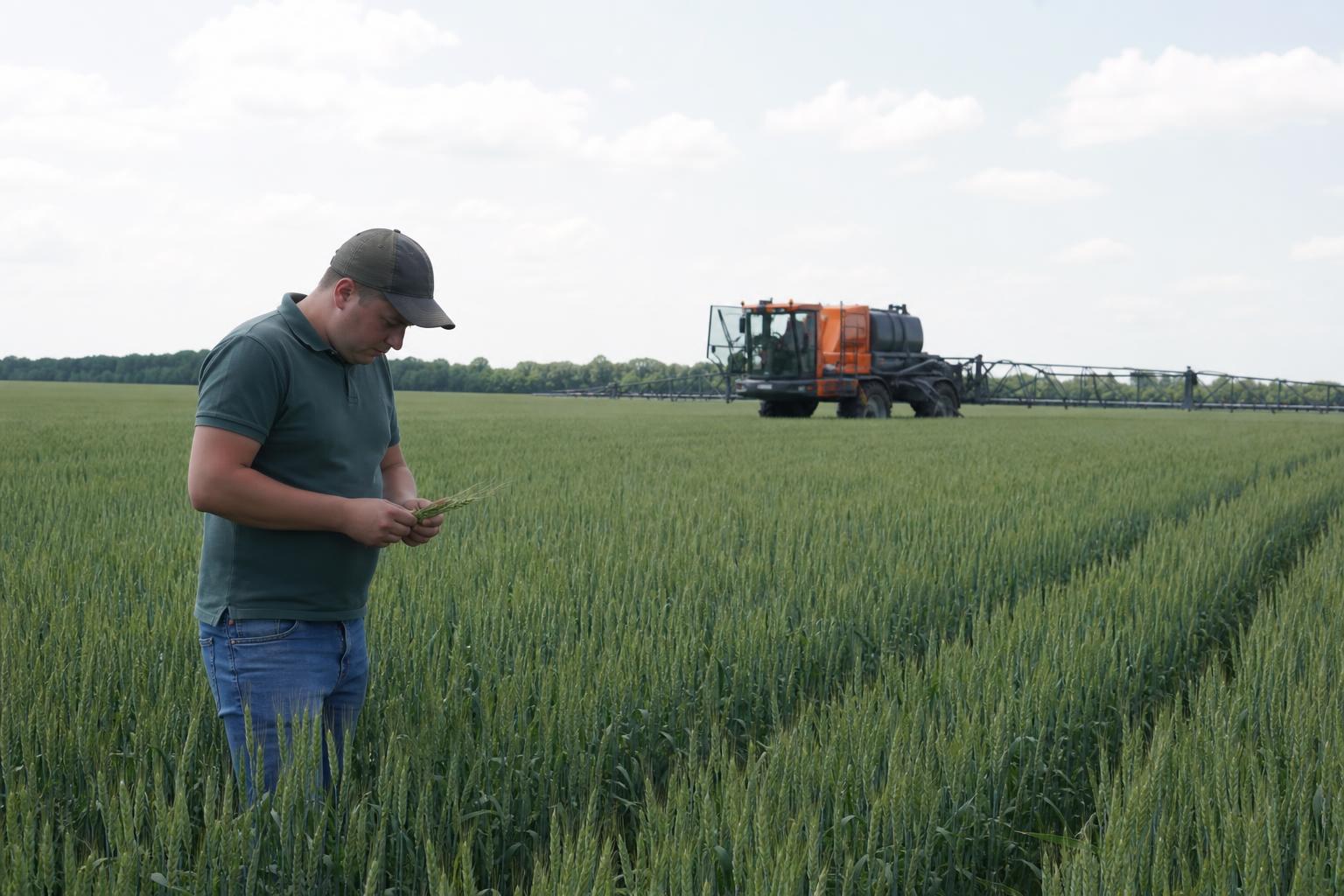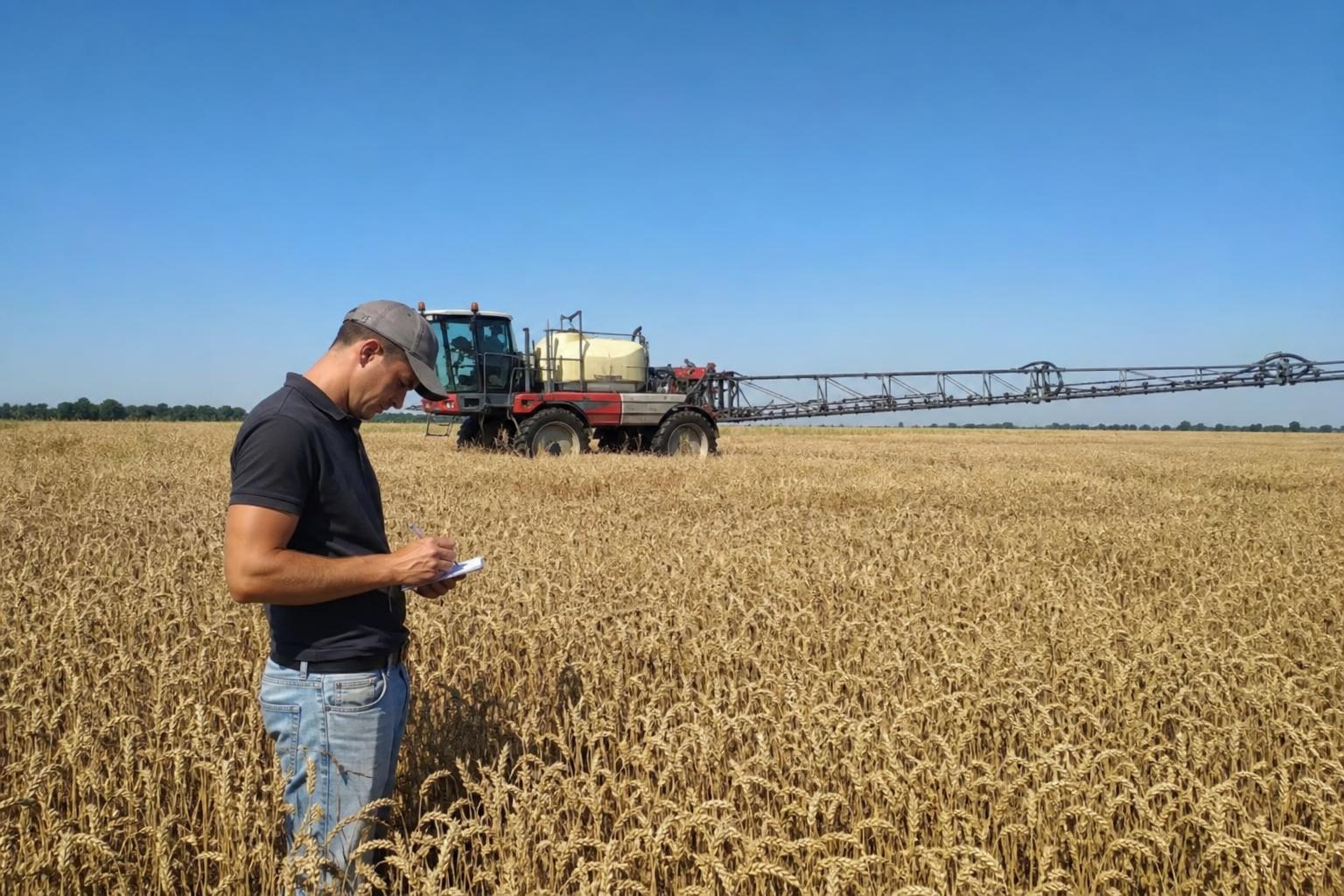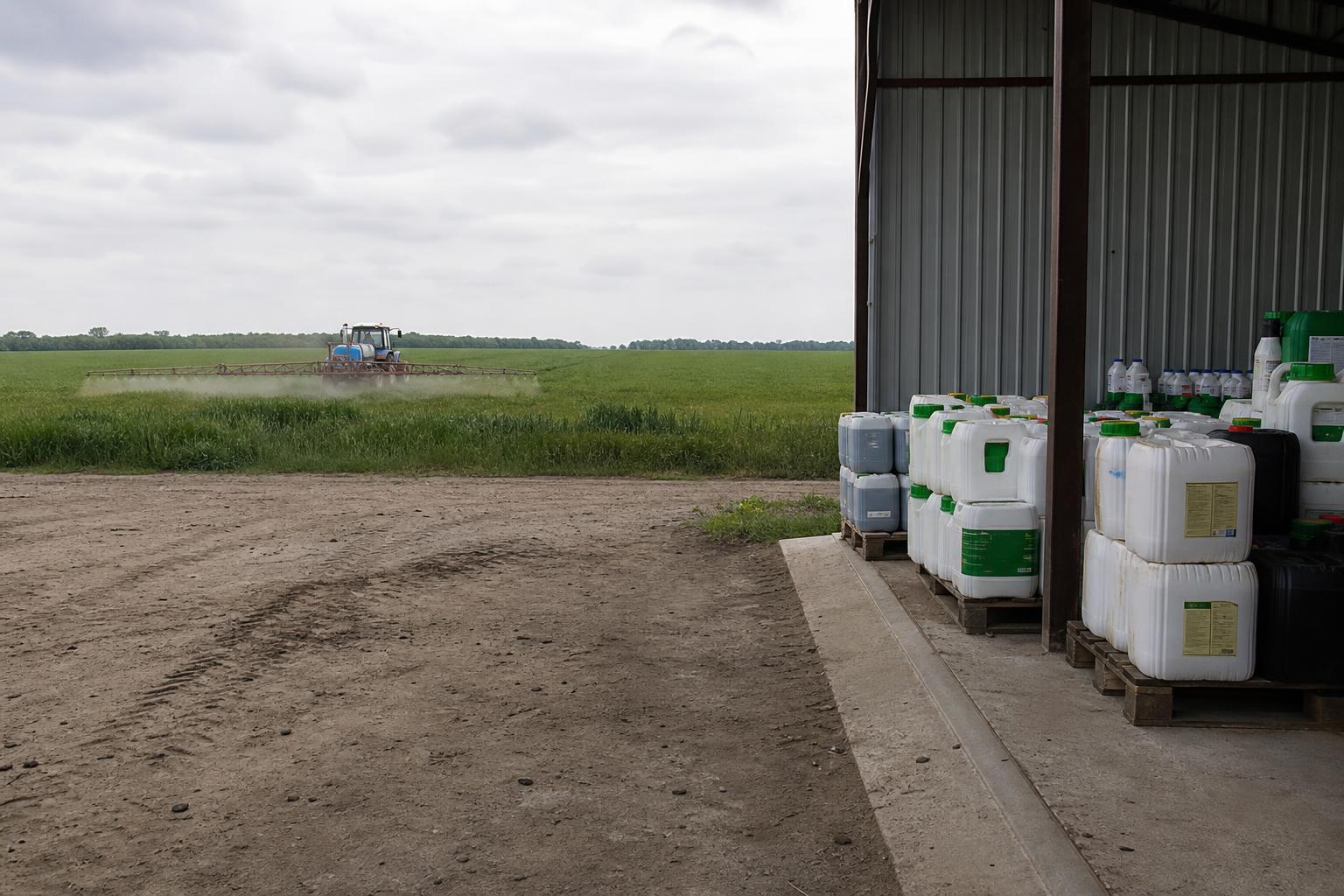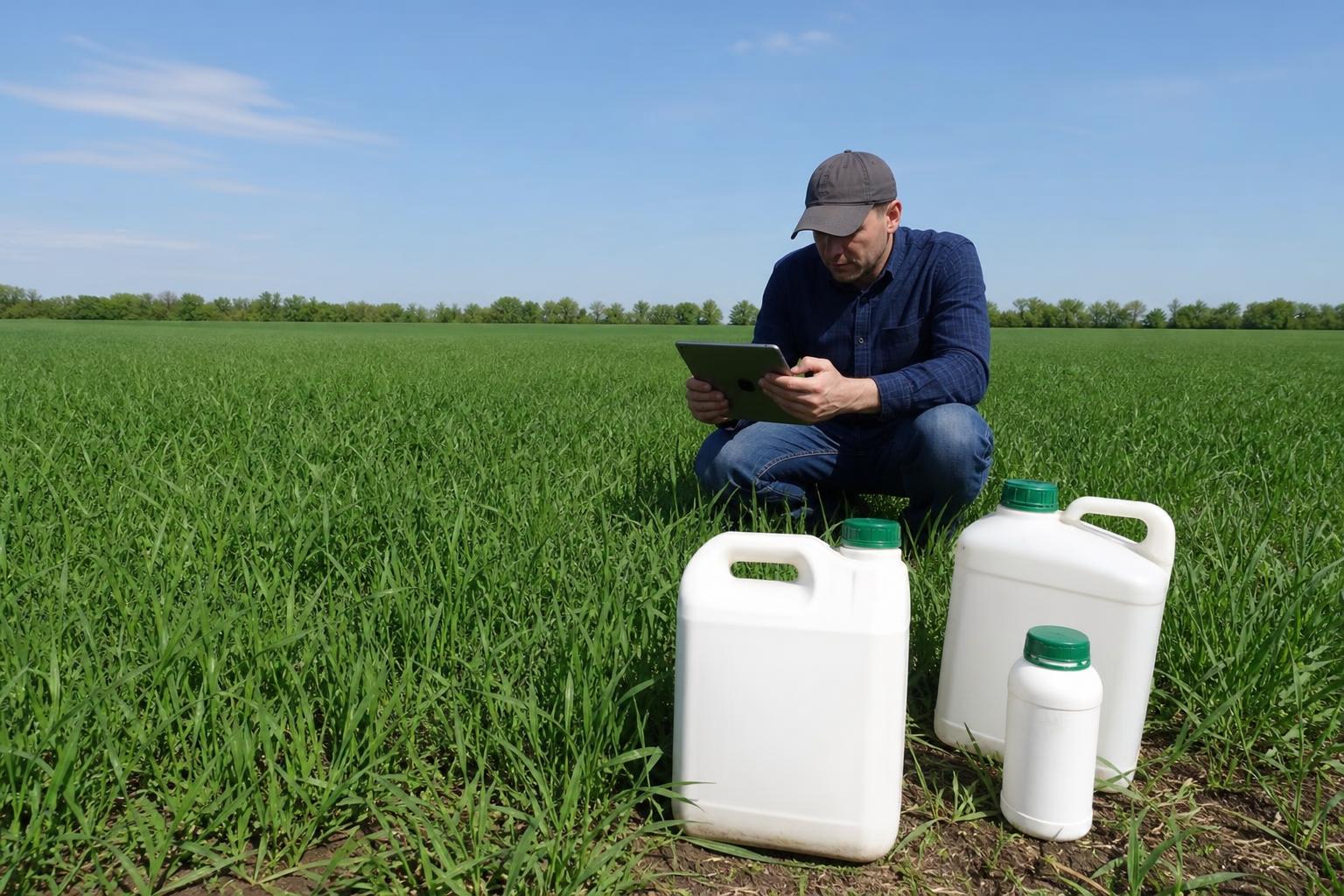
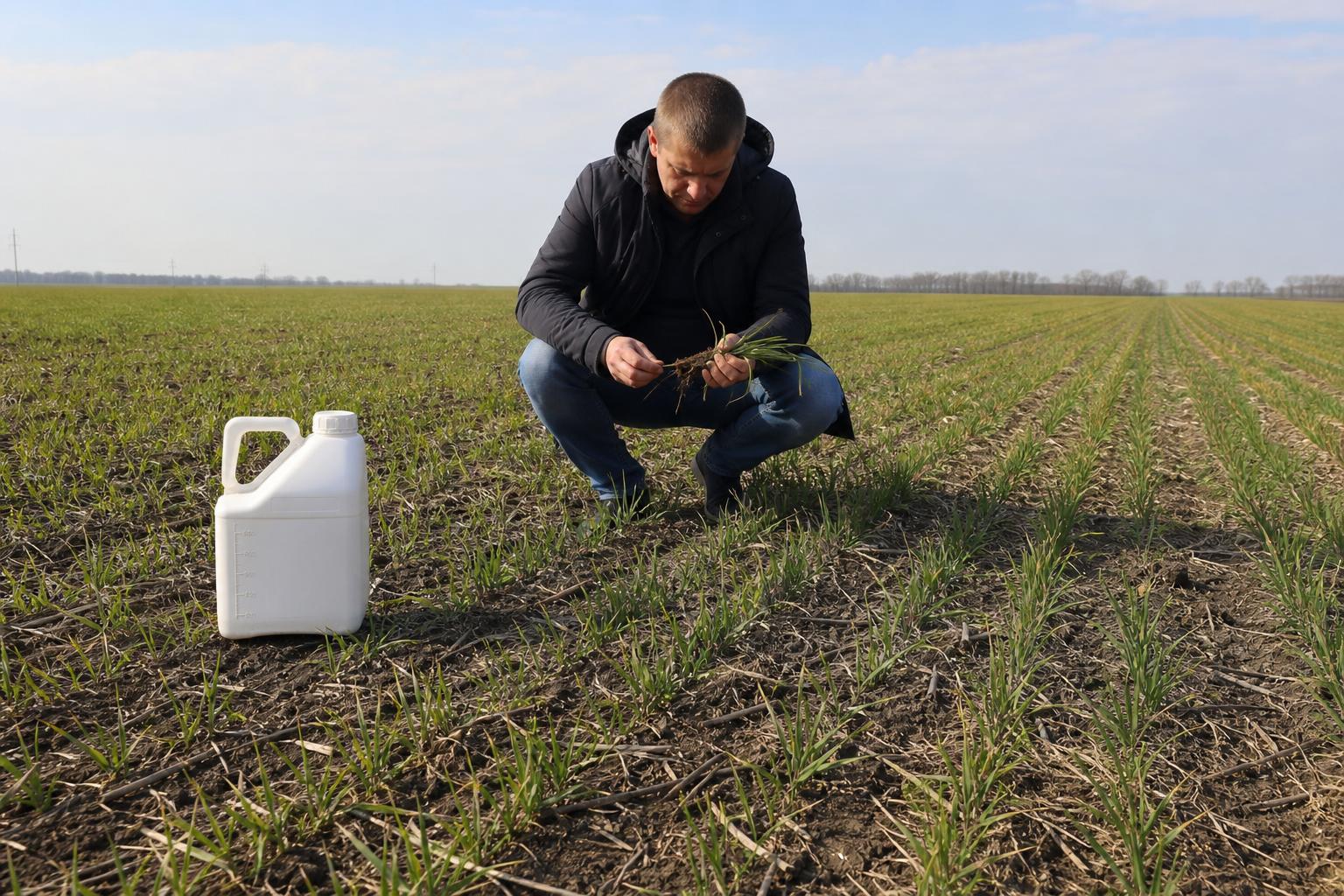
New data on Ukrainian soil quality reveal significant regional differences in acidity, humus content, and nutrient availability. This signals the agrochemical market to plan more precise solutions tailored to specific areas and fields.
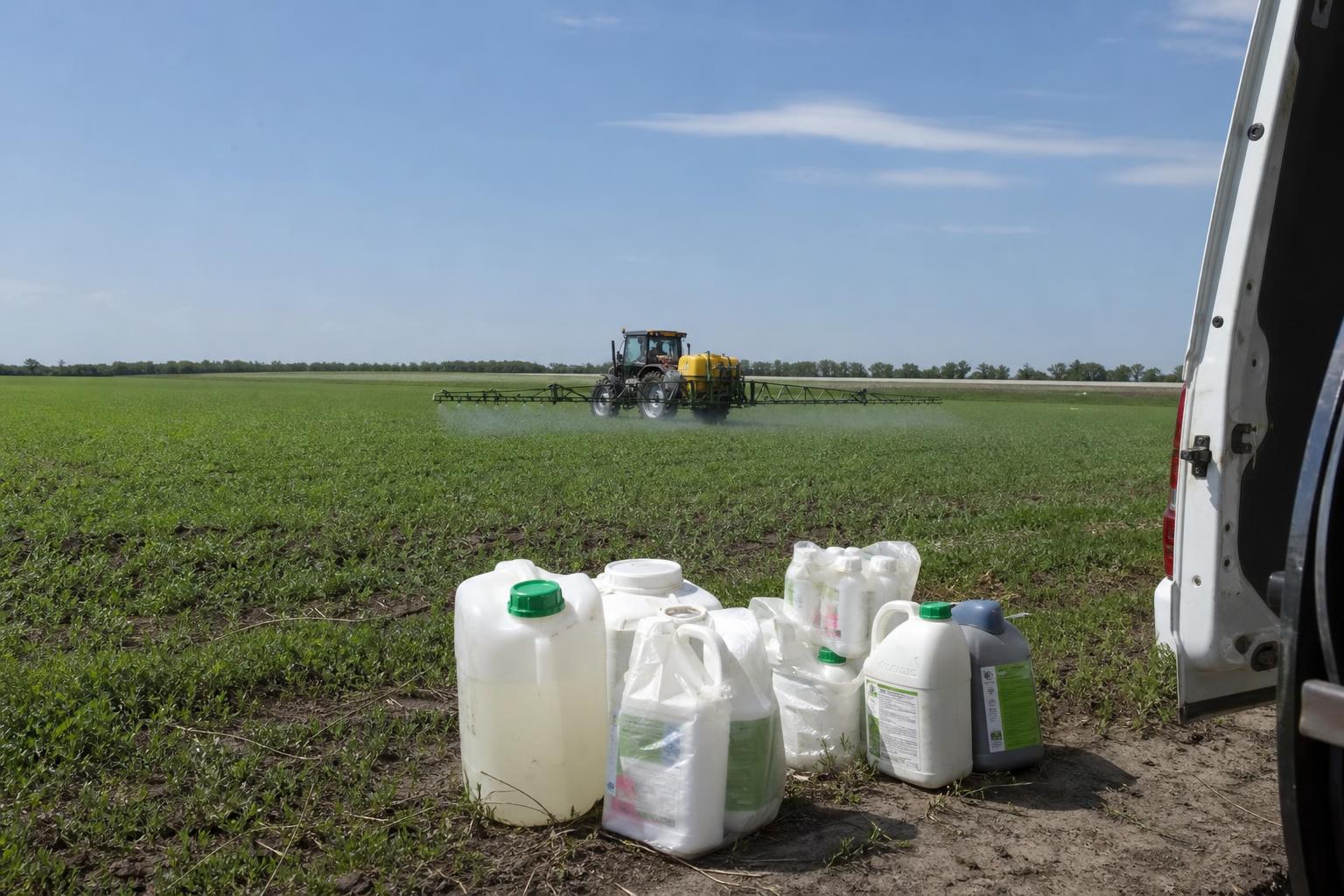
The Ukrainian market transitions to trading the new harvest, with updated customs rules for rapeseed. This signals growers to carefully plan herbicide, fungicide, and other crop protection purchases for autumn and spring, checking documents, residues, and logistics.
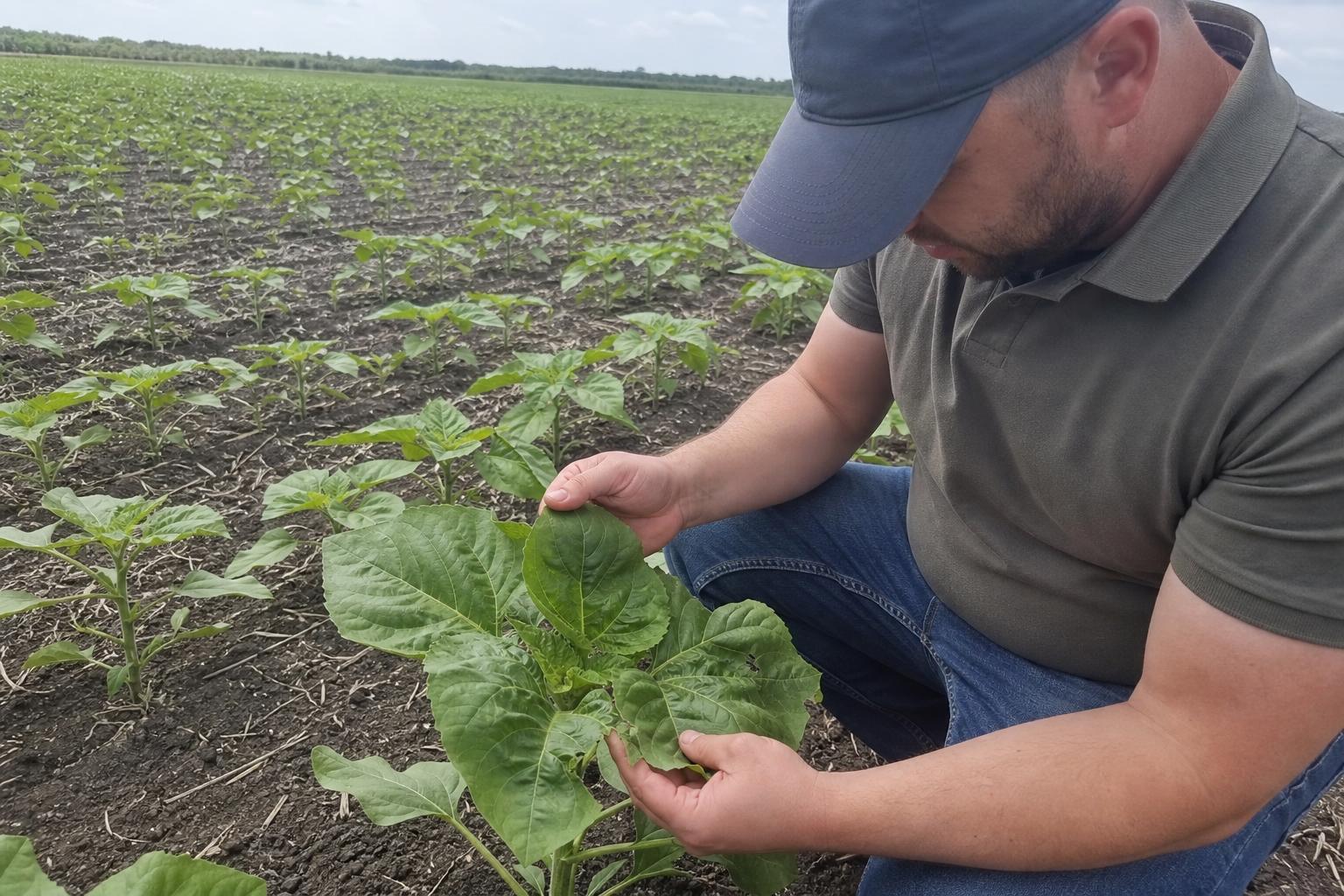
In sunflower crops across Ukraine, symptoms of downy mildew are observed in nearly all growing regions. This signals traders and buyers of plant protection products to review demand for seed treatments, systemic fungicides, and solutions for controlling volunteer plants and weeds.
For buckwheat producers and agrochemical sellers, crop protection increasingly relates not only to yield but also to batch quality for processors. Organic buckwheat shows that avoiding chemicals can complicate cleaning, sorting, and equipment loading.
As harvesting begins in the south, farmers report barley without significant disease or pest damage, while the opening of the Living Soil Museum highlights soil ecosystem importance. This influences the assessment of seasonal protection schemes and demand for fungicides, herbicides, and other solutions.
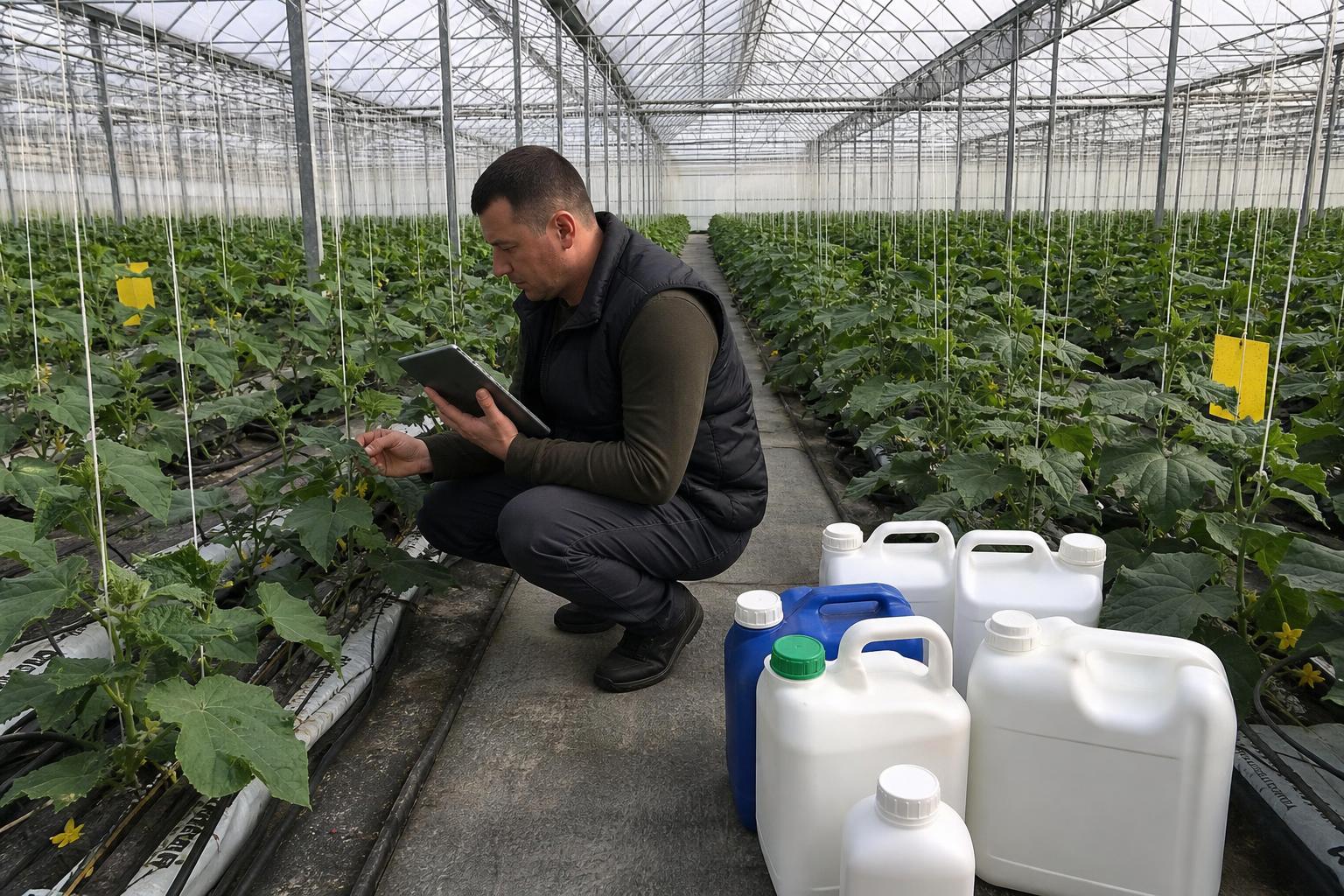
Ukrainian greenhouse producers face rising energy costs, affecting pesticide imports and procurement planning. Market focus shifts to budget management, compatibility, and inventory control.
Amid reports of locust outbreaks in Dnipro region, agro-market prepares for targeted purchases of insecticides, crop monitoring, and rapid logistics. Buyers and sellers should verify availability, registration, and delivery conditions.
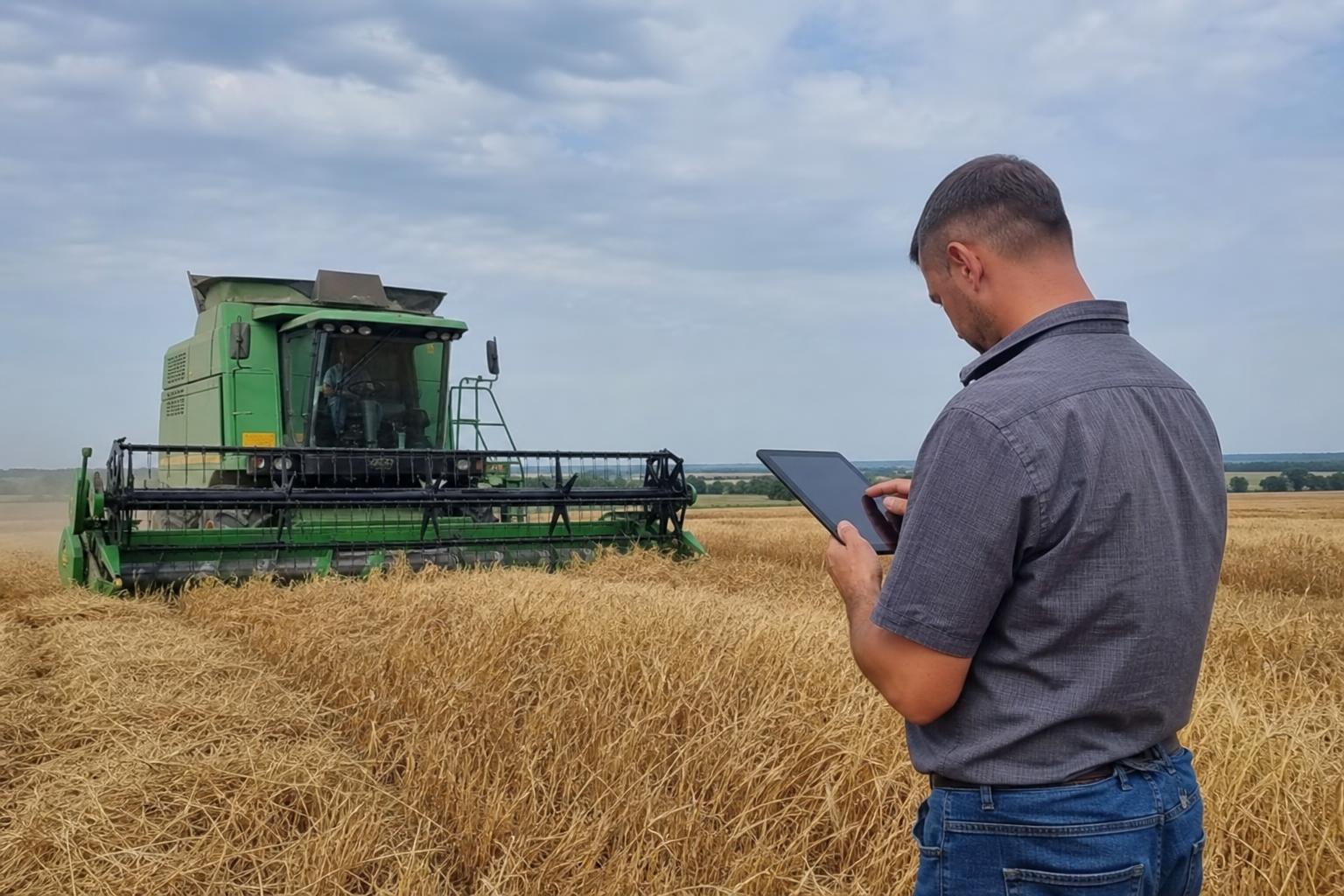
In the Ukrainian wheat market, the upcoming weeks' key indicators remain harvest pace, yield, and grain quality. For crop protection products, this means emphasizing compliance with regulations, assessing crop conditions, and preparing for the new season without risking crop marketability.
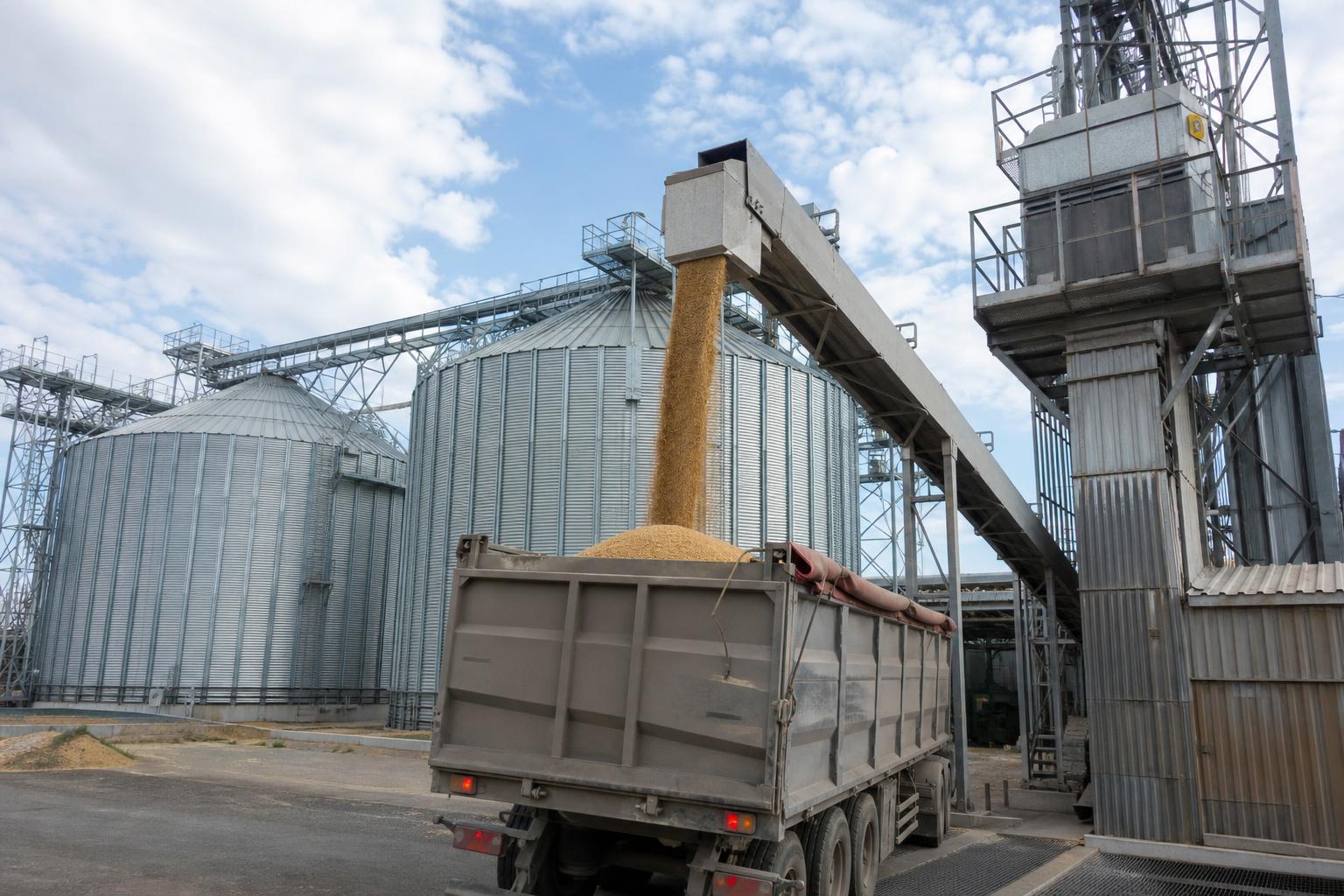
For the crop protection market, key signals are shifting from prices to logistics: discussions on increased freight tariffs and maritime security risks. Buyers and sellers should plan deliveries and stockpiles in advance.
After reports of plant stress due to a cold spring, agribusinesses should approach herbicide, fungicide, and related solutions more carefully. For AgroPost pesticide sellers, this signals the need to make offers more targeted: with clear purpose, crop, application phase, and conditions.
In Odesa region, harvesting winter barley and winter peas has begun, highlighting key crops for the pesticide market. AgroPost emphasizes updating herbicide, fungicide, and related product offers aligned with crops and application timings.
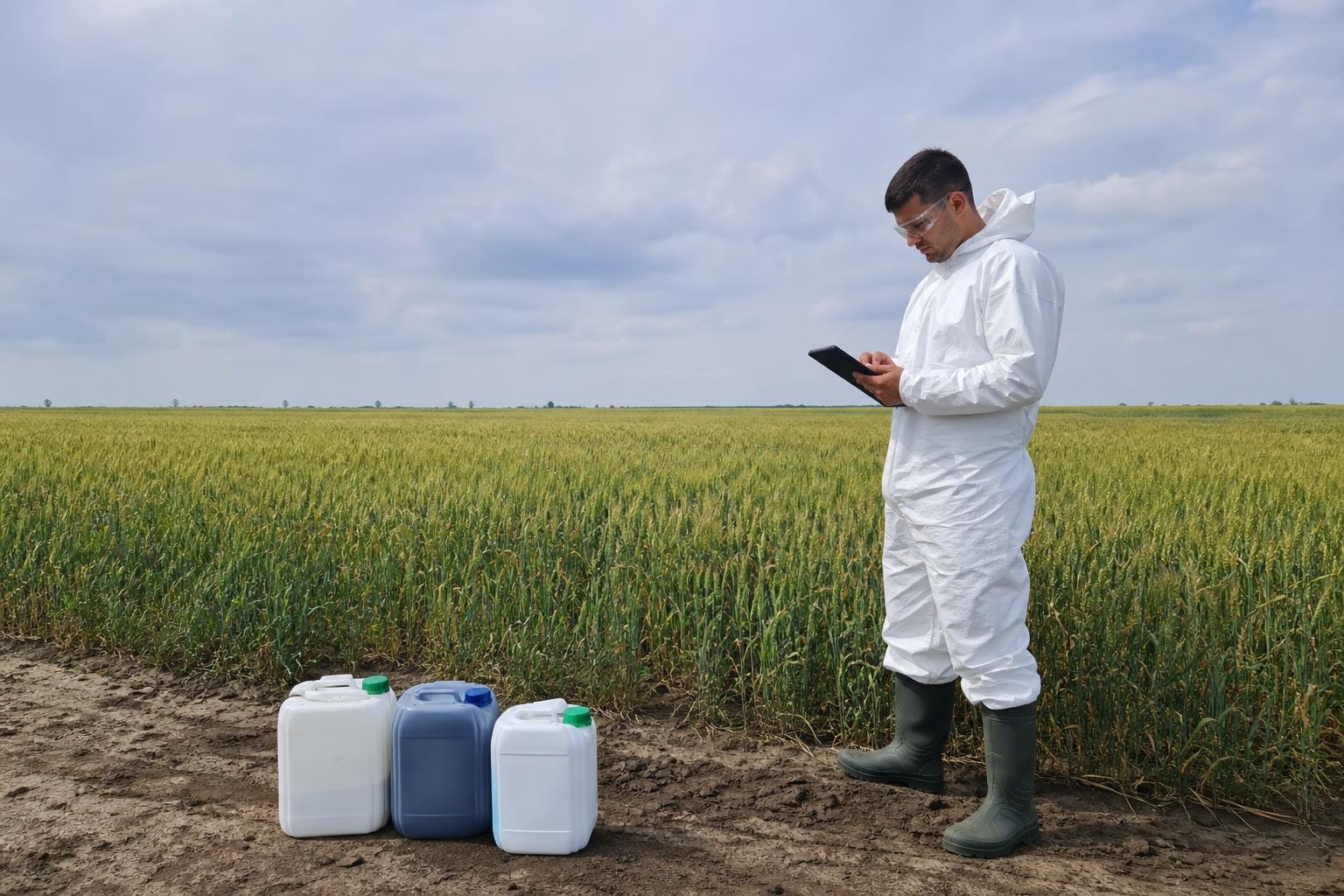
The Ukrainian plant protection market is entering a period of increased focus on application rules, documentation, and compliance with European standards. For sellers on AgroPost, this signals the need to better describe product origin and regulations; for buyers, to scrutinize offers more carefully before the season.
Enter your email and we will send a password reset link.
Don't have an account?
Help improve AgroPost?
With your consent, Google Analytics measures navigation and listing steps. The service does not start without consent. The site works without it.
What we collect and how to change your choice
We send category, language, step number and whether an error or save occurred, not entered values, phone numbers, email addresses or listing text. Your choice is stored in this browser for up to 180 days. Advertising tracking stays disabled.
Use Analytics settings to change your choice. Withdrawing consent reloads the page to stop already loaded services: save any unfinished form first.