
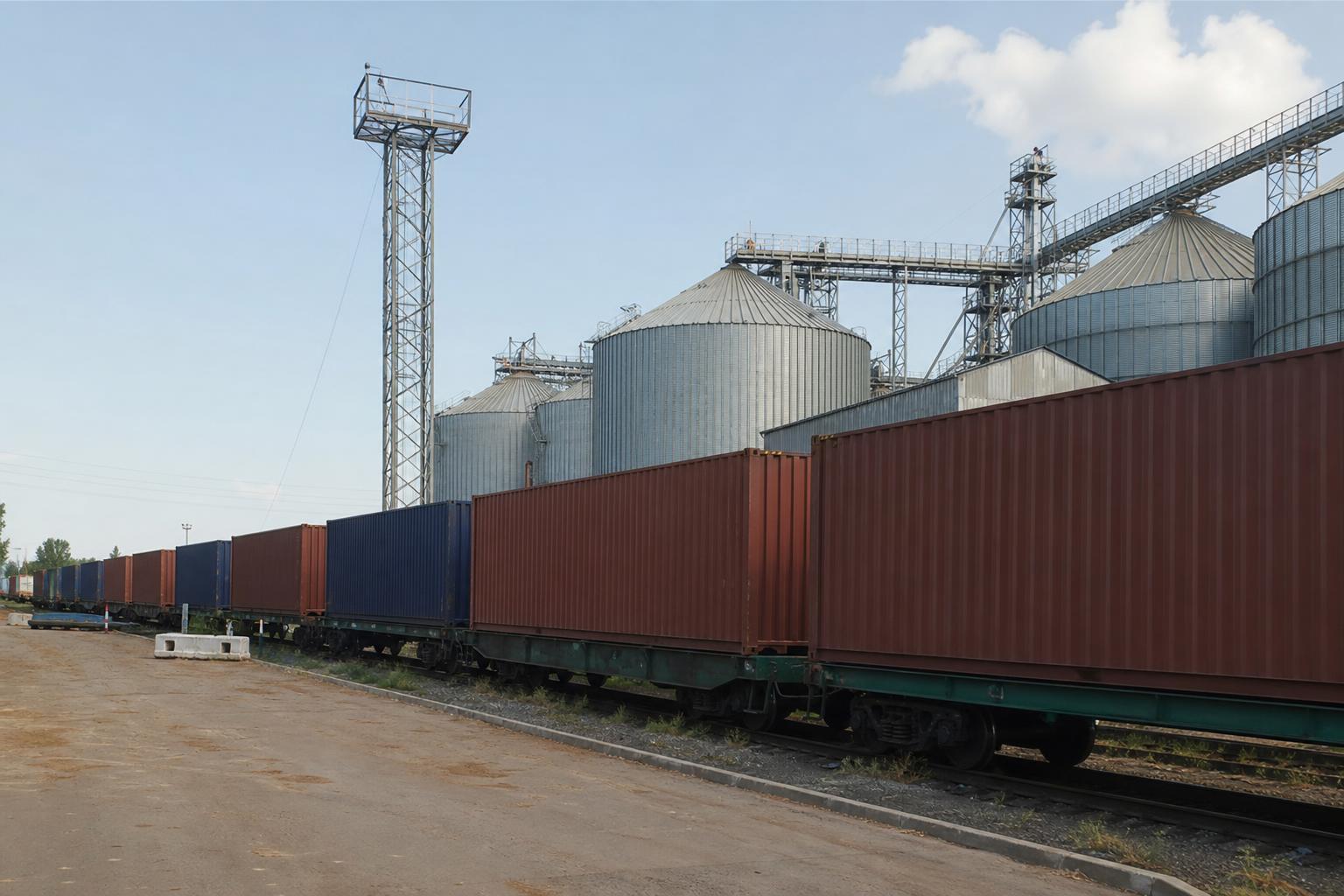
The Ukrainian agro-logistics market is gradually redistributing cargoes between traditional routes and container solutions. According to data provided by a representative of JSC "Ukrzaliznytsia," from January to May 2026, 128,325 TEU of containerized cargo were transported by rail — a 43% increase compared to the same period last year.
For sellers of grain, oilseeds, and feed ingredients, this is more than just statistics. Containers are becoming a distinct logistical tool that can be suitable for shipments with specific requirements regarding routes, buyers, documentation, and shipping deadlines.
Grain Remains the Leader, but Its Share Is Decreasing
The largest share of container shipments in Ukraine continues to be grain cargoes. In the first five months of 2026, 35,260 TEU of grain were transported in containers, accounting for 27% of the total volume.
At the same time, the grain share in the container structure decreased by 4 percentage points compared to the same period in 2025. This may indicate not a decline in the importance of grain as a cargo, but rather a more active use of containers by other commodity groups.
For market participants, this means increased competition for container capacity, especially on export routes. Sellers should coordinate not only the price but also the shipment format, departure station, container supply schedule, and responsibility for delays in advance.
Meals and Oilcakes Strengthen Positions in Containers
The most noticeable agricultural shift in the container transportation structure is the growth in the share of meal and oilcakes. From January to May 2026, this cargo group reached 18,999 TEU, or 15% of the total container shipments. Its share increased by 6 percentage points.
For feed ingredient producers and traders, the container format can be convenient when the buyer requires a relatively standardized batch, a controlled supply chain, and the ability to work with export contracts without excessive fragmentation of logistics.
Practically, this emphasizes the importance of accurately describing the product in commercial offers. On AgroPost, sellers of meals and oilcakes should specify packaging or bulk, available volumes, shipment basis, readiness to work with containers, and export documentation availability separately.
Exports and Land Crossings Drive Logistics Demand
In the structure of container shipments by connection type, exports account for 74,836 TEU, or 58.32%. Imports total 39,019 TEU, and domestic transportation accounts for 14,470 TEU.
In the export segment, the main load falls on land border crossings: 47,605 TEU, or 64% of export container shipments. Sea ports handled 27,231 TEU, or 36%.
This balance is important for sales planning. If the buyer relies on land routes, the seller needs to book logistics in advance, check the capacity of the route, and allocate time for border procedures.
Elevator Readiness Affects Shipment Speed
Preparation of elevators for the new season remains part of the logistics chain. For example, at the Zhmerinka elevator of "AgroProsperis," it is evident that before harvest acceptance, enterprises conduct repairs and maintenance of technological equipment, check grain transportation routes, clean warehouses, and prepare production capacities.
This serves as a reminder to the market: transportation costs are just one element of the deal. If the elevator is not ready for quick acceptance, drying, storage, or shipment, the seller may lose time even with a buyer and transport available.
Key Conclusions for Sellers and Buyers
- Container railway shipments in Ukraine increased by 43% year-over-year in the first five months of 2026.
- Grain remains the largest commodity in containers, but its share decreased to 27%.
- Meal and oilcakes increased their share to 15%, making this segment one of the most interesting for container logistics.
- Exports dominate the structure of container shipments, with land border crossings handling a larger part of the export container flow.
- Elevator readiness for acceptance and dispatch directly affects contract fulfillment.
What this means for the market: container logistics are becoming more important for value-added agricultural cargoes, primarily meals and oilcakes, while grain sellers should pay closer attention to routes, timing, and container availability. At AgroPost, this emphasizes the value of listings that immediately specify shipment conditions, available volume, logistical format, and export readiness.
Comments
No comments yetNo comments yet - be the first.