
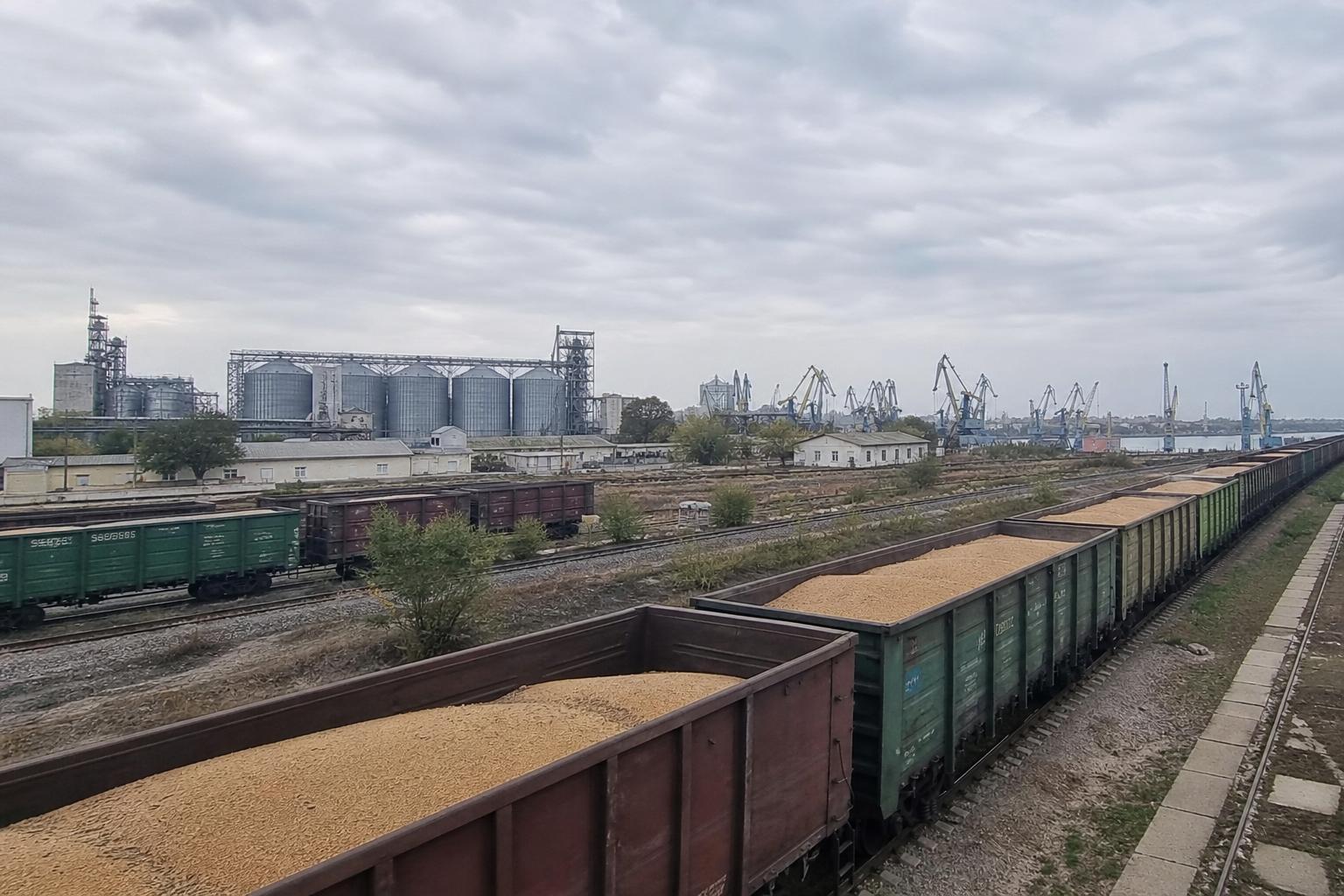
Ukrainian agricultural exports in the 2026/27 marketing year will depend largely on the availability of maritime logistics. ASAP Agri’s scenario-based estimate ranges from 29 million to 47 million tonnes and covers grains, oilseeds and their processed products.
For grain sellers, this means that the choice of route and delivery basis will remain a key factor in sales. Even without a full resumption of port operations, rail could provide some of the export capacity.
Port scenario sets the upper limit for exports
In a scenario involving significant restrictions on maritime logistics, analysts estimate agricultural exports at 29 million tonnes. If the Greater Odesa ports resume operations, volumes could rise to 47 million tonnes.
In the most optimistic scenario, deep-water ports could handle up to 17 million tonnes of products. In the other two scenarios, this volume is estimated at 5.3–5.4 million tonnes. These are scenario-based calculations, not a confirmed forecast of actual shipments.
Rail has spare capacity, but wagon turnaround needs to improve
Rail’s potential for grain exports is estimated at 1.4–1.5 million tonnes per month: around 1.1 million tonnes via western border crossings and approximately 400,000 tonnes towards Danube ports.
In October, 854,300 tonnes of grain were transported via western crossings, while 215,000 tonnes were delivered by rail to Danube ports. According to ASAP Agri, additional capacity amounts to around 250,000 tonnes per month on the western route and a further 185,000 tonnes on the Danube route.
Making use of this capacity will depend on the availability of 1,435 mm-gauge grain wagons, faster border crossings and more efficient wagon turnaround. In October, the average grain wagon turnaround time increased to 22.8 days, compared with 18.8 days in September.
Route affects the price received by sellers
In the market assessment cited by analysts, logistics costs weighed significantly on the price competitiveness of Ukrainian grain. In particular, delivery to the Danube was $20–25 per tonne more expensive than delivery to Odesa ports, while freight for a coaster-sized shipment to Egypt rose by $100 per tonne over the period specified in the report.
Some market participants believe that improved logistics could reduce some of the additional costs and support prices. However, any price impact will depend on the actual resumption of routes, transport costs and buyers’ willingness to pay for Ukrainian grain.
What this means for the market
Grain sellers should compare not only the purchase price but also the full delivery cost for each available route. Buyers should bear in mind that rail has spare capacity, but using it will depend on wagon availability, border crossings and logistics speed. The resumption of port operations could shift the balance between routes, but the export volumes cited remain scenario-based estimates.
Comments
No comments yetNo comments yet - be the first.