
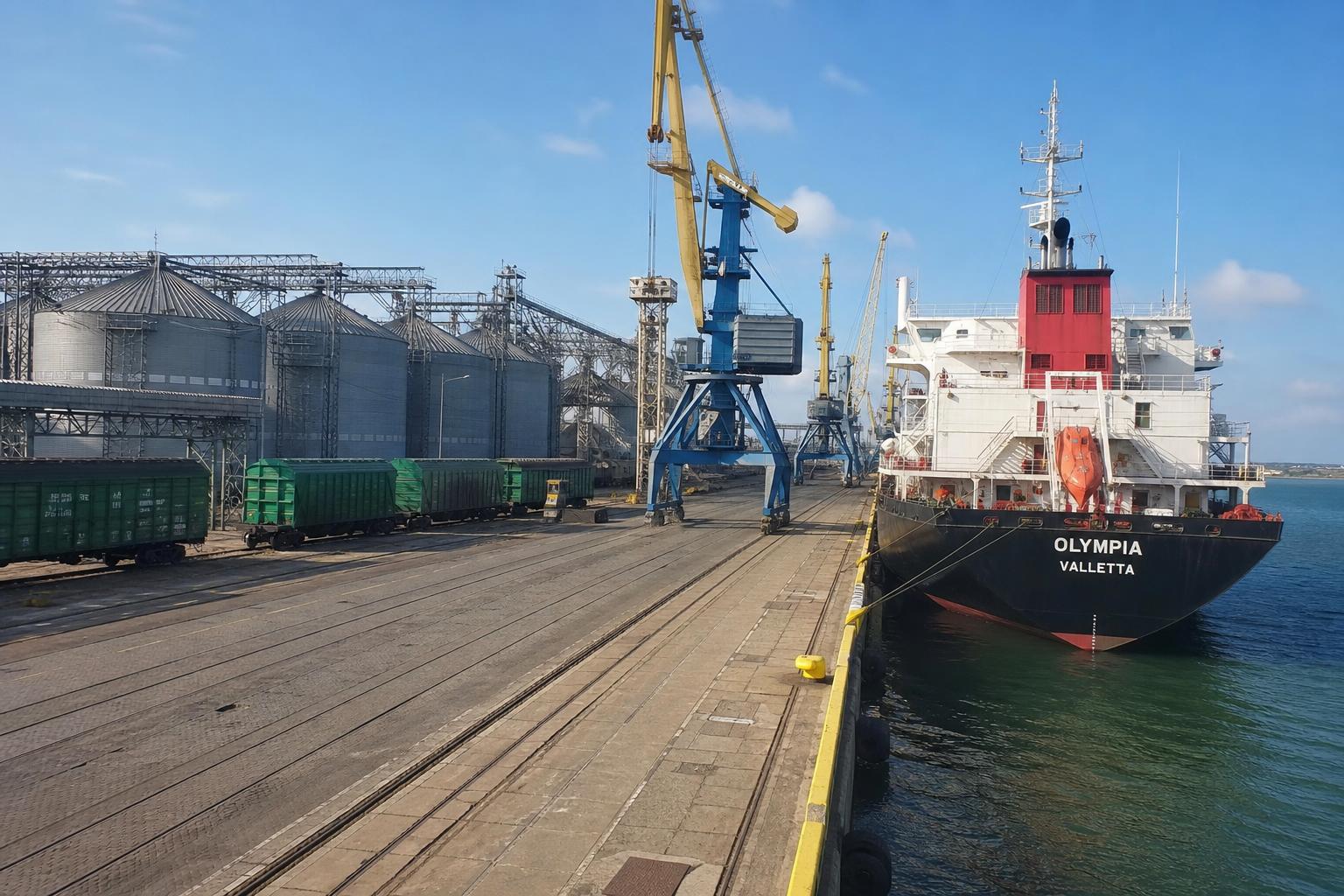
Ukrainian agri-export remains dependent on port logistics, but the market is increasingly considering not only current capacity but also the resilience of routes. For grain, oilseed, and processing product sellers, this means they need to compare not only tariffs but also operational risks associated with specific directions.
Recent news from Odesa region reveal two contrasting trends: ports are seeking new international connections, while infrastructure remains vulnerable to attacks. For AgroPost participants, this is a crucial signal to plan delivery conditions, deadlines, and alternative transportation options more carefully.
Bilhorod-Dnistrovskyi Port Aligns with the Middle Corridor Strategy
LLC “Bilhorod-Dnistrovskyi Port” has signed a memorandum of strategic partnership with Kazakhstan-based project and logistics company TRANS EXPEDITION. The focus of cooperation includes developing transport and port infrastructure, as well as working with international routes within the Trans-Caspian International Transport Route, known as the Middle Corridor.
For the agricultural market, this could be significant in terms of diversifying export directions. The Middle Corridor links logistics chains between Asia and Europe, and Ukraine’s participation in such projects potentially expands opportunities for export-import cargo flows.
Under the agreements, the parties plan to organize cargo transshipment through the Bilhorod-Dnistrovskyi seaport, exchange logistical expertise, and develop infrastructure and investment projects. A phased increase in cargo throughput up to 2031 has also been announced.
The Benefits of Multimodal Logistics for Agribusiness
TRANS EXPEDITION specializes in international, multimodal, and project-based transportation, including oversized, heavy, and hazardous cargo. The company implements logistics projects across Kazakhstan, Central Asia, China, and Europe.
For Ukrainian agriproduct sellers, multimodality offers practical advantages: it allows combining port, rail, and road logistics depending on shipment size, urgency, and buyer requirements. This is especially relevant for cargo where delays could impact contract prices or storage costs.
Domestic buyers should also consider logistical factors. If exporters have access to multiple routes, they can respond more flexibly to delays, changes in transportation costs, or temporary port restrictions.
Port Infrastructure Attacks Reinforce the Need for Backup Routes
Alongside news about route development, the market received another reminder of security risks. The “KERNEL” infrastructure in Odesa region was damaged after a drone attack on July 14. According to the company, the fire damaged a significant part of the sunflower oil storage facilities and terminal transshipment infrastructure.
The company reported that approximately 25,000 tons of products belonging to an agroholding and an American company storing oil on this asset were damaged. The fire was localized within 12 hours, and there was no oil spill into the water area, according to the company.
Earlier reports indicated the destruction of “KERNEL” port assets in Chornomorsk following massive attacks on the night of July 10-11 and 11-12. Preliminary estimates suggest about 45,000 tons of wheat and 9,000 tons of sunflower oil were blocked, lost, or damaged.
Key Takeaways for Sellers and Buyers
- Do not rely solely on the lowest tariff. In port logistics, it is important to consider the risk of delays, transshipment availability, and security situation.
- Include backup routes in commercial proposals. For grain, oil, and meal batches, it’s advisable to have alternatives via another port, railway route, or road logistics in advance.
- Verify terminal status before concluding agreements. Buyers and sellers should check whether the infrastructure accepts cargo, and whether there are storage or transshipment restrictions.
- Document logistical conditions in the contract. Delivery deadlines, responsibility for delays, and route change procedures should be specified before shipment.
Implications for the market: Ukrainian agricultural logistics is moving toward broader integration with international transport corridors, but military risks remain a key factor influencing price and reliability. For AgroPost participants, the practical takeaway is simple: every grain, oil, or processing product deal must incorporate a logistics plan as part of the commercial strategy, not just an appendix.
Comments
No comments yetNo comments yet - be the first.