
Ukrainian agricultural logistics enters the summer period with two parallel signals: exports in June decreased, but the grain segment remained almost stable. According to UACAB, the total agro-industrial complex (AIC) export in June 2026 was 4.79 million tons, which is 7.5% less than in May.
For carriers, elevators, and traders, the key factor remains not just the decline itself, but the structure of freight flows. The main volume continues to be formed by grains, while oilseeds and vegetable oils showed a more noticeable reduction.
Grains Maintain the Foundation of Export Logistics
In June, grain exports amounted to 3,562.7 thousand tons. Compared to May, the figure remained almost unchanged: a decrease of only 0.1%.
In the grain export structure, corn accounted for 55.3%. Wheat's share was 43.9%, and barley — 0.7%.
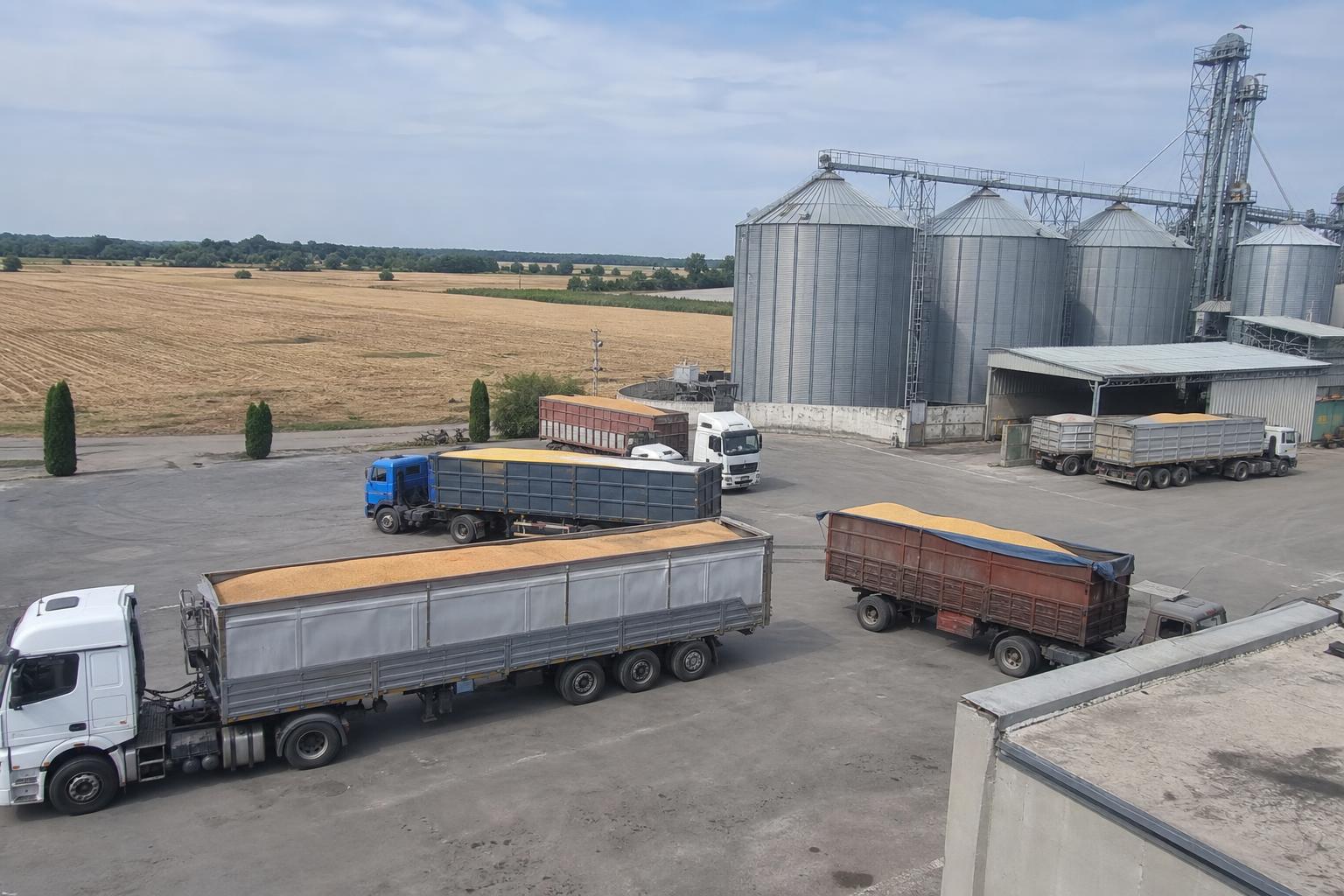
For the transportation market, this means that demand for grain transportation remains fundamental. Even amid an overall decline in agro-exports, the grain group continues to form the main load on domestic logistics, elevator routes, and export channels.
Oilseeds and Oils Experienced a More Significant Decline
The most noticeable decrease in June was recorded in the oilseed segment. Their export totaled 157.2 thousand tons, which is 51.4% less than in May.
Within the oilseed export structure, soy accounted for 70.8%. Rapeseed made up 24.4%, and sunflower — 3.1%.
Exports of vegetable oils also decreased — to 308.2 thousand tons, down 33.5% from the previous month. The main product remained sunflower oil with a share of 78.7%, followed by soybean oil — 15.8%, and rapeseed oil — 5.4%.
For logistics operators, this may shift the ratio of applications between bulk, container, road, and rail shipments depending on specific routes and contracts. However, drawing conclusions about a longer-term trend based on a single month is premature.
Harvests Add Pressure on Domestic Transportation
Alongside export statistics, the active harvesting of early grains has begun. According to KSG Agro, the company started harvesting on 4,960 hectares, including winter wheat, winter and spring barley.
For operations, the company engaged 9 grain harvesters and 25 trucks. The company noted that due to weather conditions, the grain group almost simultaneously reached maturity, so the campaign will be intensive and condensed — approximately 10–12 days.
This example does not represent the entire country but illustrates a typical seasonal task: quickly transporting grain from the field, avoiding congestion at reception points, and maintaining quality by preventing delays. For farms, this is not only an agronomic issue but also depends on the availability of transport on the needed day.
What Sellers and Buyers Should Pay Attention To on AgroPost
- Grain owners: should coordinate transport, weight schedules, and elevator acceptance in advance, especially if harvests occur in a short period.
- Carriers: grain remains the most mass cargo, so demand for trips to elevators, terminals, and internal warehouses may persist even amid lower overall exports.
- Buyers: when purchasing large quantities, it is important to clarify the delivery basis, availability of road or rail logistics, and actual shipment timelines.
- Elevators and traders: June's decline in oilseed and oil exports may influence the application structure, but the grain flow remains a priority for capacity planning.
Implications for the Market
Ukrainian agricultural logistics in the near future will primarily focus on grain shipments: exports of this segment in June almost did not decline, and the start of harvests creates additional demand for rapid domestic transportation. For AgroPost participants, this is a practical signal to actively plan transport, secure delivery conditions in announcements, and avoid postponing negotiations for trips during peak season days.
Comments
No comments yetNo comments yet - be the first.