
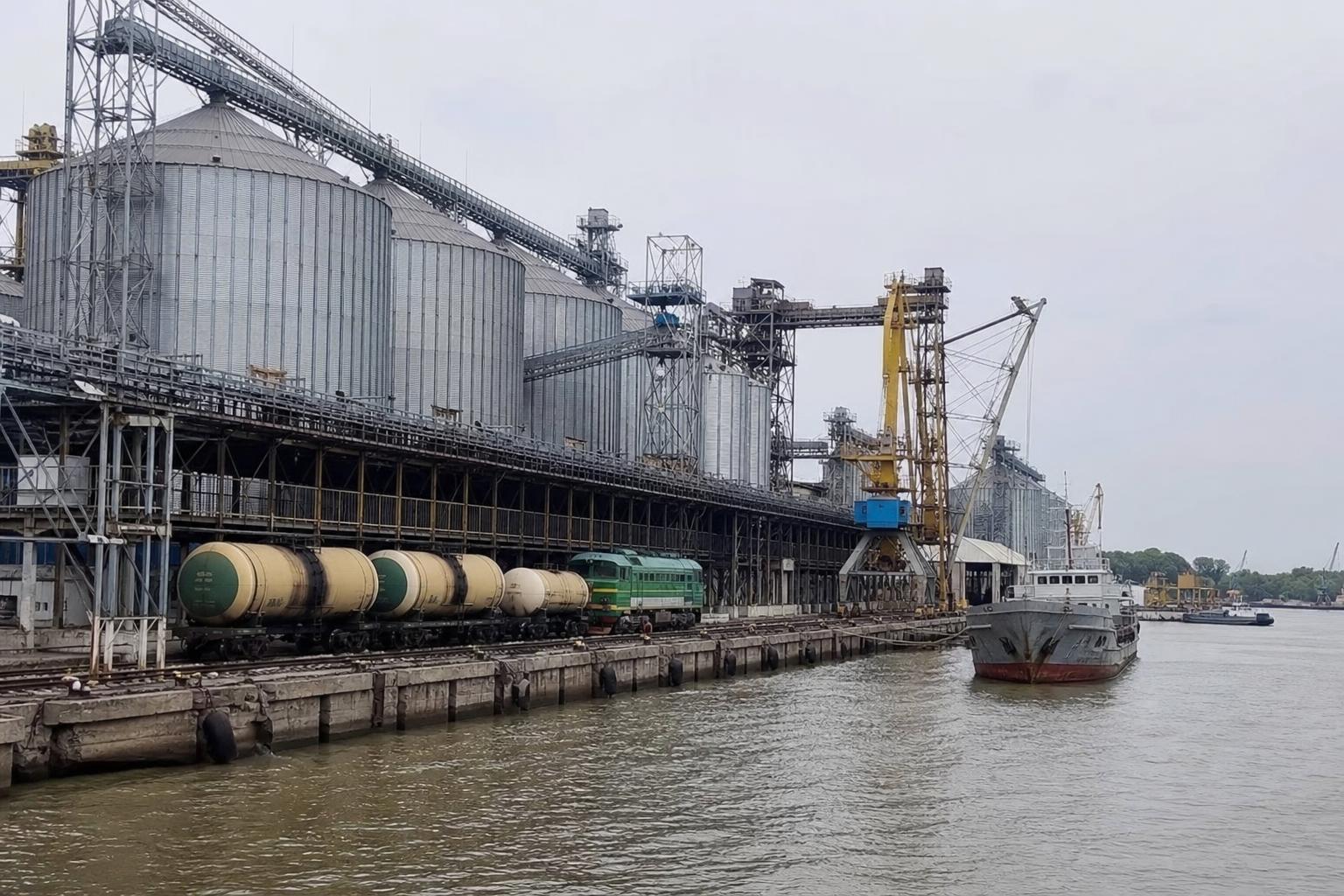
Ukrainian agricultural logistics remains sensitive to changes in processing, export demand, and port prices. For sellers and buyers on AgroPost, this means: transportation offers should be evaluated not separately, but together with the product price, delivery basis, and shipment deadlines.
Two important signals have emerged in the industry information space for the market: oil transportation by rail has decreased by nearly half amid a decline in sunflower processing, and wheat prices at Danube ports have fallen below $200/ton. Both factors directly influence negotiations between producers, traders, carriers, and buyers.
Oil: Less Processing — Less Cargo for Rail
If sunflower processing decreases, it quickly impacts logistics flows. For rail transport, oil is a specialized cargo: it requires appropriate tank cars, coordinated schedules, and a stable volume for an economically viable route.
The nearly 50% reduction in shipments means that some market participants may revise their shipment plans, shift volumes, or seek alternative delivery channels. For carriers, this poses a risk of idle time or route adjustments, while sellers need to plan their batches more flexibly.
In practice, oil sellers should proactively clarify the availability of rolling stock, delivery times, and tank cleaning or preparation conditions. Buyers should specify in agreements not only the product price but also responsibility for logistical delays.
Danube Ports: Wheat Prices Below $200/ton Increase Cost Awareness
Reports of wheat prices dropping below $200/ton at Danube ports are a significant marker for exporters and domestic sellers. When port prices decline, the logistical component becomes critical for final margins.
For agricultural producers, this means that even a small difference in costs for road delivery, rail, transshipment, or waiting in line can determine whether a deal is profitable. For buyers, it means that negotiations are influenced not only by the product price but also by the actual ability of the partner to deliver on time.
The Danube route remains important for exports but requires precise calculation. If port prices fall, sellers need to quickly compare options: selling at the site, port delivery, rerouting to another basis, or short-term storage.
What to Check Before a Deal on AgroPost
For marketplace participants, logistics should be part of the commercial offer, not an afterthought after agreeing on the price. The more precisely delivery conditions are described, the fewer risks in the final settlement.
- Delivery basis. Specify where responsibility for the cargo transfers: warehouse, elevator, station, port, or terminal.
- Transport type. For grain, oil, and other agro-cargos, transportation conditions differ, so it is important to specify immediately whether it is road, rail, or a combined route.
- Batch and schedule. Clarify minimum and maximum volumes, the possibility of batch splitting, and actual shipment dates.
- Idle costs. Agree on who covers delays during loading, unloading, at stations, or in port.
- Documents and quality. For export directions, it is important to synchronize logistics with laboratory results, certificates, and buyer requirements.
Key Conclusions for Sellers and Buyers
The transport market responds not only to the harvest but also to processing activity. If plants reduce their activity, it affects oil flows, tank car loading, and demand for rail transportation.
Port wheat prices below $200/ton intensify competition among routes. Sellers should avoid agreeing to delivery without calculating the full logistics cost.
Buyers should verify whether their counterpart has confirmed transport resources. During periods of unstable demand, logistical discipline often determines whether a contract will be fulfilled without additional costs.
What this means for the market: Ukraine’s agricultural logistics is shifting toward precise planning. For deals on AgroPost, those who immediately specify the route, transport, basis, deadlines, and responsibility for delays will have an advantage, rather than leaving these issues for final negotiations.
Comments
No comments yetNo comments yet - be the first.