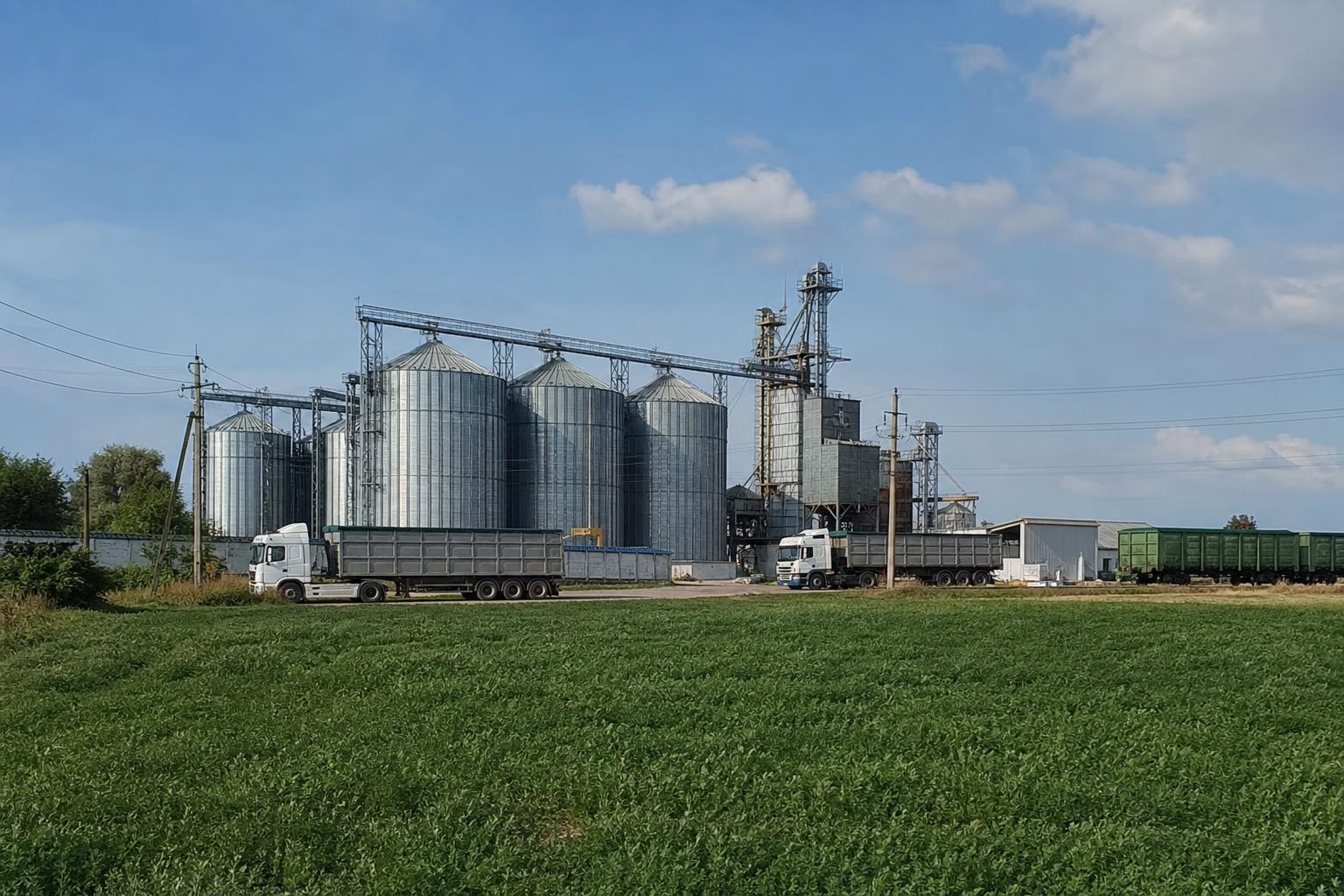
This week, Ukrainian grain market signals indicate a shift: domestically, focus moves from new processing projects to upgrading existing capacities, while Turkey may delay active corn imports.
In early September, the grain market enters a cautious sales period: new crop feed corn prices are declining, while moisture shortages hinder winter crop sowing, especially for rye. Elevator operators and sellers focus on quality, shipment schedules, and regional demand differences.
The Cabinet of Ministers has expanded the possibility to extend settlement deadlines under foreign economic contracts for agricultural exports. This applies to wheat, rye, barley, oats, and corn. The Ministry of Economy can, upon exporter’s request, extend the settlement period up to 180 days.
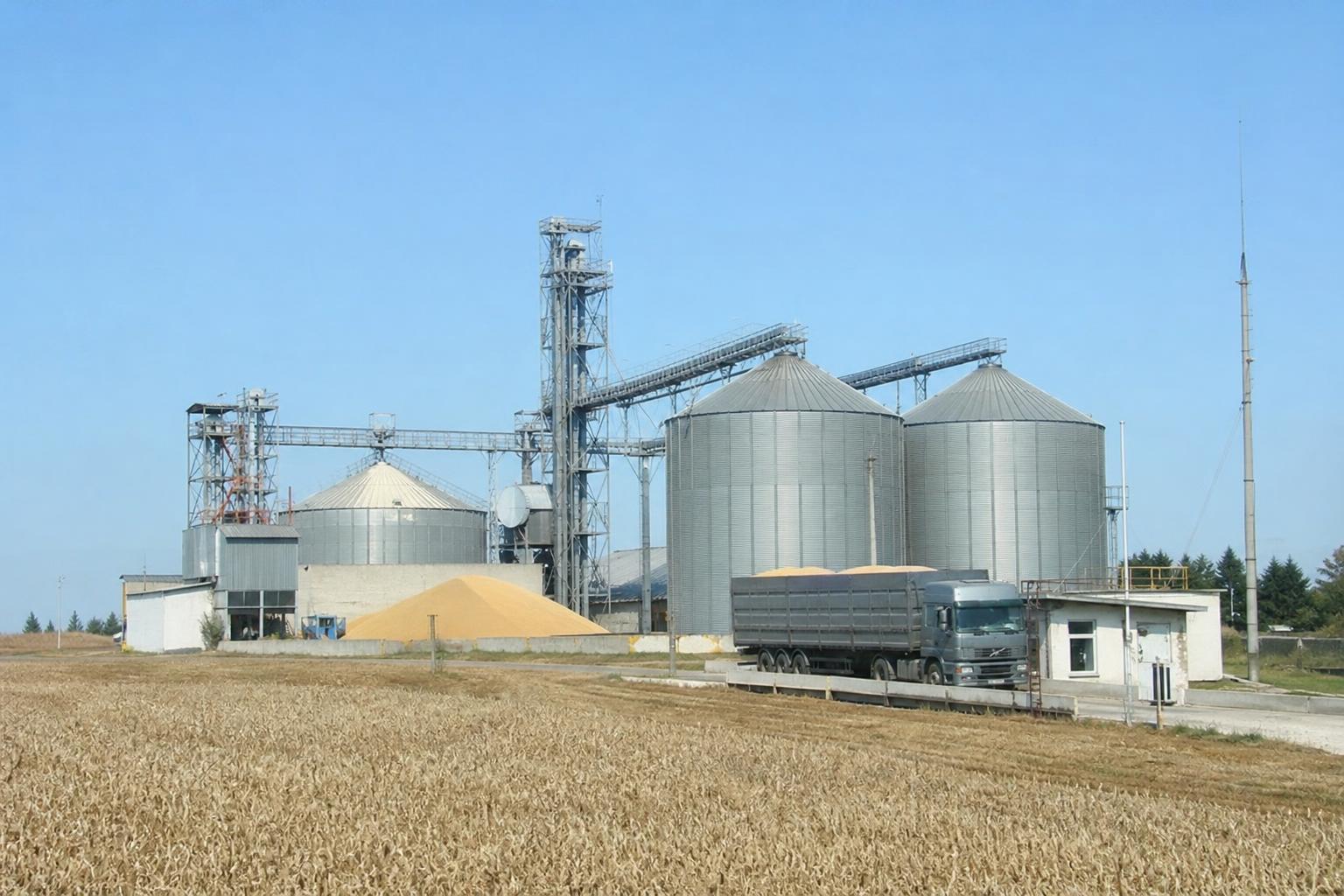
Ukraine's grain sector faces increased logistical uncertainty: potential port blockades could leave significant grain volumes inside the country. Regions report on harvest progress, and state elevator assets become available for privatization.
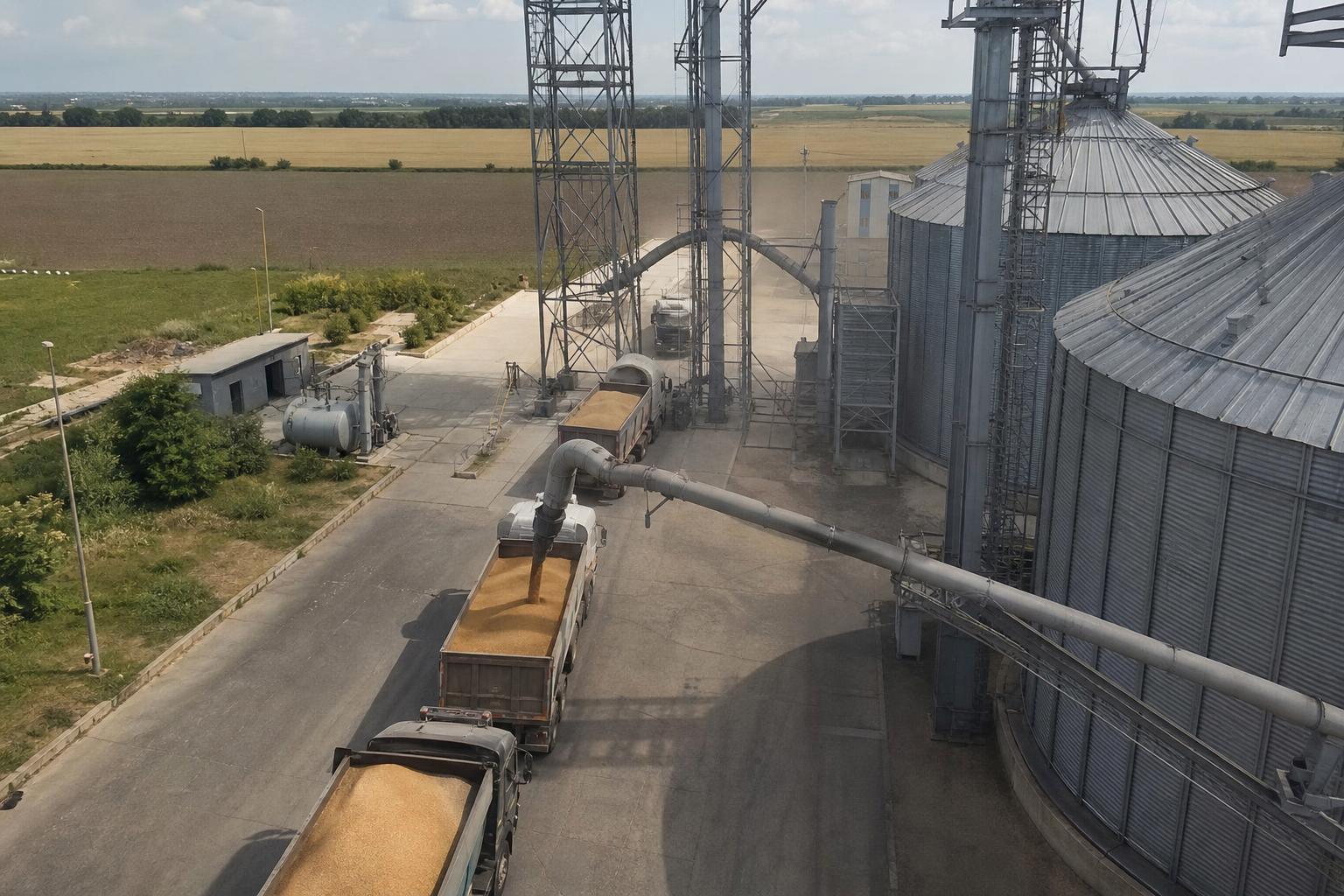
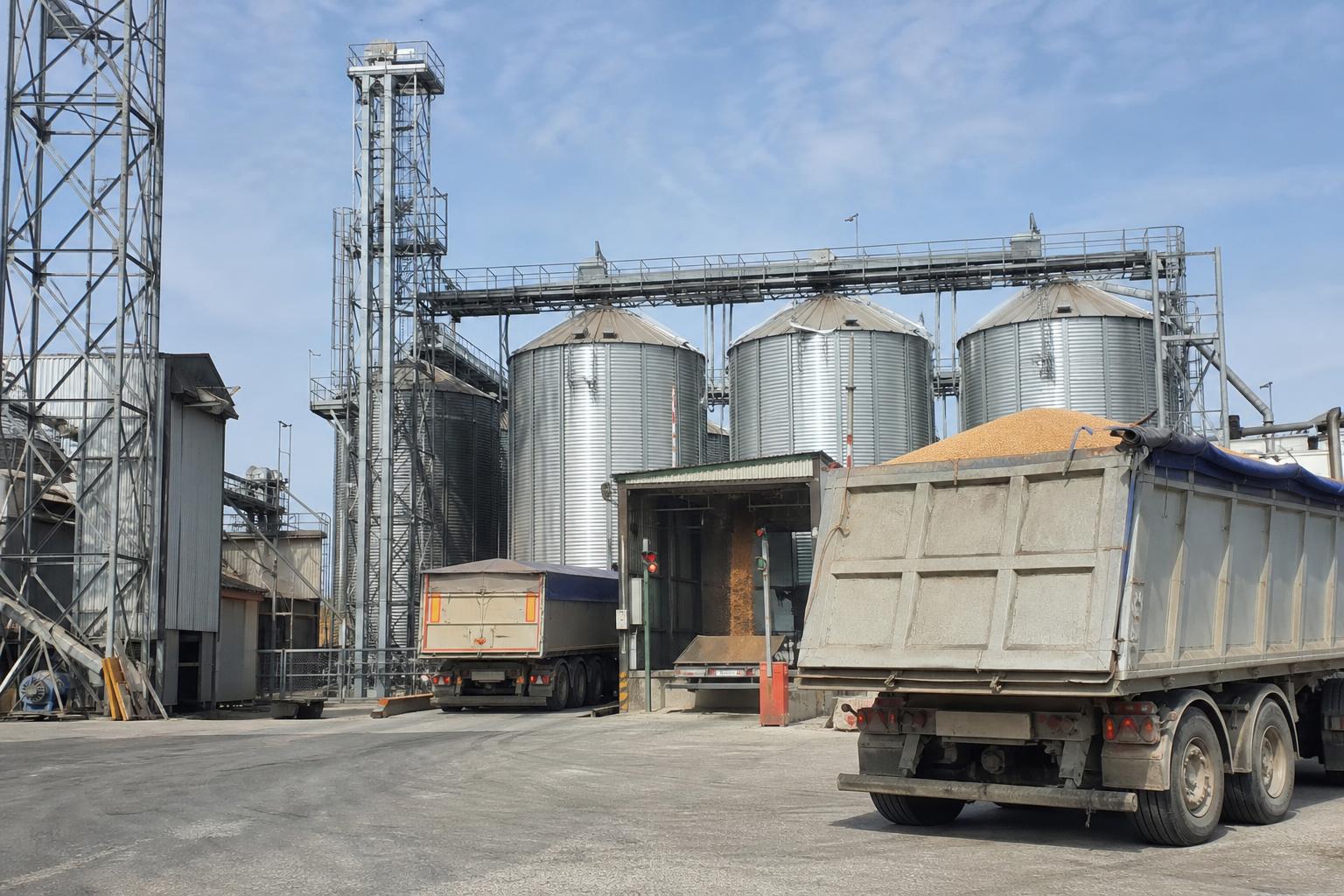
The Ukrainian grain market shifts focus to forward corn supplies, available elevator capacities, and logistical route checks. For sellers on AgroPost, not only price levels matter but also net proceeds after delivery, transshipment, and potential delays.
Ukrainian companies planning to export corn and soybeans to China must prepare phytosanitary certificates for cultivation and storage sites. This signals that plant protection measures should be well-documented and effective.
In mid-August, grain producers are balancing between selling part of their harvest for working capital and waiting for better prices. Volyn reports lower yields and falling purchase prices, while port throughput remains a key factor for the entire market.
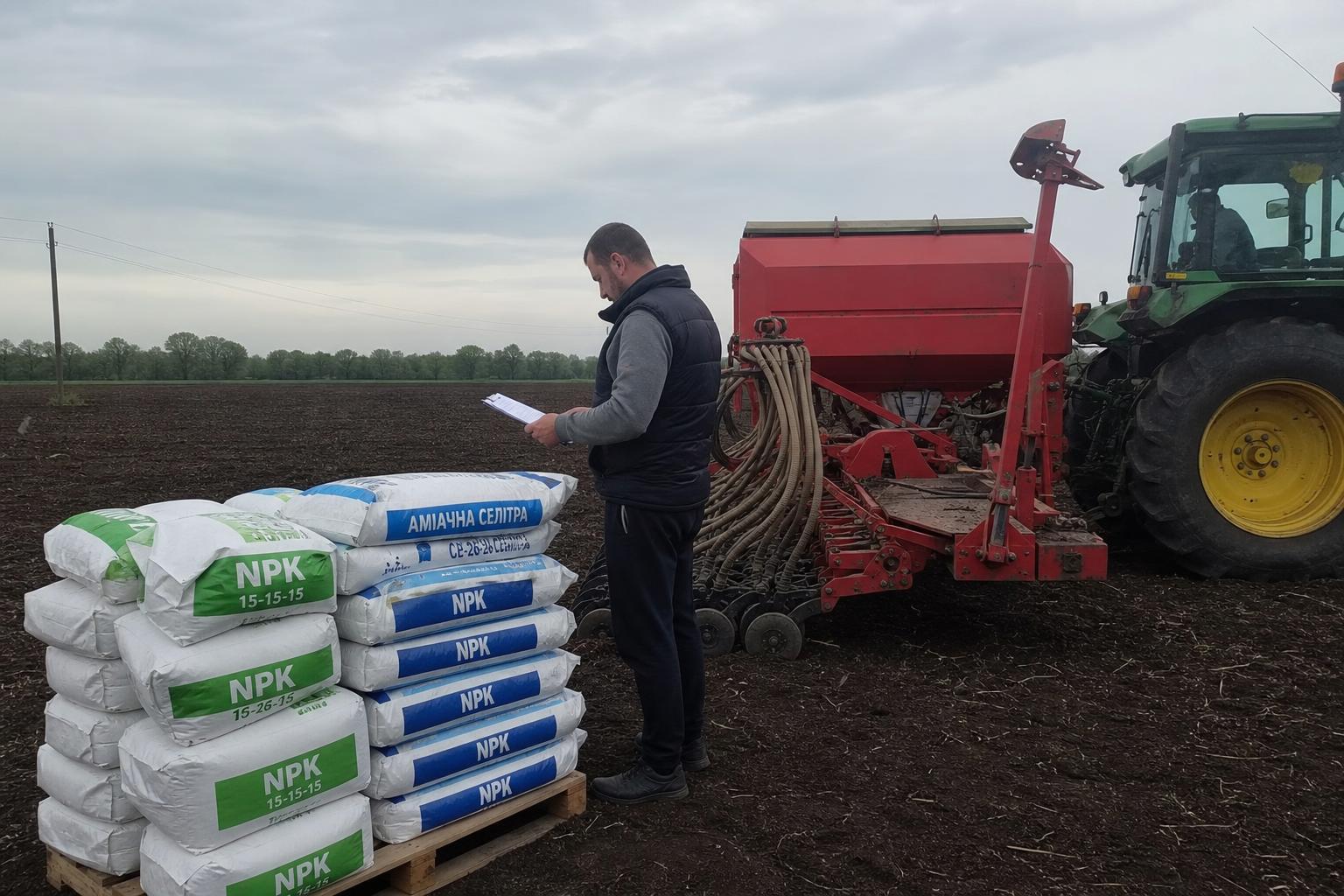
No direct new indicators on fertilizer prices are available, but updated balances for corn, sunflower, soy, and rapeseed are crucial for planning nitrogen, NPK, and agrochemical purchases for upcoming field works.
USDA increased wheat and corn yield forecasts in Ukraine but lowered export expectations. For grain sellers and buyers, key factors remain not only production volumes but also logistics, delivery timelines, and quality.
Logistical restrictions on grain and oilseed exports may alter farmers' behavior in the pesticide market: farms are more carefully planning cash flow, procurement timelines, and prioritizing herbicides, fungicides, and insecticides.
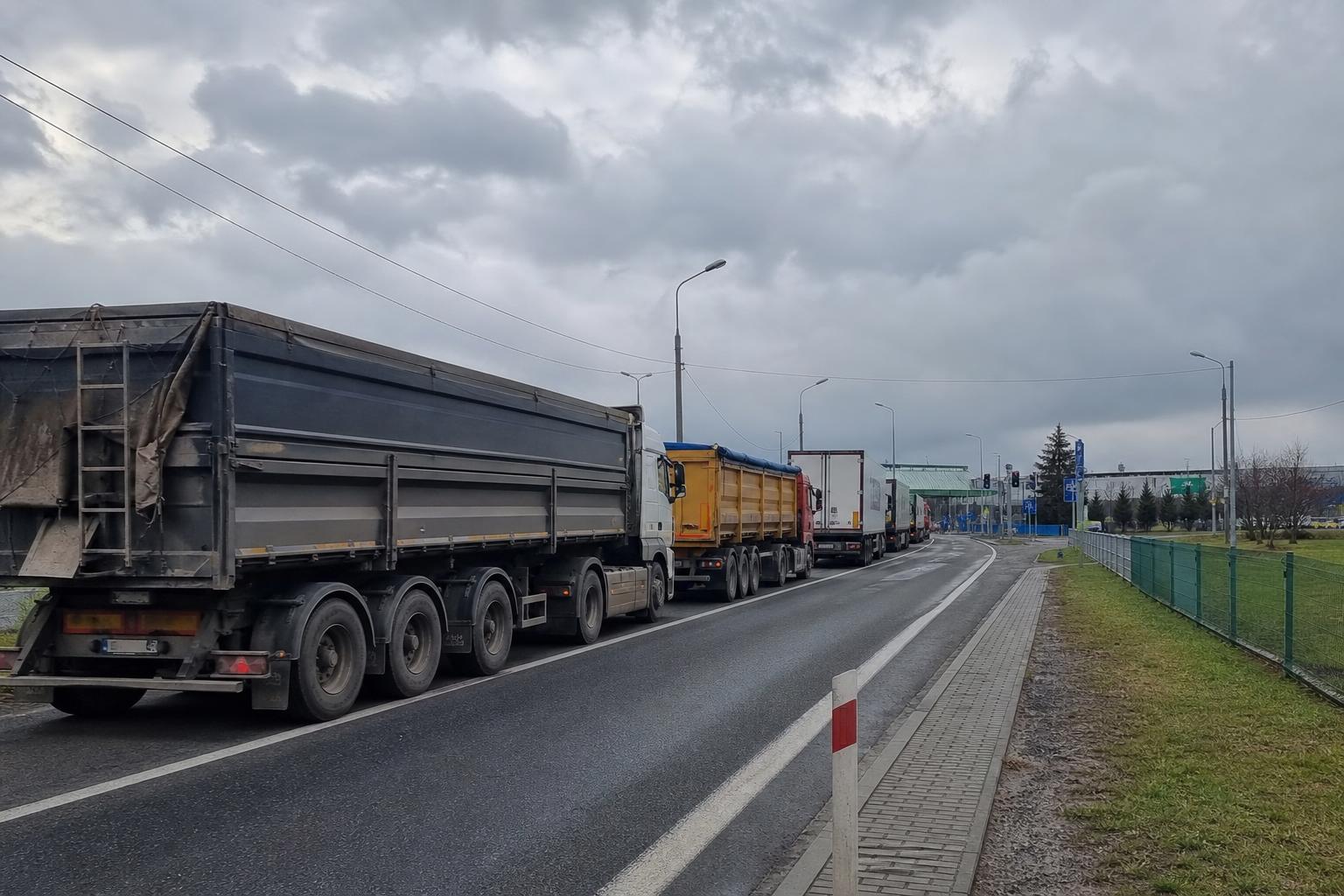
Due to risks in maritime export, Ukrainian grain sellers are increasingly focusing on the western border, Danube, and Polish transit. This affects new crop corn forward prices and raises storage and shipment issues for elevators.
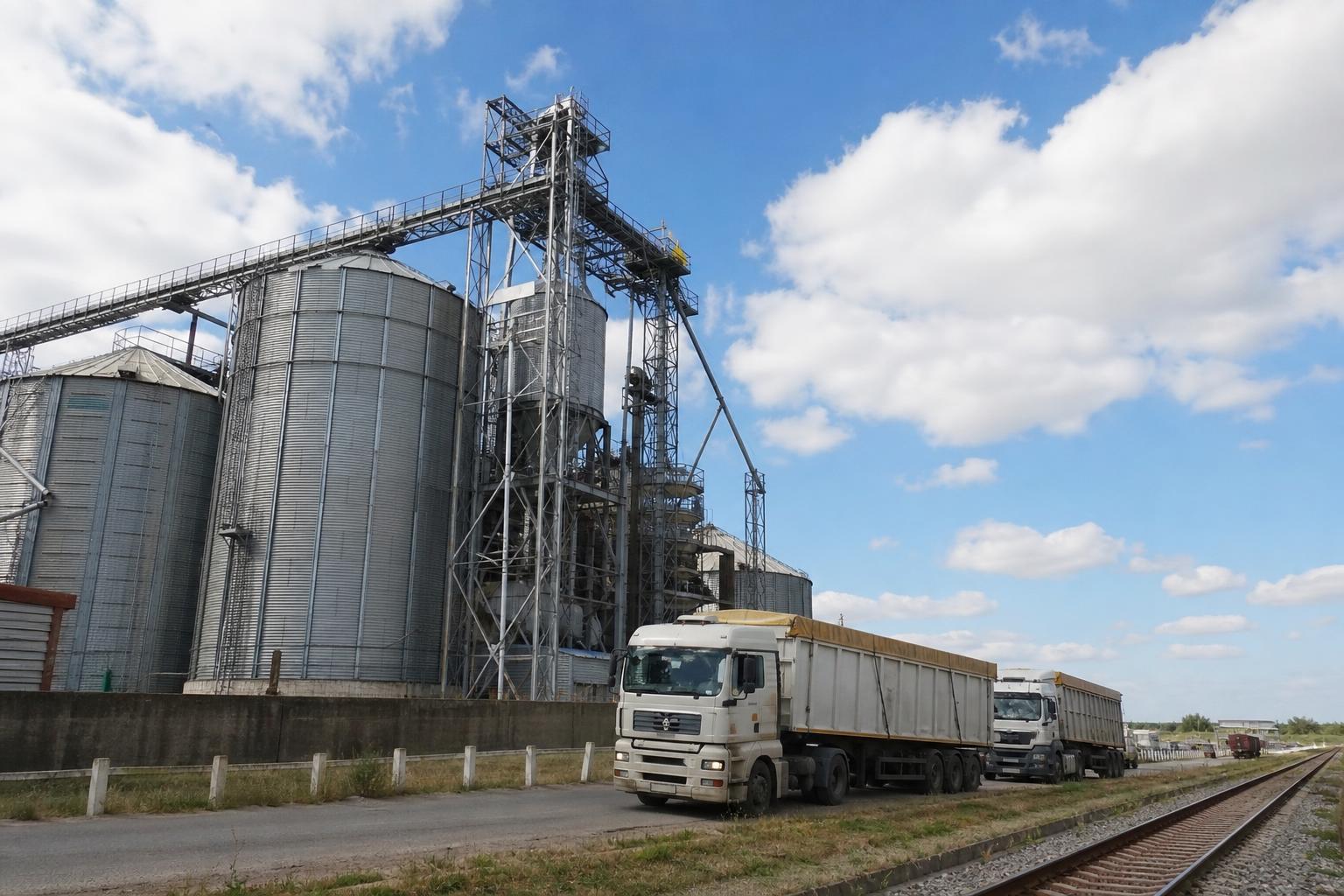
At the beginning of August, Ukrainian agricultural exports sharply decreased compared to July. Truck shipments grew by 11.3%, but their capacity does not offset the decline in wheat and corn flows through large-tonnage channels.
Enter your email and we will send a password reset link.
Don't have an account?
Help improve AgroPost?
With your consent, Google Analytics measures navigation and listing steps. The service does not start without consent. The site works without it.
What we collect and how to change your choice
We send category, language, step number and whether an error or save occurred, not entered values, phone numbers, email addresses or listing text. Your choice is stored in this browser for up to 180 days. Advertising tracking stays disabled.
Use Analytics settings to change your choice. Withdrawing consent reloads the page to stop already loaded services: save any unfinished form first.