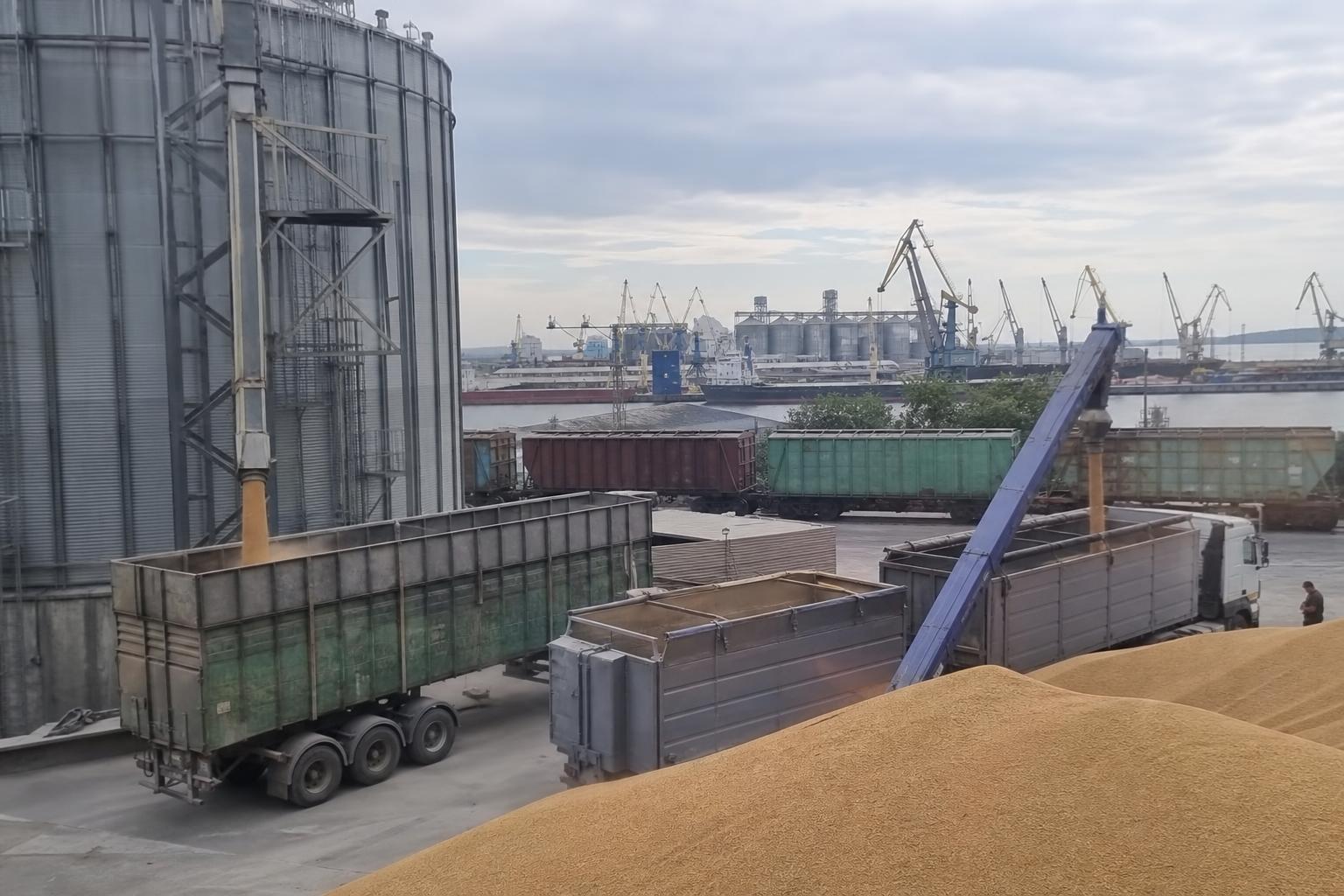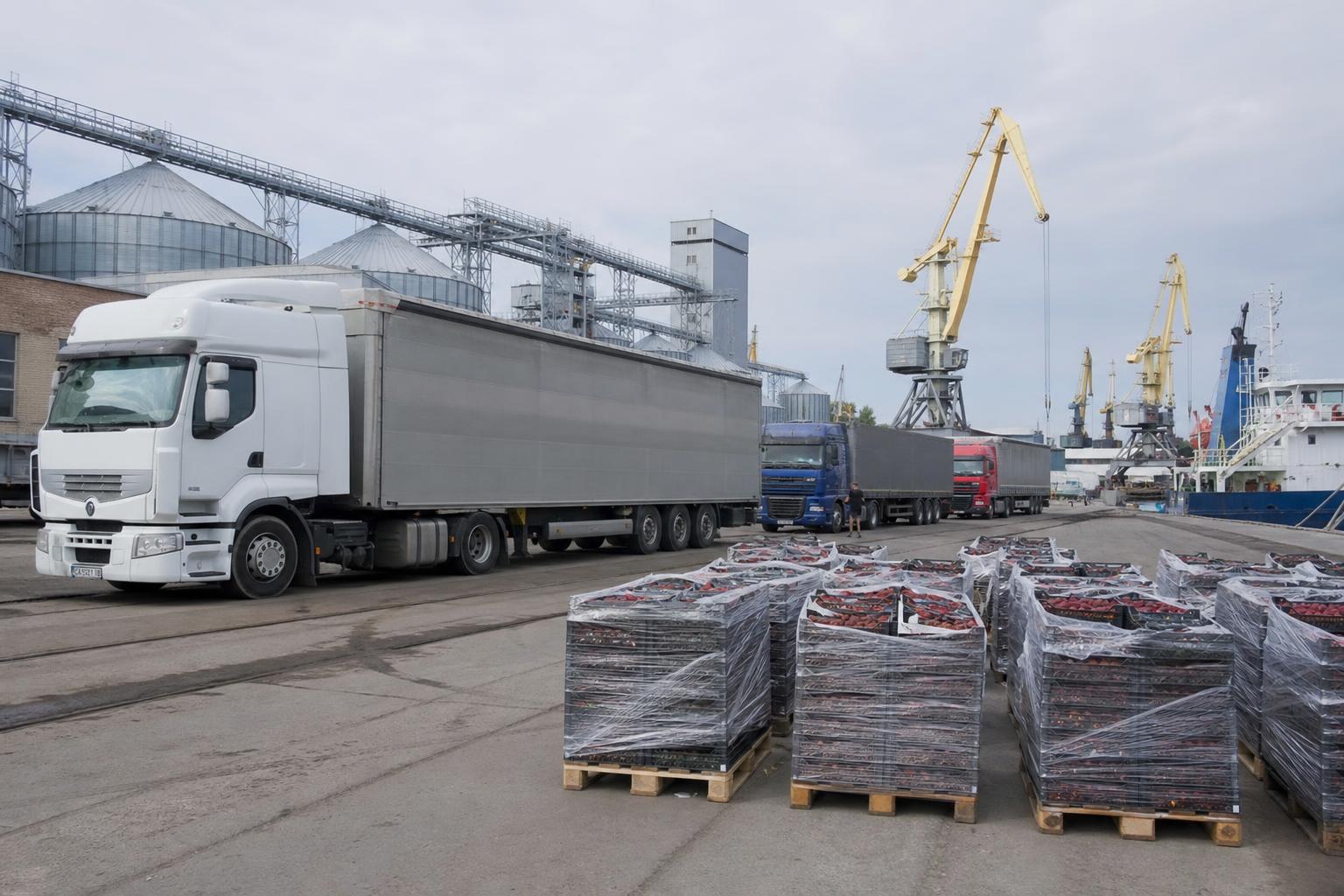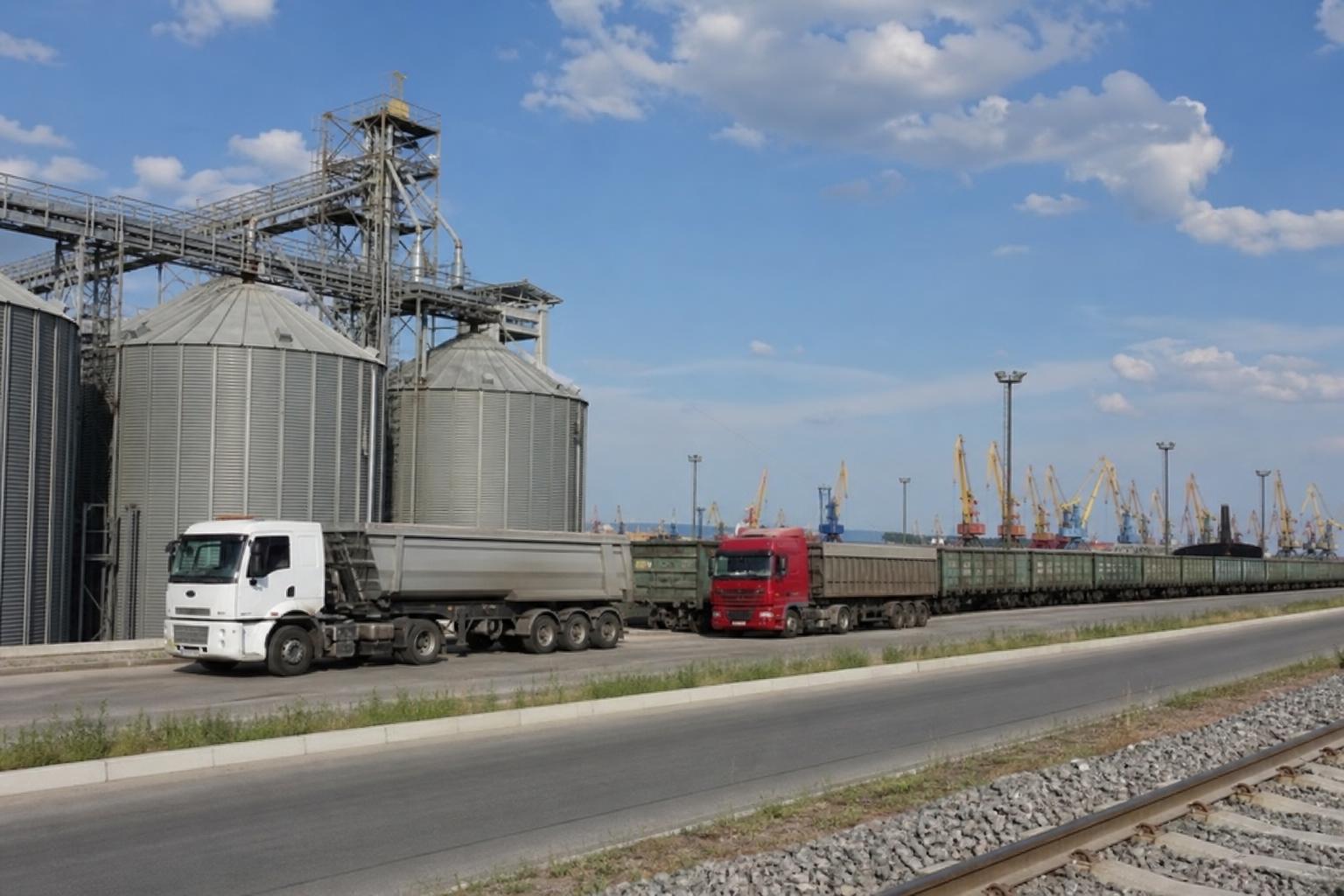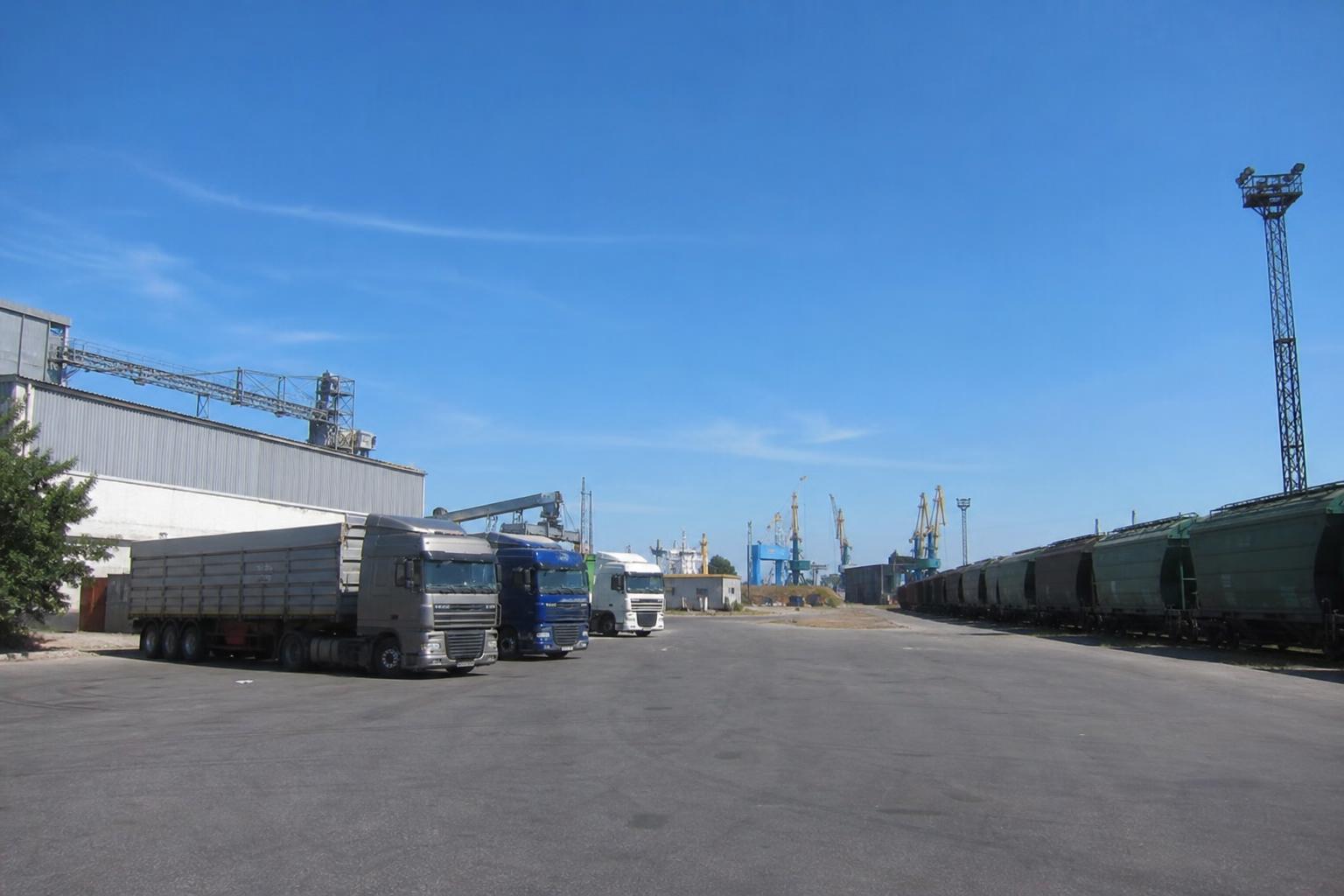
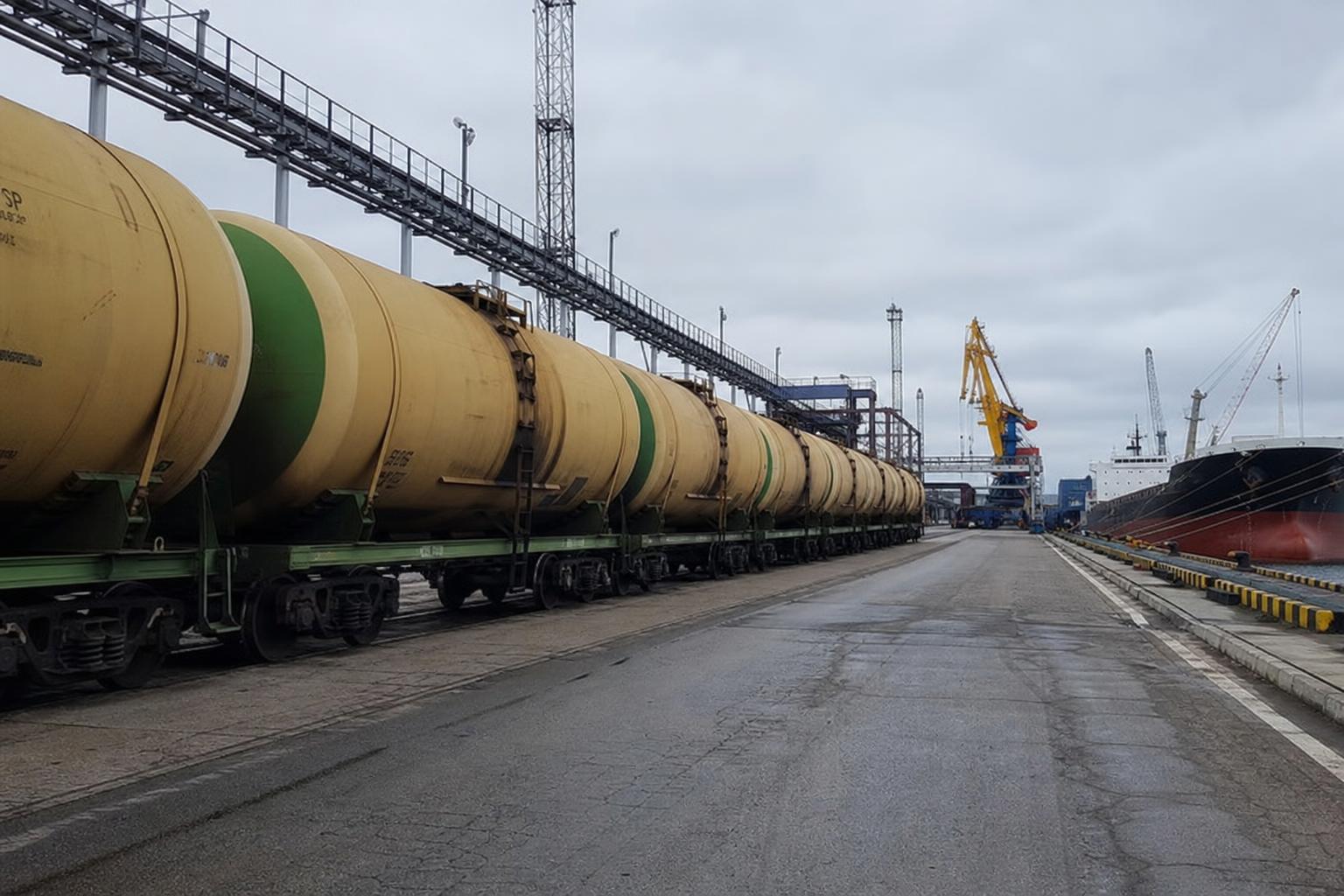
The provided materials mention a government decision to prioritize oils during rail and port shipments. Details of the decision are not specified, so producers and traders should clarify conditions before planning shipments.
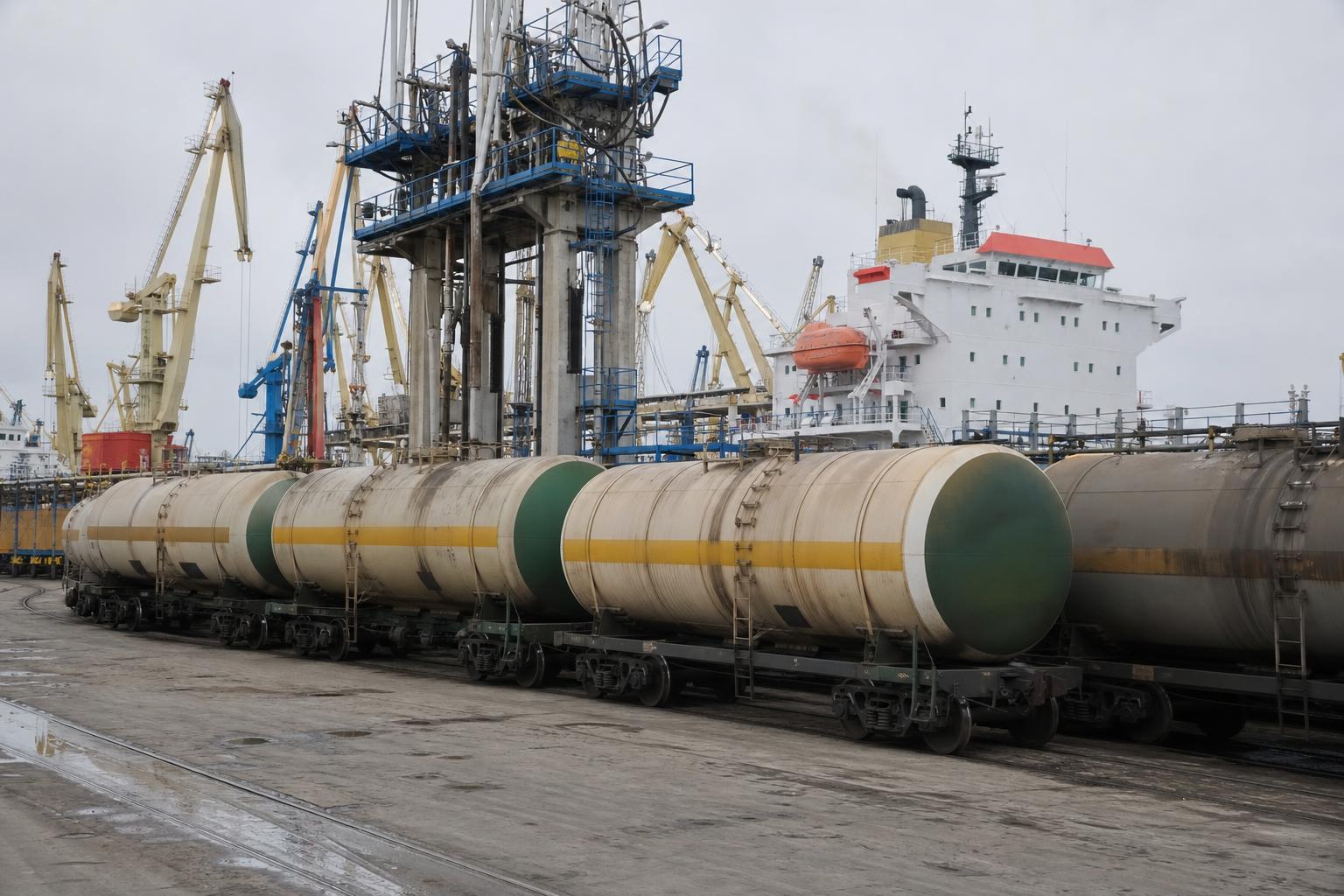
UkrOilProm urges synchronization of railway shipments and port activities: storage capacities for finished oil suffice for 5–7 days of operation. This enhances market participants' ability to plan shipments and transport schedules accurately.
The suspension of a major oilseed processor and exporter in Odesa region highlights key seasonal risks: port logistics depend not only on tariffs and capacities but also on security conditions.
Amid the high importance of port and Danube logistics for the agro sector, the fertilizer market received an important signal: phosphate cargoes are actively moving through regional Lower Danube routes. For fertilizer sellers and buyers in Ukraine, this is a reason to plan supplies, delivery conditions, and availability of NPK and phosphate positions more carefully before seasonal demand.
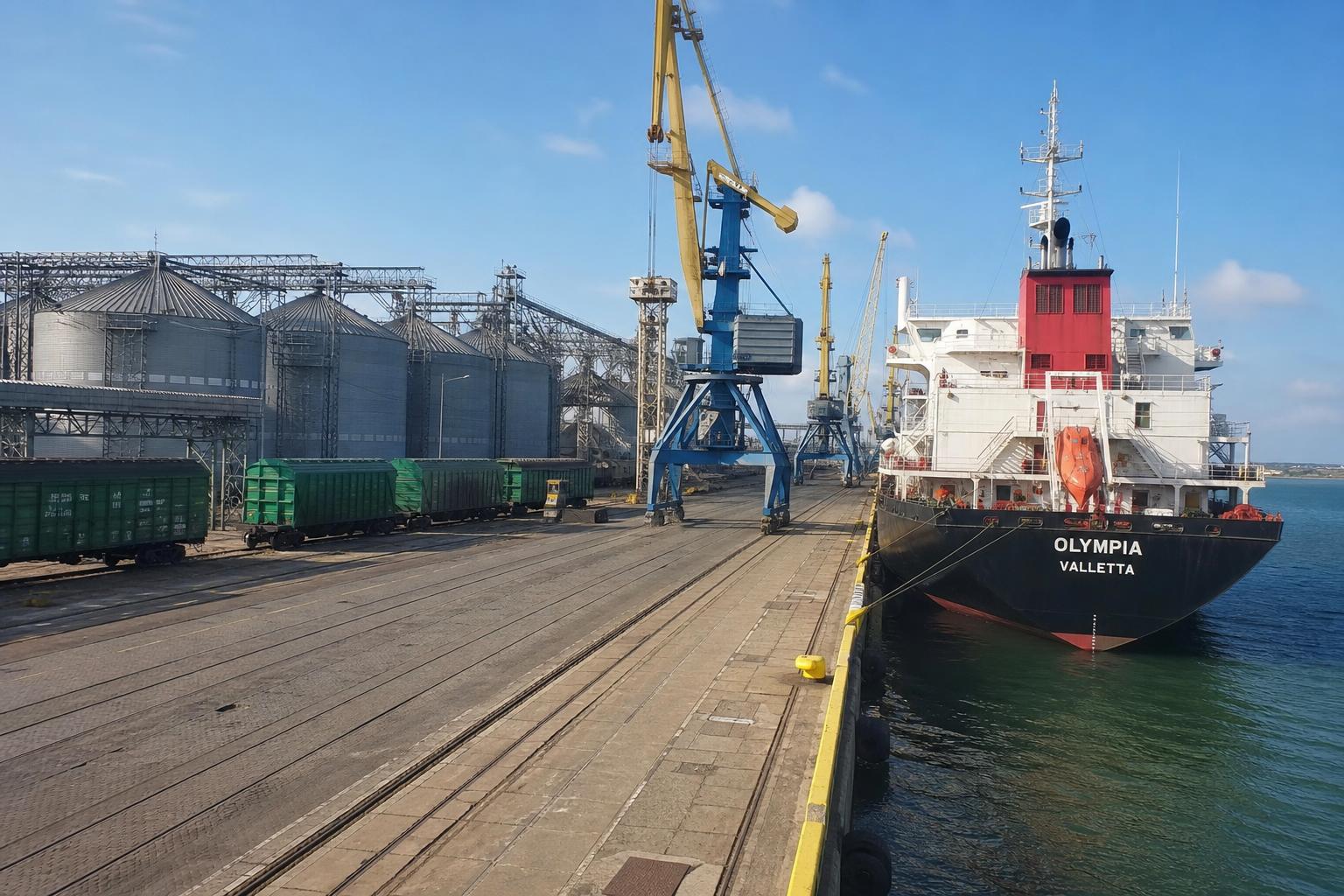
Ukrainian agricultural logistics is simultaneously exploring new international corridors and operating amid military risks to port infrastructure. The Bilhorod-Dnistrovskyi port has signed a cooperation agreement with Kazakhstan's TRANS EXPEDITION, while attacks on terminals in Odesa region highlight the importance of backup routes and flexible supply planning.
The Ukrainian agrarian market is entering an active transportation period with various logistical signals: some exporters are increasing shipments, frontline areas require separate loss accounting, and new bio-methane projects in the west may generate additional demand for local raw materials and fertilizer transportation.
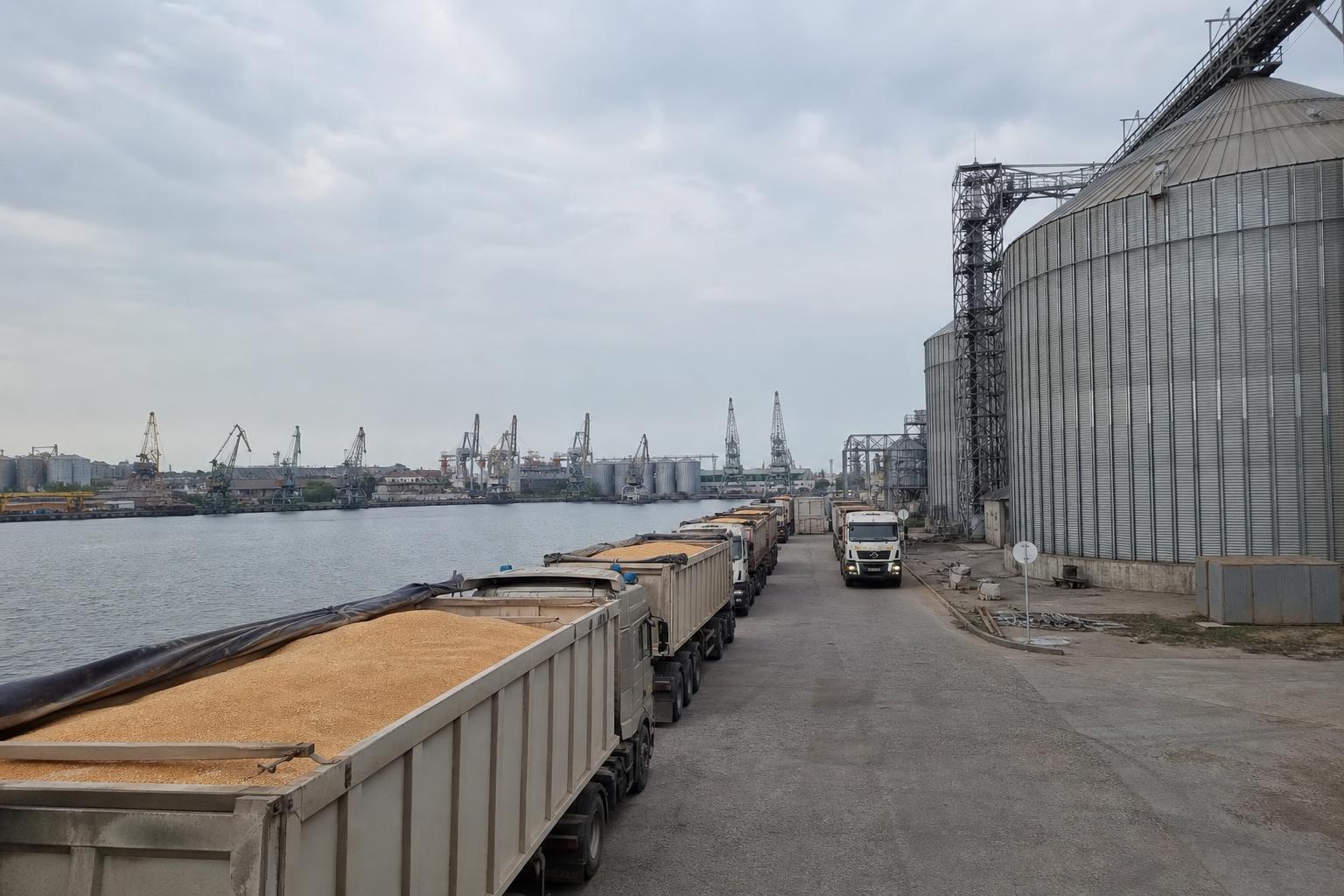
Ukrainian processors are completing sunflower and soybean programs and preparing for the new rapeseed harvest. Delivery conditions, transport availability, and port versus western border differences are key for sellers and buyers.
Turkey may sharply reduce barley imports and resume exports. For the Ukrainian market, this means more cautious demand for transportation, increased focus on CPT port rates, and the need to quickly secure logistics for the new harvest.
The approaching peak of the harvest season is changing demand for grain shipments to ports, while organic berries remain a notable export cargo to the EU. Sellers and carriers should plan shipments considering seasonal supply, batch quality, and buyer requirements.
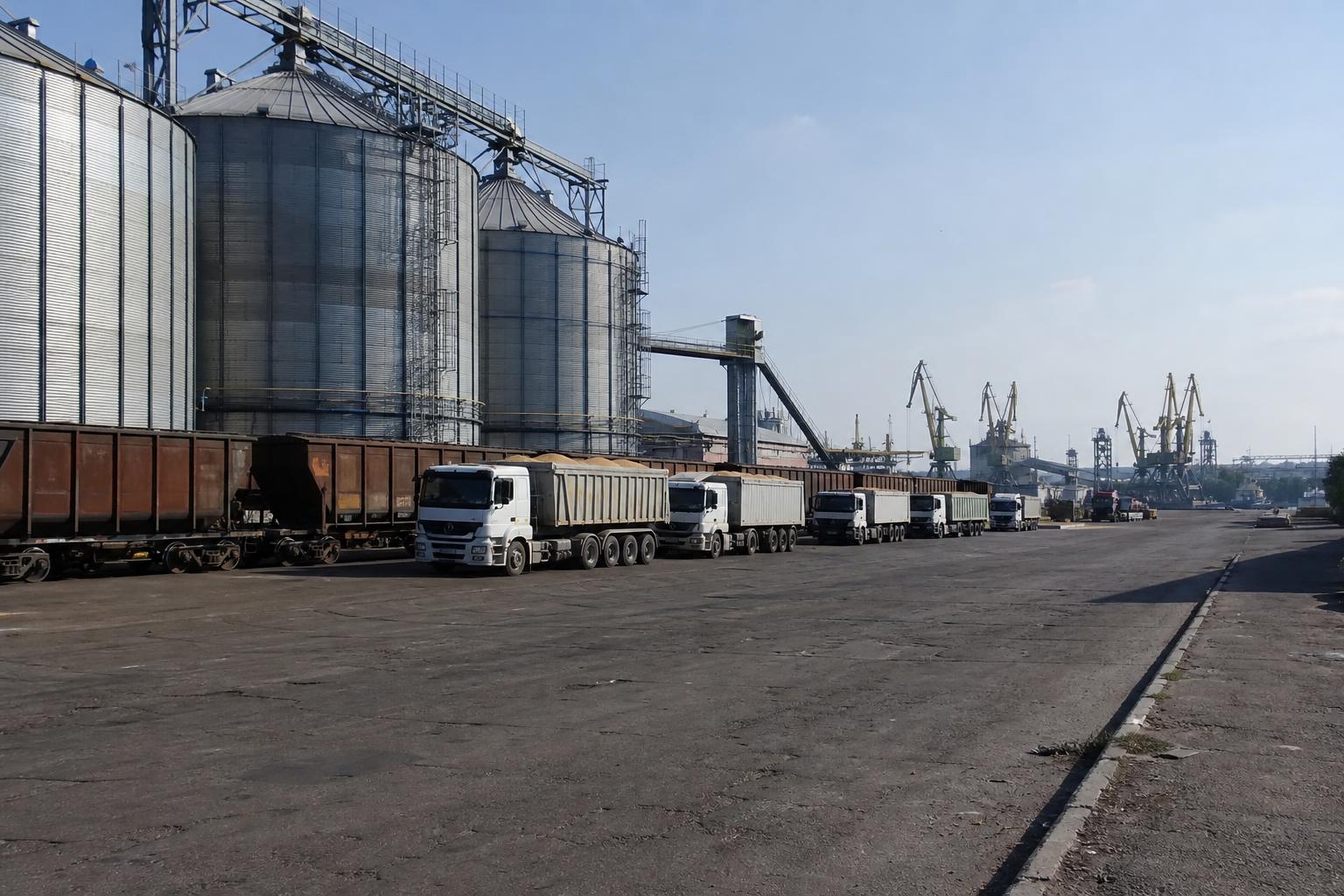
At the start of summer, agro-export logistics enters a period of increased cargo activity: wheat quota for the EU is already exhausted, and a significant portion of barley exports in July-August may go to China. This signals sellers, traders, carriers, and elevators to plan deliveries, documentation, and port windows more carefully.
Ukrainian agri-export gains new markets, but logistics increasingly depend on demand, price bases, and the ability to quickly reorient shipments between ports and the western border.
Enter your email and we will send a password reset link.
Don't have an account?
Help improve AgroPost?
With your consent, Google Analytics measures navigation and listing steps. The service does not start without consent. The site works without it.
What we collect and how to change your choice
We send category, language, step number and whether an error or save occurred, not entered values, phone numbers, email addresses or listing text. Your choice is stored in this browser for up to 180 days. Advertising tracking stays disabled.
Use Analytics settings to change your choice. Withdrawing consent reloads the page to stop already loaded services: save any unfinished form first.