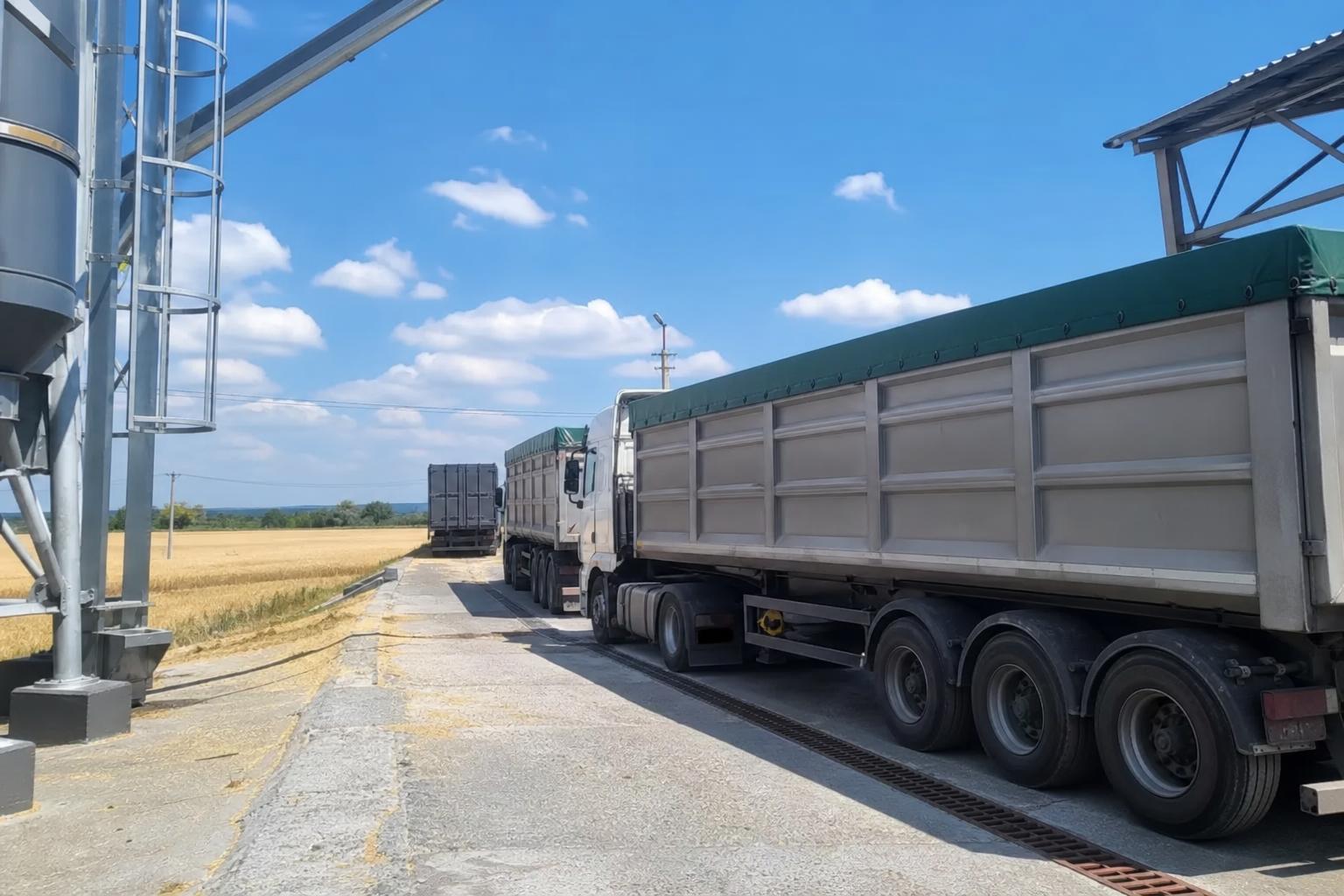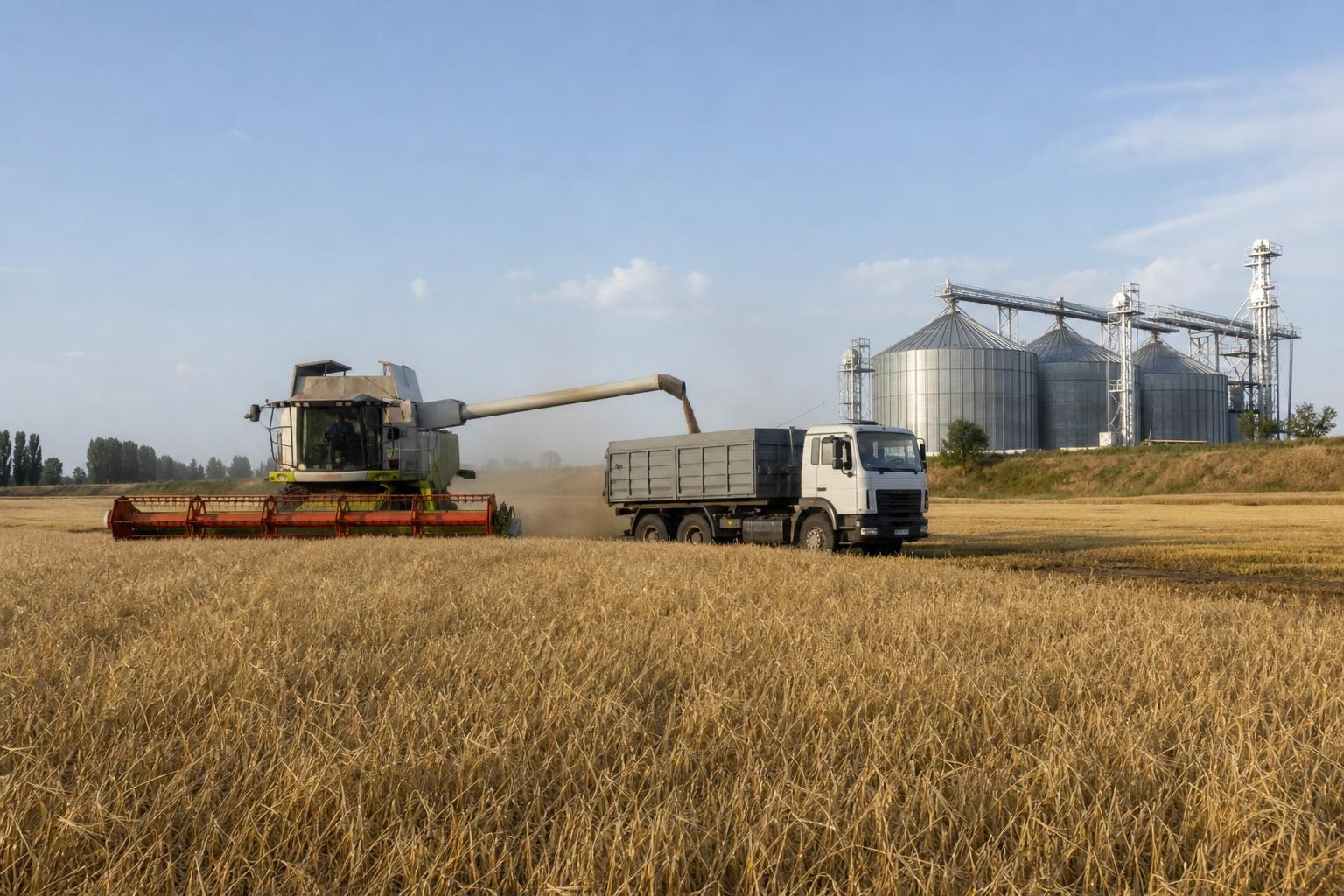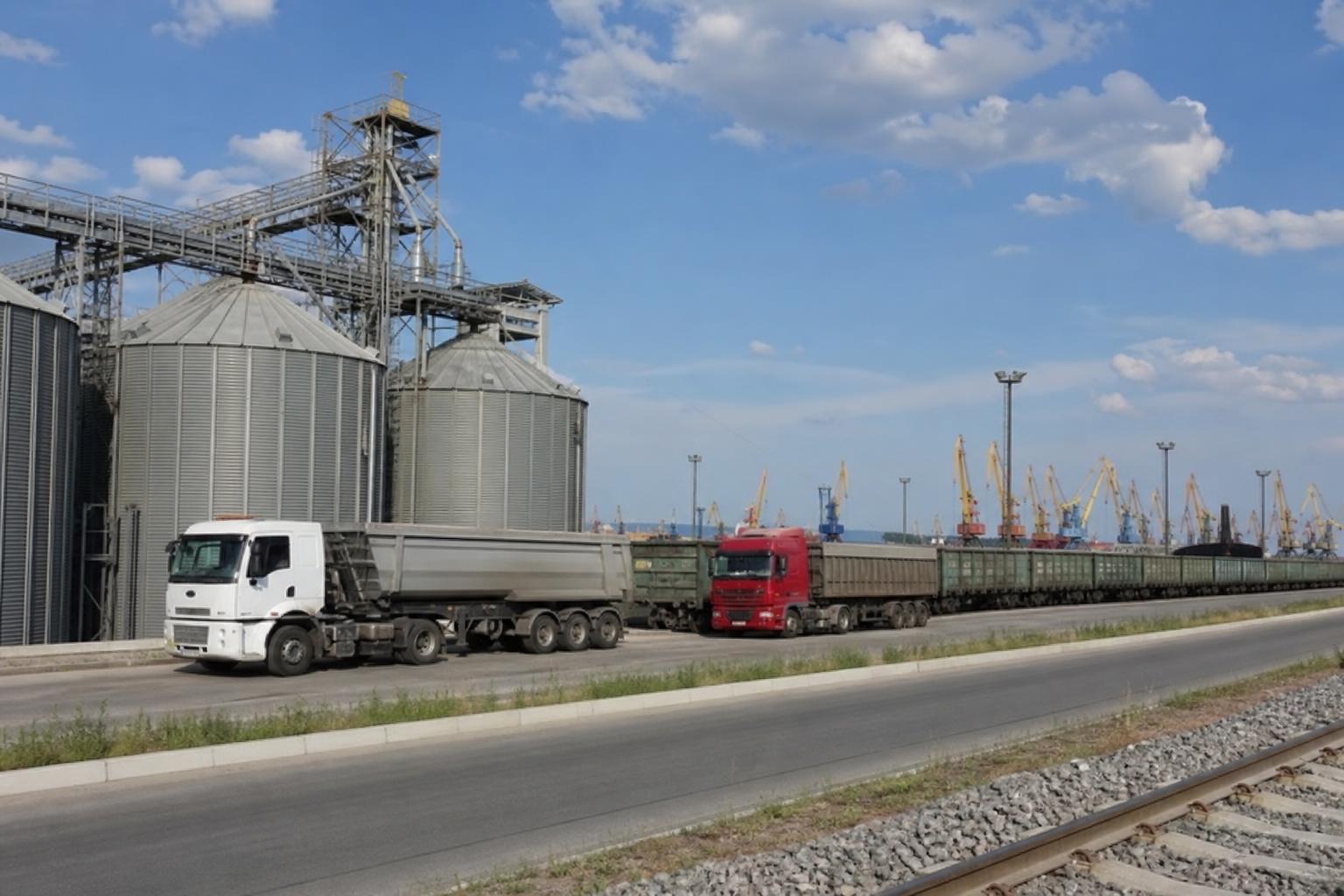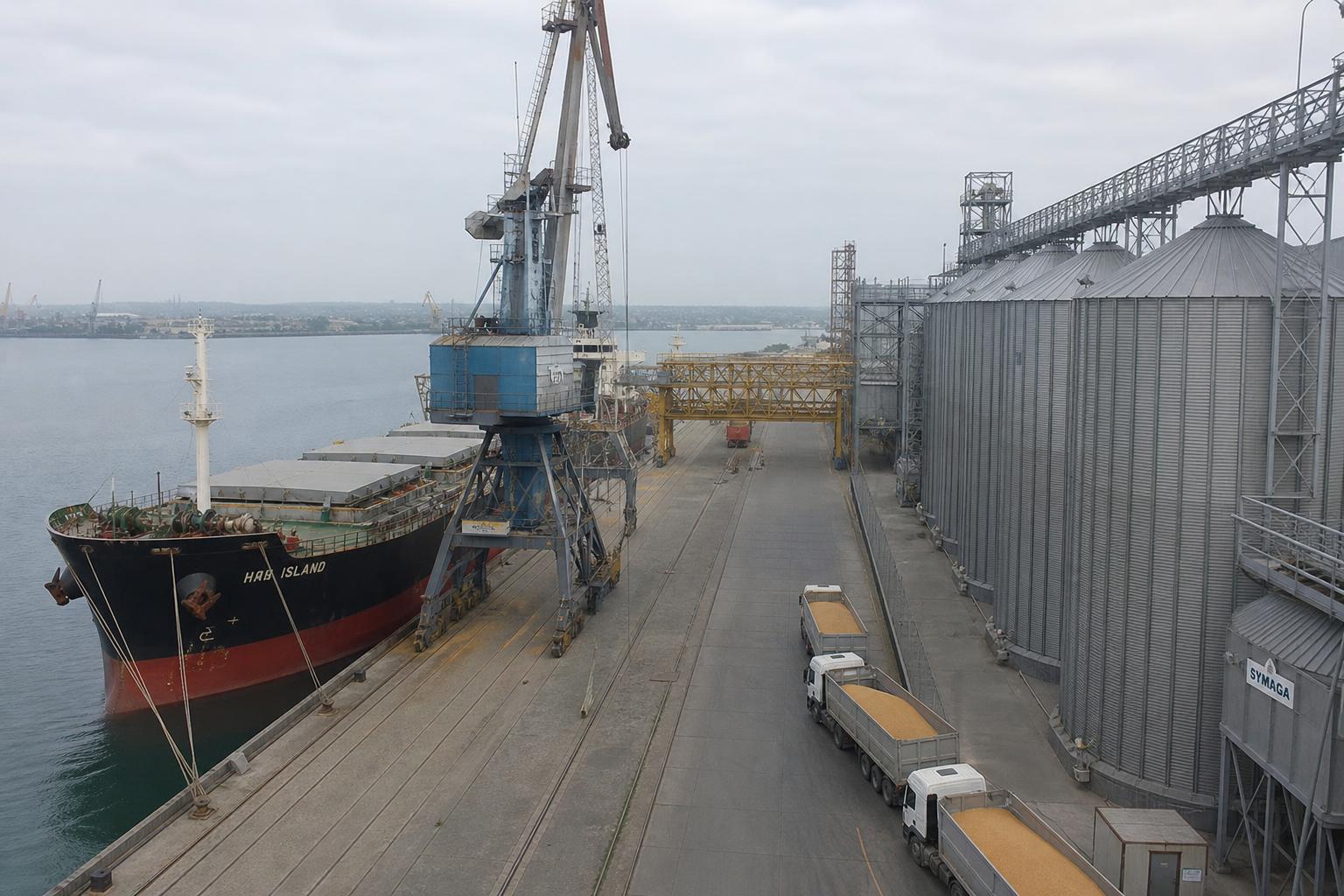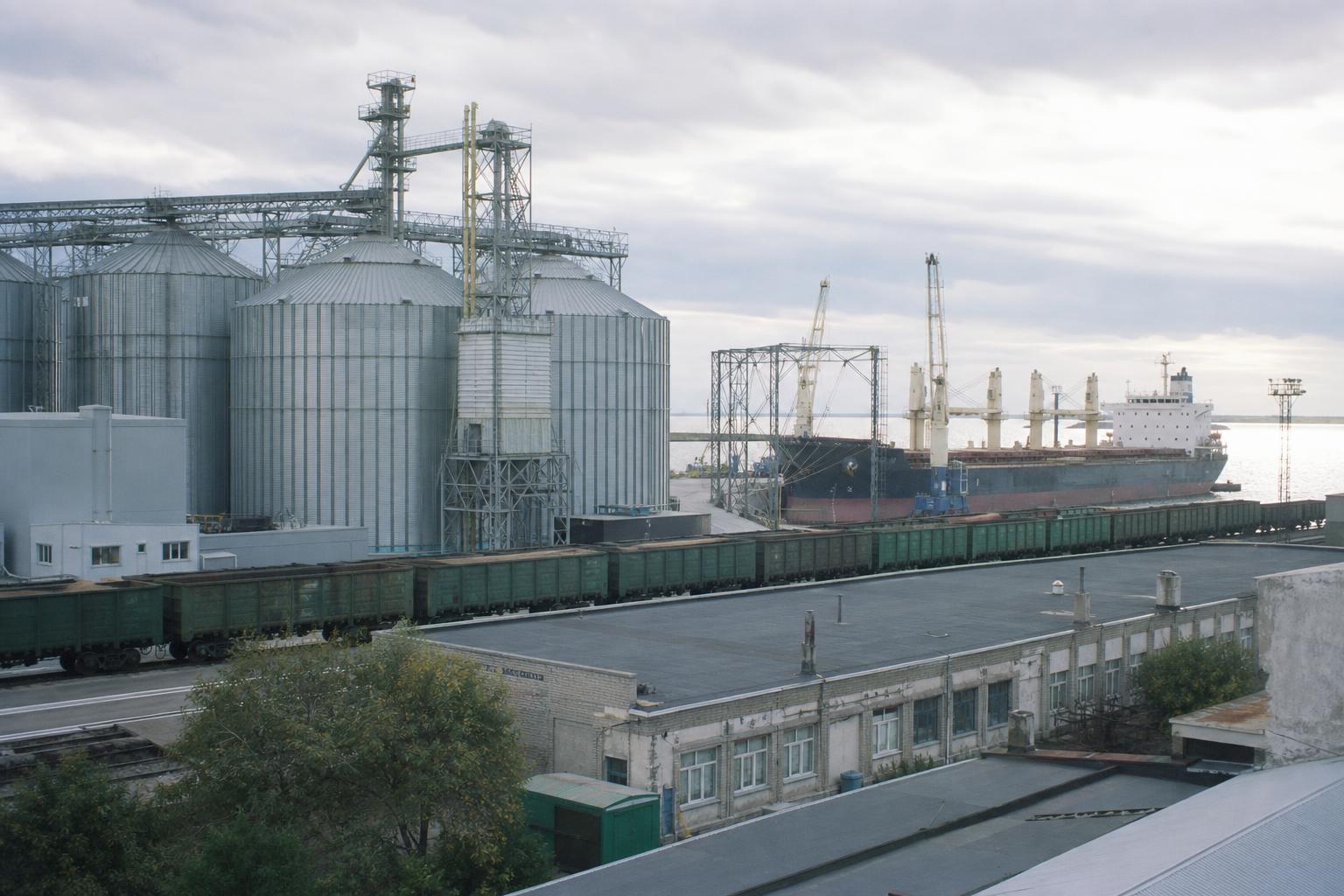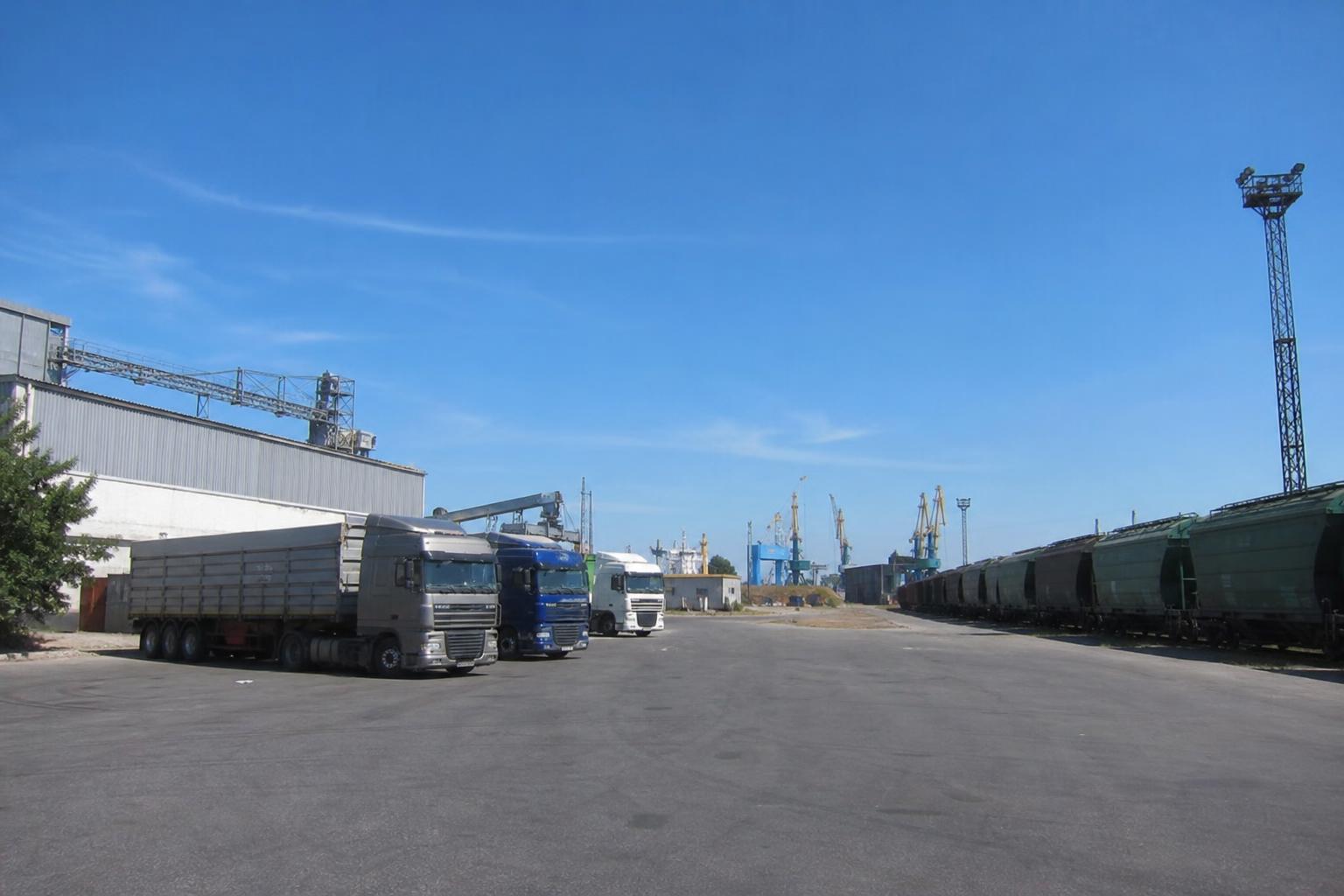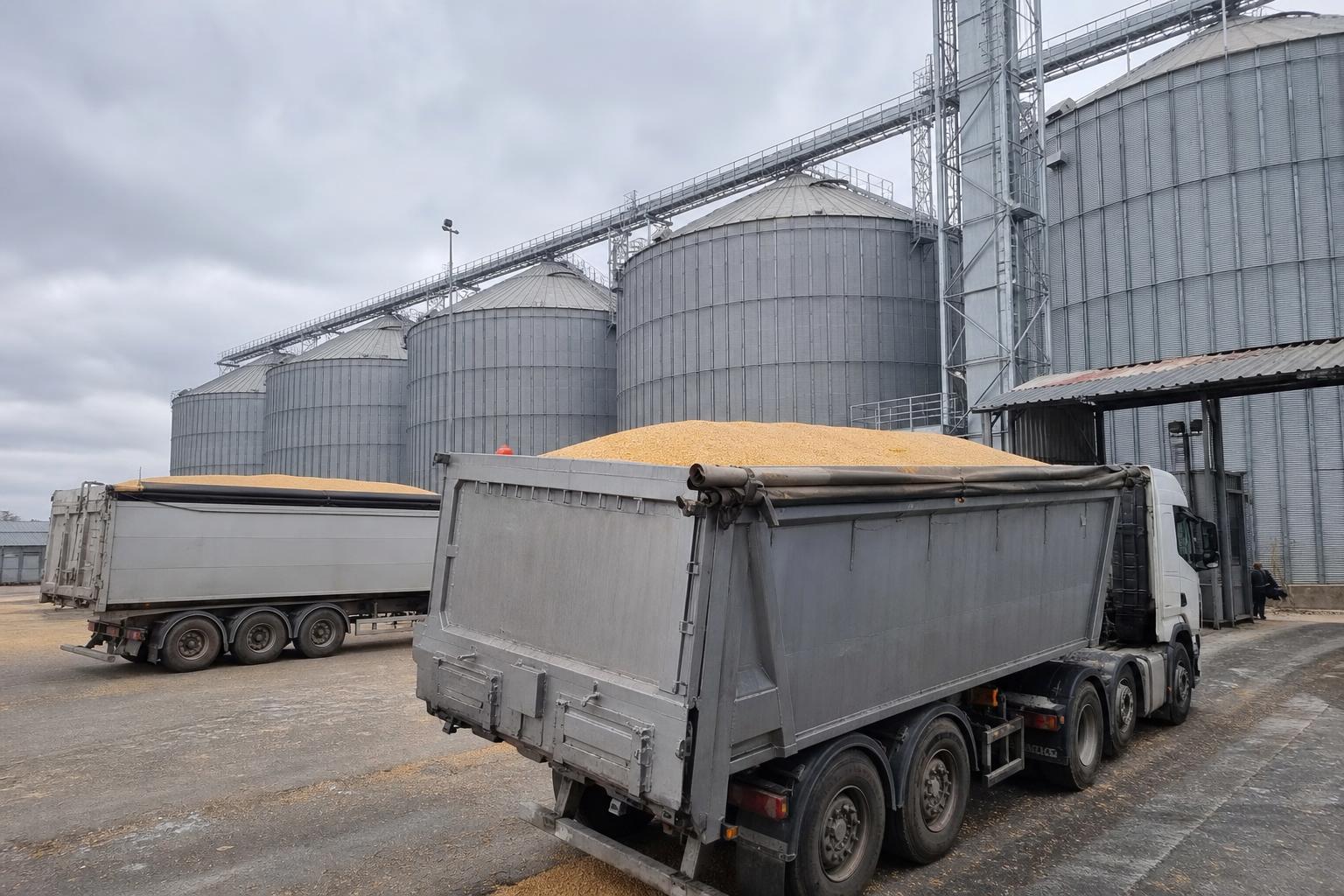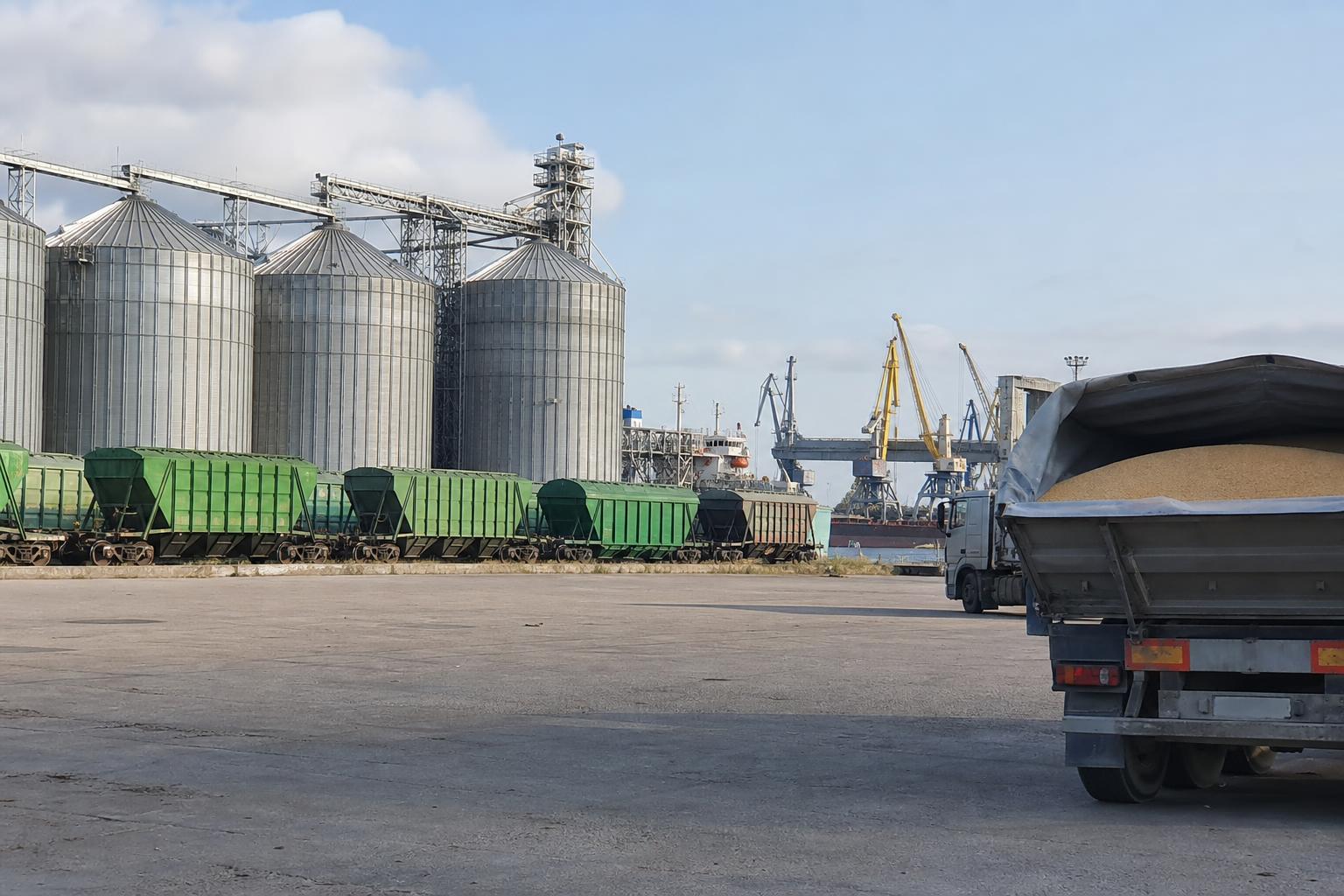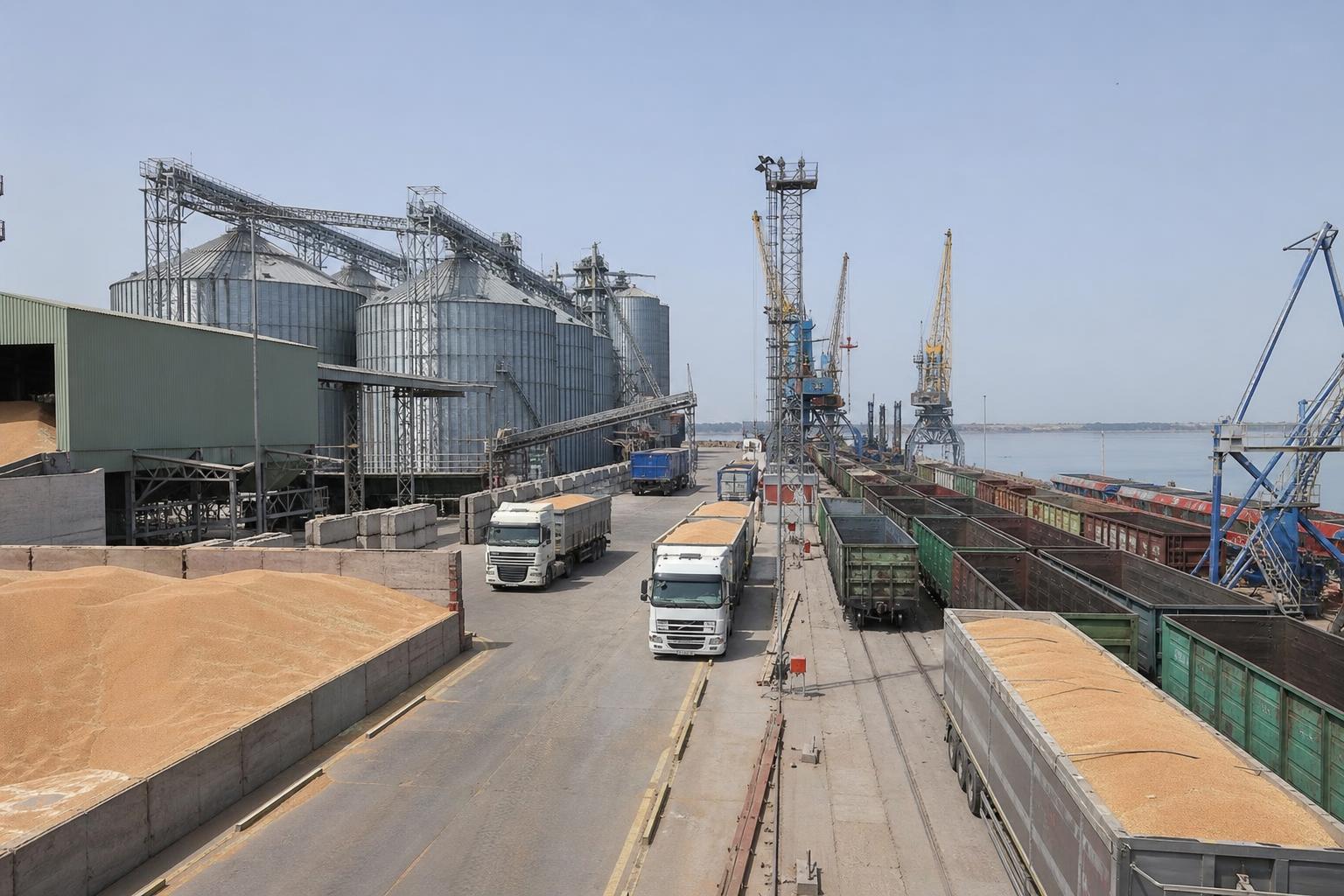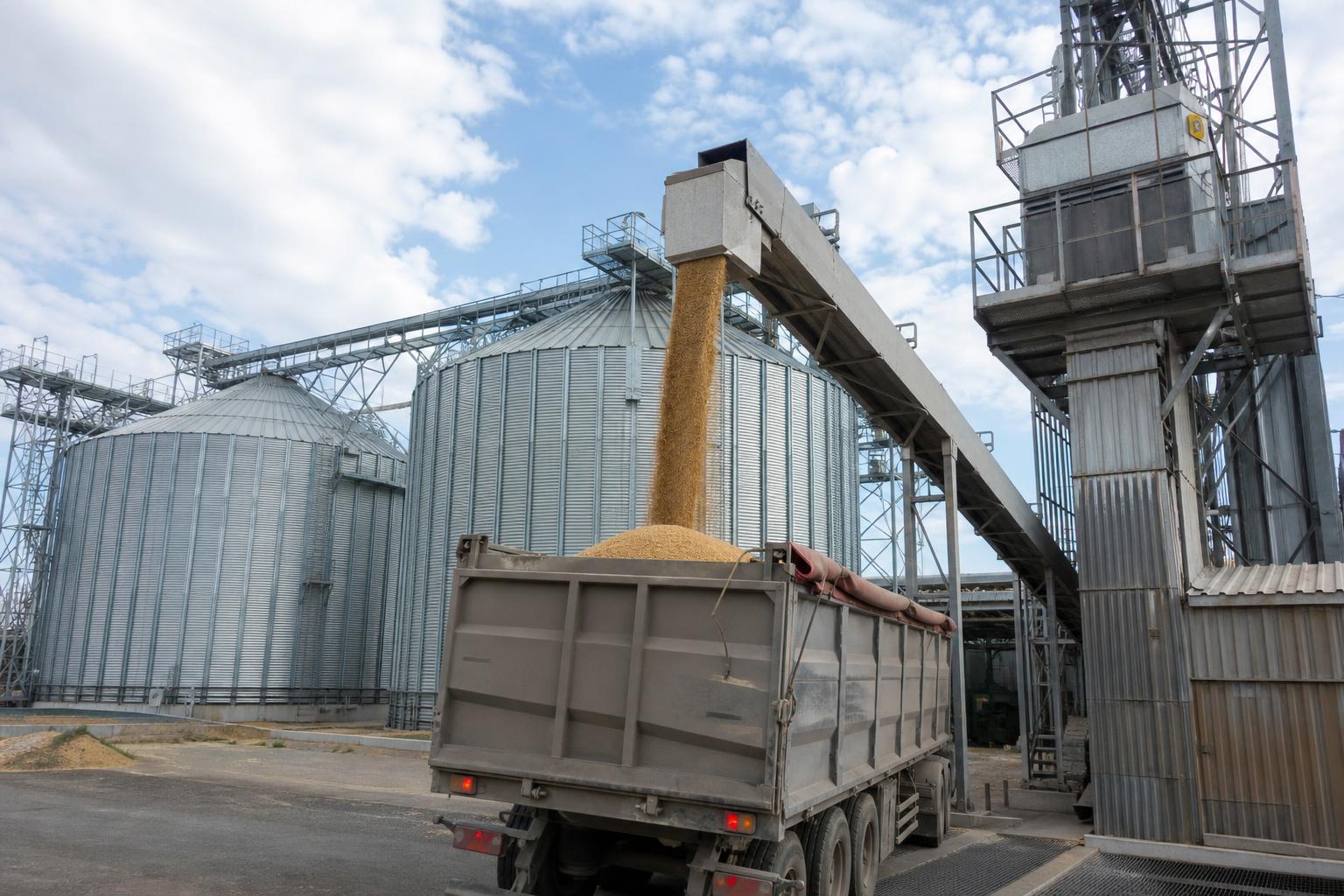
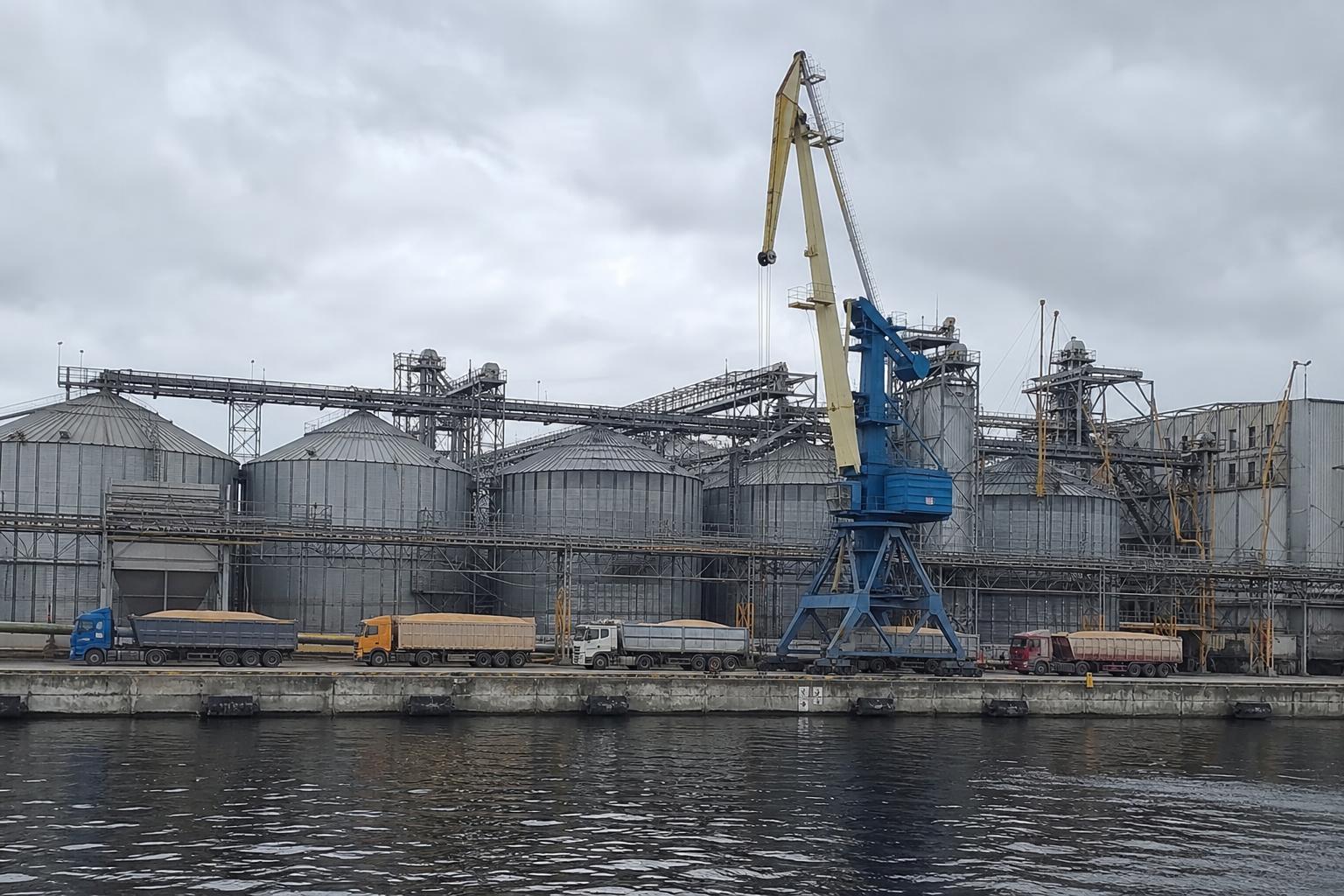
Ukrainian grain market enters the season with increased logistical risks: attacks on port infrastructure may reduce shipments through the Odessa region, while rerouting to the Danube has limited potential and higher costs.
As of June 19, 2026, Ukraine has exported nearly 36 million tons of grains and legumes in 2025/26 MY, 10% less than last year. Harvesting of barley and peas has started in Odessa, prompting logistics players to prepare for seasonal redistribution.
As of June 19, Ukraine has exported nearly 36 million tons of grains and legumes in 2025/26 MY, 10% less than last year. Harvesting of winter barley and peas has started in Odesa region, gradually shaping new market supply.
At the start of summer, agro-export logistics enters a period of increased cargo activity: wheat quota for the EU is already exhausted, and a significant portion of barley exports in July-August may go to China. This signals sellers, traders, carriers, and elevators to plan deliveries, documentation, and port windows more carefully.
For Ukrainian grain exporters, it is crucial to consider IMO changes regarding safe bulk grain transportation. The new loading method requires updated stability calculations, documentation, and software for vessel loading.
IMO updated safe grain transportation rules: partial loading requires new calculations and vessel document updates. Ukrainian elevators and traders should verify vessel readiness and grain batch requirements in advance.
Ukrainian agri-export gains new markets, but logistics increasingly depend on demand, price bases, and the ability to quickly reorient shipments between ports and the western border.
Ukrainian corn prices declined amid weaker demand, Latin American competition, and active sales of old crop residues. This signals producers and elevators to pay closer attention to basis, quality, and sales channels.
Ukrainian corn prices have decreased on key export bases: DAP port — up to $217/ton, FCA western border — up to €193/ton. This signals traders and buyers to carefully consider routes, delivery basis, and competition from Black Sea and Latin American suppliers.
Agromino plans to sell its port operator and warehouse facilities in Chornomorsk but will continue working with its own cargoes in the port. This signals the grain market to pay closer attention to transshipment access, storage conditions, and logistics options in the southern direction.
Enter your email and we will send a password reset link.
Don't have an account?
Help improve AgroPost?
With your consent, Google Analytics measures navigation and listing steps. The service does not start without consent. The site works without it.
What we collect and how to change your choice
We send category, language, step number and whether an error or save occurred, not entered values, phone numbers, email addresses or listing text. Your choice is stored in this browser for up to 180 days. Advertising tracking stays disabled.
Use Analytics settings to change your choice. Withdrawing consent reloads the page to stop already loaded services: save any unfinished form first.