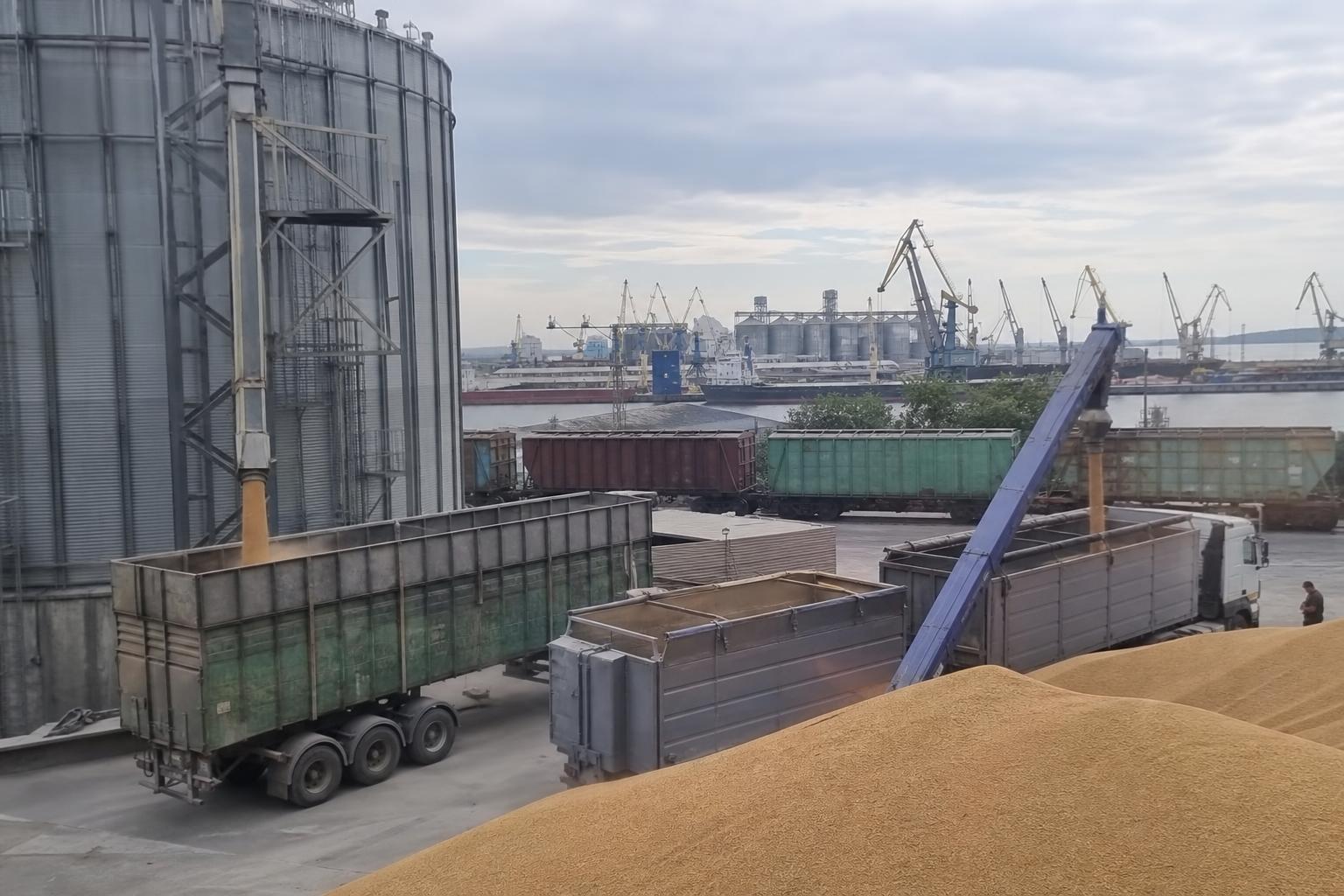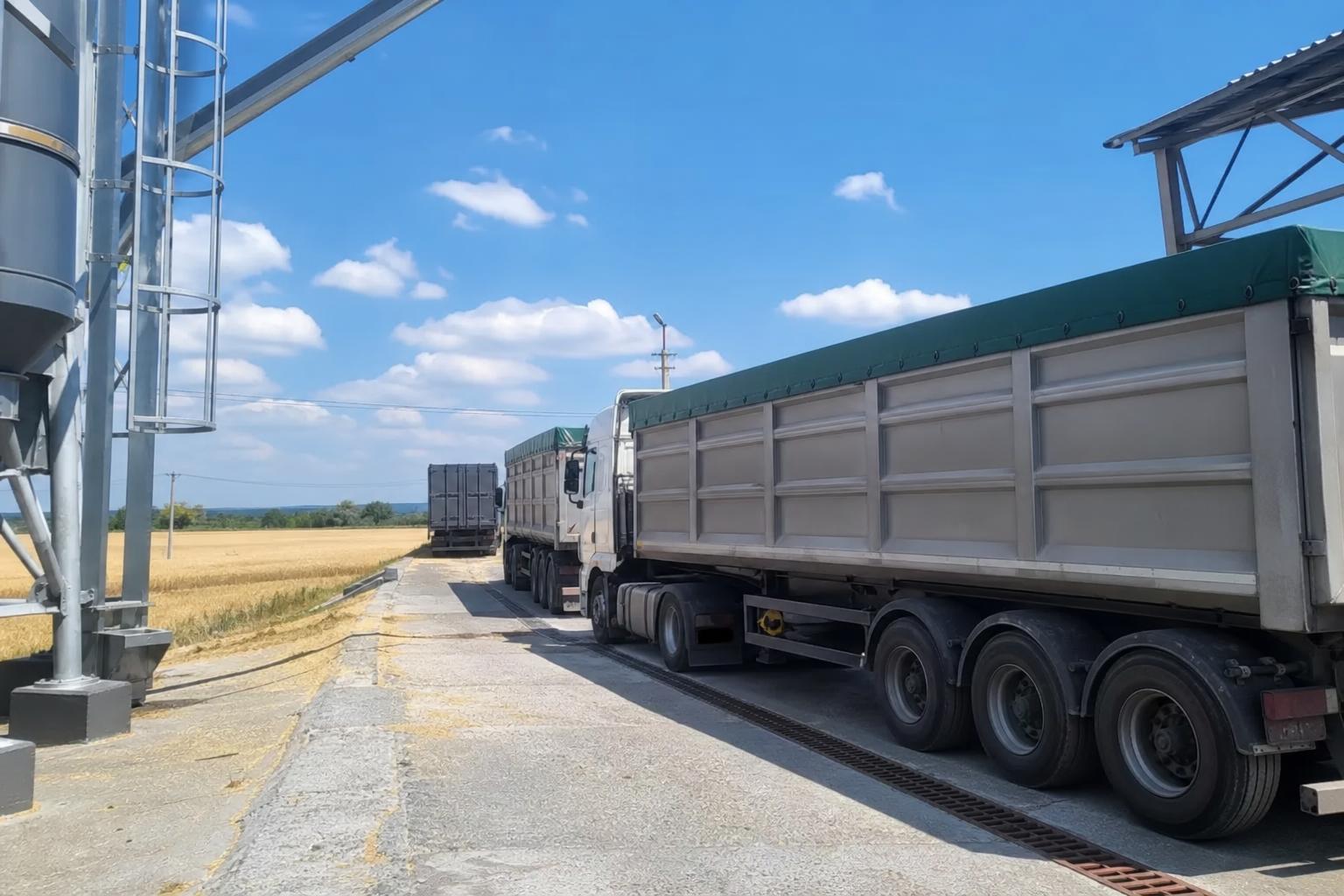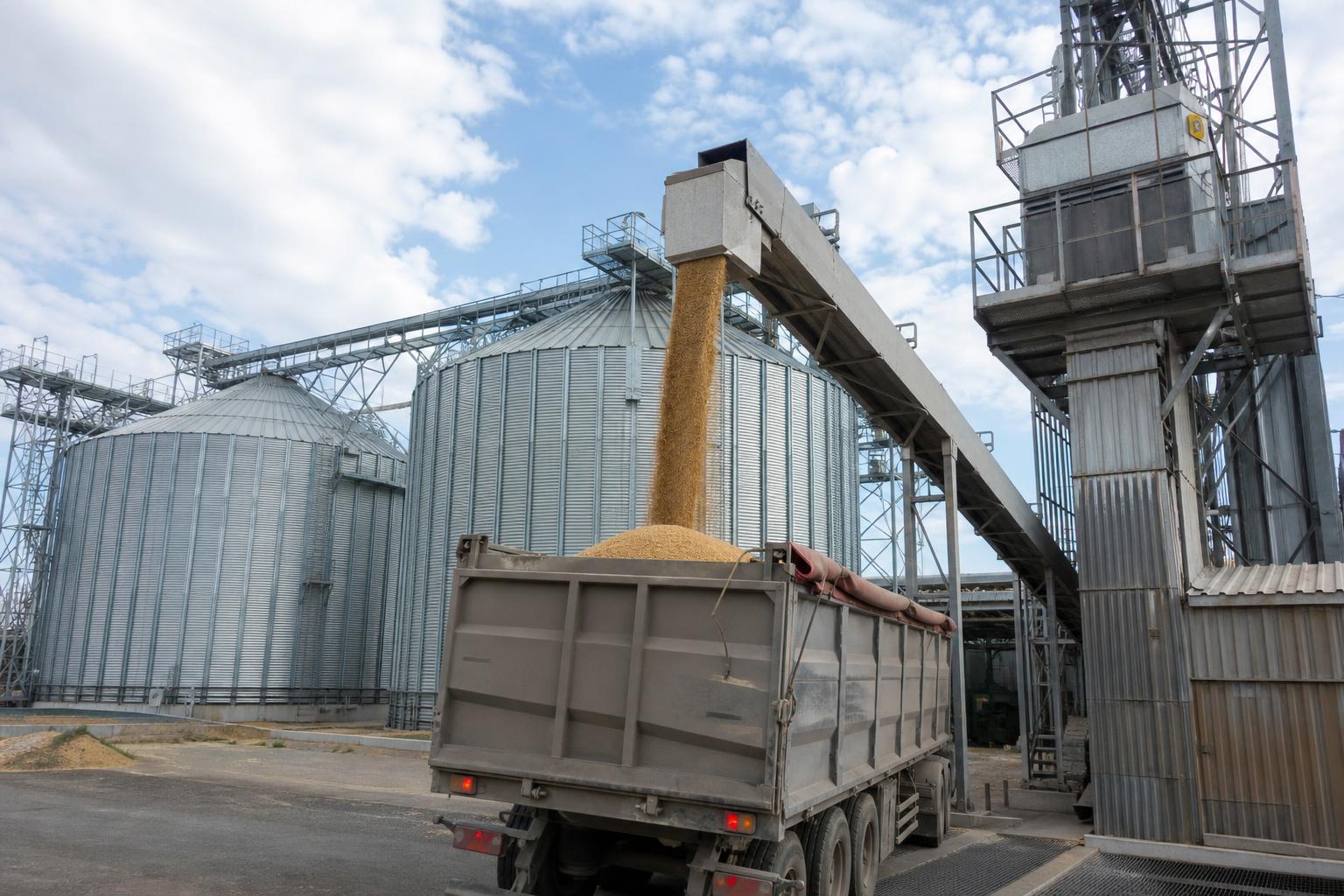
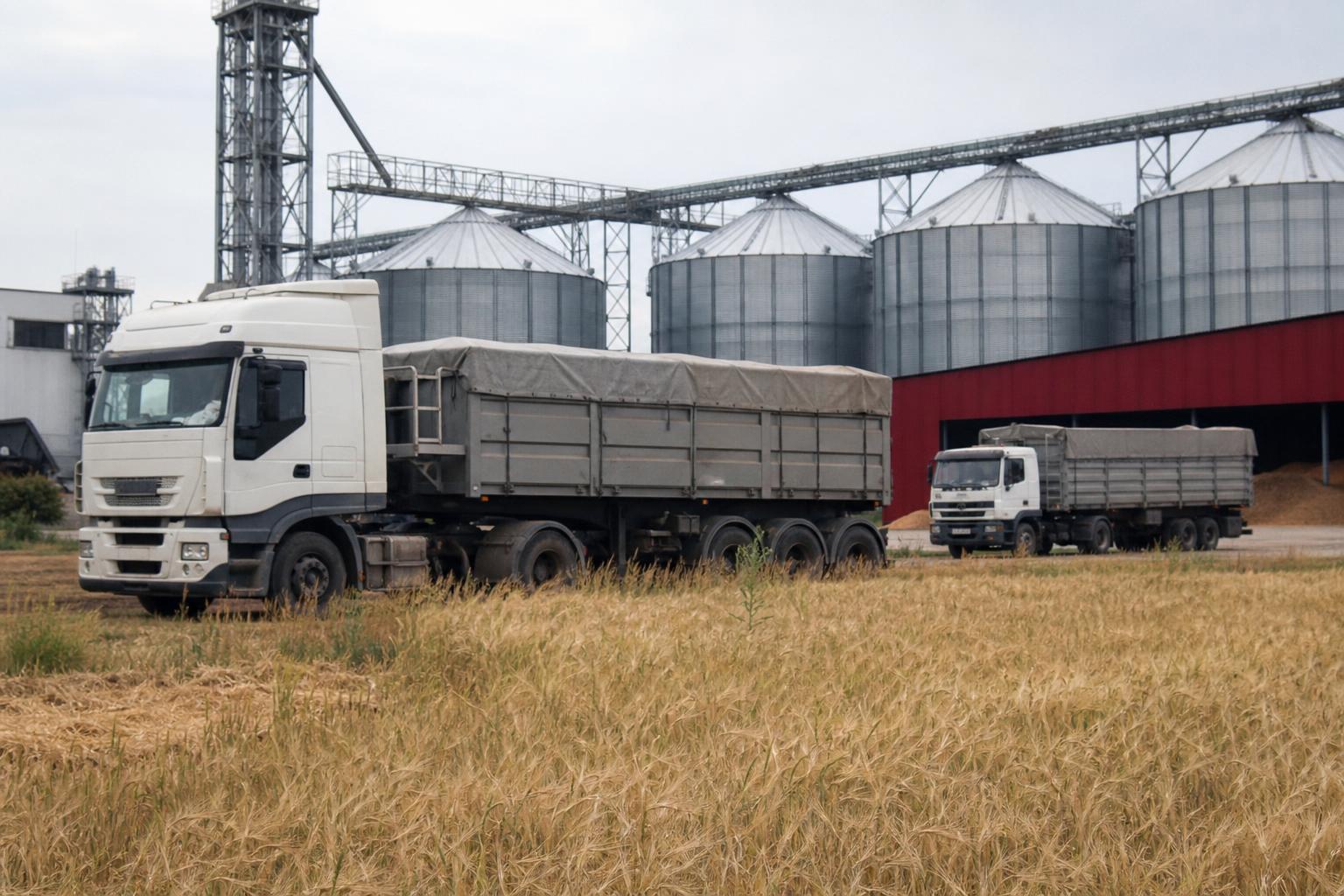
Early barley shipments from Odesa region arrive with low moisture, while farms in other regions invest in their own storage. This signals traders and buyers to plan logistics, elevator services, and sales more carefully.
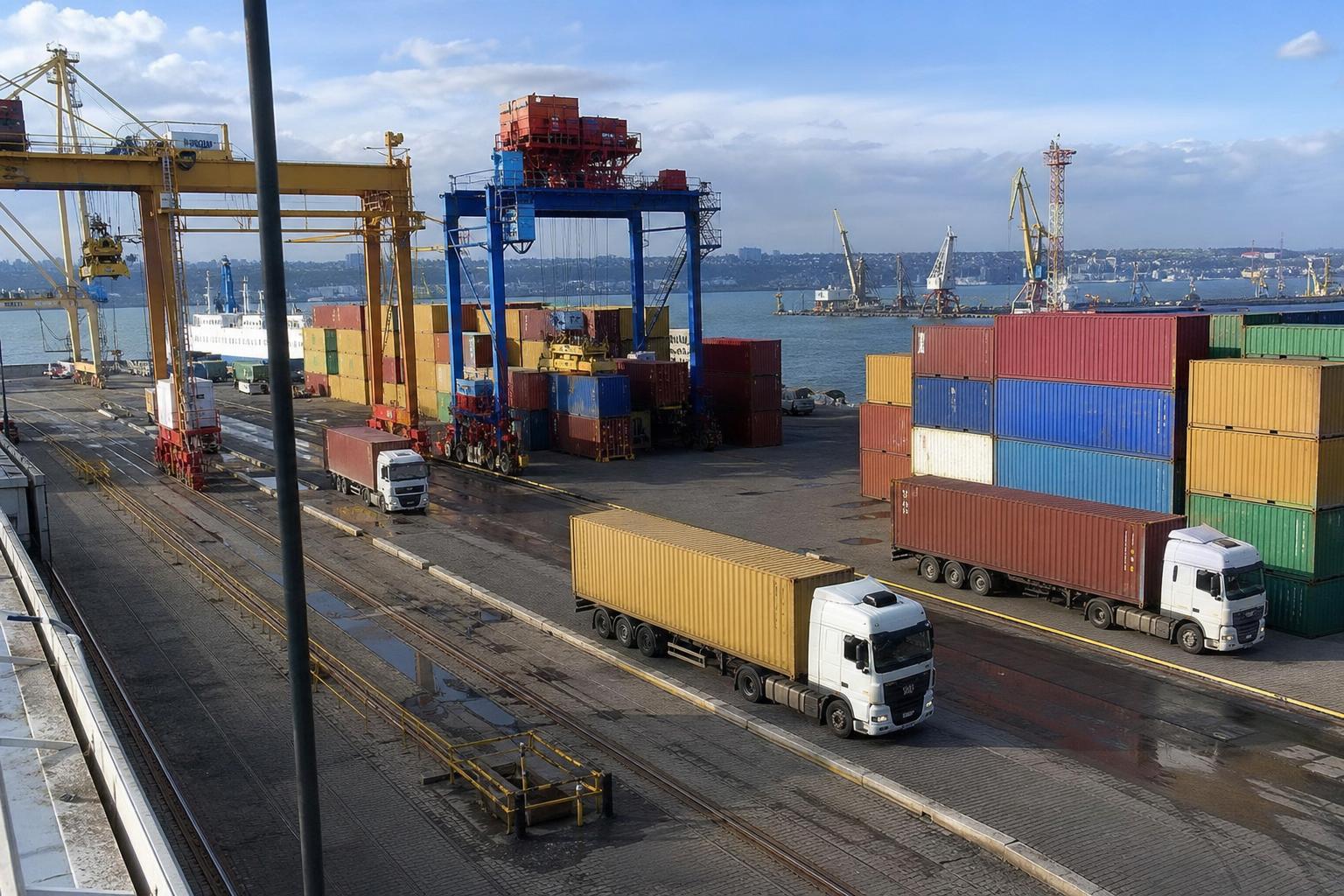
Major international and Ukrainian players have been admitted to the competitive dialogue for the concession of Chornomorsk port's container terminal. This signals the agro-business to plan container routes, export batches, and future logistics costs more carefully.
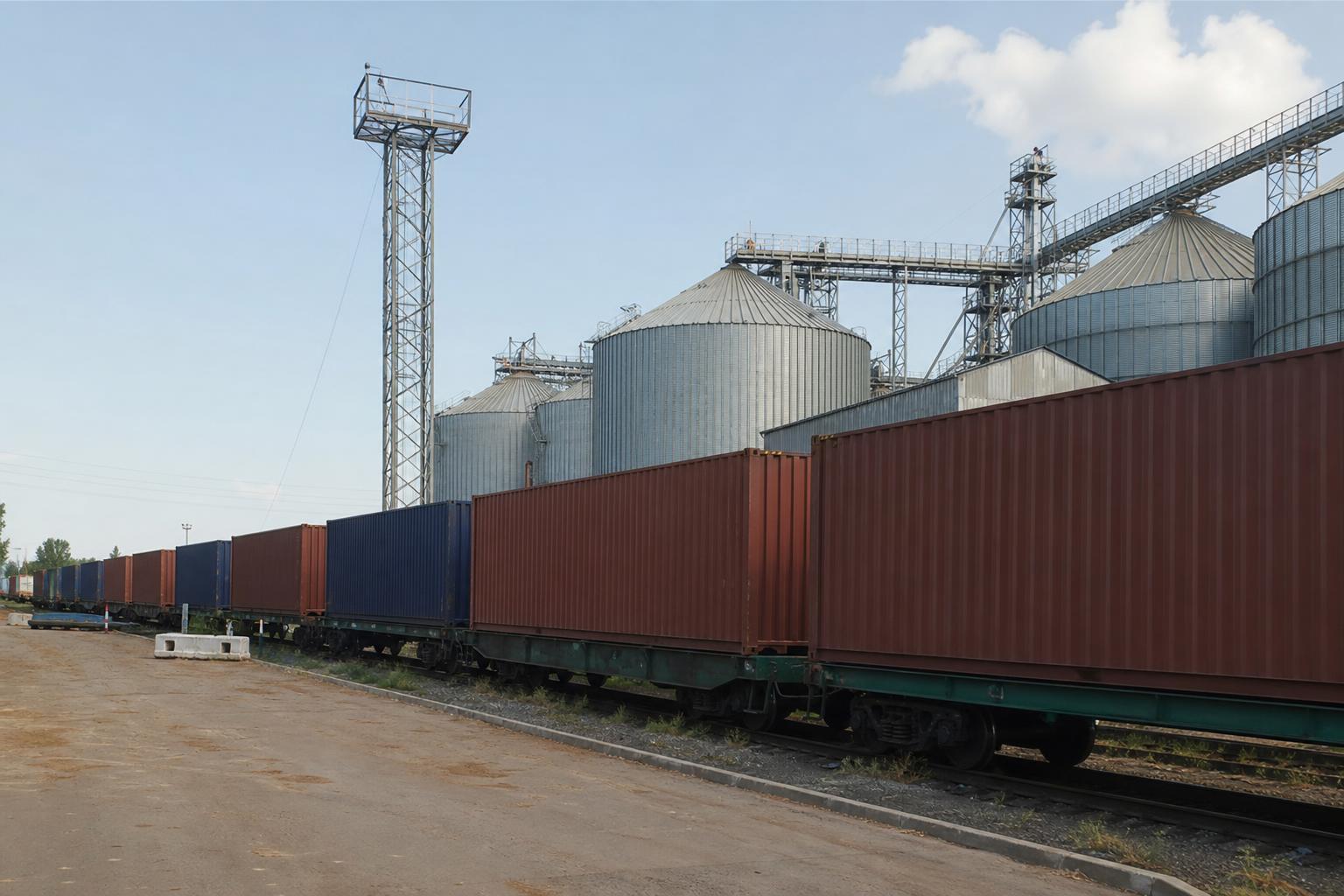
In the first five months of 2026, railway container shipments in Ukraine increased to 128,325 TEU. The key signal for the agro-market is that grain remains the largest commodity, but its share is decreasing while meal and oilcakes are more actively entering container formats.
Turkey may sharply reduce barley imports and resume exports. For the Ukrainian market, this means more cautious demand for transportation, increased focus on CPT port rates, and the need to quickly secure logistics for the new harvest.
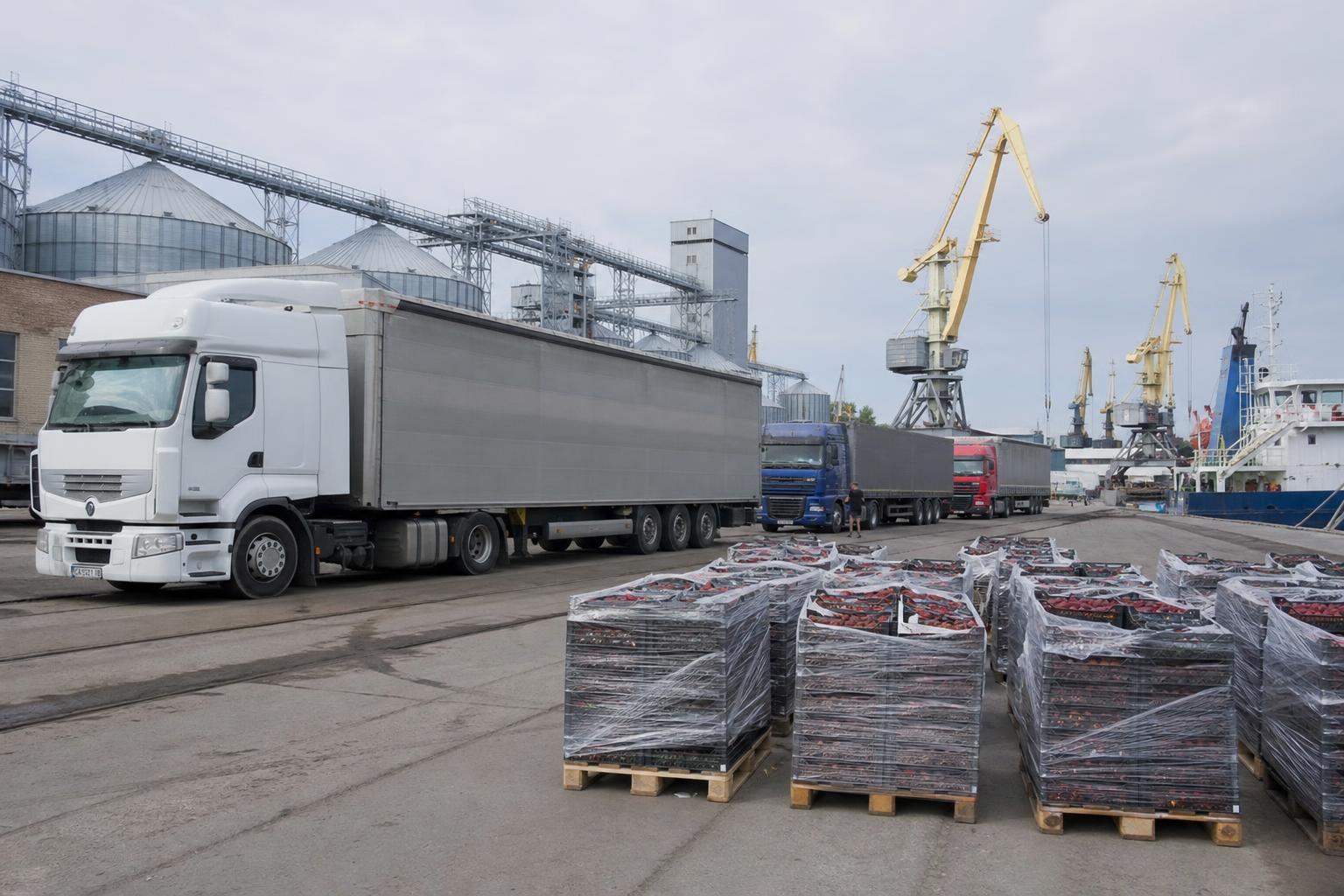
The approaching peak of the harvest season is changing demand for grain shipments to ports, while organic berries remain a notable export cargo to the EU. Sellers and carriers should plan shipments considering seasonal supply, batch quality, and buyer requirements.
For grain exporters and elevator operators, the logistics season faces challenges from attacks on civilian ships near Ukrainian ports and potential 30% increase in Ukrzaliznytsia freight tariffs from August 1, 2026.
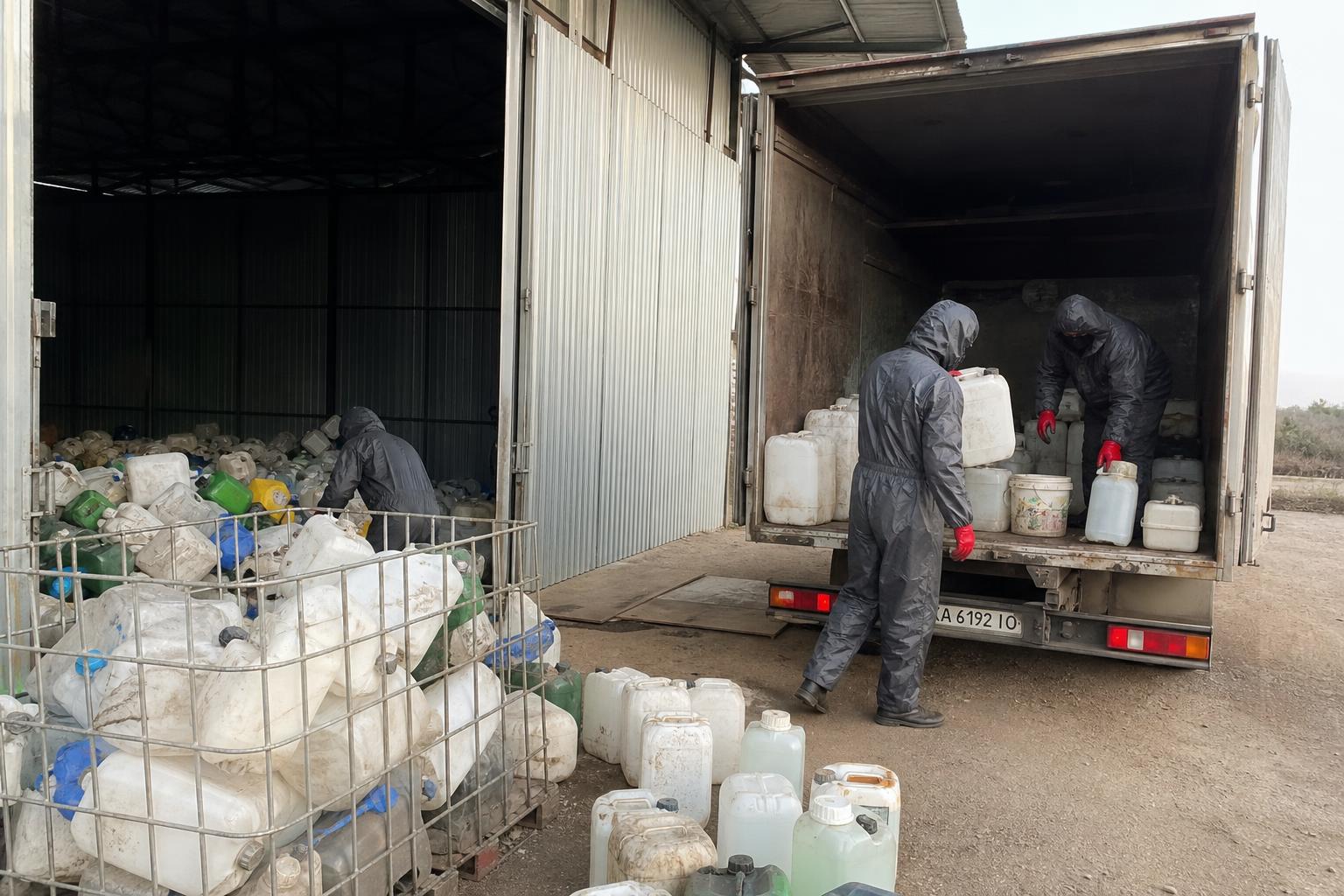
In Ukraine, a free collection, transportation, and recycling system for pesticide containers is operational. For farms, this addresses both environmental concerns and efficient logistics with licensed operators.
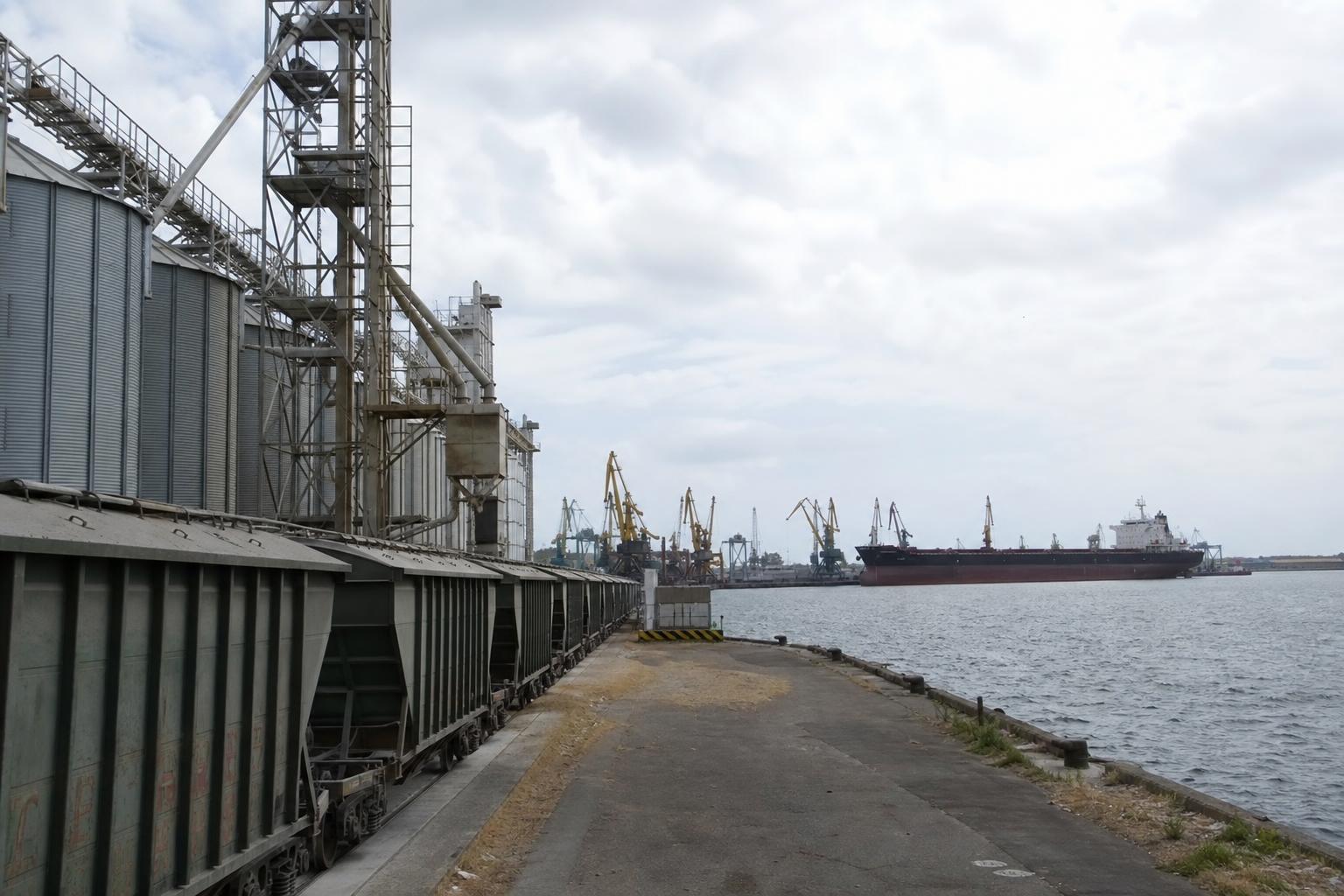
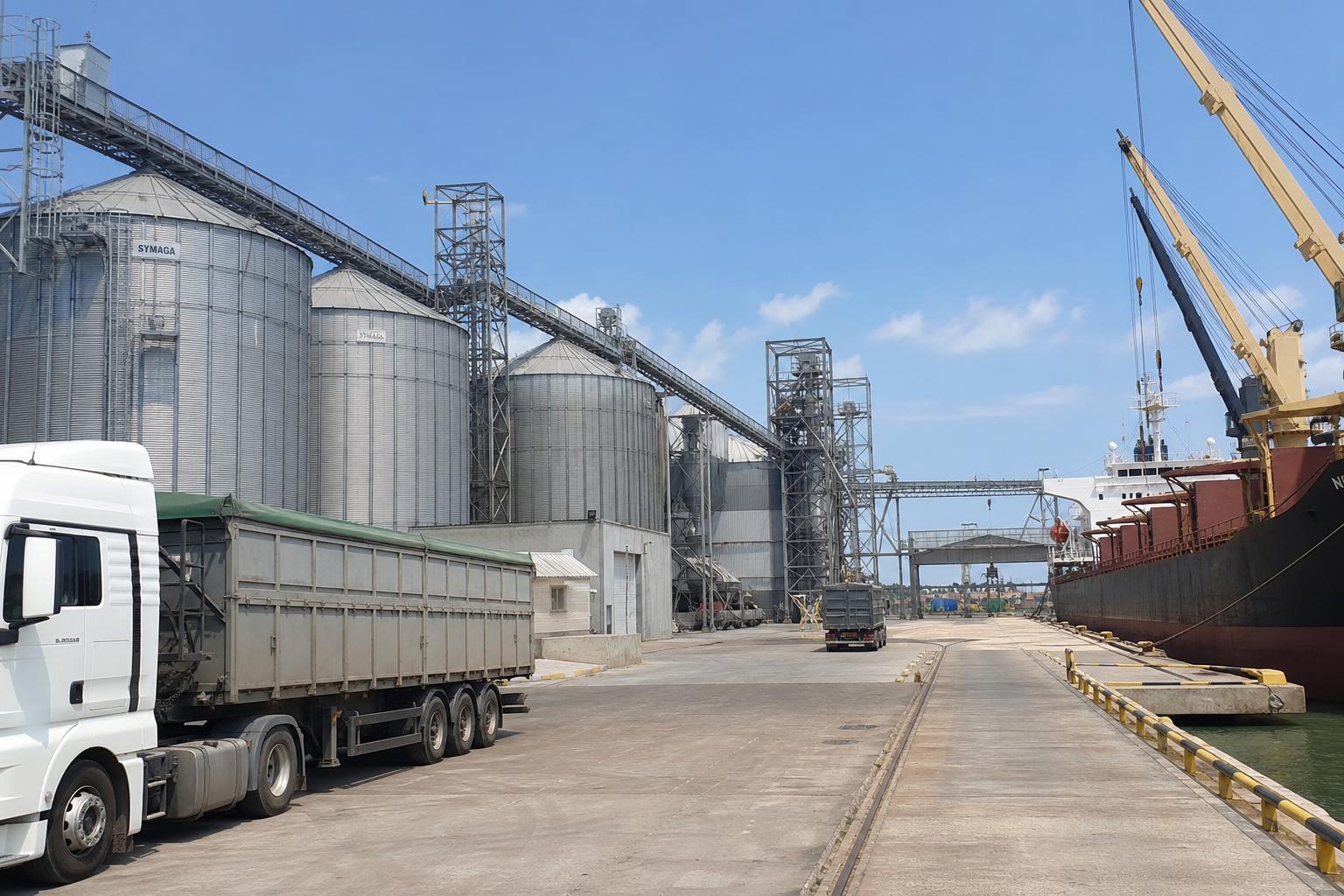
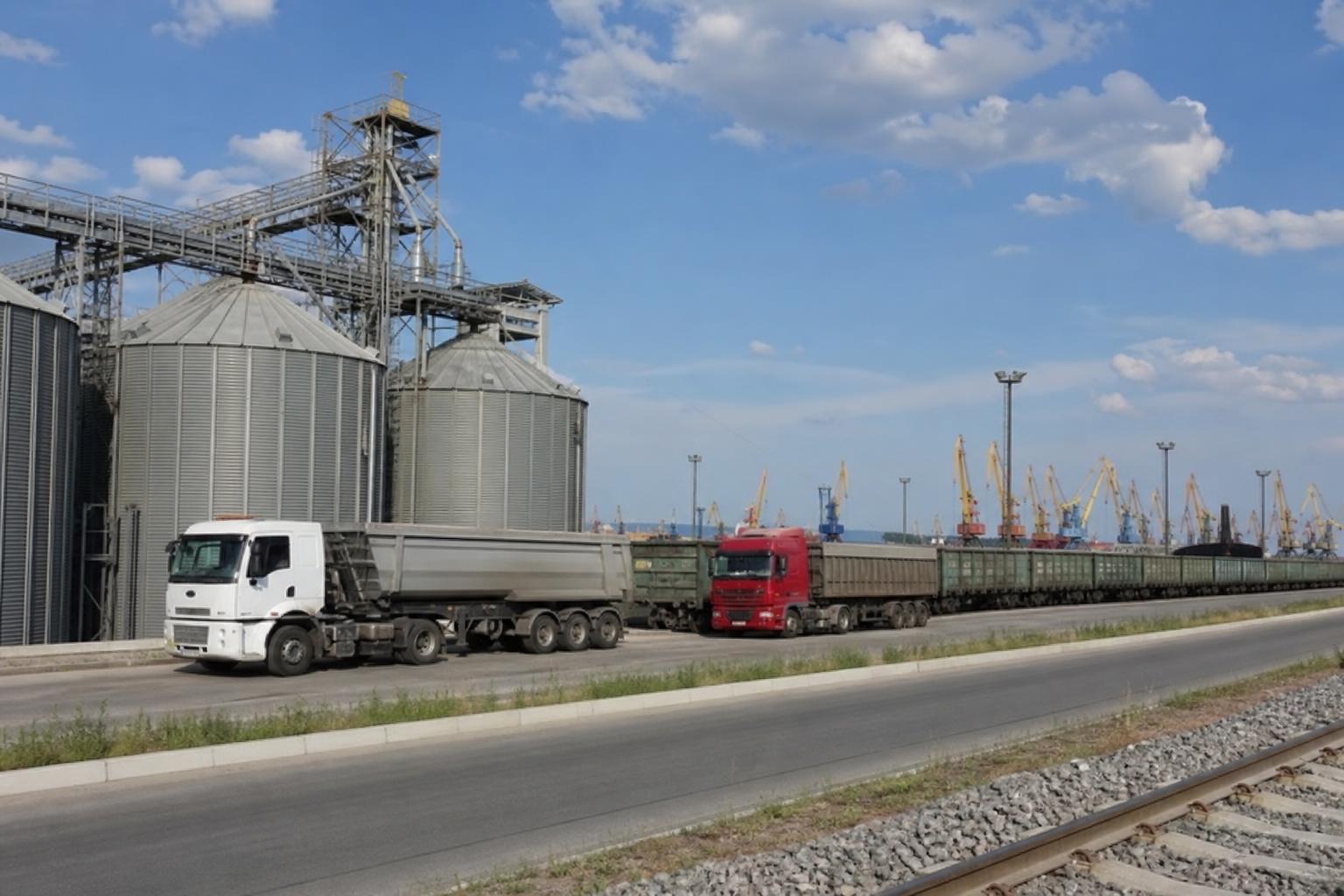
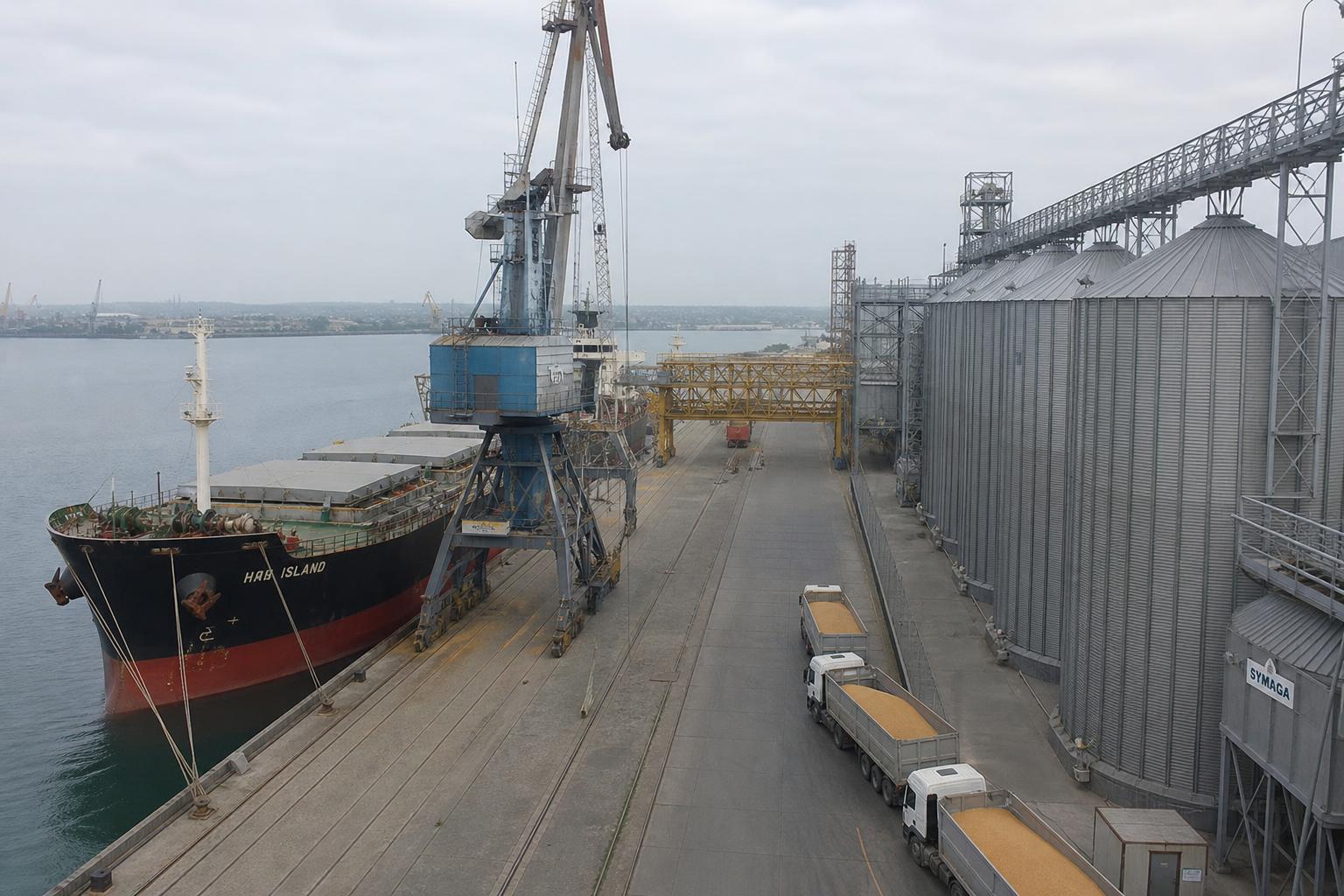
Ukrainian seaports remain a key channel for agro-export, but damage to terminals and the threat of new attacks may limit monthly shipments. For grain sellers, this signals the need for careful planning of routes, contract terms, and alternative logistics scenarios.
As of June 19, 2026, Ukraine has exported nearly 36 million tons of grains and legumes in 2025/26 MY, 10% less than last year. Harvesting of barley and peas has started in Odessa, prompting logistics players to prepare for seasonal redistribution.
At the start of summer, agro-export logistics enters a period of increased cargo activity: wheat quota for the EU is already exhausted, and a significant portion of barley exports in July-August may go to China. This signals sellers, traders, carriers, and elevators to plan deliveries, documentation, and port windows more carefully.
For Ukrainian grain exporters, it is crucial to consider IMO changes regarding safe bulk grain transportation. The new loading method requires updated stability calculations, documentation, and software for vessel loading.
Ukrainian agri-export gains new markets, but logistics increasingly depend on demand, price bases, and the ability to quickly reorient shipments between ports and the western border.
Enter your email and we will send a password reset link.
Don't have an account?
Help improve AgroPost?
With your consent, Google Analytics measures navigation and listing steps. The service does not start without consent. The site works without it.
What we collect and how to change your choice
We send category, language, step number and whether an error or save occurred, not entered values, phone numbers, email addresses or listing text. Your choice is stored in this browser for up to 180 days. Advertising tracking stays disabled.
Use Analytics settings to change your choice. Withdrawing consent reloads the page to stop already loaded services: save any unfinished form first.