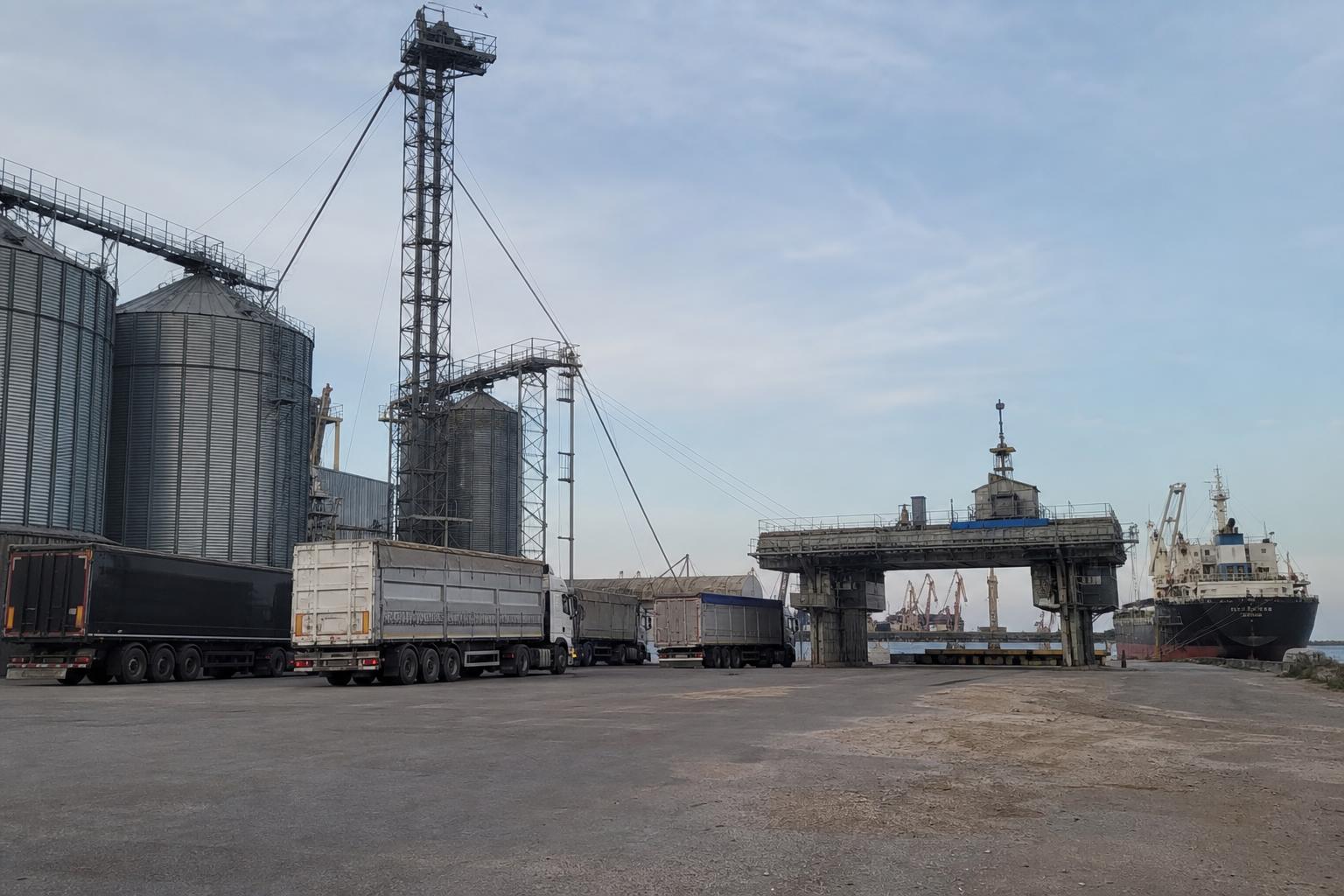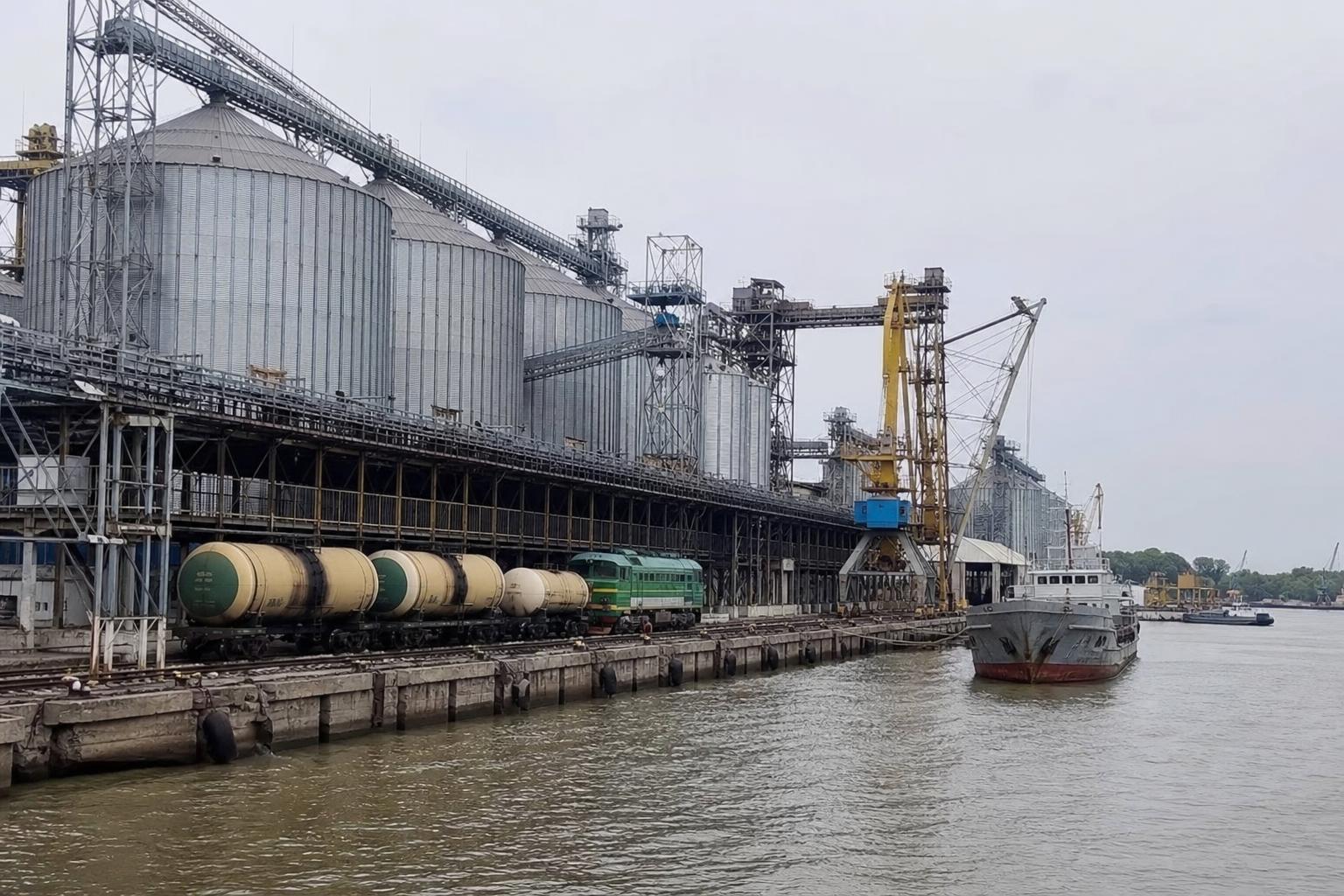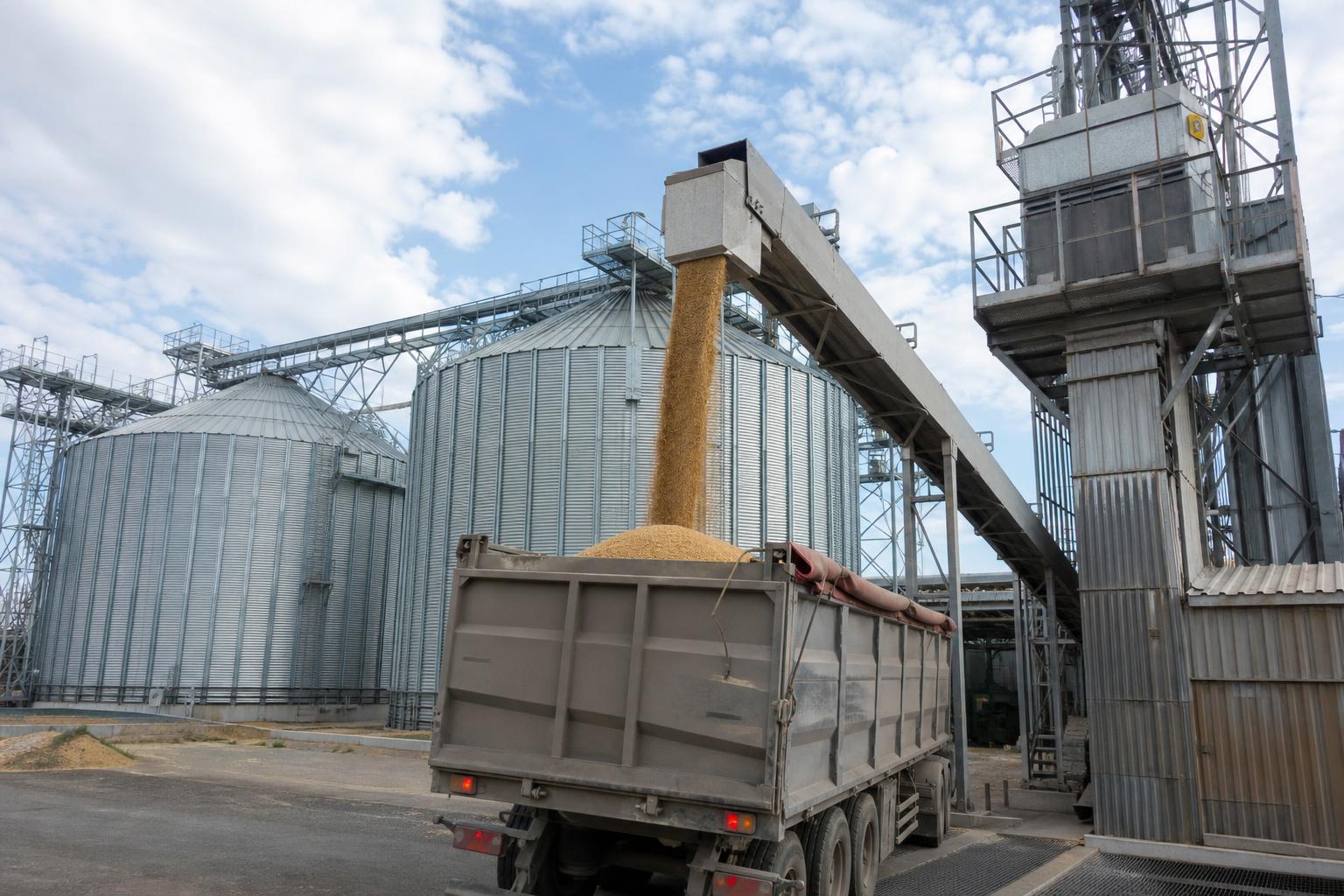
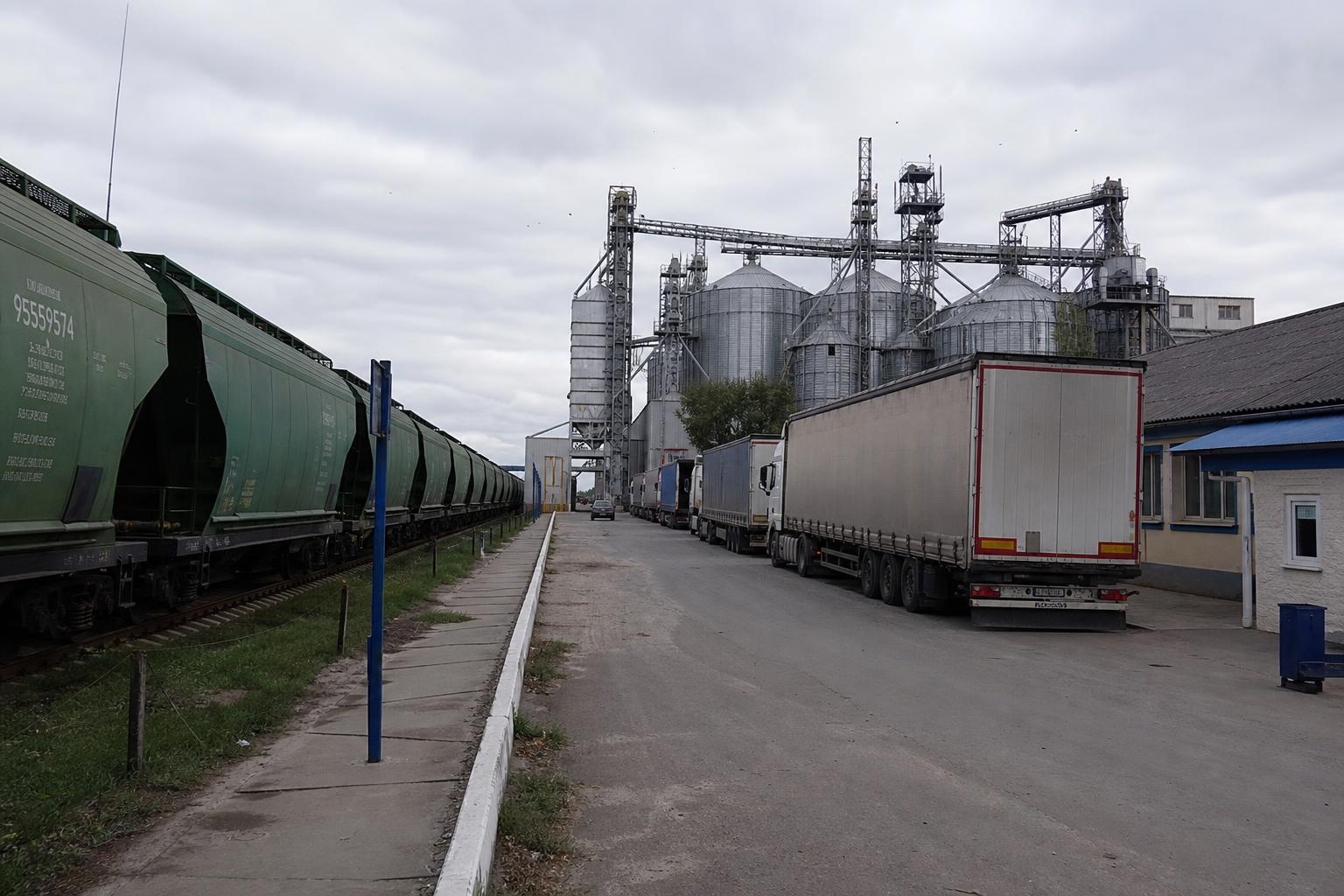
Potential increase in Ukrzaliznytsia freight tariffs could add $5–6/t to grain logistics costs. Farmers and traders need to re-evaluate delivery bases, compare routes with road transport, and plan sales more carefully.
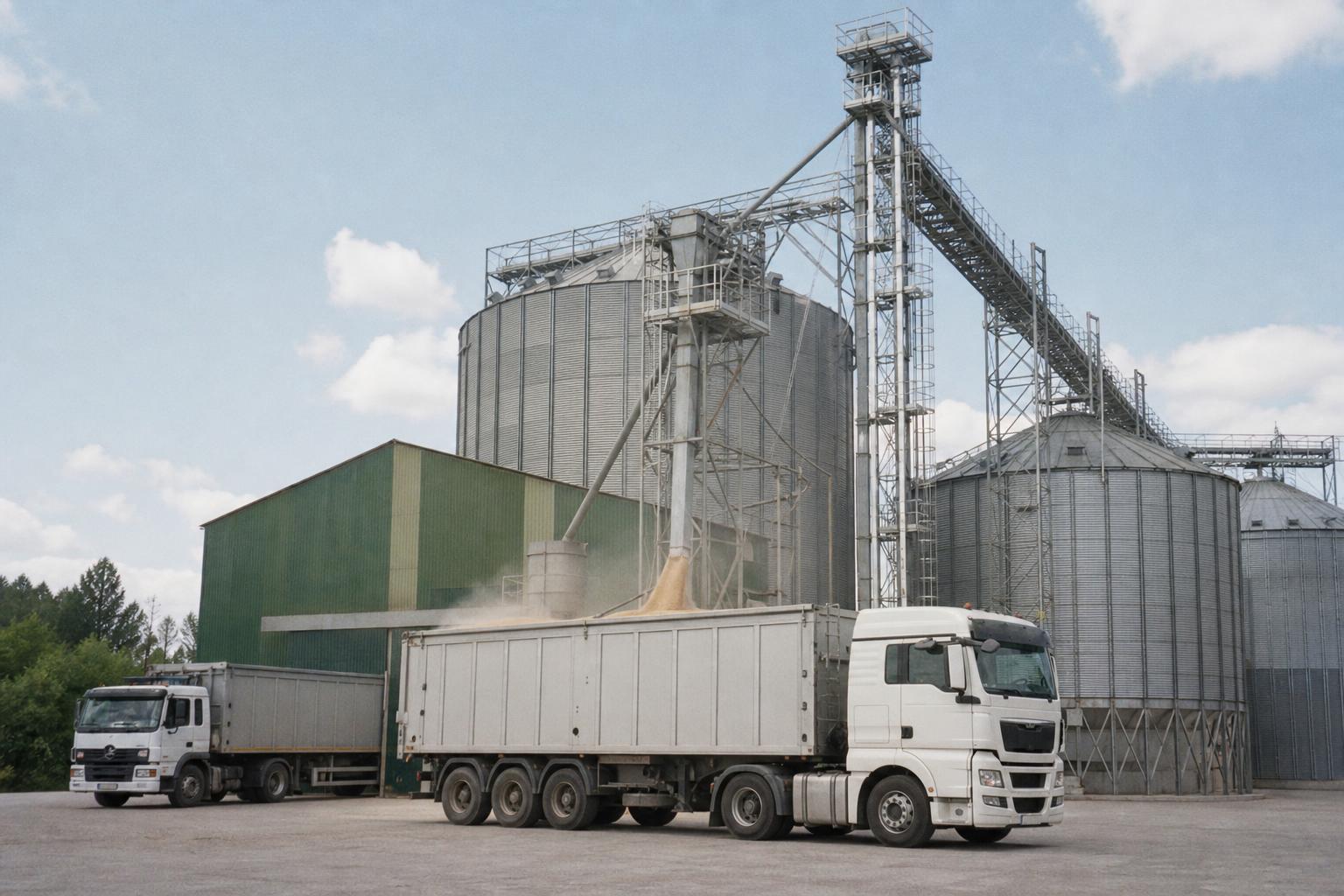
The grain storage and transportation market shows a practical trend: companies seek alternative elevators after losing or becoming inaccessible to part of the infrastructure. For grain sellers, this means the need to book acceptance in advance, check tariffs, and calculate delivery times.
The Ukrainian agrarian market is entering an active transportation period with various logistical signals: some exporters are increasing shipments, frontline areas require separate loss accounting, and new bio-methane projects in the west may generate additional demand for local raw materials and fertilizer transportation.
Turkey, Egypt, and China became key buyers of specific Ukrainian grain crops in 2025/26. For carriers, elevators, and sellers, this means more precise planning of shipments, schedules, and sales conditions.
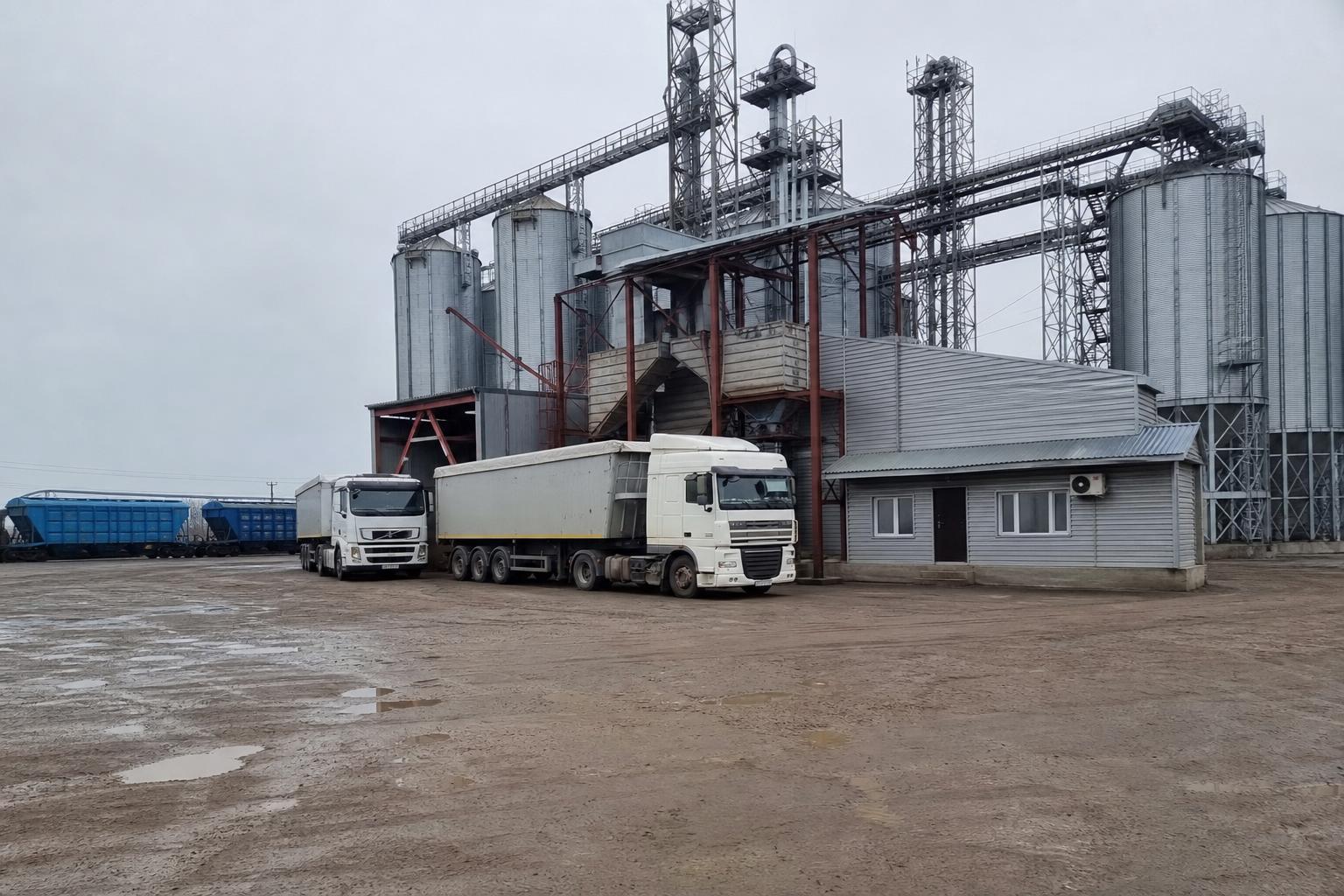
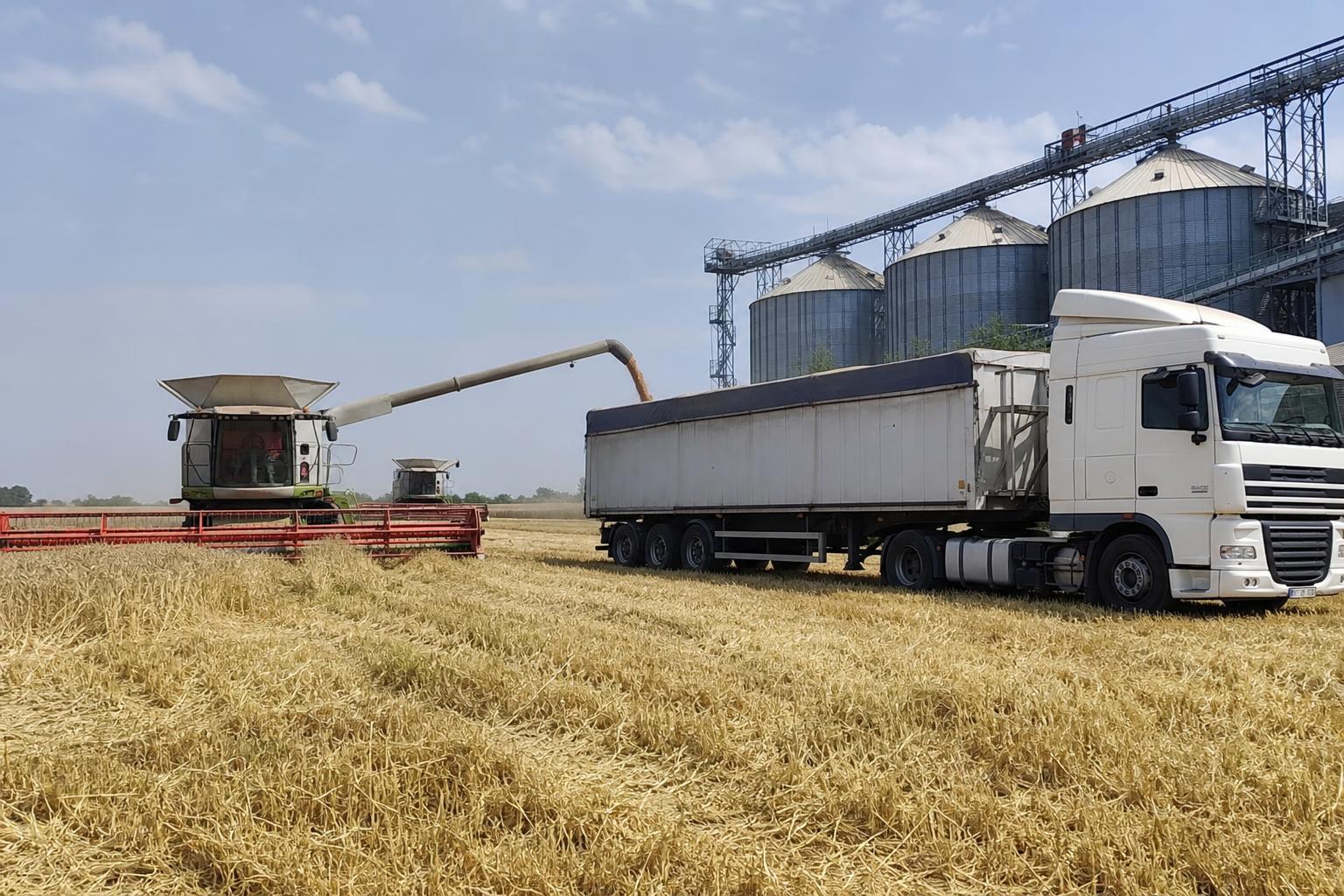
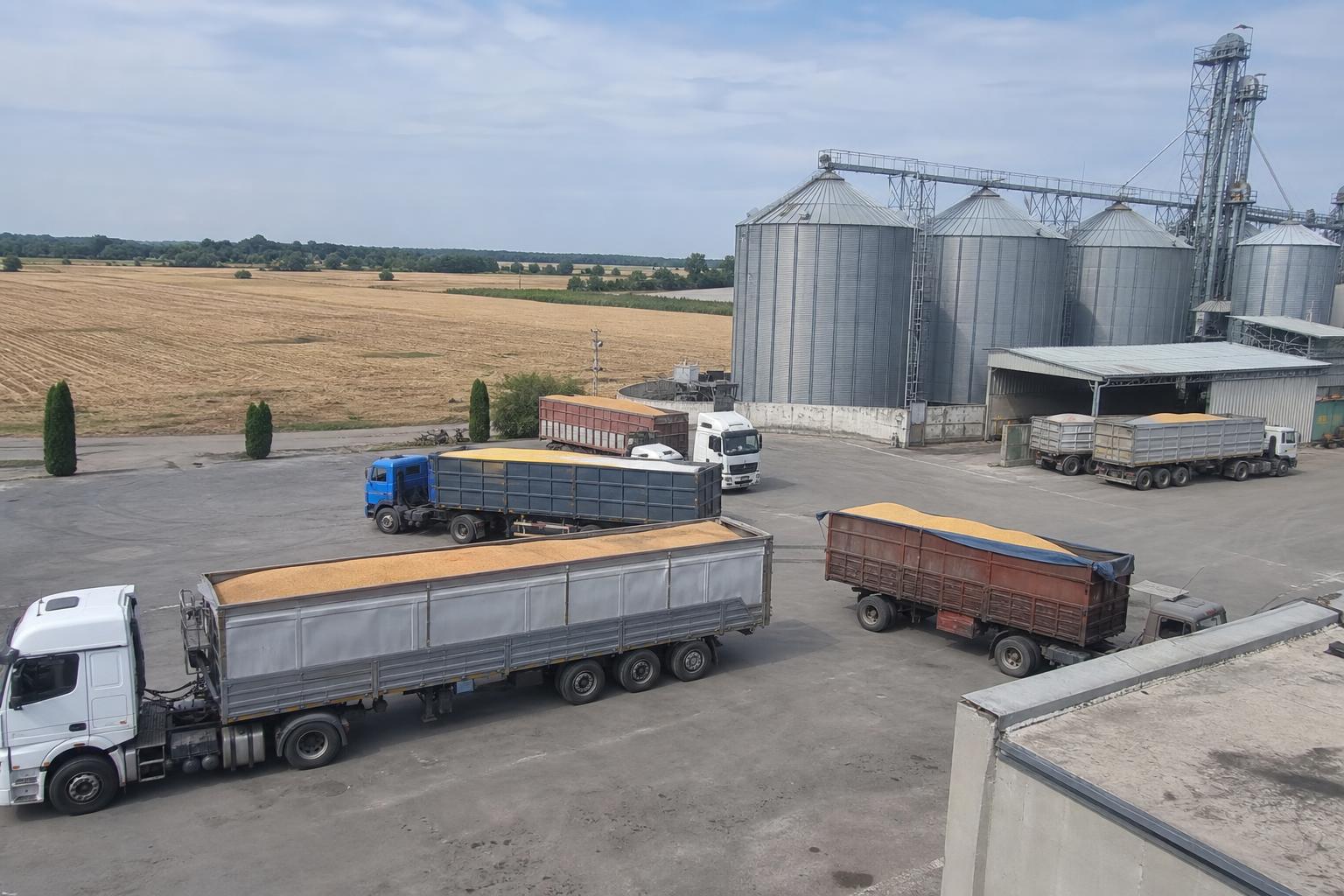
The first barley harvest in Lviv region and the start of new crop acceptance at Odesa elevators signal the beginning of seasonal load on domestic agro-logistics. Rapid coordination of transport, acceptance schedules, and delivery conditions become key for market participants.
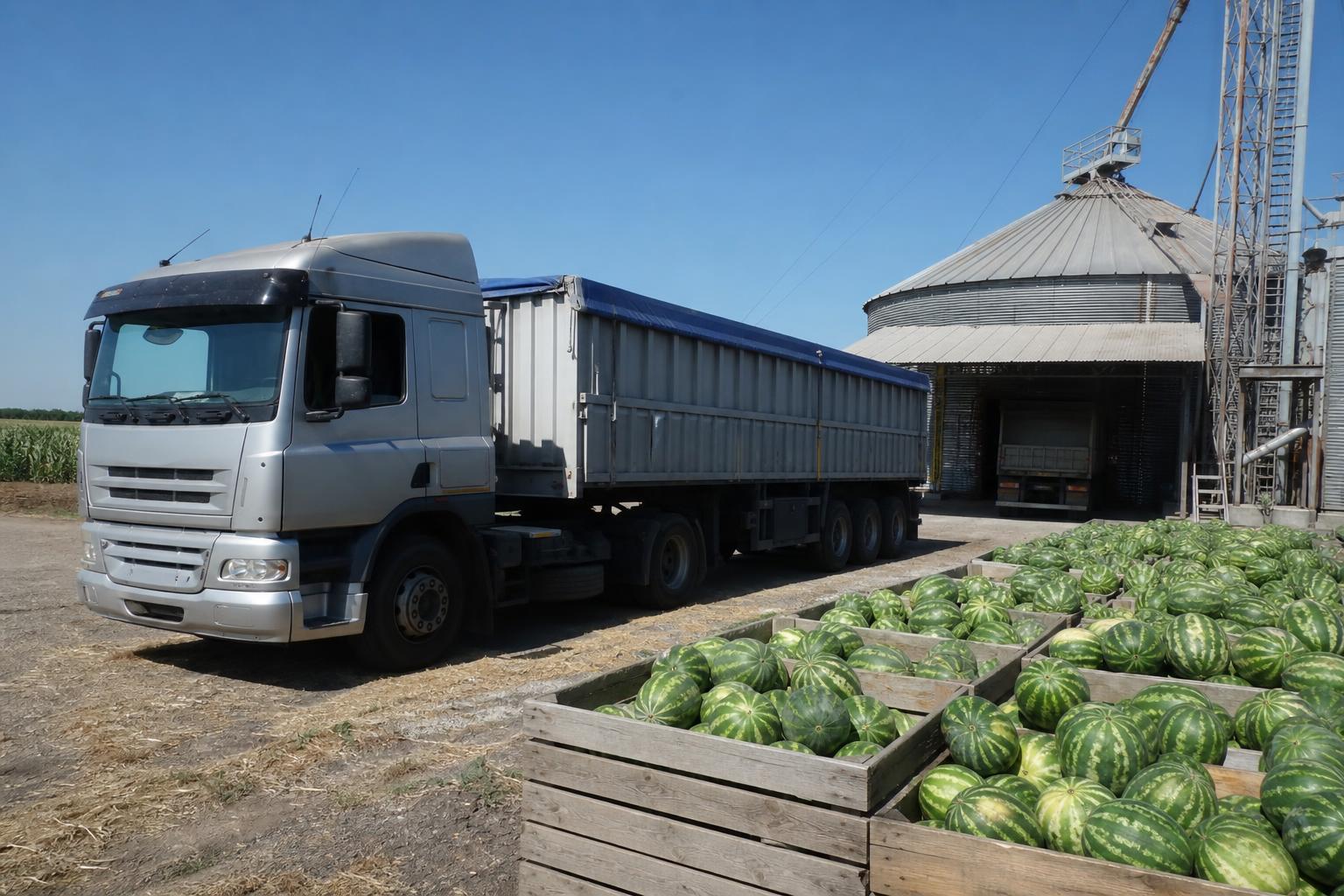
In early July, the transportation market receives several seasonal signals: local watermelons and melons appear in Odessa region, early crops harvesting begins in Ivano-Frankivsk, and grain export logistics remain sensitive to route and contractor checks.
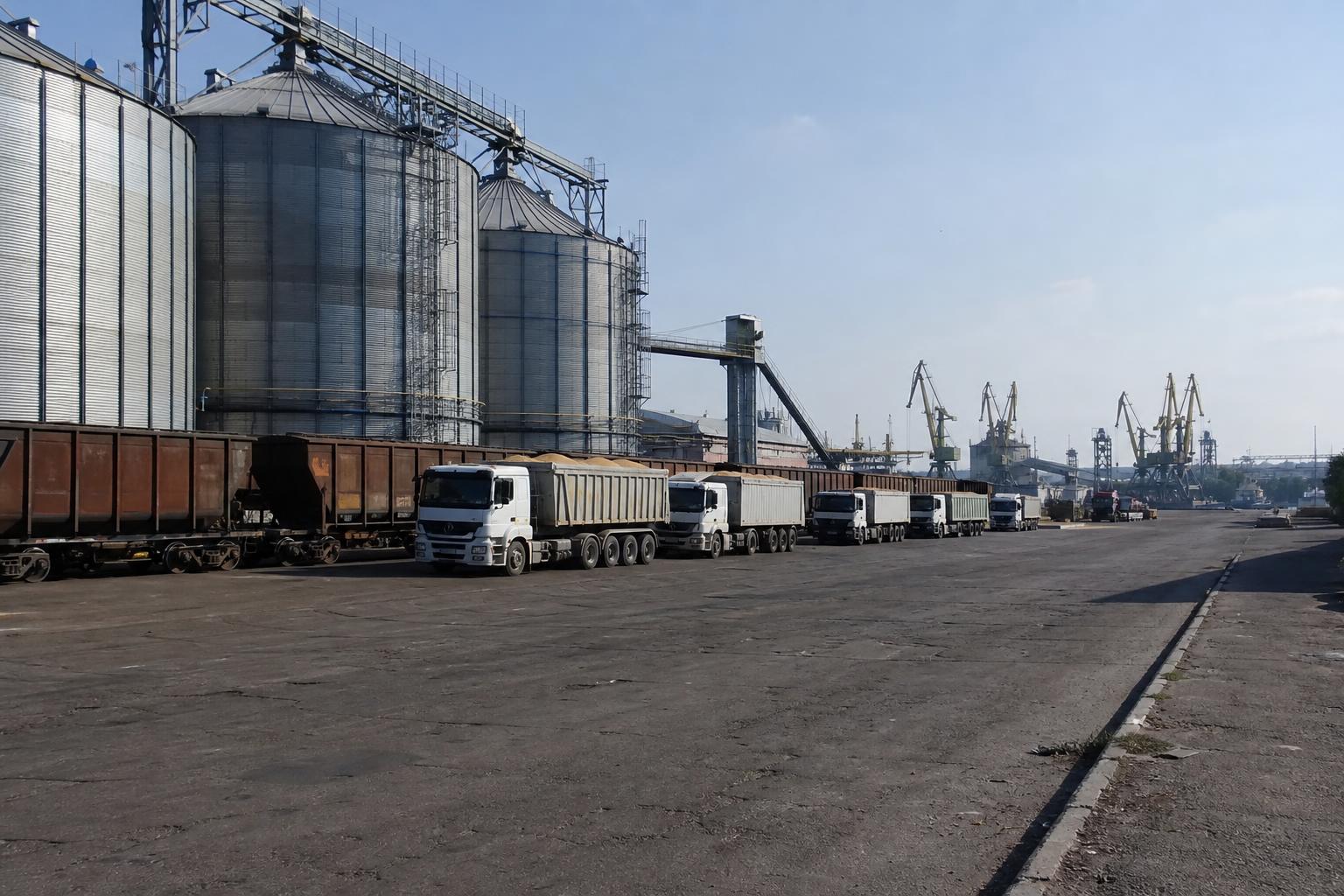
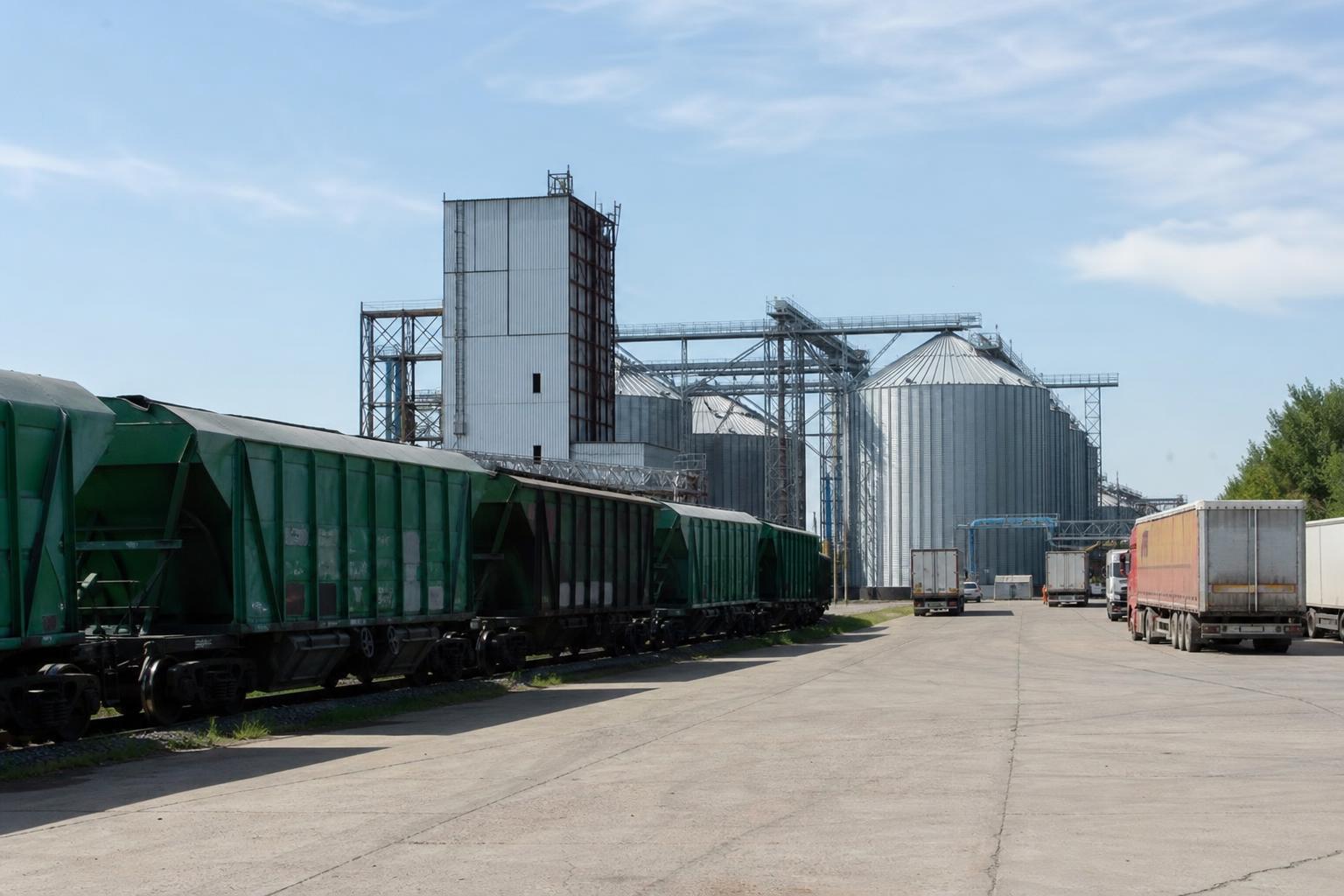
Ukrzaliznytsia increased grain shipments by almost 20% in the first half of the year, signaling traders to plan logistics carefully, check wagon availability, and confirm delivery terms on AgroPost.
In June 2026, Ukraine's agro-export decreased to 4.79 million tons. Oilseeds and vegetable oils saw the largest drops, while grain shipments remained nearly unchanged. This indicates sustained demand for grain logistics amid the start of harvest and the need for rapid transport planning.
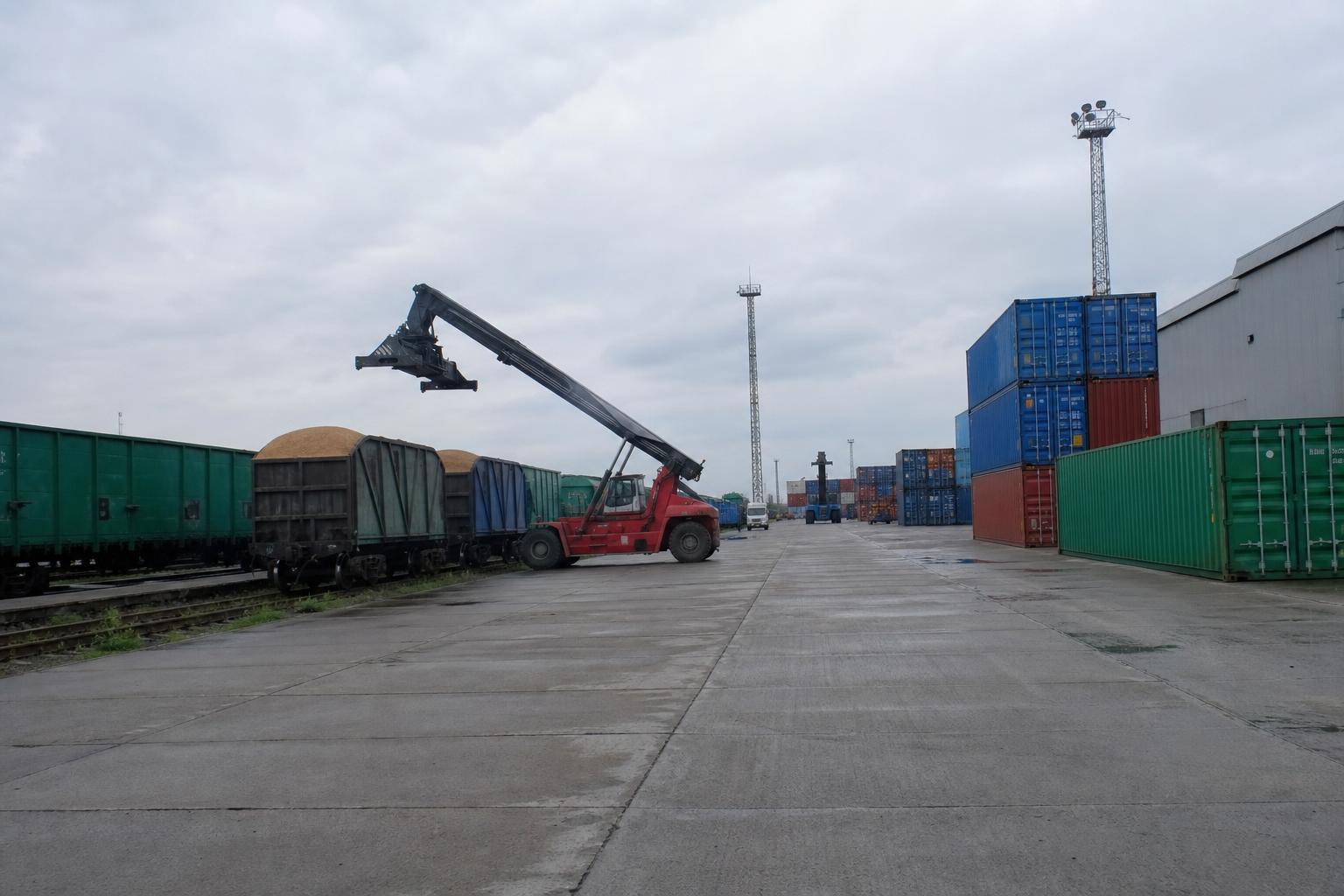
The Mostyska Dry Port container terminal reported a record 65 trains in a month in 2026. For agricultural sellers and buyers, this signals: Germany remains a key destination for planning rail and container shipments through the western border.
Ukrainian processors are completing sunflower and soybean programs and preparing for the new rapeseed harvest. Delivery conditions, transport availability, and port versus western border differences are key for sellers and buyers.
The Ukrainian wheat market has effectively transitioned into a new marketing season: the first batches of the new harvest already influence purchase prices, and port logistics again become a key margin factor.
The logistics market is entering a period where shippers need to carefully assess margins, verify delivery bases, and avoid booking transport without confirmed demand. Focus on oil, grain, and Danube ports.
Enter your email and we will send a password reset link.
Don't have an account?
Help improve AgroPost?
With your consent, Google Analytics measures navigation and listing steps. The service does not start without consent. The site works without it.
What we collect and how to change your choice
We send category, language, step number and whether an error or save occurred, not entered values, phone numbers, email addresses or listing text. Your choice is stored in this browser for up to 180 days. Advertising tracking stays disabled.
Use Analytics settings to change your choice. Withdrawing consent reloads the page to stop already loaded services: save any unfinished form first.