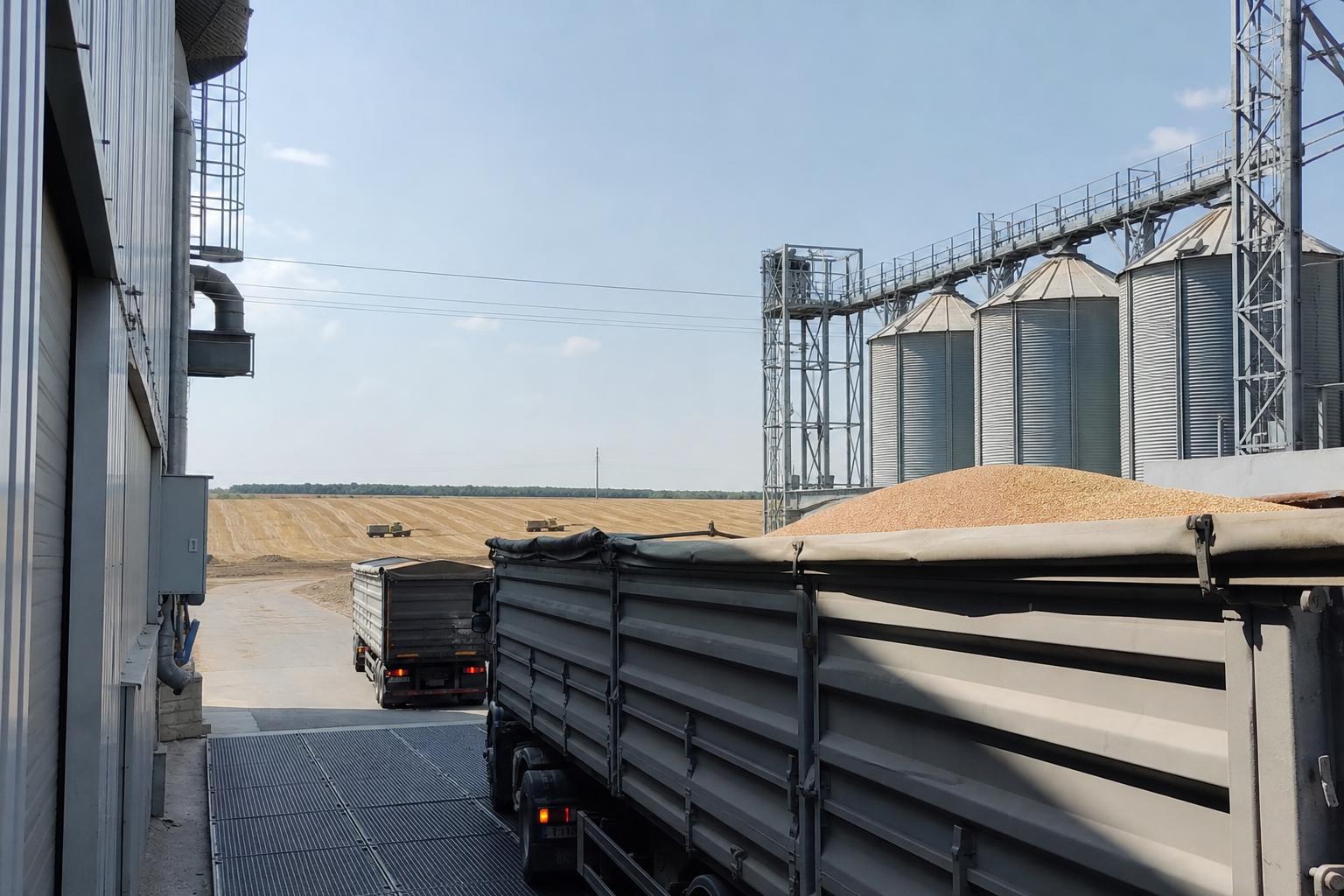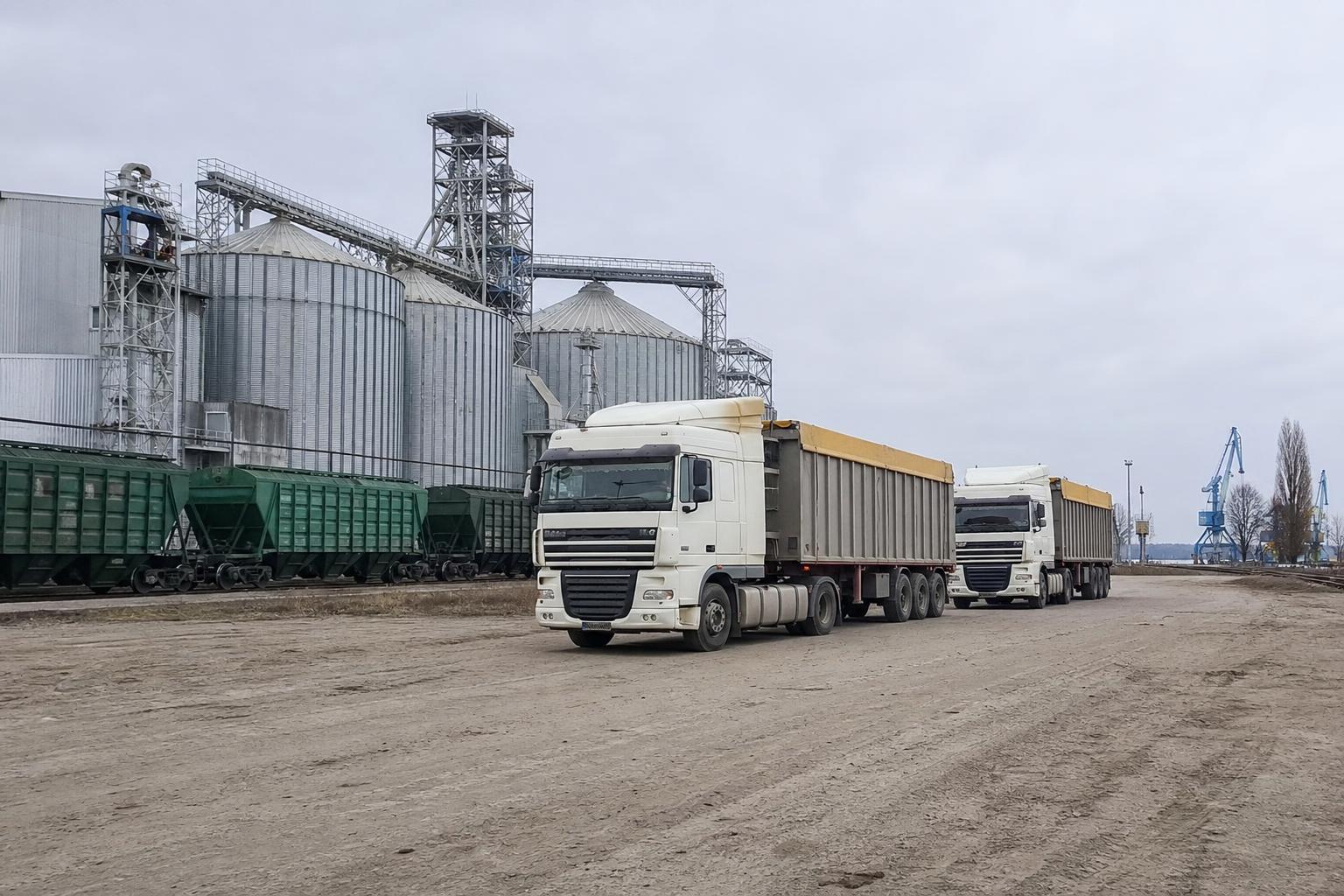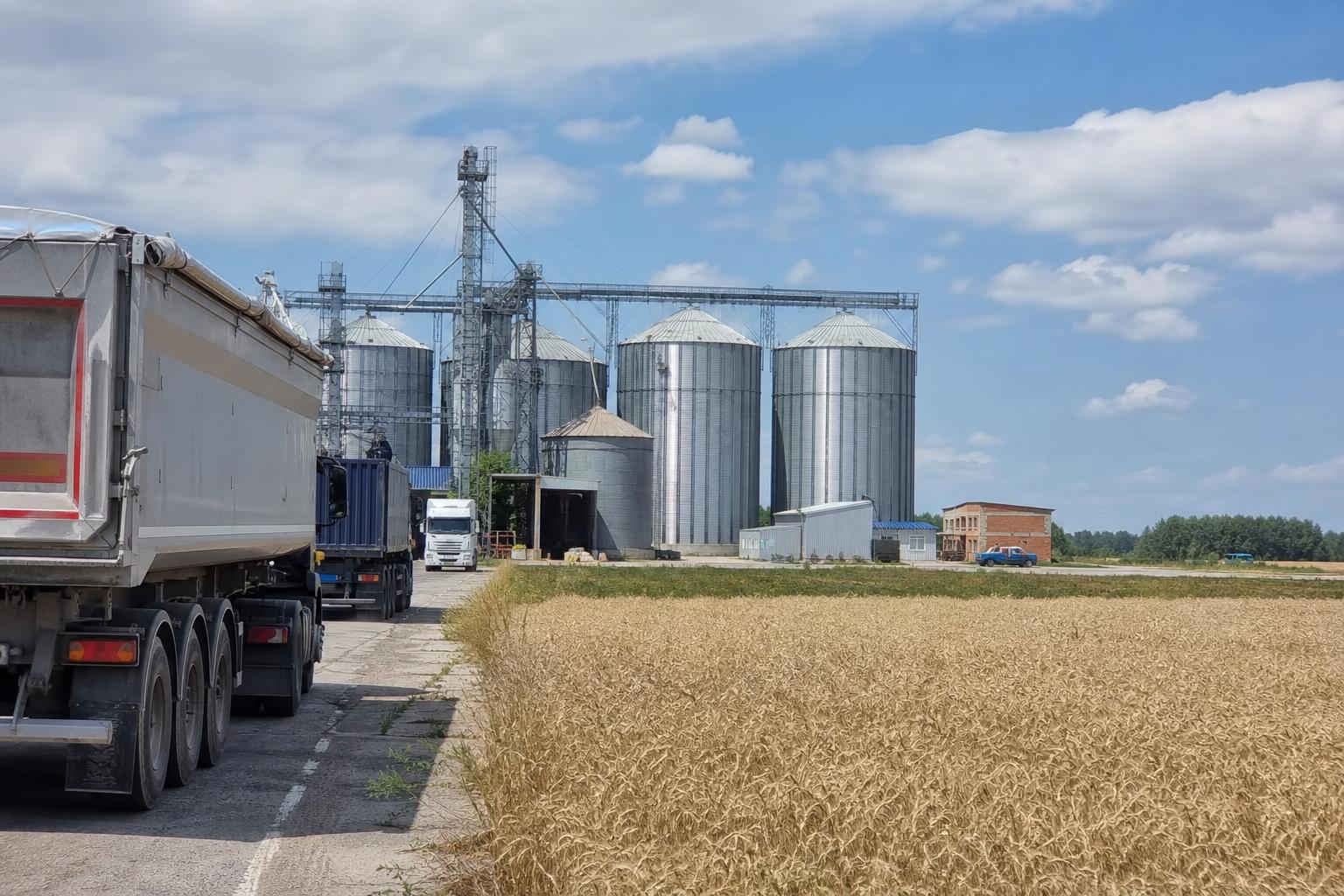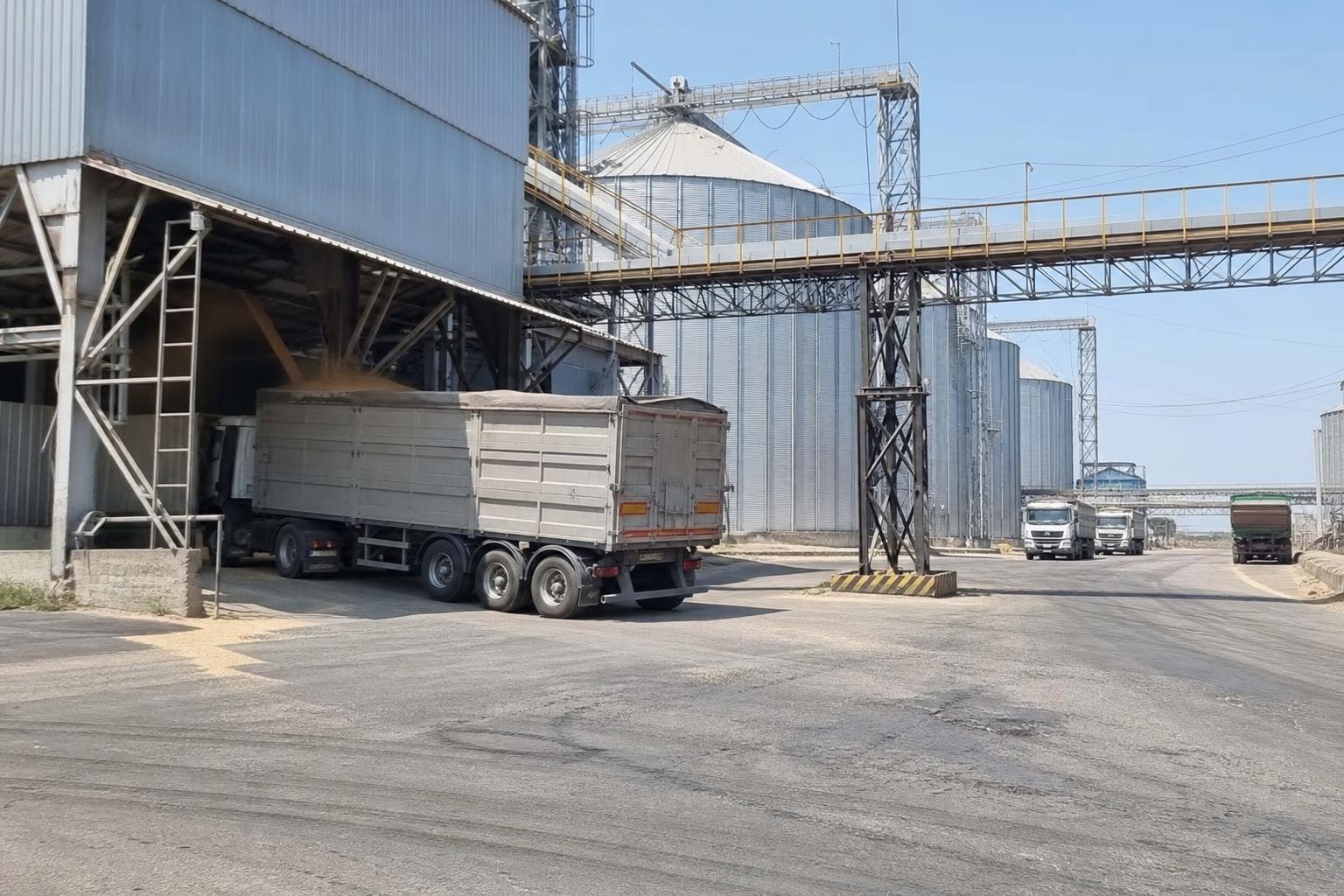
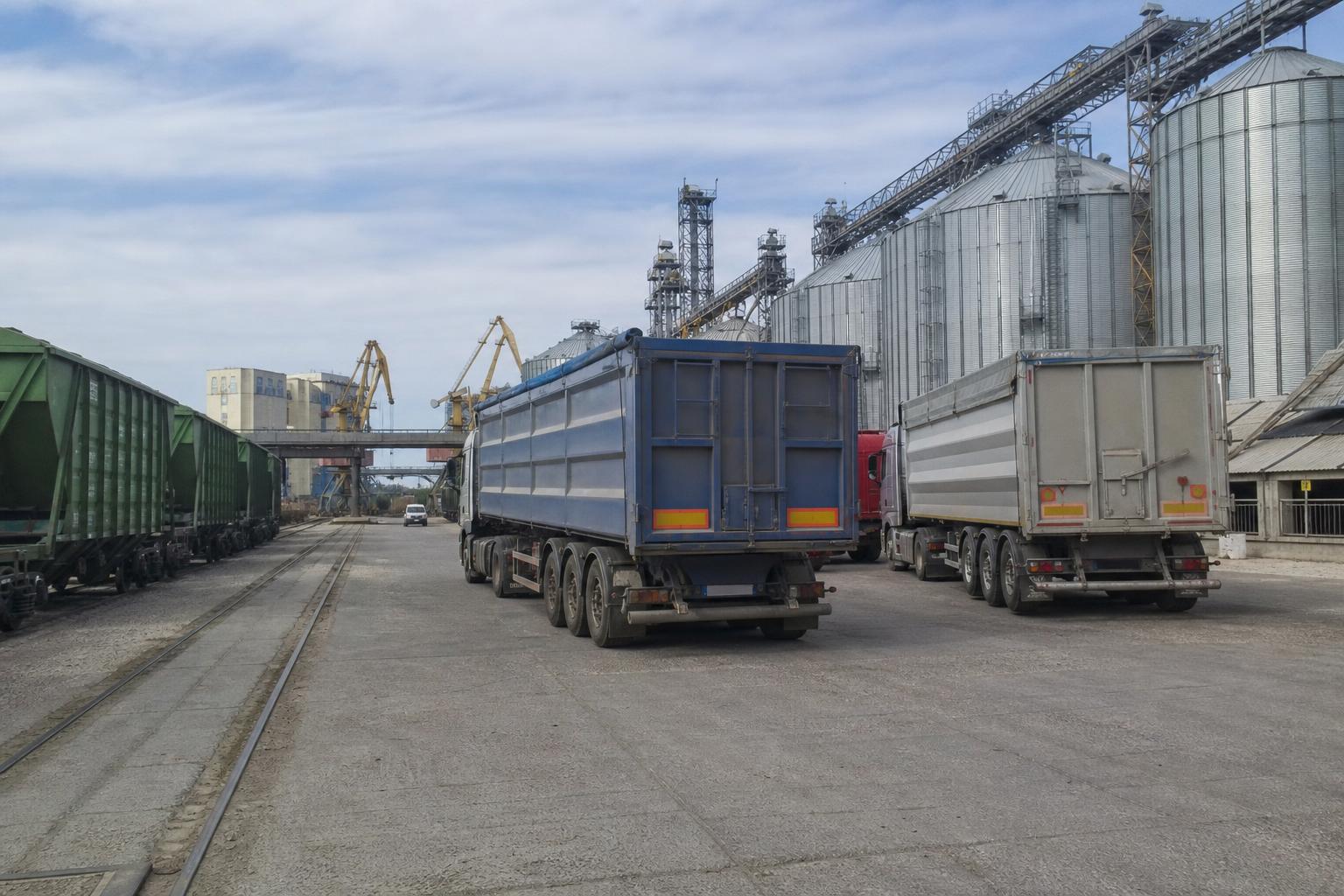
At the start of the new season, demand for Ukrainian oilseeds and grains remains, but contract fulfillment increasingly depends on vessel access, transit routes, and tariff conditions in neighboring countries.
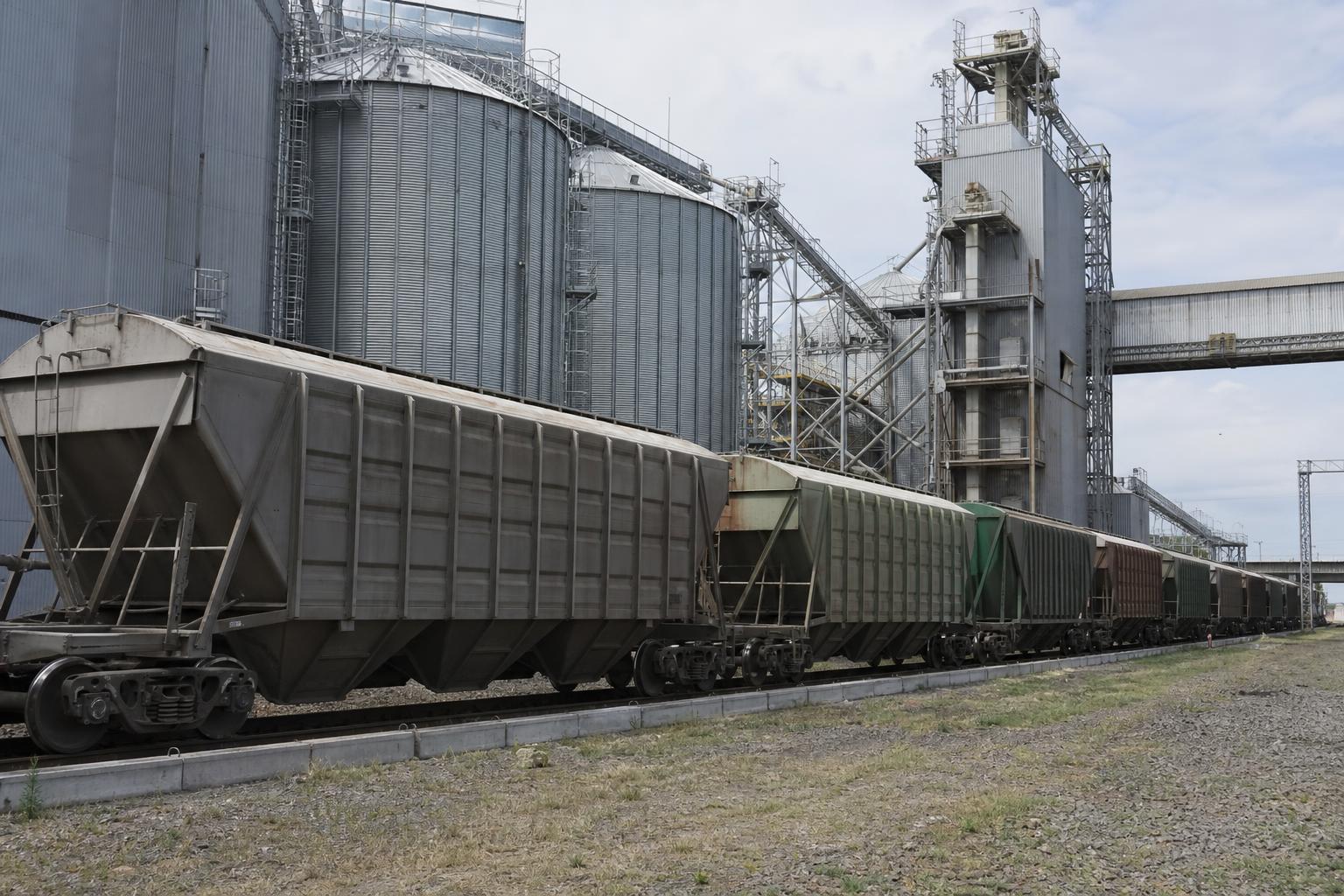
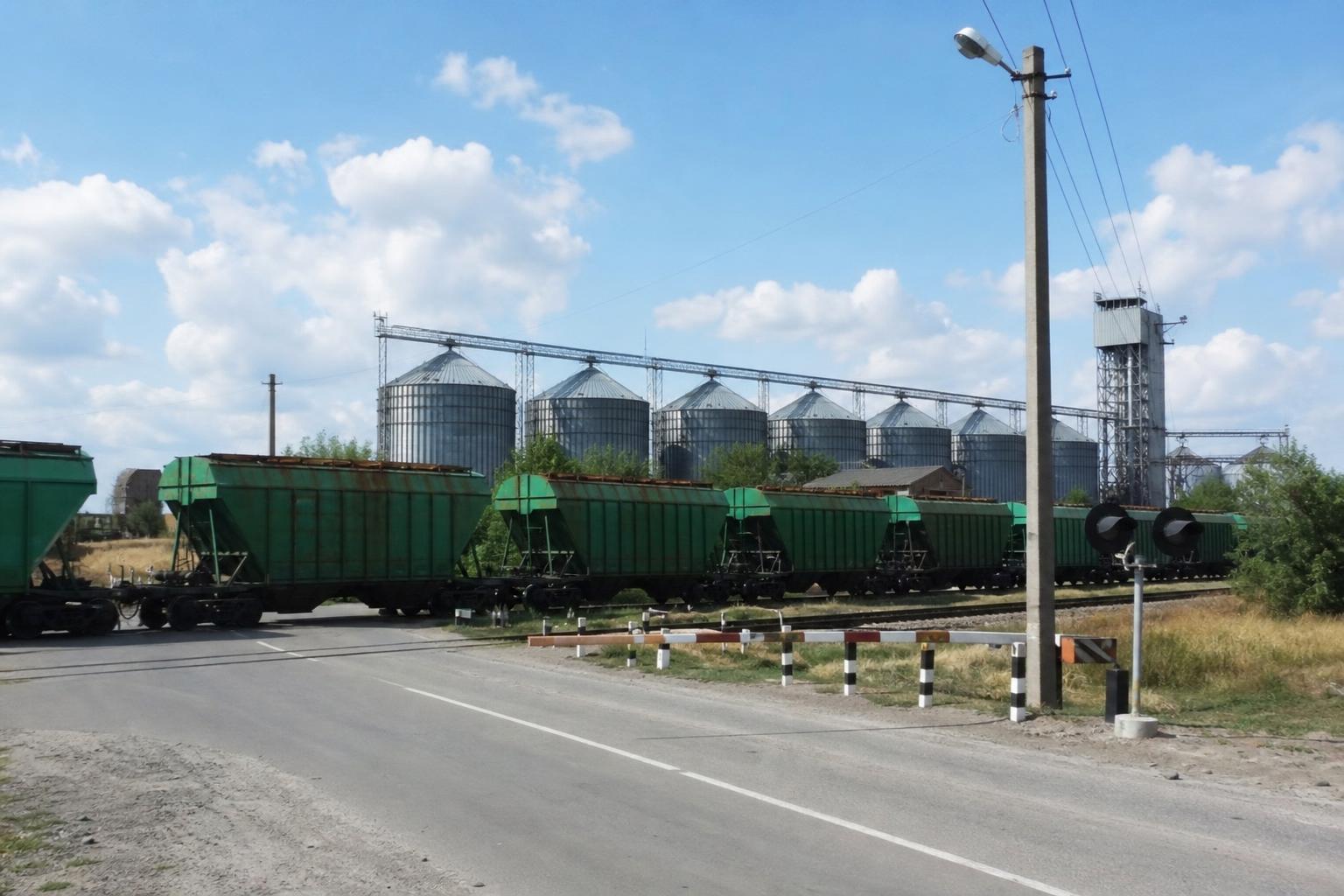
Moldovan Railways states that transit of Ukrainian grain does not take wagons from local farmers, with about 20% network utilization. For Ukrainian sellers, this signals that the route remains accessible but requires precise tariff calculation and wagon organization.
Neighboring countries have loaded their transshipment capacities with their own grain, so Ukrainian exporters should plan western routes in advance. The most viable alternative remains Romania along with Moldova, while Poland, Slovakia, and Hungary face economic and accessibility constraints.
Ukrainian grain sellers should carefully plan export routes and sale timing: transshipment in neighboring countries is fully loaded with their own produce, and additional EU grants of €220 million are not yet received by farmers.
In the first half of August, Ukraine exported 900,000 tons of agricultural products, with grain experiencing the deepest decline due to logistical challenges. Clear delivery terms, routes, and rapid transport booking are key for traders on AgroPost.
In August, Ukraine's grain export remains the most vulnerable segment of the agri-market due to high transportation costs and limited access to the Black Sea ports. Meanwhile, new wheat harvests are entering the domestic market, making logistics, batch quality, and storage access critical for sellers and buyers.
Scenarios of port restrictions raise questions about the resilience of Ukrainian export logistics. Route flexibility, delivery time insurance, and buyer readiness for alternatives are key for the wheat market.
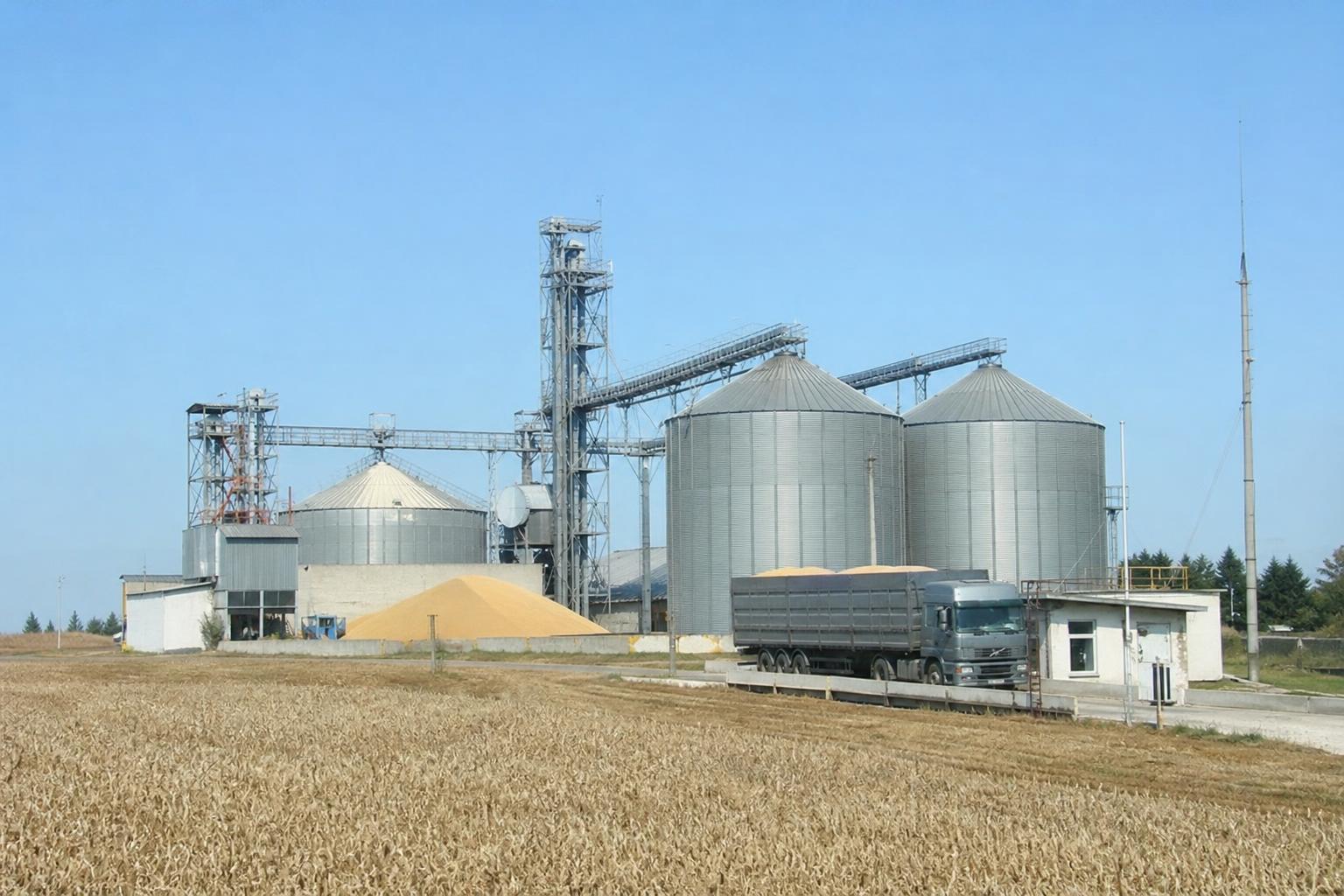
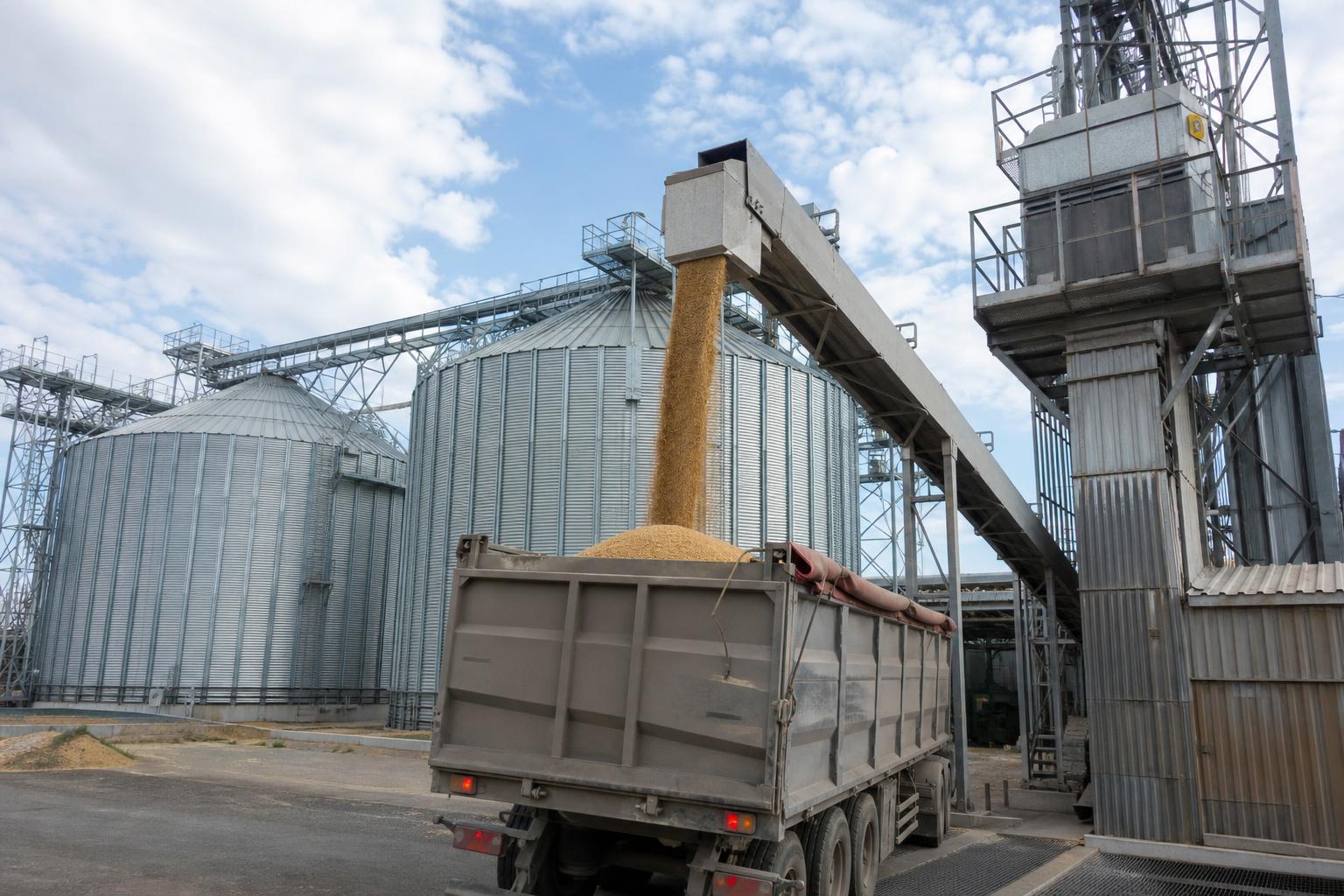
The Ukrainian grain market enters the season with two key signals: risks to Black Sea logistics may alter Asian wheat flows, and regional yields already show differences between production zones. For sellers and buyers on AgroPost, this means a need for closer attention to quality, delivery basis, and elevator logistics availability.
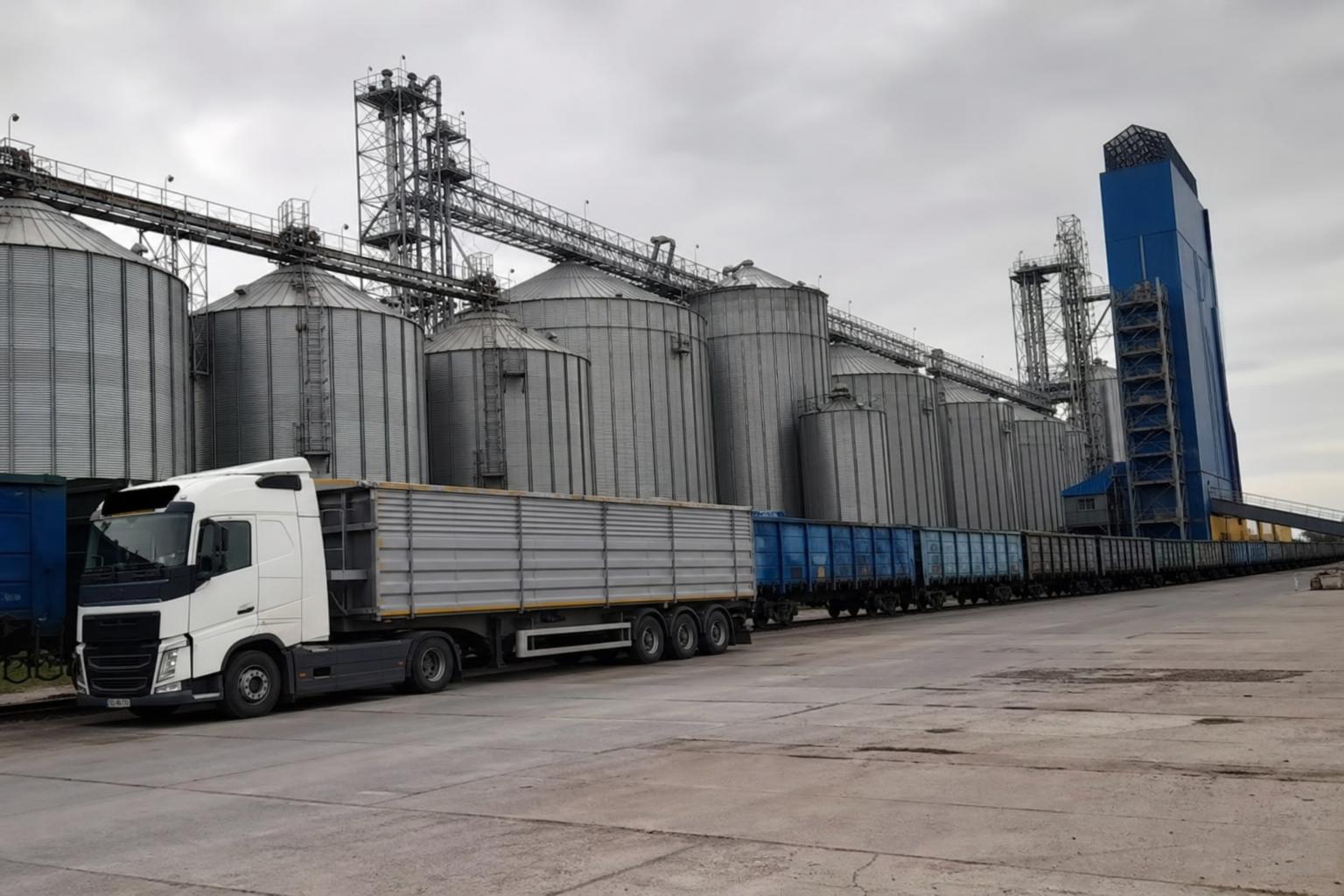
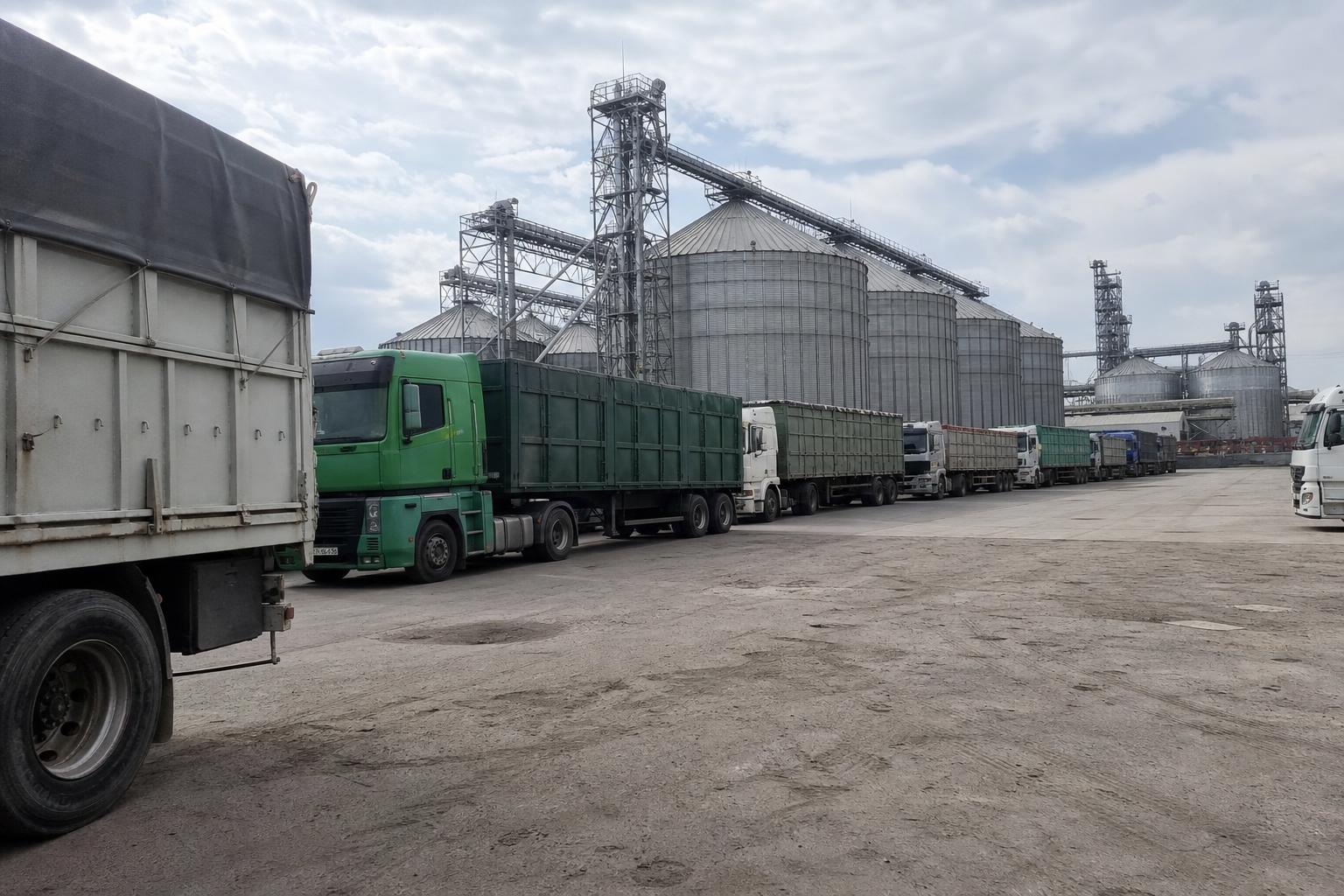
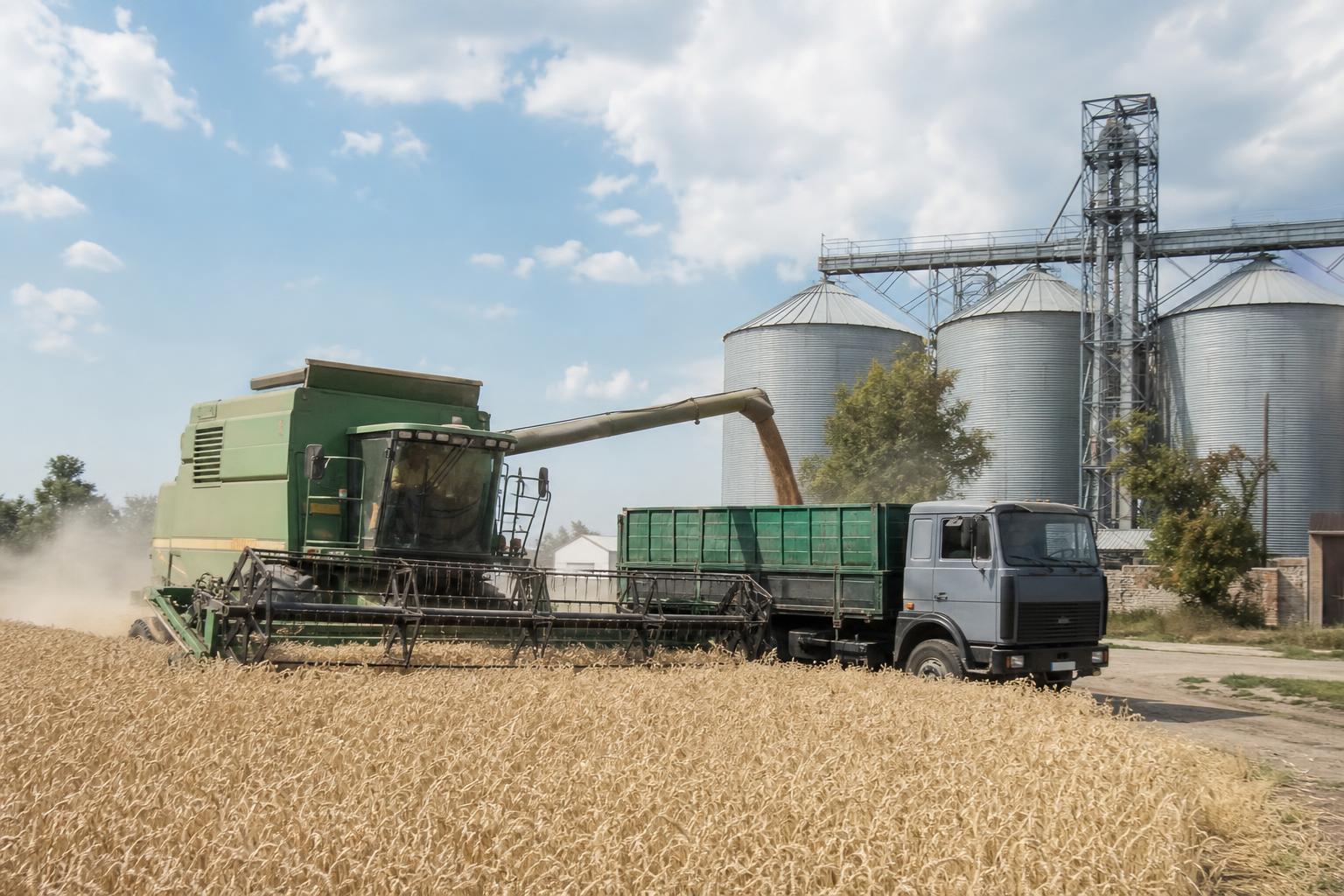
As of August 17, Ukraine has harvested over 30.8 million tons of grains and legumes, with rapeseed harvest nearly complete. This increases demand for transport, elevators, transshipment, and export routes, especially via the Danube.
As of August 17, Ukrainian farmers harvested about 6.6 million hectares of grains and legumes, totaling 30.83 million tons. Quality, delivery terms, elevator availability, and regional yield differences are key for market participants on AgroPost.
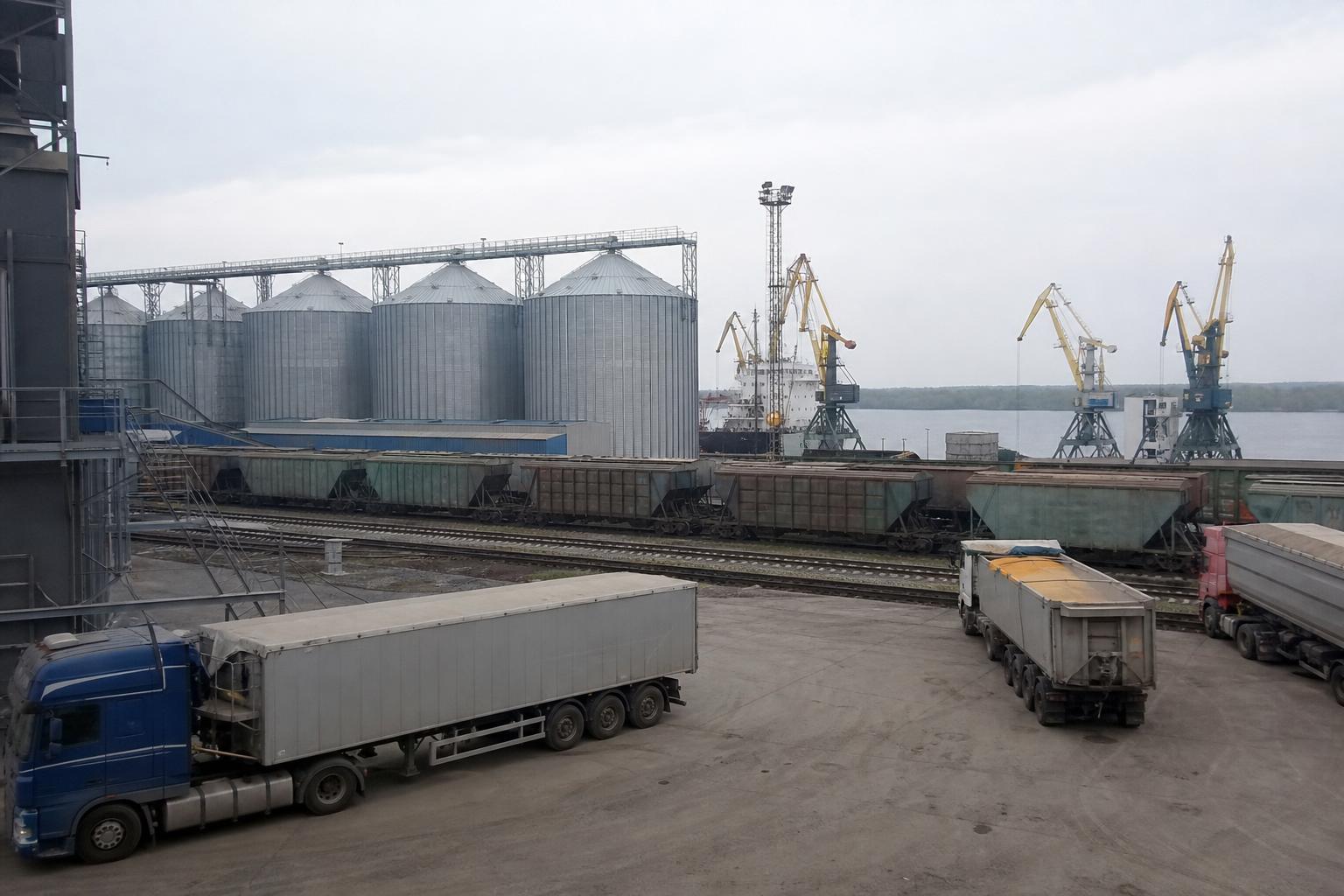
In mid-August, grain producers are balancing between selling part of their harvest for working capital and waiting for better prices. Volyn reports lower yields and falling purchase prices, while port throughput remains a key factor for the entire market.
Ukrainian exporters have secured an agreement for a 50% discount on railway transit through Moldova until the end of 2026. The route could serve as an additional channel for grain and other agro cargos, but Moldovan farmers demand transparency and fear impacts on their market.
Enter your email and we will send a password reset link.
Don't have an account?
Help improve AgroPost?
With your consent, Google Analytics measures navigation and listing steps. The service does not start without consent. The site works without it.
What we collect and how to change your choice
We send category, language, step number and whether an error or save occurred, not entered values, phone numbers, email addresses or listing text. Your choice is stored in this browser for up to 180 days. Advertising tracking stays disabled.
Use Analytics settings to change your choice. Withdrawing consent reloads the page to stop already loaded services: save any unfinished form first.