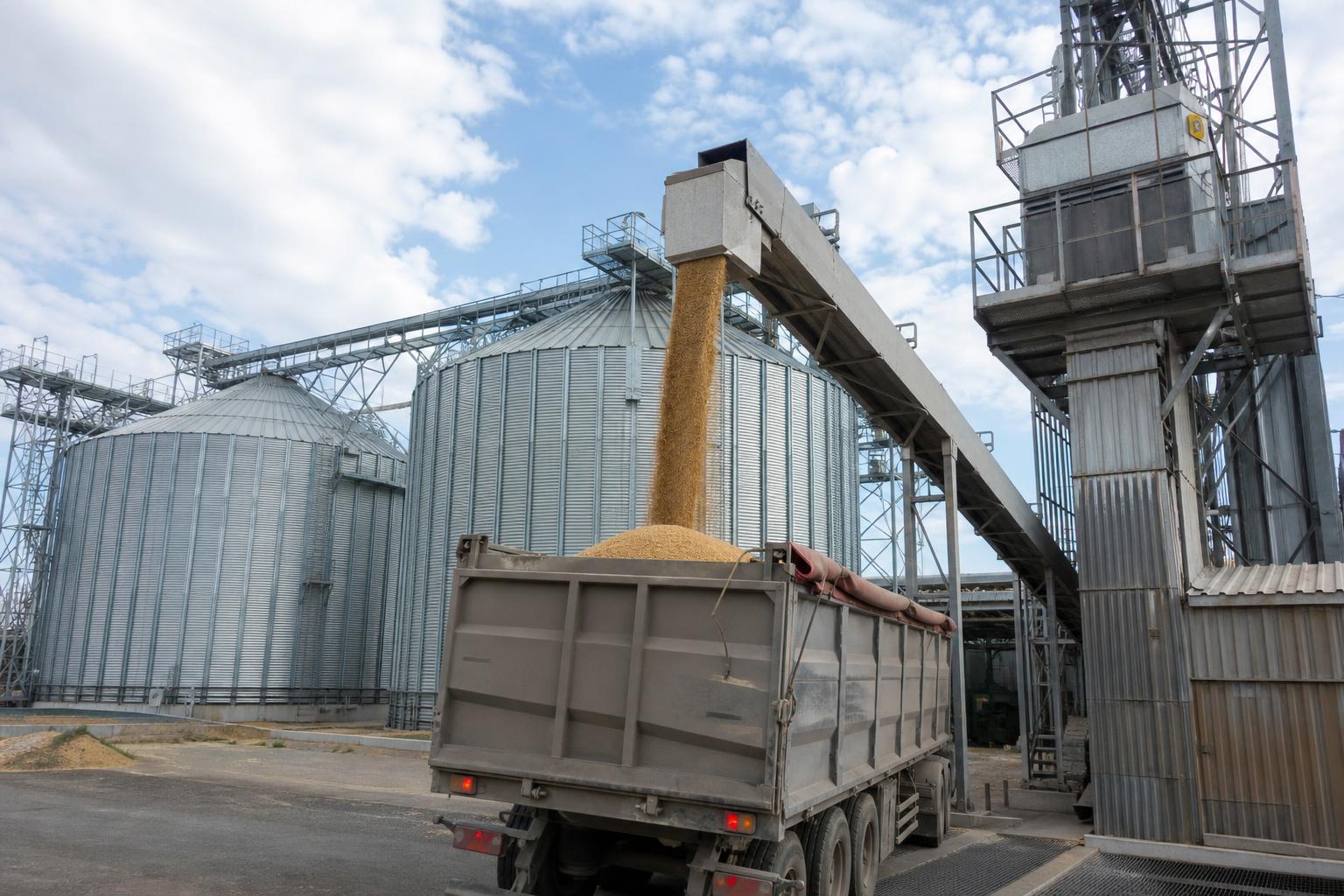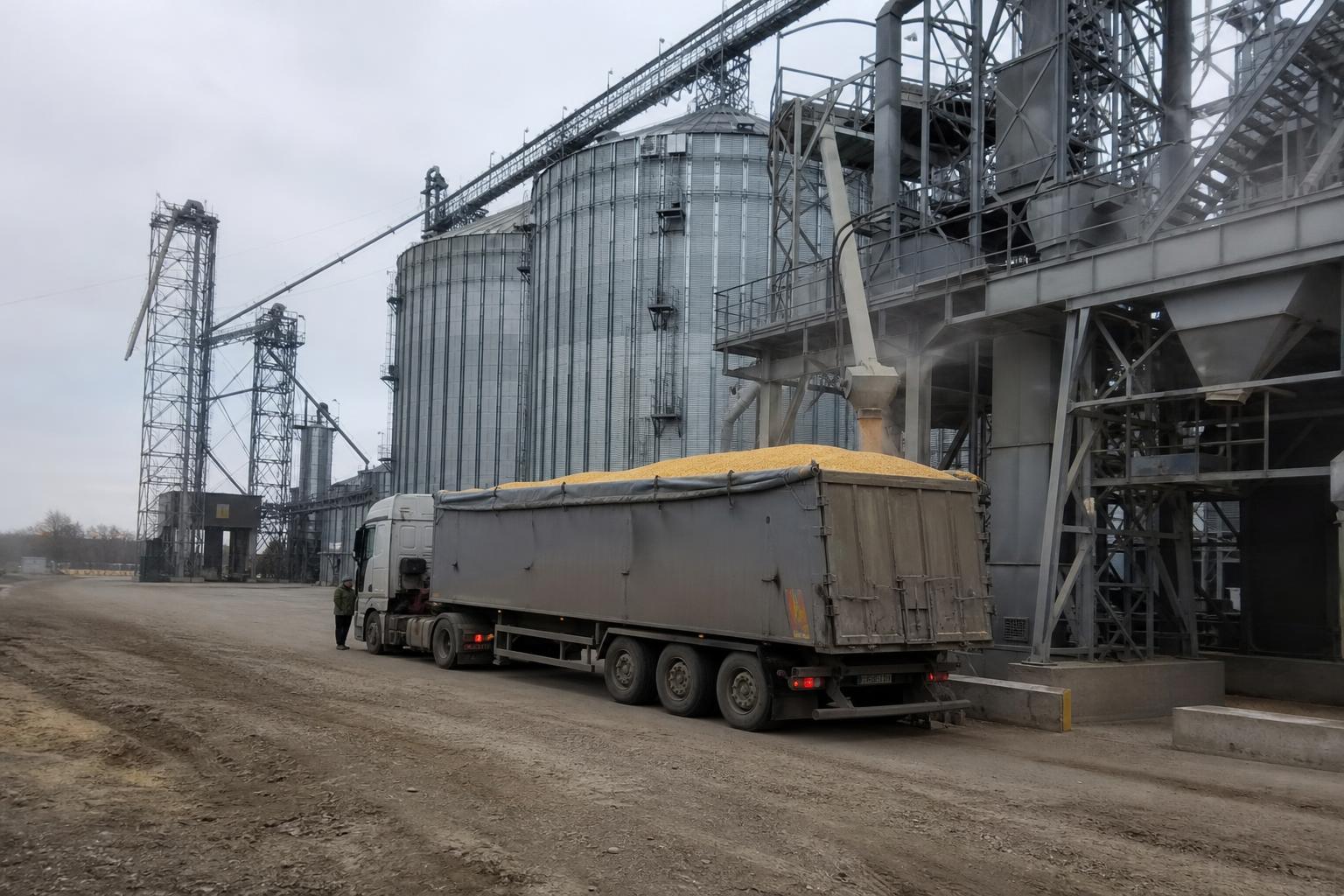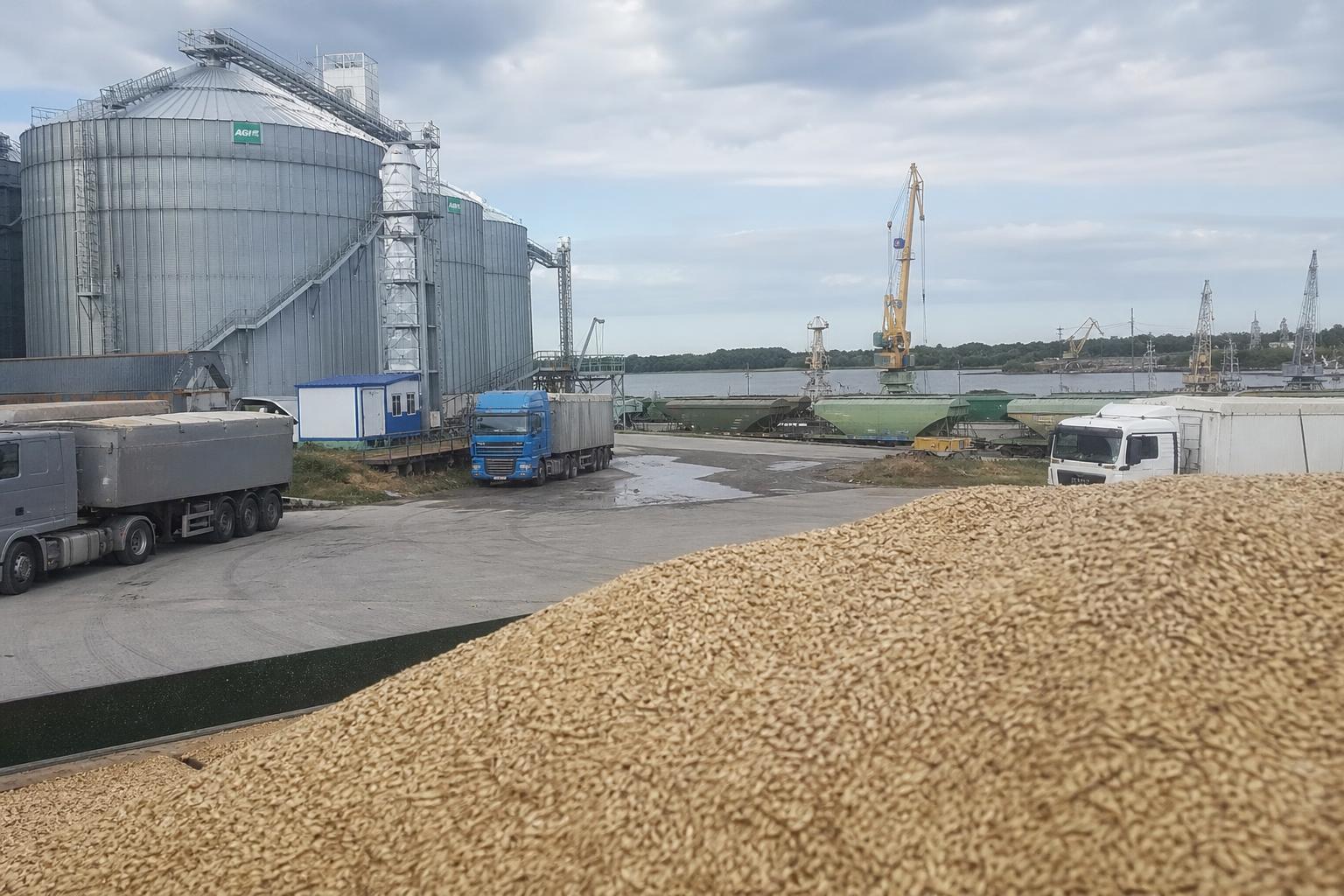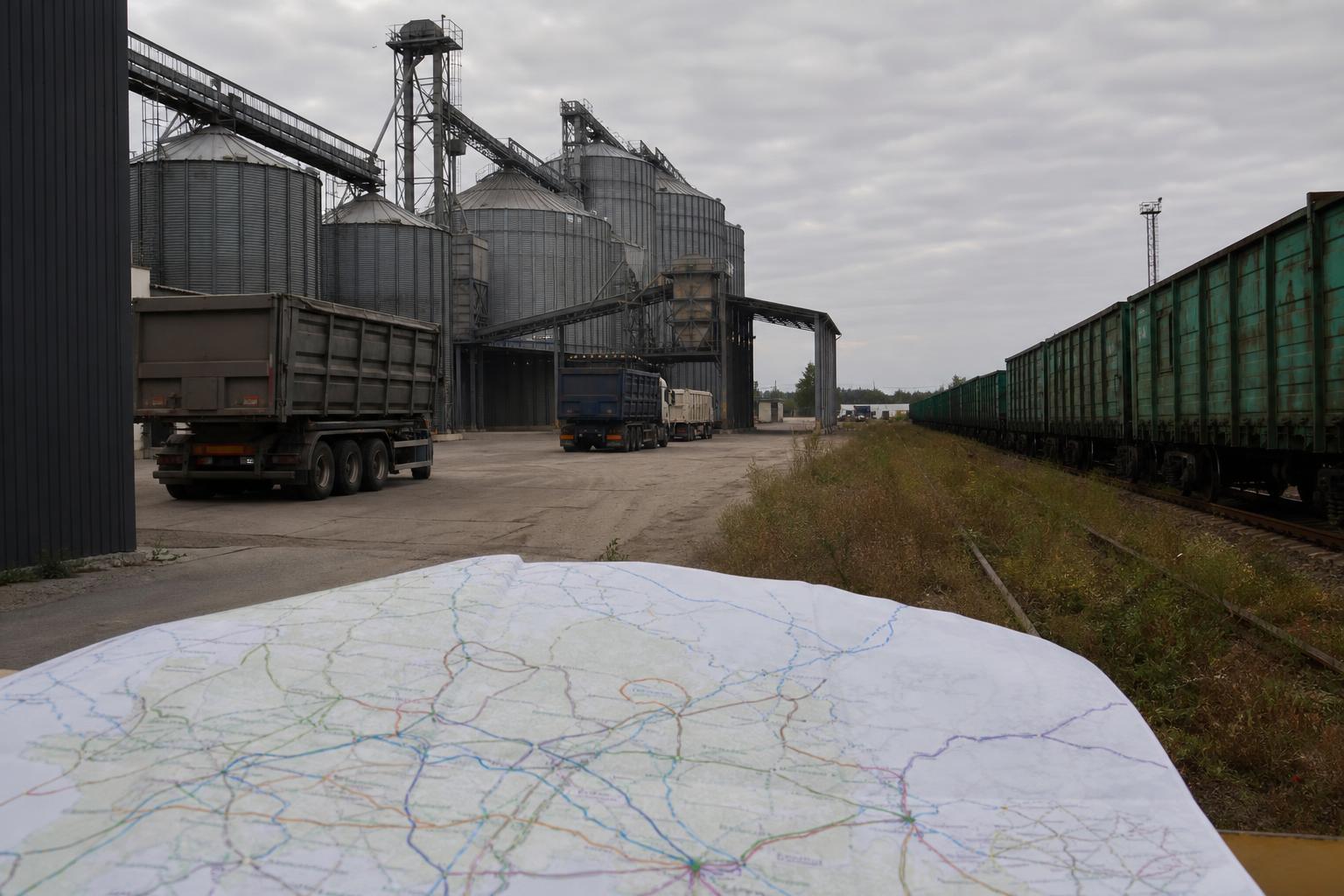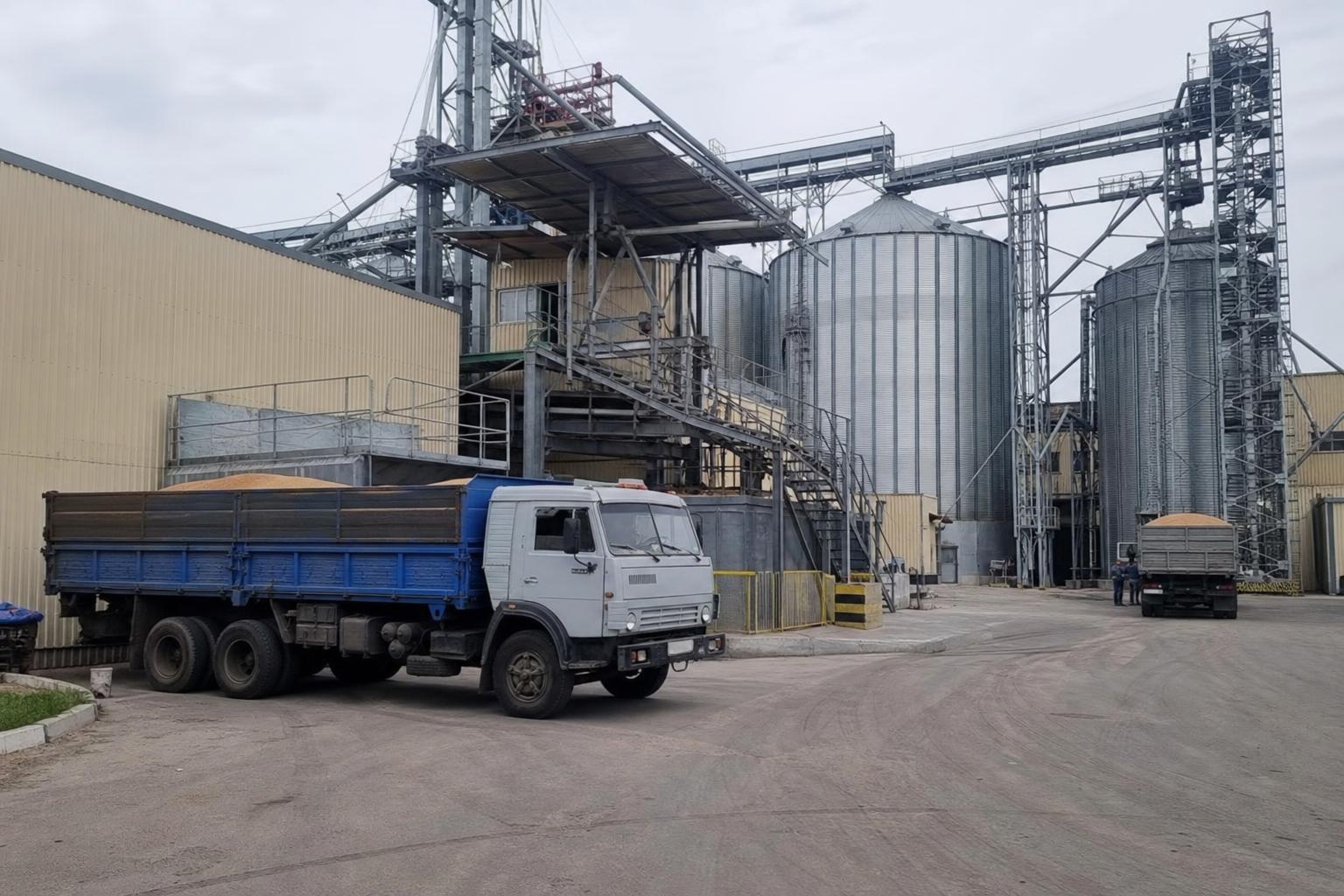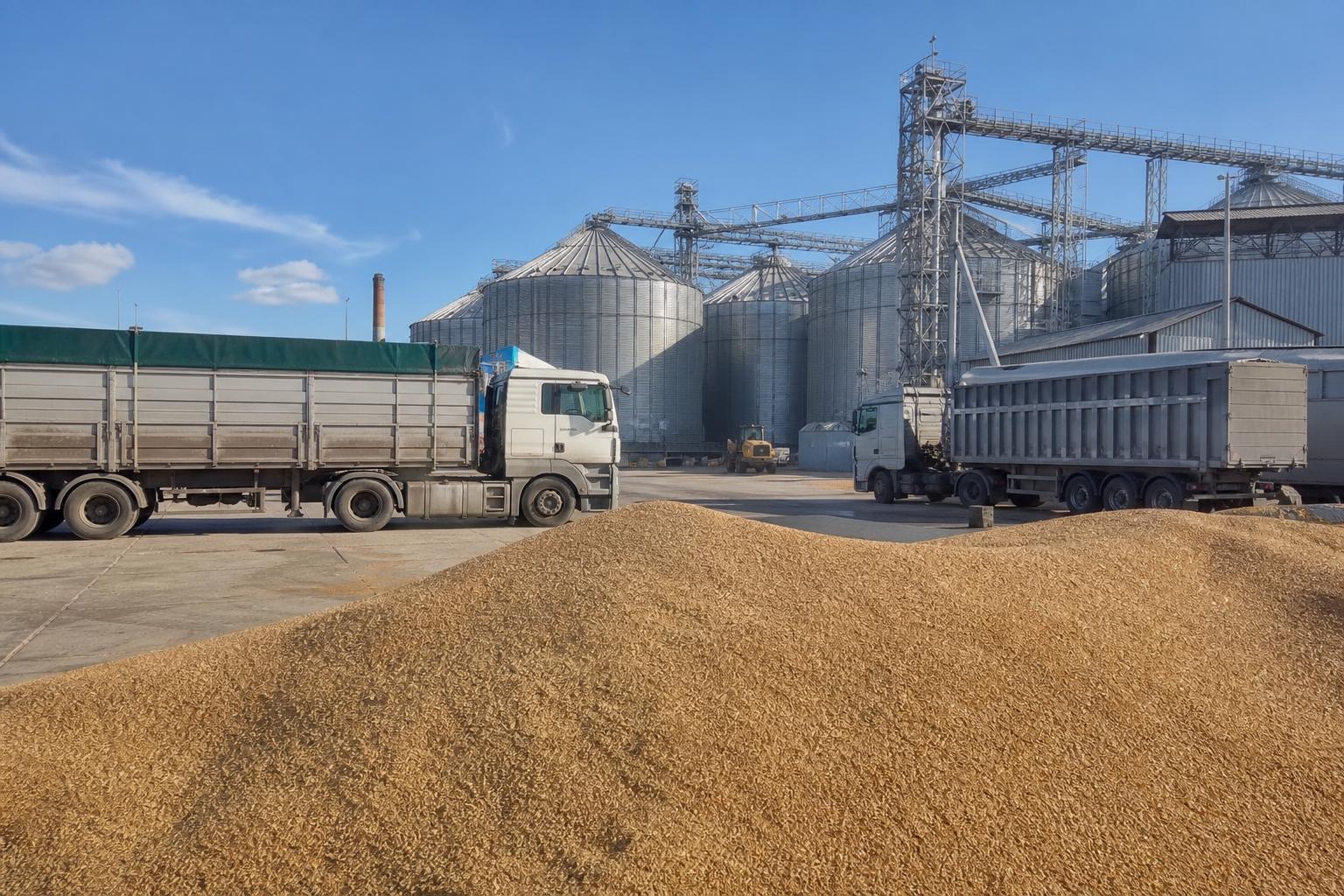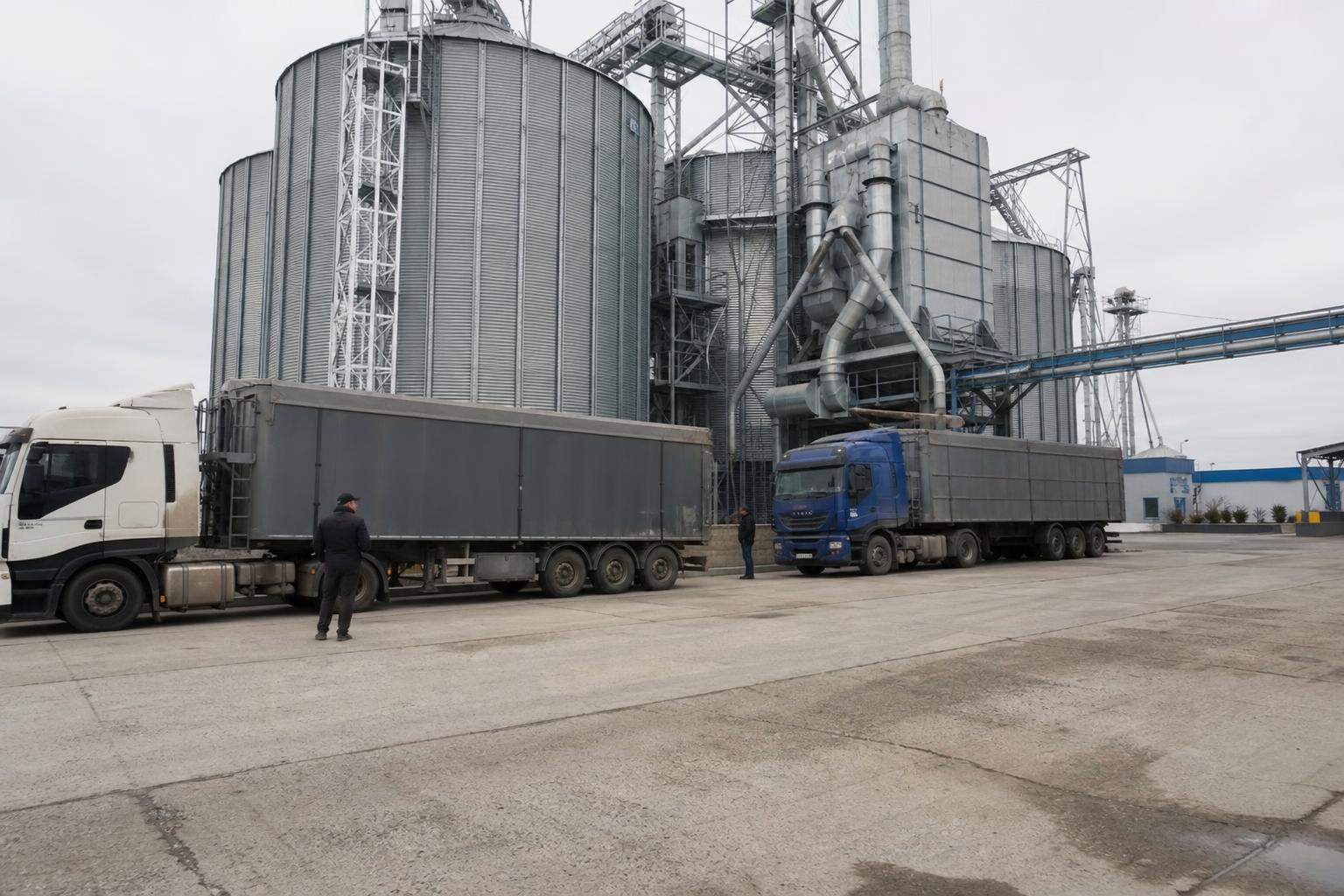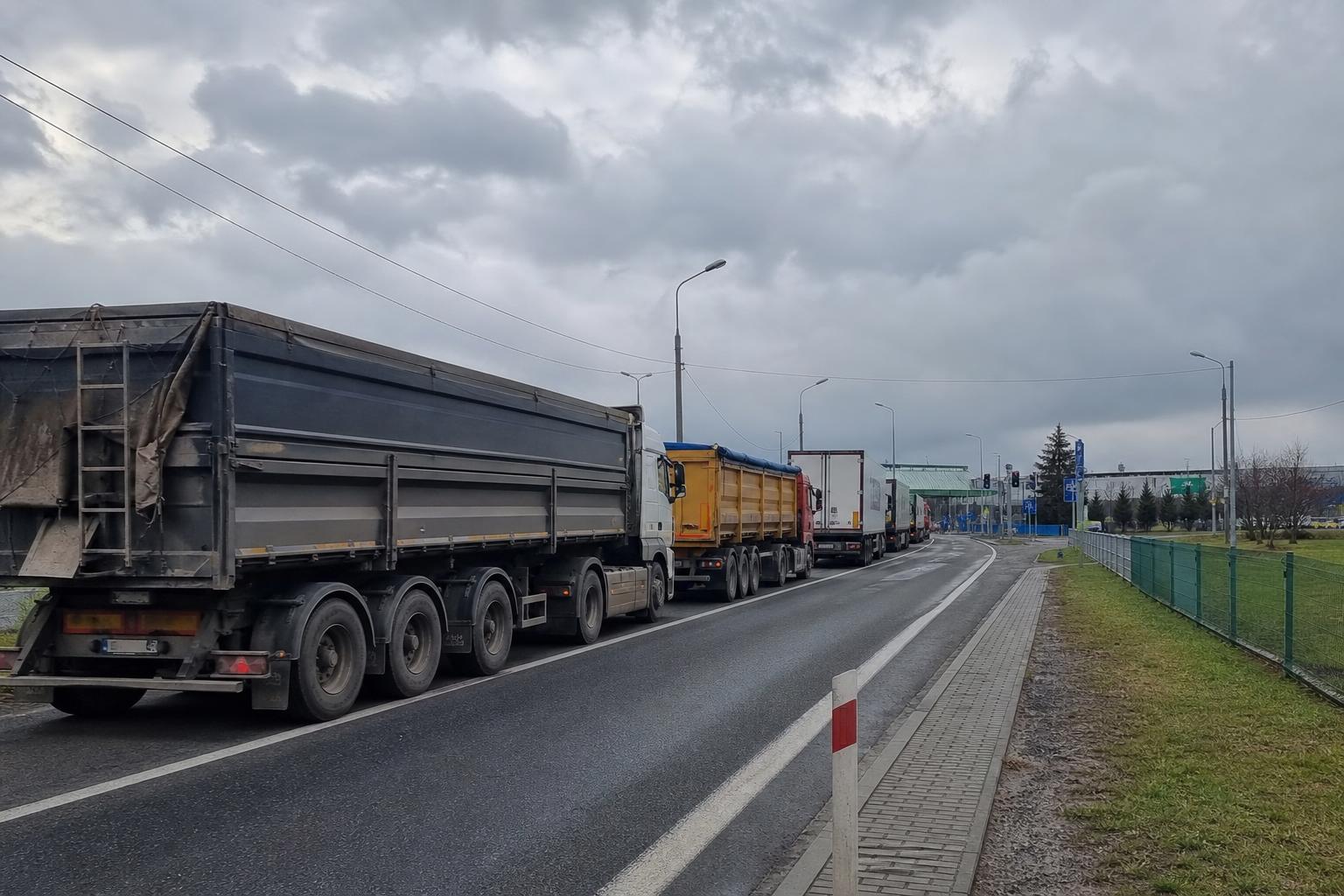
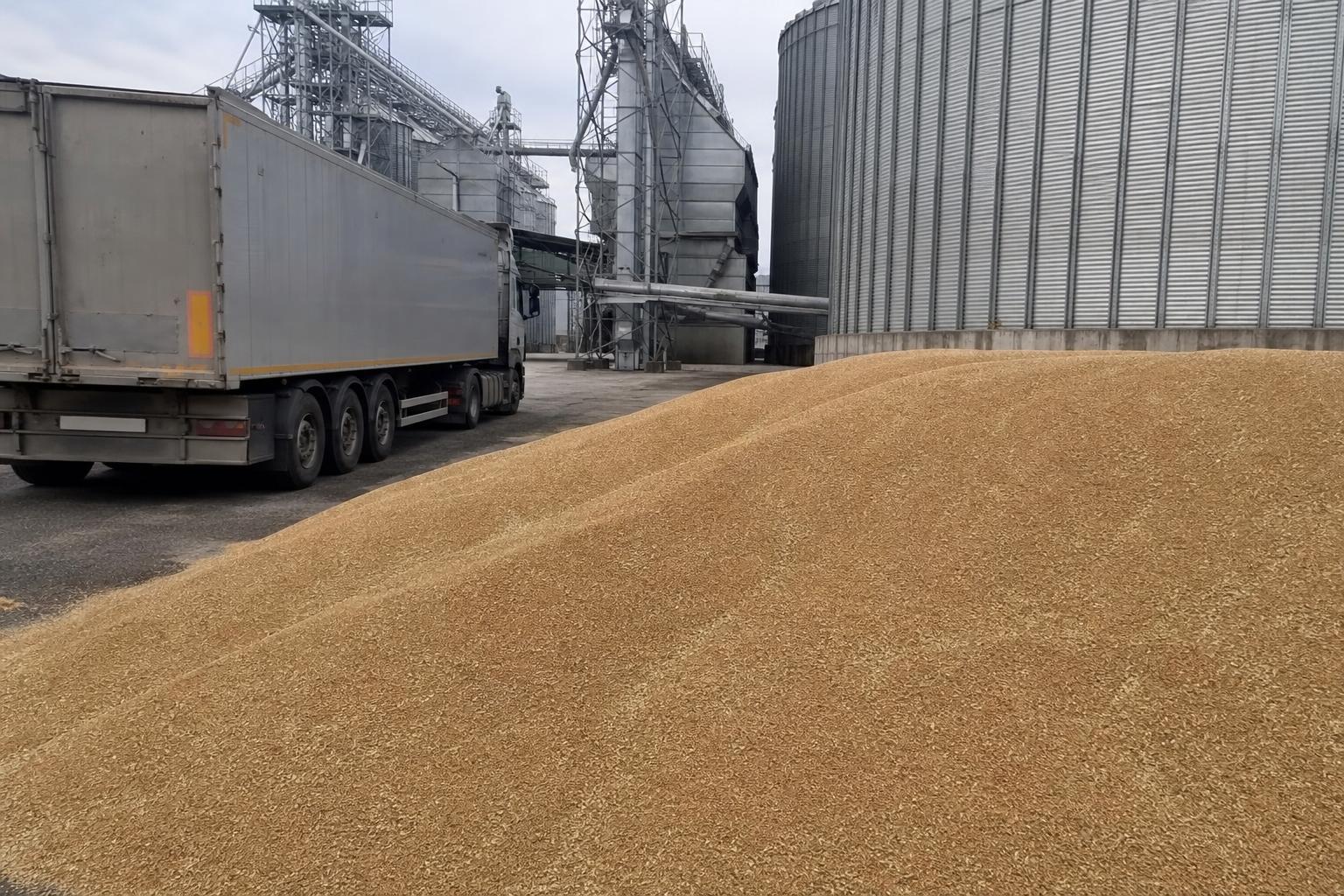
As of October 8, farmers in Ternopil region have harvested over 1.5 million tons of grain. Some farms hold back due to low purchase prices, export constraints, and truck delays at the border.
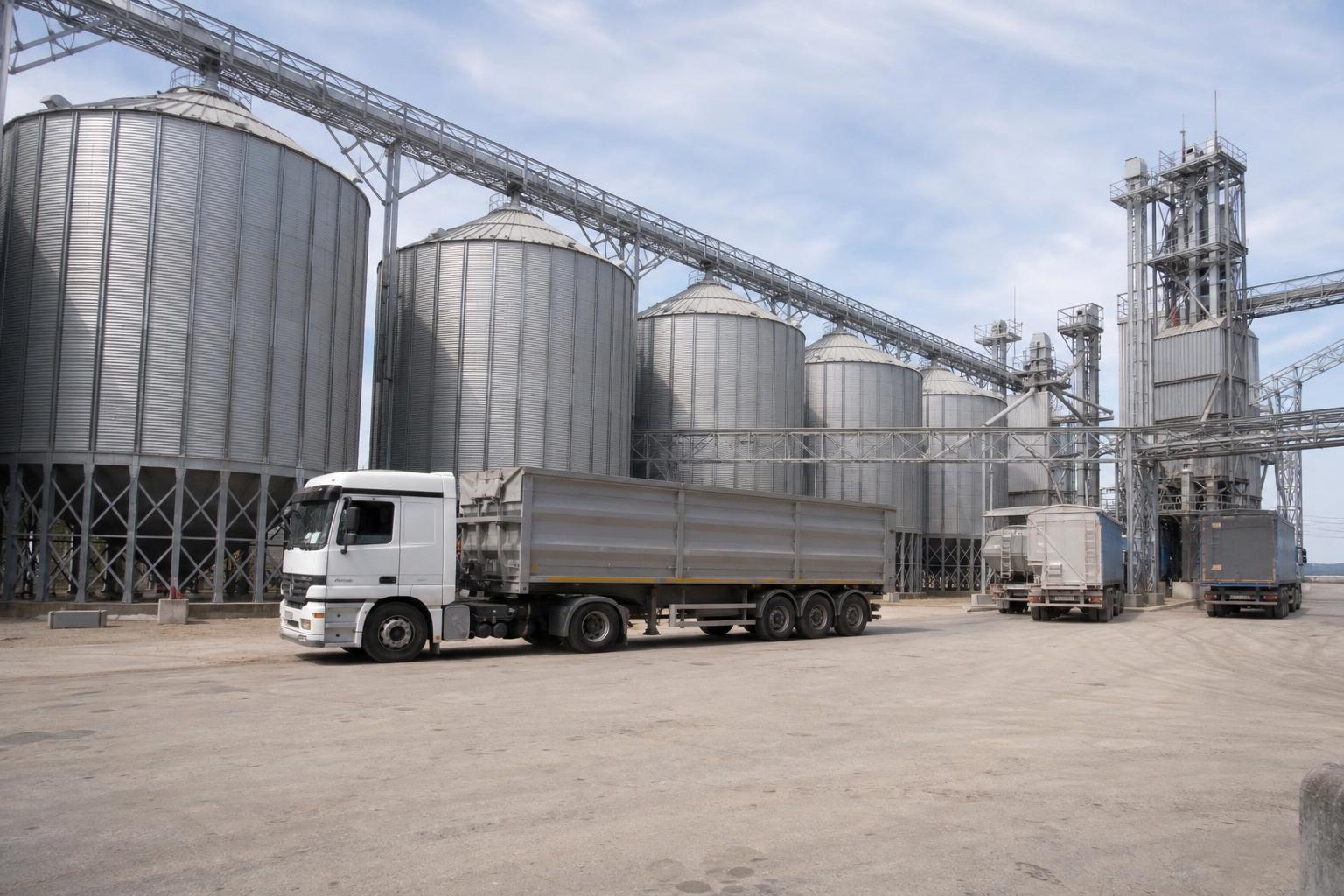
According to the company, its elevators have accepted over 1 million tons of 2026 harvest grain. This highlights the importance of elevator infrastructure and alternative routes in grain delivery amid wartime restrictions.
According to the company, its elevators have received over one million tons of 2026 harvest grain. Farmers are offered options between selling at current market prices and storing the grain.
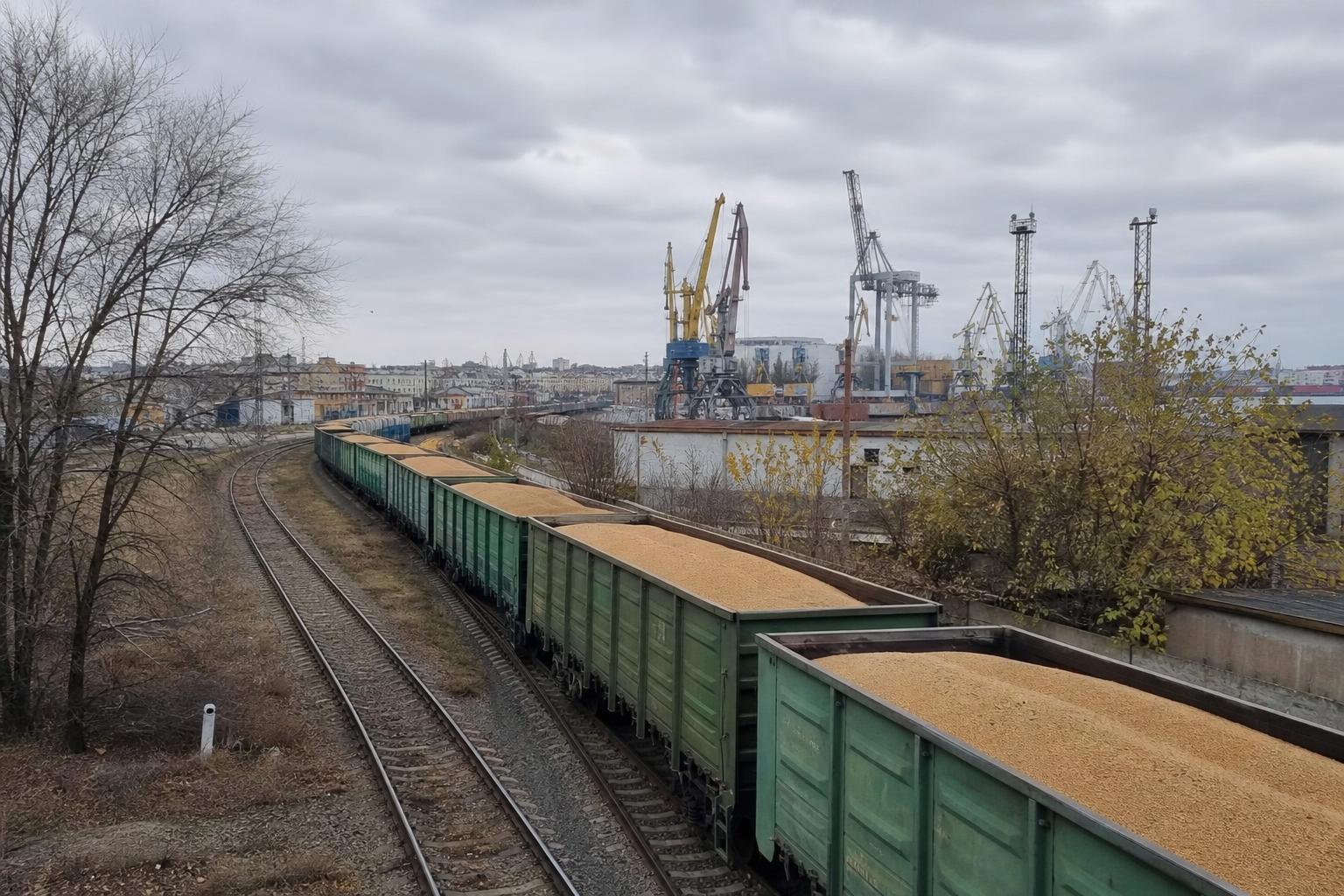
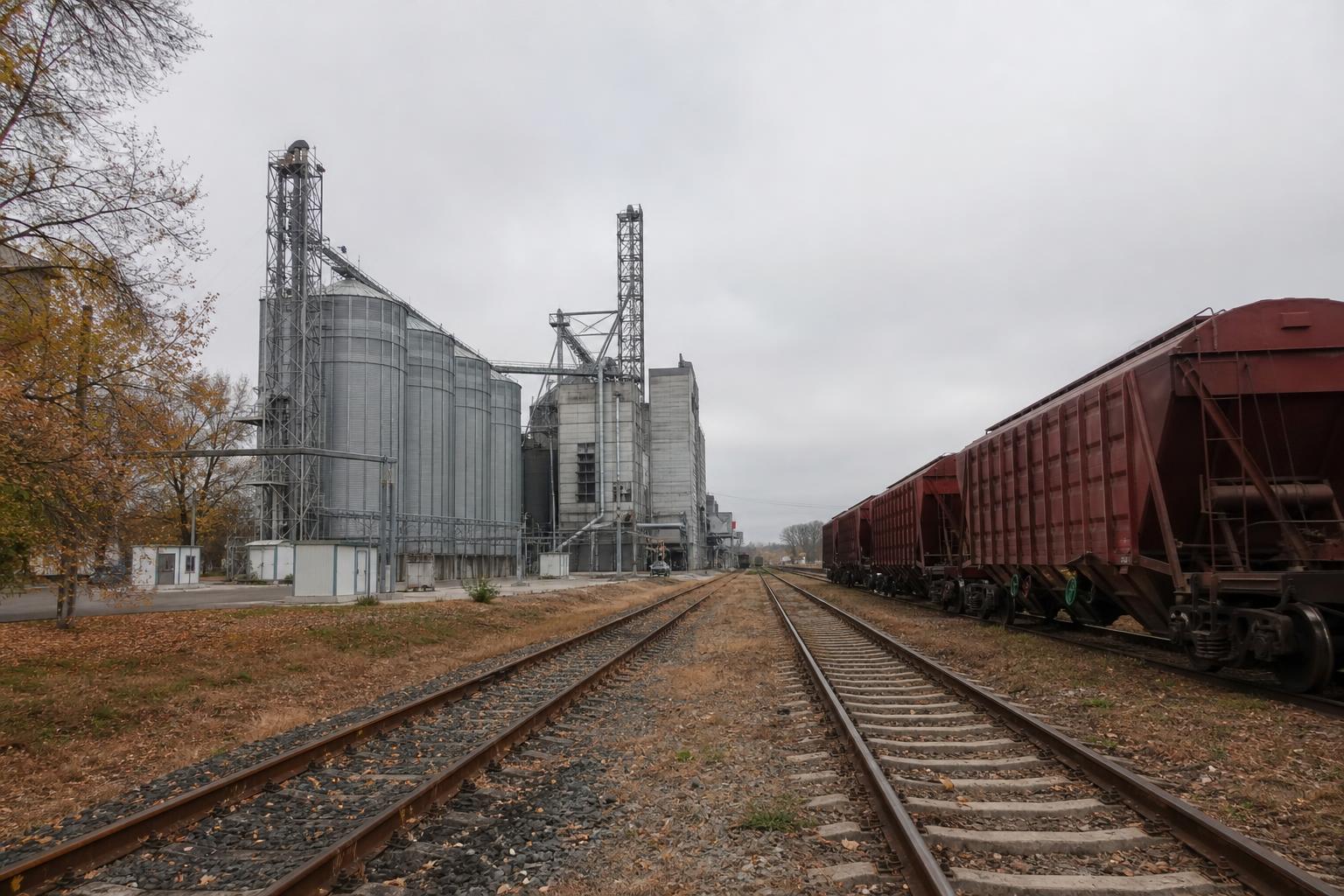
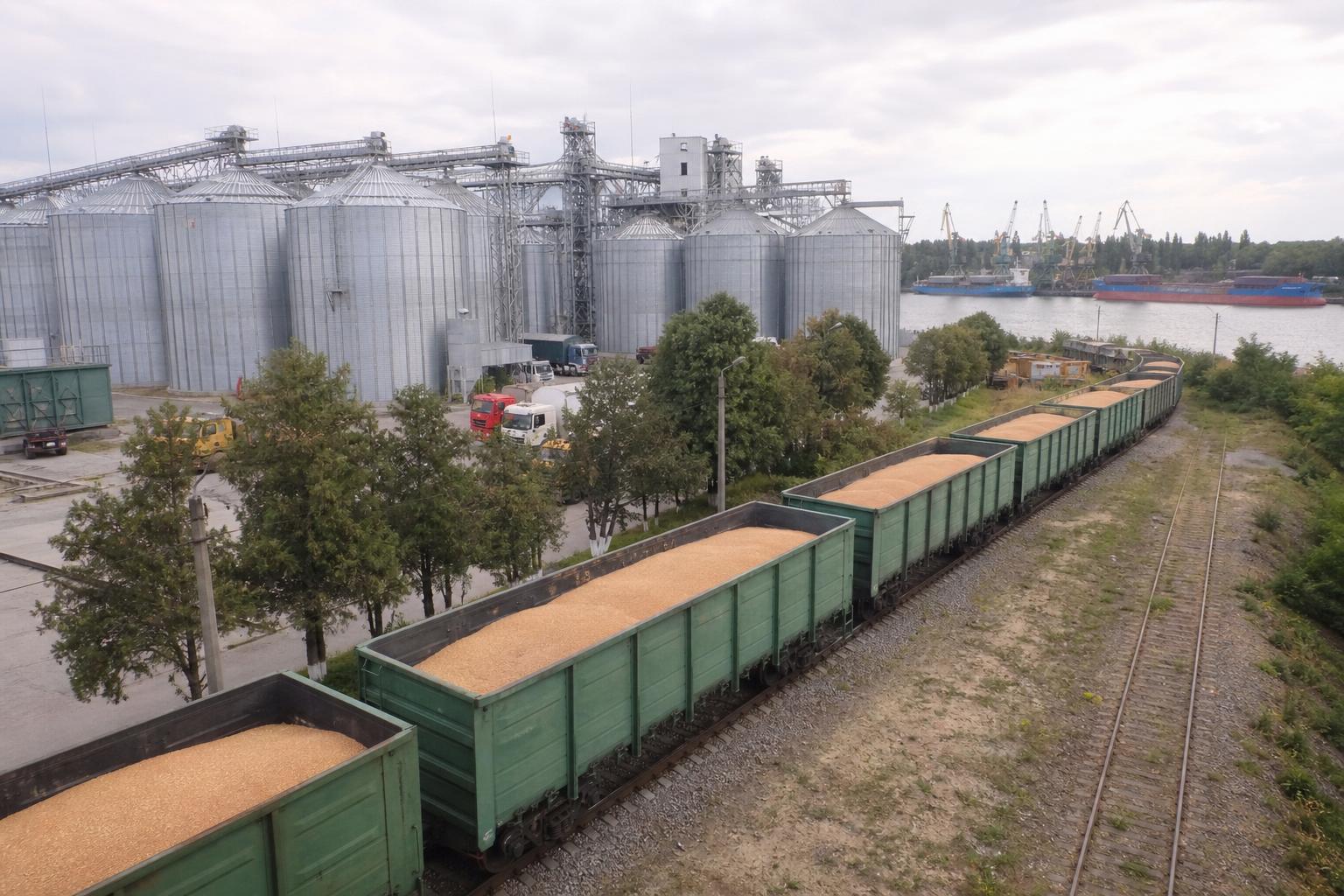
Works on Romania's railway infrastructure limit the rhythm of Ukrainian freight shipments to Constanța. Post-electrification and reconstruction, capacity is expected to increase. Logistics are also affected by wagon shortages and driver deficits.
In early October, Ukraine increased the daily transfer of grain wagons through western border crossings. The most active growth was recorded on the Polish route, while the Slovak route declined. This signals elevators and traders to carefully plan shipments, routes, and batch accumulation schedules.
The export of feed barley remains nearly halted due to sporadic importer demand, high freight costs, and security risks. Meanwhile, Ukraine and Romania are negotiating to expand rail and Danube routes to Constanța, which is crucial for grain sellers and elevators.
In early October, grain sellers face not only demand but also transportation access issues. Discussions on prioritizing meal and cake exports, Black Sea risks, and truck movement restrictions to Rava-Ruska highlight the importance of logistical planning for elevators, traders, and farmers.
Ukraine and Romania agreed to maintain the transfer of 6 train pairs daily to Constanța and are considering increasing to 10 pairs. This is a key signal for grain exporters in planning logistics, elevator operations, and sales schedules.
The European Commission considers special conditions for Ukrainian grain after Ukraine's accession to the EU, while investors cautiously evaluate agricultural companies due to export risks. Market participants need to plan sales, logistics, and contracts more carefully for wheat and other grains.
High barley stocks, sluggish export pace, and cautious importer demand are putting downward pressure on prices in Ukrainian ports. For sellers, quality, delivery basis, and storage access are key; for buyers, the ability to form batches without rush is crucial.
For grain sellers in Ukraine, the nearest operational risks remain transportation costs, infrastructure availability, and batch quality. Amid market focus on exports through western borders, grain storage and fraudulent schemes, participants should carefully calculate net prices after logistics and verify counterparties.
In September 2026, Ukraine increased its agro-export, with wheat leading the grain segment: shipments rose almost 80% compared to August. This signals sellers and buyers to plan exports more carefully, considering quality, documentation, and logistics.
Enter your email and we will send a password reset link.
Don't have an account?
Help improve AgroPost?
With your consent, Google Analytics measures navigation and listing steps. The service does not start without consent. The site works without it.
What we collect and how to change your choice
We send category, language, step number and whether an error or save occurred, not entered values, phone numbers, email addresses or listing text. Your choice is stored in this browser for up to 180 days. Advertising tracking stays disabled.
Use Analytics settings to change your choice. Withdrawing consent reloads the page to stop already loaded services: save any unfinished form first.